
 Worksheets
SPN II: Winter Final 2026~ Repaso (Review)
Total questions: 100
Worksheet time: 50mins
Name
Class
Date
1.
GUSTAR: Fill in the missing IOP and form of gustar. (Cuidado, gustar doesn't match the person doing the action. It matches what comes after it (the verb or the singular/plural noun).
A Ramón ____ ____________ correr.
a)
le, gusta
b)
les, gusta
c)
le, gustan
2.
GUSTAR: Fill in the missing IOP and form of gustar. (Cuidado, gustar doesn't match the person doing the action. It matches what comes after it (the verb or the singular/plural noun).
A mí ____ ____________ comer los tacos.
a)
me, gusta
b)
le, gusta
c)
me, gustan
3.
GUSTAR: Fill in the missing IOP and form of gustar. (Cuidado, gustar doesn't match the person doing the action. It matches what comes after it (the verb or the singular/plural noun).
A ti ____ ____________ los perros.
a)
te, gustan
b)
te, gusta
c)
me, gustan
4.
GUSTAR: Fill in the missing IOP and form of gustar. (Cuidado, gustar doesn't match the person doing the action. It matches what comes after it (the verb or the singular/plural noun).
A nosotros ____ ____________ las enchiladas.
a)
nos, gustan
b)
nos, gusta
c)
les, gustan
5.
GUSTAR: Fill in the missing IOP and form of gustar. (Cuidado, gustar doesn't match the person doing the action. It matches what comes after it (the verb or the singular/plural noun).
A ustedes ____ ____________ la película.
a)
les, gusta
b)
nos, gusta
c)
les, gustan
6.

ADJECTIVES: Choose the color that describes the noun by looking at the picture. "el gato"
a)
amarillo
b)
rosada
c)
anaranjado
7.

ADJECTIVES: Choose the color that describes the noun by looking at the picture. "los zapatos"
a)
verdes
b)
grises
c)
blancos
8.

ADJECTIVES: Choose the color that describes the noun by looking at the picture. "las uvas""
a)
rojas
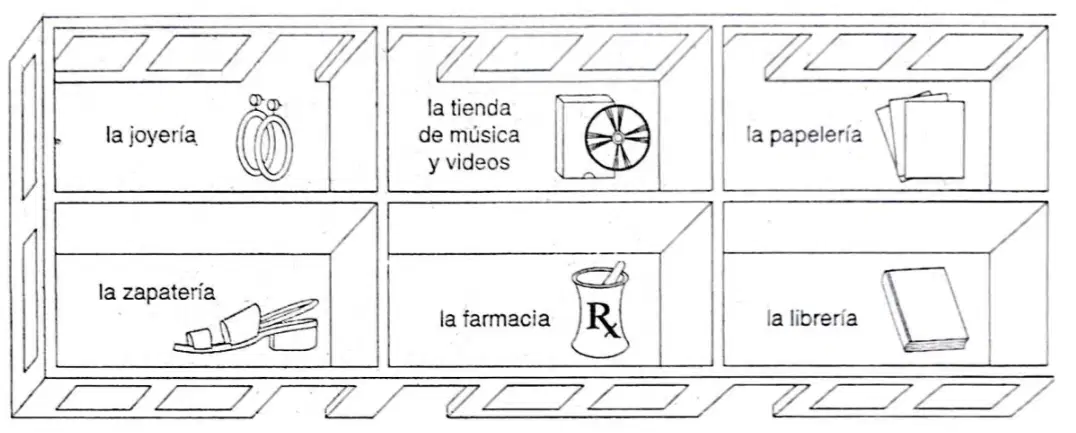
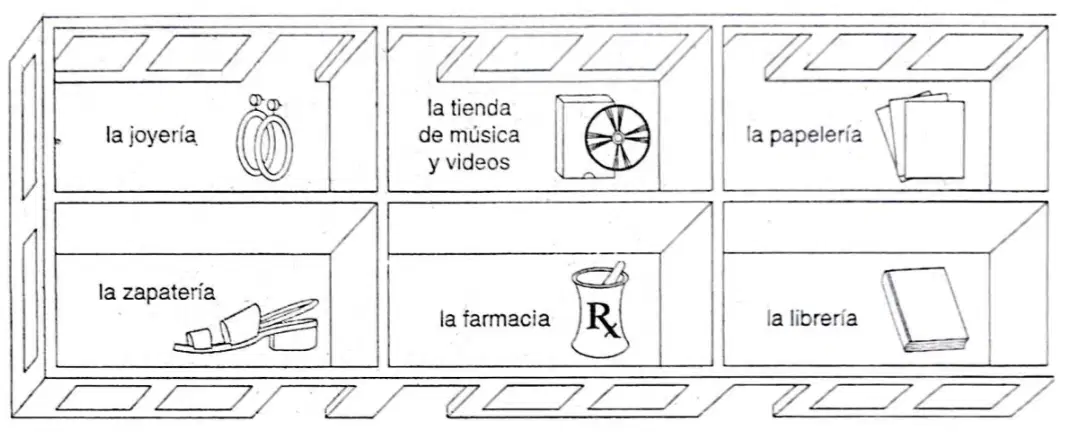
b)
moradas
c)
verdes
9.

ADJECTIVES: Change the adjective to match the noun. (Check yourself before you wreck yourself!) "la falda"
a)
amarillo
b)
amarilla
c)
amarillas
d)
amarillos
10.
ADJECTIVES: Change the adjective to match the noun. (Check yourself before you wreck yourself!) "las chicas son ___________."
a)
bonita
b)
bonitas
c)
bonito
d)
bonitos
11.
ADJECTIVES: Change the adjective to match the noun. (Check yourself before you wreck yourself!) "Ellos son _____________."
a)
interesante
b)
interesantes
12.
ADJECTIVES: Change the adjective to match the noun. (Check yourself before you wreck yourself!) "Los ojos son ______."
a)
verde
b)
verdes
13.
ADJECTIVES: Change the adjective to match the noun. (Check yourself before you wreck yourself!) "Juan es _________ ."
a)
guapa
b)
guapo
c)
guapos
d)
guapas
14.
ADJECTIVES: Change the adjective to match the noun. (Check yourself before you wreck yourself!) "La mujer es una _______ persona."
a)
buenas
b)
buena
c)
bueno
d)
buenos
15.
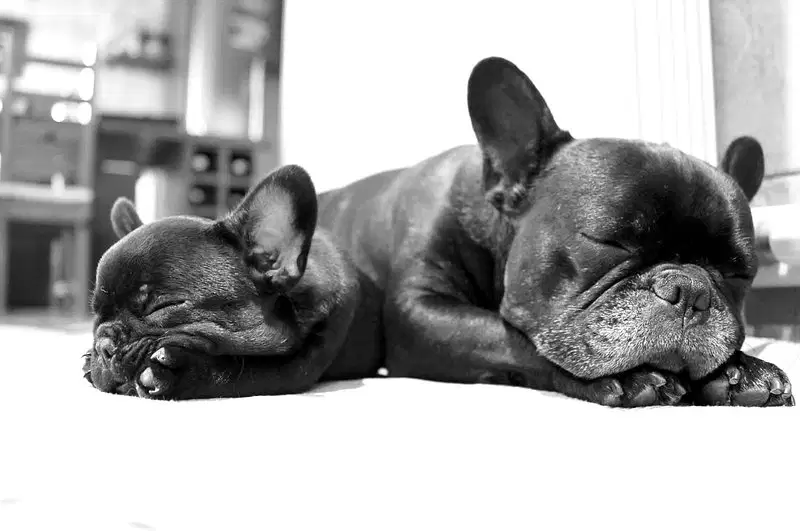
ADJECTIVES: Change the adjective to match the noun. (Check yourself before you wreck yourself!) "Los perros son _______."
a)
negro
b)
negros
c)
negra
d)
negras
16.
TENER WITH HAIR & EYES: Translate the sentence to Spanish. " They have green eyes."
a)
Ellos tienen los ojos verdes.
b)
Nosotros tenemos los ojos verdes.
c)
Ellos tiene los ojos verde.
d)
Nosotros tenemos el pelo verde.
17.
TENER WITH HAIR & EYES: Translate the sentence to Spanish. " I have blue eyes."
a)
Yo tengo los ojos azules.
b)
Yo teno los ojos azules.
c)
Yo tengo los ojos azul.
d)
Yo tengo los ojos cafés.
18.
TENER WITH HAIR & EYES: Translate the sentence to Spanish. " You (inf.) have brown hair."
a)
Tú tienes el pelo castaño.
b)
Usted tiene el pelo rubio.
c)
Usted tiene el pelo castaño.
d)
Tú tienes los ojos cafés.
19.
TENER WITH HAIR & EYES: Translate the sentence to Spanish. " Lorena has blonde hair."
a)
Lorena tiene el pelo rubio.
b)
Lorena tiene el pelo rubia.
c)
Lorena tiene el pelo castaño.
20.
TENER + AGE: Say how old the following person is. "Antonio (22)"
a)
Antonio tiene veintidós años.
b)
Antonio tengo veintitrés años.
c)
Antonio tiene veintidós anos.
d)
Antonio tiene veintidos años.
21.
TENER + AGE: Say how old the following person is. "Mariana y yo (64)"
a)
Mariana y yo tenemos sesenta y cuatro años.
b)
Mariana y to tengo sesenta y cuatro años.
c)
Mariana y yo tenemos setenta y cuatro años.
d)
Mariana y yo tengo setenta y cuatro años.
22.
TENER + AGE: Say how old the following person is. "Tú (49)"
a)
Tú tienes cuarenta y nueve años.
b)
Tú tiene cuarenta y nueve años.
c)
Tú tienes cincuenta y nueve años.
d)
Tú tengo cincuenta y nueve años.
23.
TENER + AGE: Say how old the following person is. "Yo (15)"
a)
Yo tengo quince años
b)
Yo tengo once años.
c)
Yo tengo cinco años.
d)
Yo tengo kince anos.
24.
SER VS ESTAR: Choose the correct form of ser or estar that makes the sentence correct. [DOCTOR VS PLACE] "Yo ____ maestra."
a)
eres
b)
soy
c)
estoy
d)
estamos
25.

SER VS ESTAR: Choose the correct form of ser or estar that makes the sentence correct. {DOCTOR VS PLACE] "Felipe _____ enojado."
a)
estás
b)
es
c)
está
d)
son
26.
SER VS ESTAR: Choose the correct form of ser or estar that makes the sentence correct. [DOCTOR VS PLACE] "Nosotros _________ inteligentes y divertidos."
a)
son
b)
están
c)
estamos
d)
somos
27.
SER VS ESTAR: Choose the correct form of ser or estar that makes the sentence correct. [DOCTOR VS PLACE] "El estudiante ___________ en la biblioteca."
a)
es
b)
están
c)
está
d)
son
28.
SER VS ESTAR: Choose the correct form of ser or estar that makes the sentence correct. [DOCTOR VS PLACE] "___ las ocho de la noche."
a)
es
b)
están
c)
está
d)
son
29.
TIME: ¿Qué hora es? (4:30pm)
a)
Son las cuatro menos media de la tarde.
b)
Son las cuatro y media de la noche.
c)
Son las cuatro y media de la tarde.
30.
TIME: ¿Qué hora es? (10:50 am)
a)
Son las once menos diez de la mañana.
b)
Son las once menos cincuenta de la tarde.
c)
Son las once y diez de la mañana.
31.
TIME: ¿Qué hora es? (12:35 pm)
a)
Son las doce menos treinta y cinco de la noche.
b)
Es la una menos veinticinco de la tarde.
c)
Es la una y veinticinco de la tarde.
32.
TIME: ¿Qué hora es? (5:15 pm)
a)
Son las cinco menos cuarto de la tarde.
b)
Es la cinco y cuarto de la noche.
c)
Son las cinco y cuarto de la tarde.
33.
TIME: ¿A qué hora es el partido de tenis? (3:00 pm)
a)
El partido es a la tres de la noche.
b)
El partido es a las tres de la tarde.
c)
El partido a las tres de la tarde.
34.
TIME: ¿A qué hora es la película? (8:20 pm)
a)
La película es a las ocho y viente de la tarde.
b)
La película es a las ocho y veinte de la noche.
c)
La película a las ocho y veinte de la noche.
35.
TIME: ¿A qué hora es la clase? (1:20 pm)
a)
La clase es a la una y veinte de la tarde.
b)
La clase es a las una y viente de la tarde.
c)
La fiesta es a la una de la noche.
36.
SUBJECT PRONOUNS: What subject pronoun would you use for "Mi familia y yo"?
a)
Nosotros
b)
Ellos
c)
Ustedes
37.
SUBJECT PRONOUNS: What subject pronoun would you use for "Mario y Emanuel"? (Think you are talking about them, not to them)
a)
Nosotros
b)
Ellos
c)
Ustedes
38.
PRESENT TENSE VERBS. CONJUGATE THE FOLLOWING VERB. Yo ________ (bailar) en la fiesta.
a)
bailas
b)
bailo
c)
baila
39.
PRESENT TENSE VERBS. CONJUGATE THE FOLLOWING VERB. Ellos________ (comprender) la lección.
a)
comprendemos
b)
comprenden
c)
comprende
40.
PRESENT TENSE VERBS. CONJUGATE THE FOLLOWING VERB. Tú ______ (abrir) el libro.
a)
abres
b)
abre
c)
abro
41.
PRESENT TENSE VERBS. CONJUGATE THE FOLLOWING VERB. Nosotros _____ (nadar) en la piscina.
a)
nadan
b)
nadáis
c)
nadamos
42.
PRESENT TENSE VERBS. CONJUGATE THE FOLLOWING VERB. Ella ______ (comprar) regalos para su familia.
a)
compras
b)
compran
c)
compra
43.
PRESENT TENSE VERBS. CONJUGATE THE FOLLOWING VERB. Yo ____ (beber) mucha agua.
a)
bebe
b)
bebas
c)
bebo
44.
PRESENT TENSE VERBS. CONJUGATE THE FOLLOWING VERB. Los novios ______ (compartir) una hamburguesa y papas fritas.
a)
compartimos
b)
compartan
c)
comparten
45.
PRESENT TENSE VERBS. CONJUGATE THE FOLLOWING VERB. Su padre _______ (vivir) en una casa nueva.
a)
vives
b)
vivo
c)
vive
46.
PRESENT TENSE VERBS. CONJUGATE THE FOLLOWING VERB. (Tú ______ (caminar) con el perro todos los días.
a)
camino
b)
camina
c)
caminas
47.
Complete each question with an appropriate question word. ¿_______ es tu cumpleaños? -Mi cumpleaños es el 12 de abril.
a)
Cuándo
b)
Qué
c)
Quién
48.
Complete each question with an appropriate question word. ¿_______ vas a ir? - Yo voy a ir a la playa.
a)
Cuándo
b)
Adónde
c)
Por qué
49.
Complete each question with an appropriate question word. ¿_______ es la fecha hoy? - Hoy es el 18 de octubre.
a)
Cómo
b)
Cuál
c)
Cuánto
50.
Complete each question with an appropriate question word. ¿______ está la biblioteca? -La biblioteca está en la escuela.
a)
Adónde
b)
Dónde
c)
Qué
51.

[VOCAB] ¿Qué tiempo hace?
a)
hace sol
b)
hace fresco
c)
está nublado
52.

[VOCAB] ¿Qué tiempo hace?
a)
hace calor
b)
está nublado
c)
hace frío
53.

[VOCAB] ¿Qué tiempo hace?
a)
está nevando
b)
está lloviendo
c)
está nublado
54.

[VOCAB] ¿Qué tiempo hace?
a)
hace fresco
b)
hace calor
c)
hace buen tiempo
55.

¿Qué ropa lleva?
a)
Lleva un impermeable.
b)
Lleva una bufanda.
c)
Lleva la gorra.
56.
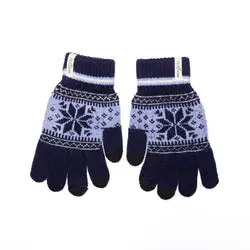
¿Qué ropa llevas?
a)
Yo llevo los guantes.
b)
Yo llevo las botas.
c)
Yo llevo el abrigo.
57.

¿Qué ropa lleva Alexa?
a)
Alexa lleva el traje de baño.
b)
Alexa lleva el impermeable.
c)
Alexa lleva el gorro.
58.

¿Qué lugar es?
a)
Es el río.
b)
Es el mar.
c)
Es el safari.
59.

¿Qué lugar es?
a)
Es el bosque.
b)
Es el desierto.
c)
Es la playa.
60.

¿Qué lugar es?
a)
Es el mar.
b)
Es la selva tropical.
c)
Es el lago.
61.

¿Qué lugar es?
a)
Son las montañas.
b)
Son las montanas.
c)
Son las moñtanas.
62.
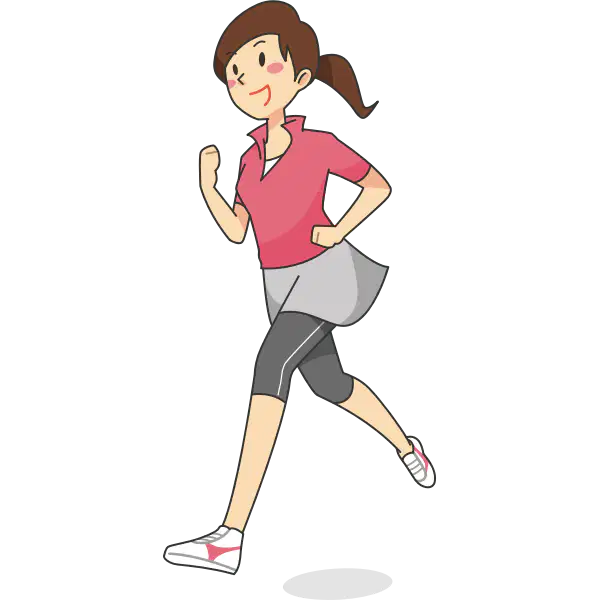
Tener Expressions: ¿Cómo se siente Ana?
a)
Tiene suerte
b)
Tiene hambre
c)
Tiene prisa
63.

Tener Expressions: ¿Cómo se siente Santiago?
a)
Tiene frío
b)
Tiene sed
c)
Tiene ganas de cantar
64.

Tener Expressions: ¿Cómo se siente el koala?
a)
Tiene sueño
b)
Tiene miedo
c)
Tiene mala suerte
65.

Tener Expressions: ¿Cómo se siente Diana?
a)
Tiene hambre
b)
Tiene sed
c)
Tiene cuidado
66.

[PRESENT PROGRESSIVE (-ING)] ¿Qué está haciendo la gente?-Say what the following people are doing. (Ricardo/cantar)
a)
Ricardo estás cantando.
b)
Ricardo está cantiendo.
c)
Ricardo está cantando.
67.

[PRESENT PROGRESSIVE (-ING)] ¿Qué está haciendo la gente?-Say what the following people are doing. (Nosotros/comer)
a)
Nosotros está comiendo.
b)
Nosotros estamos comiendo.
c)
Nosotros estoy comiendo.
68.

[PRESENT PROGRESSIVE (-ING)] ¿Qué está haciendo la gente?-Say what the following people are doing. (Carlos y Ernesto/jugar al baloncesto.)
a)
Carlos y Ernesto está jugando al baloncesto.
b)
Carlos y Ernesto están jugando al baloncesto.
c)
Carlos y Ernesto estamos jugando al baloncesto.
69.

[PRESENT PROGRESSIVE (-ING)]: Use the formula to say what the people are doing. (Yo/vivir en una ciudad.)
a)
Yo estoy vivando en una ciuidad.
b)
Yo estamos viviendo en un granero.
c)
Yo estoy viviendo en una ciudad.
70.
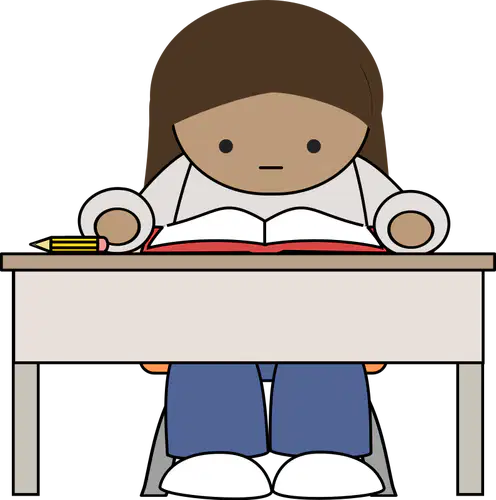
[PRESENT PROGRESSIVE (-ING)]: {IRREGULARS}: ¿Qué está haciendo? (Diana/leer el libro)
a)
Diana está leyendo el libro.
b)
Diana está leiendo el libro.
c)
Diana están leyendo el libro.
71.

[PRESENT PROGRESSIVE (-ING)]: {IRREGULARS} Use the formula to say what the people are doing. (Tú/ir al aeropuerto en taxi.)
a)
Tú está irendo al aeropuerto en taxi.
b)
Tú estás yendo al aeropuerto en taxi.
c)
Tú están viendo al aeropuerto en taxi.
72.
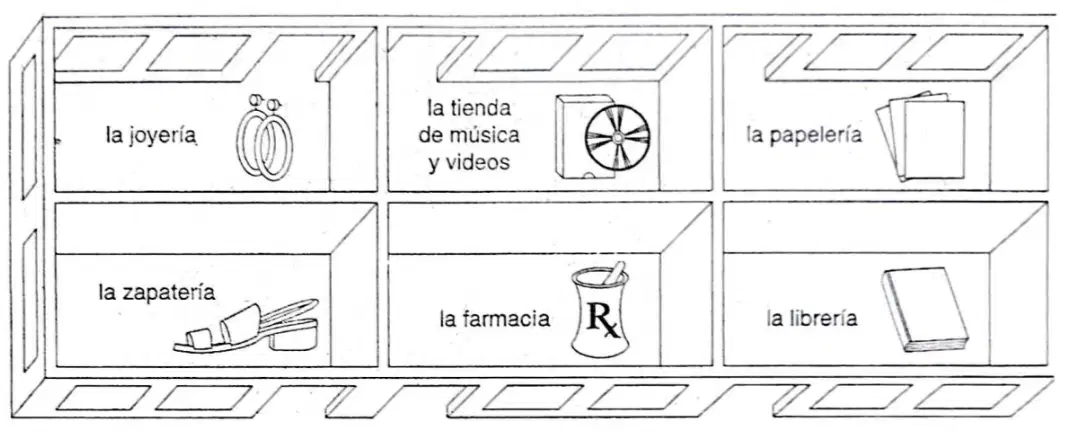
[PREPOSITIONAL PHRASES]
GIVE THE LOGICAL LOCATION OF STORE IN REGARDS TO ANOTHER STORE.
[La joyería está a la ____________ de la tienda y música y videos.]
a)
izquierda
b)
derecha
c)
entre
d)
delante
73.
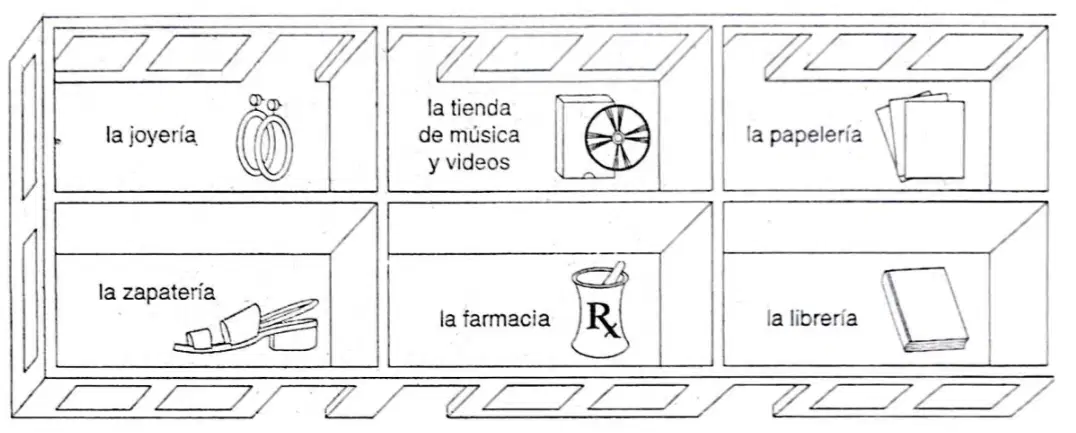
[PREPOSITIONAL PHRASES]
GIVE THE LOGICAL LOCATION OF STORE IN REGARDS TO ANOTHER STORE.
[La papelería está al ____________ de la tienda y música y videos.]
a)
lado
b)
detrás
c)
lejos
d)
enfrente
74.
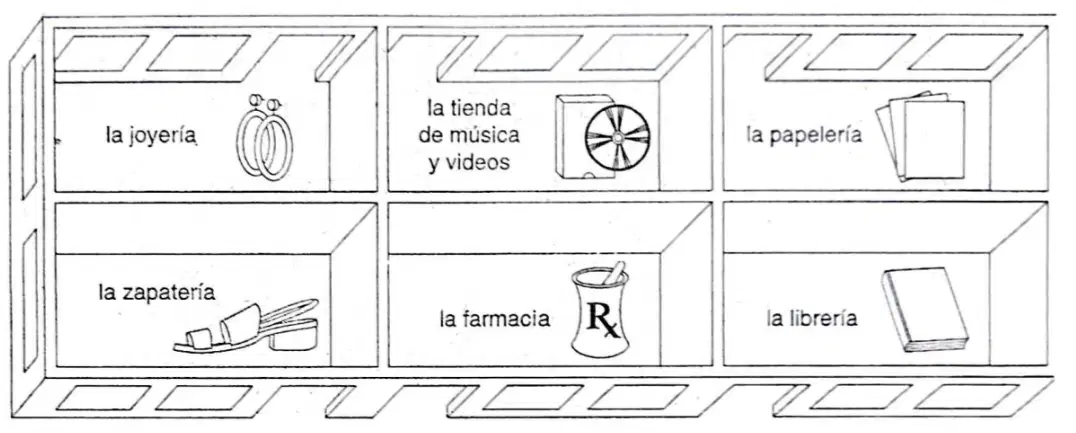
[PREPOSITIONAL PHRASES]
GIVE THE LOGICAL LOCATION OF STORE IN REGARDS TO ANOTHER STORE.
[La librería está ____________ de la joyería.]
a)
lejos
b)
detrás
c)
a la derecha
d)
a la izquierda
75.
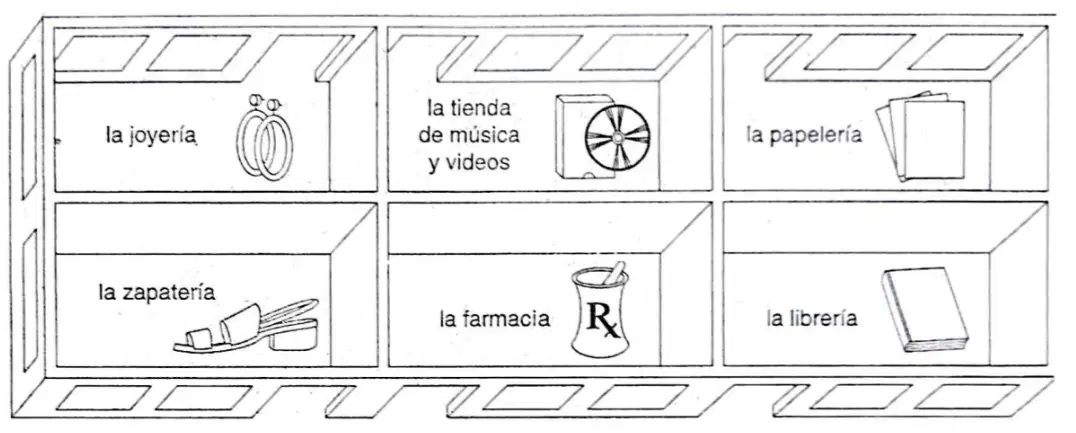
[PREPOSITIONAL PHRASES]
GIVE THE LOGICAL LOCATION OF STORE IN REGARDS TO ANOTHER STORE.
[La farmacia está ____________ la zapatería y la librería.]
a)
entre
b)
al lado
c)
detrás
d)
enfrente
76.
[PREPOSITIONAL PHRASES]
GIVE THE LOGICAL LOCATION OF STORE IN REGARDS TO ANOTHER STORE.
[La zapatería está _______ la joyería.]
a)
detrás
b)
lejos
c)
a la derecha
77.
[PREPOSITIONAL PHRASES]
GIVE THE LOGICAL LOCATION OF STORE IN REGARDS TO ANOTHER STORE.
[La tienda de música y videos está a la _______ de la joyería.]
a)
derecha
b)
lejos
c)
entre
78.
[Stem-Changers (SHOE) VERBS]: Conjugate the verb in present tense. ¡Cuidado! These verbs have a spelling change! (Yo_____(pedir) una hamburguesa con queso.)
a)
Yo pido una hamburguesa con queso.
b)
Yo pedo una hamburguesa con queso.
c)
Yo piedo una hamburguesa con queso.
79.
[Stem-Changers (SHOE) VERBS]: Conjugate the verb in present tense. ¡Cuidado! These verbs have a spelling change! (*Nosotros _____ (jugar) al fútbol.)
a)
Nosotros jugamos al fútbol.
b)
Nosotros juegamos al fútbol.
c)
Nosotros juegan al fútbol.
80.
[Stem-Changers (SHOE) VERBS]: Conjugate the verb in present tense. ¡Cuidado! These verbs have a spelling change! (Sergio _____ (almorzar) en la cafetería.)
a)
almuerza
b)
almuerzas
c)
almorza
81.
[Stem-Changers (SHOE) VERBS]: Conjugate the verb in present tense. ¡Cuidado! These verbs have a spelling change! (Yo _____(querer) una torta.)
a)
quiro
b)
quiero
c)
quero
82.
[Stem-Changers (SHOE) VERBS]: Conjugate the verb in present tense. ¡Cuidado! These verbs have a spelling change! (Benito____(preferir) jugar al tenis.)
a)
prefere
b)
prefiere
c)
prefieres
83.
[Stem-Changers (SHOE) VERBS]: Conjugate the verb in present tense. ¡Cuidado! These verbs have a spelling change! (Carmen _____ al voleibol.)
a)
juga
b)
juega
c)
juego
84.
[Stem-Changers (SHOE) VERBS]: Conjugate the verb in present tense. ¡Cuidado! These verbs have a spelling change! (El partido _____ a las tres de la tarde.
a)
empeza
b)
empieza
c)
empiza
85.
[ir + a + place]: SAY WHERE THE FOLLOWING PEOPLE GO. ¿Adónde va José? (José/ el gimnasio)
a)
José van a gimnasio.
b)
José va a la gimnasio.
c)
José va al gimnasio.
86.
[ir + a + place]: SAY WHERE THE FOLLOWING PEOPLE GO. ¿Adónde vas? (Tú/ la panadería)
a)
Tú vas a la panadería.
b)
Tú va al panadería.
c)
Tú vas a el panadería.
87.
[ir + a + place]: SAY WHERE THE FOLLOWING PEOPLE GO. ¿Adónde van ellas? (Ellas/ Target)
a)
Ellas van al Target.
b)
Ellas van a la Target.
c)
Ellas van a Target.
88.
[IR + A + INFINITIVE]: Use the formula to say what the following people are going to do. *Careful, there maybe errors in the sentence. (Tú/hablar con tu novio)
a)
Tu vas a hablar son tu novio.
b)
Tú vas a hablar con tu novio.
c)
Tú va a hablar con mi novio.
89.
[IR + A + INFINITIVE]: Use the formula to say what the following people are going to do. *Careful, there maybe errors in the sentence. (mi hermano/ caminar con el perro)
a)
Mi hermano van a caminar con el perro.
b)
Mi hermano vas a caminar con el gato.
c)
Mi hermano va a caminar con el perro.
90.
[IR + A + INFINITIVE]: Use the formula to say what the following people are going to do. *Careful, there maybe errors in the sentence. (Nosotras/ comer unas papas fritas)
a)
Nosotras van a comer unas papas fritas.
b)
Nosotras vamos a comer unas papas fritas.
c)
Nosotras vamos comer unas papas fritas.
91.
[IR + A + INFINITIVE]: Translate to Spanish to say what the following people are going to do. (I am going to paint.)
a)
Yo voy a pintar.
b)
Voy pintar.
c)
Yo voy a dibujar.
92.
[LOS VERBOS IRREGULARES] Traduce a español.
I leave the mall.
a)
Yo salgo del centro comercial.
b)
Yo traigo del centro comercial.
c)
Yo oigo del centro comercial.
93.
[LOS VERBOS IRREGULARES] Traduce a español.
I'm coming from the bookstore.
a)
Yo vengo de la librería.
b)
Yo hago de la librería.
c)
Yo digo de la librería.
94.
[LOS VERBOS IRREGULARES] Traduce a español.
I do my homework.
a)
Yo hago mi tarea.
b)
Yo conozco mi tarea.
c)
Yo traigo mi tarea.
95.
[LOS VERBOS IRREGULARES] Traduce a español.
I hear the teacher.
a)
Yo oigo al maestro.
b)
Yo conozco el maestro.
c)
Yo oigo a el maestro.
d)
Yo digo al maestro.
96.
[LOS VERBOS IRREGULARES] Traduce a español.
I know Justin Bieber.
a)
Yo conozco a Justin Bieber.
b)
Yo sé Justin Bieber.
97.
[LOS VERBOS IRREGULARES] Traduce a español.
I bring my bathing suit.
a)
Yo traigo mi traje de baño.
b)
Yo vengo mi traje de baño.
c)
Yo salgo mi traje de baño.
98.
[LOS VERBOS IRREGULARES] Traduce a español.
I give my dog water.
a)
Yo doy agua a mi perro.
b)
Yo digo agua a mi perro.
c)
Yo hago agua a mi perro.
99.
[LOS VERBOS IRREGULARES] Traduce a español.
I put the book in my backpack.
a)
Yo pongo el libro en mi mochila.
b)
Yo hago el libro en mi mochila.
c)
Yo oigo el libro en mi mochila.
100.
[LOS VERBOS IRREGULARES] Traduce a español.
I tell my friend the gossip.
a)
Yo digo el chisme a mi amigo.
b)
Yo salgo el chisme a mi amigo.
c)
Yo vengo el chisme a mi amigo.
100 %

