
 Worksheets
Plate Tectonics: Ridges, Subduction & Mountain Building
Total questions: 8
Worksheet time: 12mins
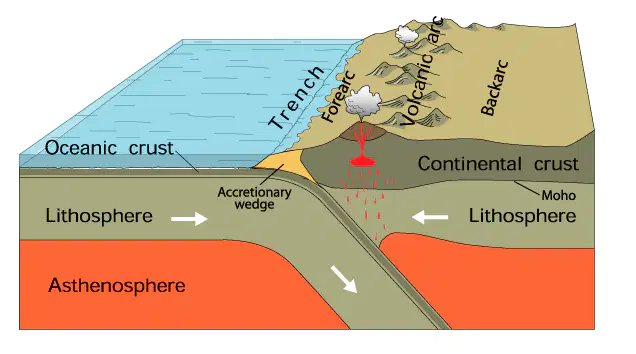
While watching a documentary about earthquakes, Michael learns that the downward movement of one tectonic plate beneath another is called (a) . Nearby, Abigail studies when rocks start to generate magma and finds that (b) .
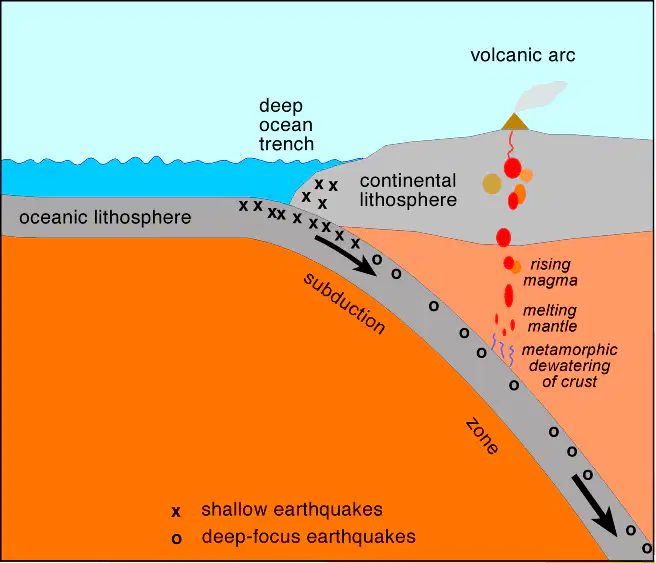
While hiking along a coastline, Abigail notices a deep feature in the ocean where the oceanic plate bends downward near the shore. That feature is called a (a) . Later, Daniel studies the Nazca and South American plates and determines that the convergent boundary is at the (b) and the divergent boundary is marked by the (c) .
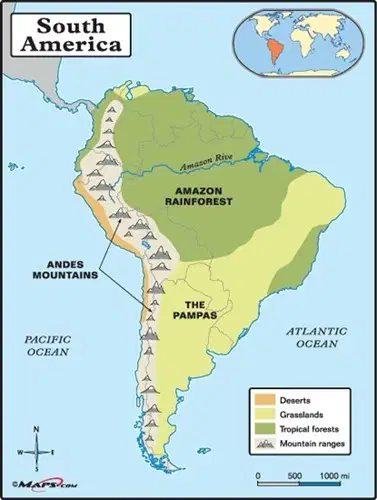
While visiting the Andes region, Liam learns about the great forces of subduction beneath the mountains. These powerful geological forces can cause (a) . He also notices many volcanoes there and learns that (b) .
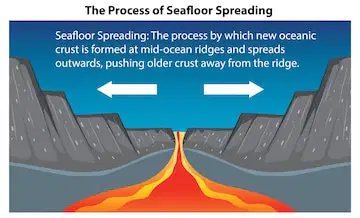
While exploring the ocean floor, Nora observes melted mantle material rising and cooling at a mid-ocean ridge. When this material solidifies, it forms (a) . Lily collects seafloor rock samples and finds that the pattern supporting seafloor spreading is (b) .

Like the Atlantic seafloor spreading, Africa’s Great Rift Valley is caused by (a) . When two massive sections of crust slowly push together over millions of years ( (b) ), the process often results in the creation of (c)

Maya learns that mantle convection moves tectonic plates because rising hot mantle pushes plates at ridges and sinking cool mantle pulls them at trenches, so she concludes that plate motion is driven by (a) .
Kai studies the Ring of Fire and observes that subduction boundaries form where (b) goes under (c) .
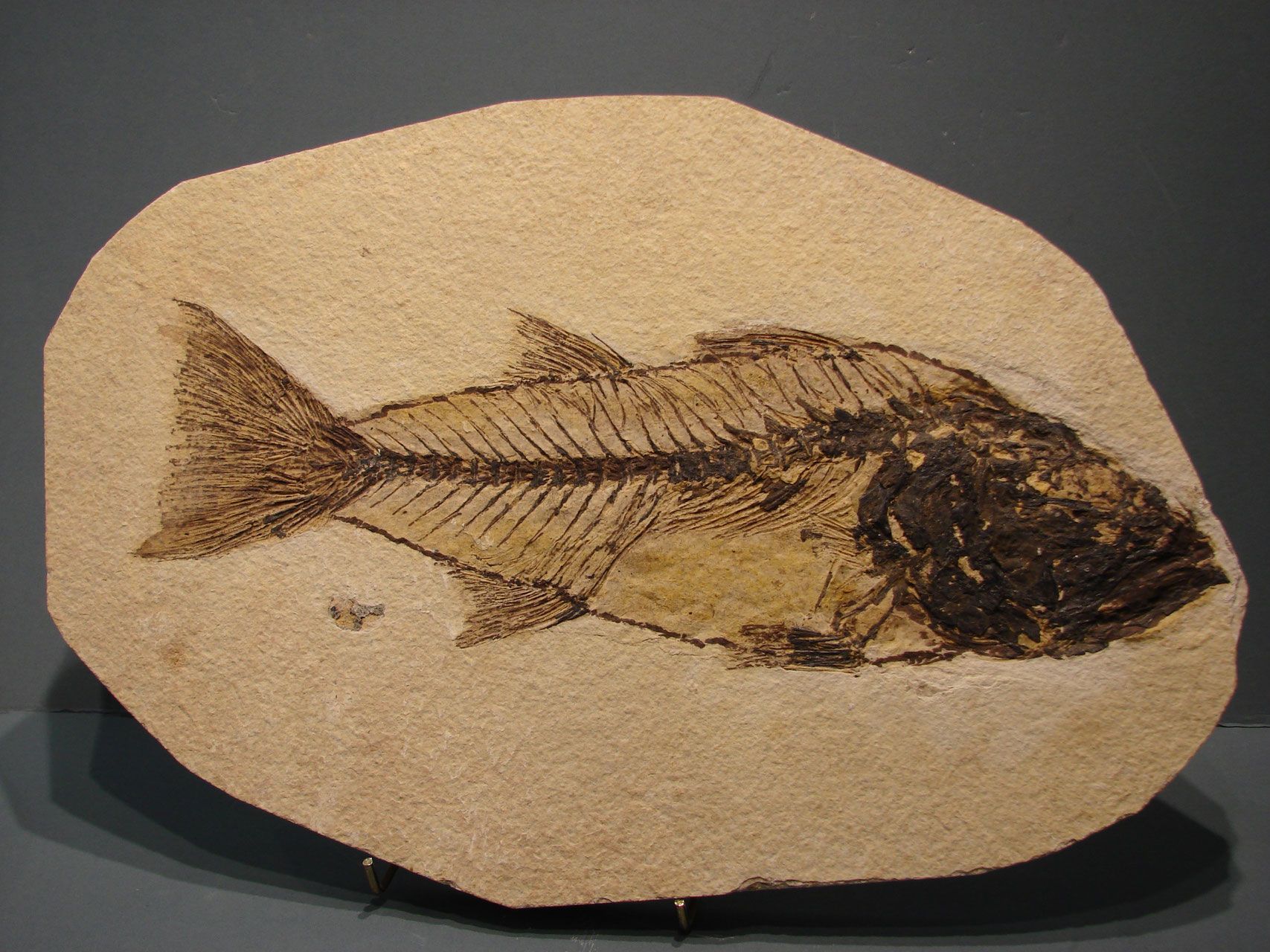
If a scientist found a fish fossil in the desert, what could they infer?
(a)
An animal ate the fish.


