
 Worksheets
Medical Detectives Pre-Assessment
Total questions: 21
Worksheet time: 19mins
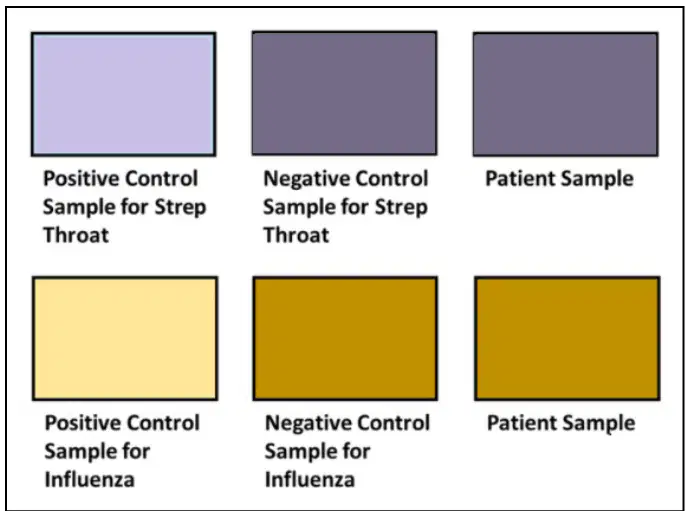
Based on the color results in Figure 1 controls and patient wells, which diagnosis best matches the patient sample that matches the positive control for influenza but matches the negative control for strep throat?
The patient has influenza but not strep throat
The patient has strep throat but not influenza
The patient has both infections at once
The patient does not have either infection
Many patients arrive with similar symptoms after eating at the same event. The pathogen is a bacterium that affects the nervous system. How would each professional most likely contribute?
ER doctor
Stabilizes patients and treats acute symptoms
Neurologist
Tests nervous system function and interprets nerve damage
Microbiologist
Identifies and studies the bacterial agent
Epidemiologist
Tracks cases to find source and stop spread
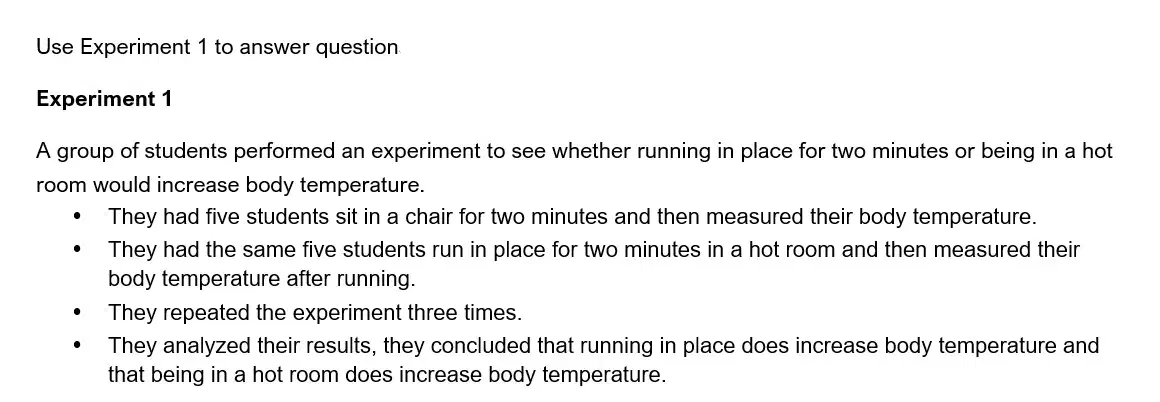
In Experiment 1, students tested sitting versus running in a hot room to see effects on body temperature. What was the main flaw in their design?
They did not use multiple trials
They forgot to include a control group
They only had one test subject overall
They used more than one independent variable
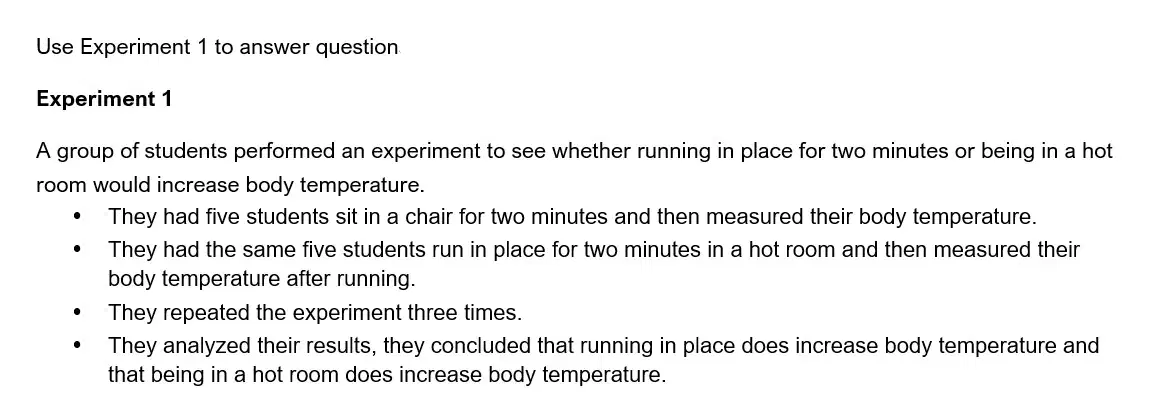
Which revision would make Experiment 1 produce valid, reliable results when testing how running affects body temperature?
Measure temperature with different thermometers each time
Keep room temperature constant for all trials
Use several participants and repeat trials
Randomly assign the order of conditions for subjects
Change only one variable at a time
A microbe causes strep throat, can multiply without a host, and is treated with antibiotics. What type of disease agent is it?
Not a disease agent
Bacteria
Fungus
Virus
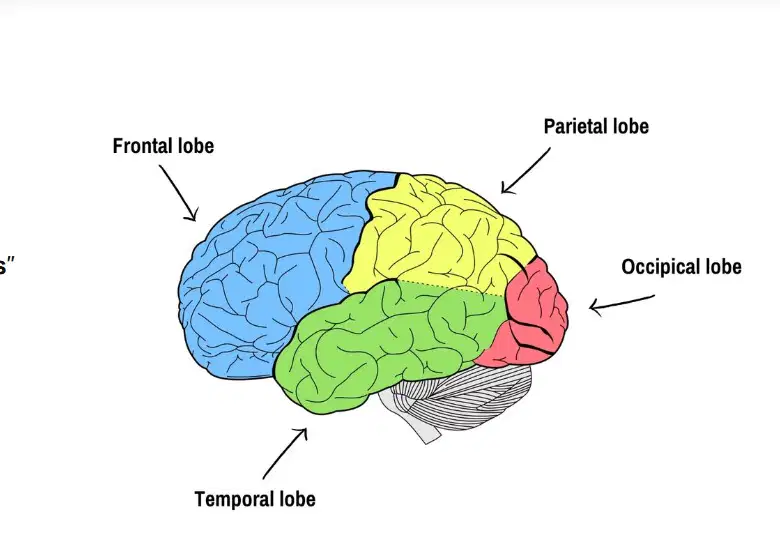
A tumor is found in the occipital lobe of the brain. Which function is most likely to be affected?
Visual processing of images
Balance and coordinated movement
Planning and decision making
Hearing and language processing

Given the attack rates in a breakfast outbreak table, which food is most likely causing illness if these attack rates were recorded: pancakes 12%, butter 8%, sausage 72%, syrup 38%, milk 32%, juice 24%?
Sausage 72% attack rate
Butter 8% attack rate
Juice 24% attack rate
Pancakes 12% attack rate
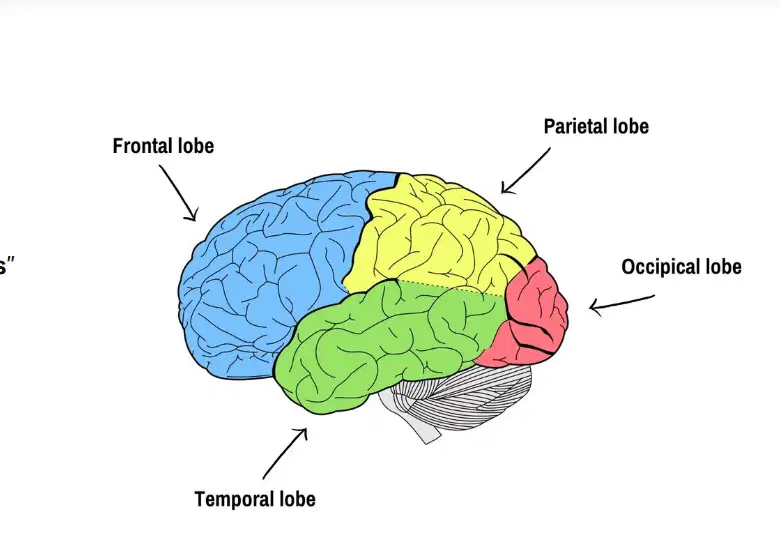
A patient has intense headaches behind the left eye, trouble concentrating, and unusual anger. Speech, hearing, and vision are normal. Memory tasks are worse than expected. Movement and balance appear normal. Which brain lobe is most likely affected?
Occipital lobe visual processing
Temporal lobe hearing and language
Parietal lobe sensing touch
Frontal lobe controlling planning
Lindsey sees a squirrel run, then takes a photo. Which sequence best describes the stimulus–response pathway in this scenario?
Skin receptors detect sound, cerebellum hears noise, mouth chews food
Nose receptors smell light, brain sends smell, legs start sleeping
Motor neurons sense light, spinal cord stores image, muscles release shutter
Eyes detect motion, brain processes image, motor neurons trigger finger press
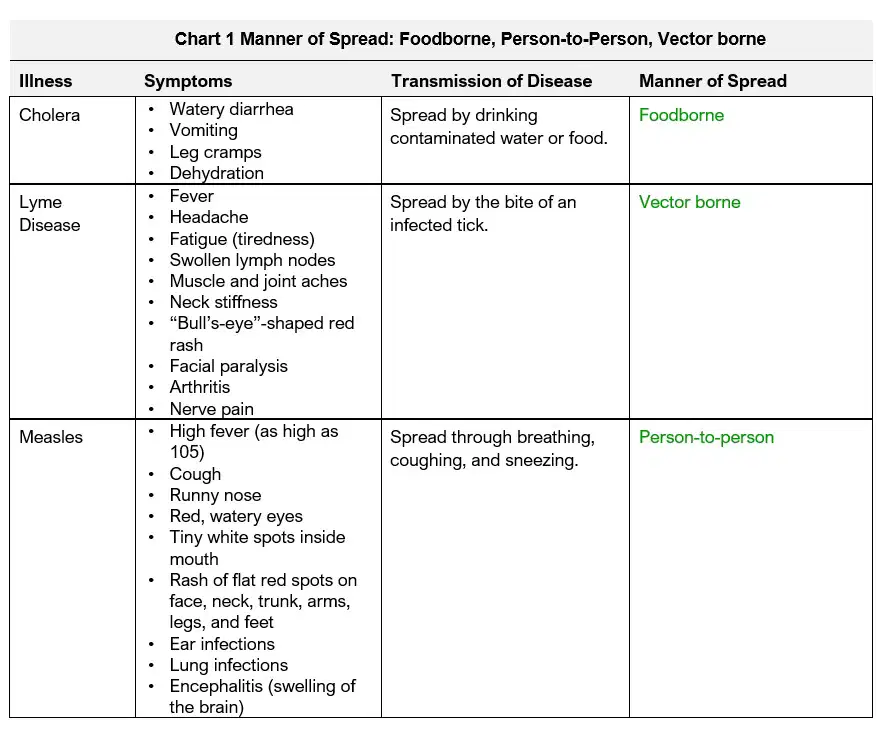
Match each illness with its manner of spread.
Cholera
Foodborne via contaminated water or food
Lyme disease
Vector-borne by infected tick bite
Measles
Person-to-person through breathing droplets
A patient reports pain, tingling, and numbness in the left foot. Movement is normal. Brain scans, Cerebral Spinal Fluid, and EMG are normal. Nerve conduction velocity tests are abnormal. Which structure is the most likely location of the problem?
Sensory neurons
Spinal cord
Motor neurons
Brain
Match the following descriptions with the correct scientific terms:
Constants
Conditions that stay the same
Independent Variable
The variable that is changed on purpose
Control
Represents the normal conditions
Hypothesis
An "If .... then prediction statement
Dependent Variable
The variable that we measure
What is the primary function of the kidneys in the human body?
Produce hormones
Filter blood
Store nutrients
Regulate temperature
What is the main function of the alveoli in the human respiratory system?
Filter air
Exchange gases
Produce mucus
Warm air
What is the study of the spread and origin of diseases?
Ethnology
Pathology
Zoology
Anatomy
Which of the following is NOT an infectious disease?
Influenza
AIDS
Cancer
Small Pox
“Microorganism that causes diseases”
The statement best describe?
Pathogen
Opportunistic pathogen
Normal Flora

Read and Analyze the question on the picture and answer correctly:
(a)

Match the image with the correct vocabulary word.

DNA
an organic chemical that carries all information of a living thing

Chromosome-
threadlike structures that carry information about the organism in units called genes

Cell-
the smallest unit with the basic properties of lifeand made of molecules

Homeostasis (the body's ability to maintain stable internal conditions) is the (a) of physiological variables within optimal ranges despite environmental changes.

