
Font size
 Worksheets
Catalytic Quiz - Plant Structure
Total questions: 10
Worksheet time: 6mins

This tissue rests at the center of vascular bundles, transporting water and dissolved minerals throughout plants via the process of transpiration.
Xylem
Phloem
Cambium
Stomata
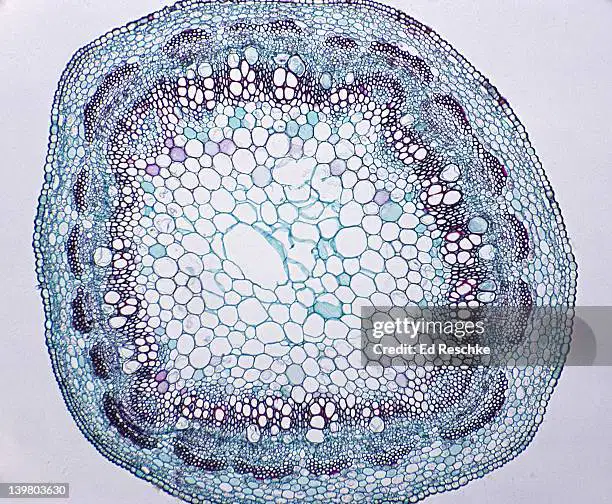
Biomolecules, such as hormones, or photosynthetically produced glucose are transported by (a) from their sites of production to the cells where they are used.
Plants both receive and create nutrients and molecules which they need to grow and maintain homeostasis. Which statement best describes the interactions between these organ systems?
Roots absorb water and diluted minerals, while leaves create carbohydrates, and vascular tissues carry both around the plant.
Leaves absorb water from the atmosphere, while roots practice photosynthesis to create proteins.
Stems absorb water from the soil, while roots store nutrients and molecules, leaves form lipids and xylem transports them back and forth.
Cambium cells undergo chemosynthesis to form carbohydrates, while stem cells rapidly practice meiosis.
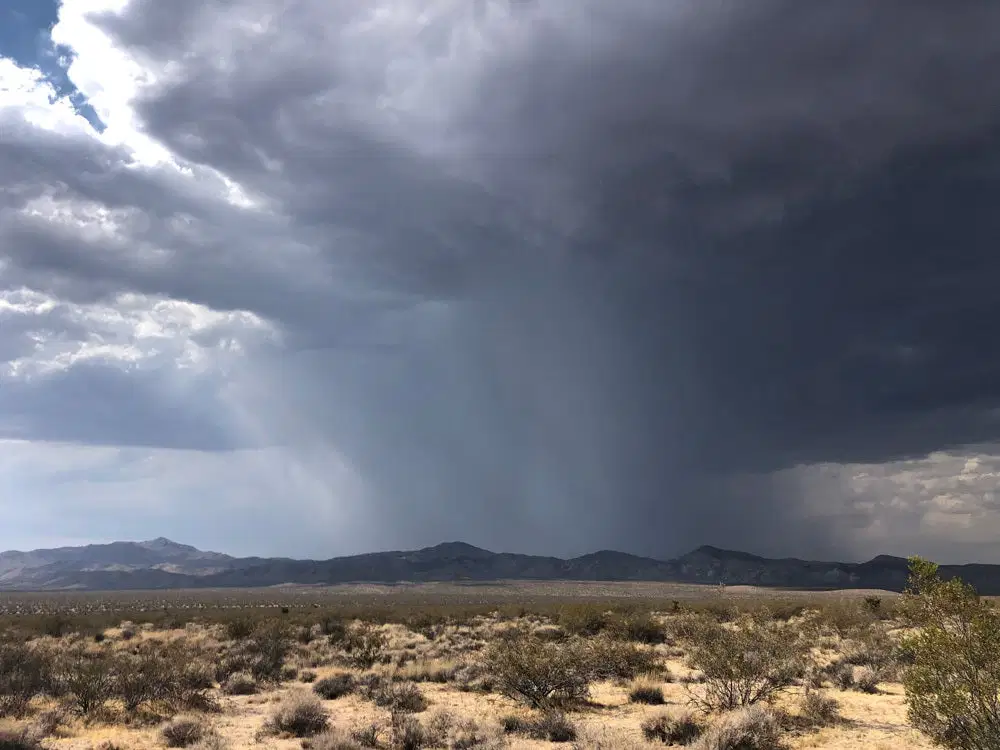
Rainfall is uncommon in arid environments, like deserts, where plants must take advantage of the infrequent resource.
When rainfall does dramatically occur, what is a likely growth strategy which plants take with structures to maximize the value of this sudden opportunity?
Plants prioritize the growth of deep tap roots to reach groundwater far below the surface
Plants emphasize stem and nutrient storing root growth to store large quantities of water
Plants focus on the growth of leaves to take up additional sunlight while the rainfalls
Plants increase mitosis cell division in their stems to immediately grow upward toward the falling rain
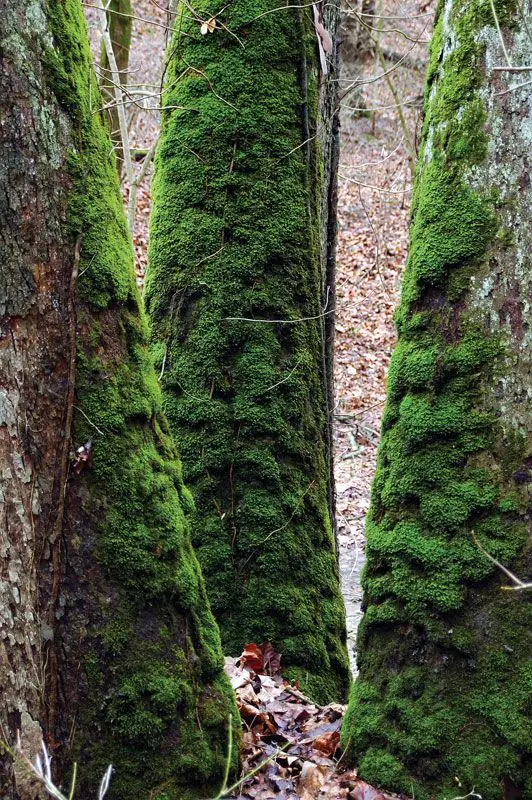
Bryophytes, such as the moss depicted in the picture, are a group of plants which grow on the surfaces of solid objects, rather than in soils with other plants.
Which structures (choose two) are most likely specialized in bryophytes to accommodate this life strategy?
Robust stems to reach up past other plants toward sunlight
Strong/broad roots to hold onto vertical or smooth surfaces
Large fruits or seeds to grow copious offspring
Abundant leaves to take advantage of directional access to sunlight
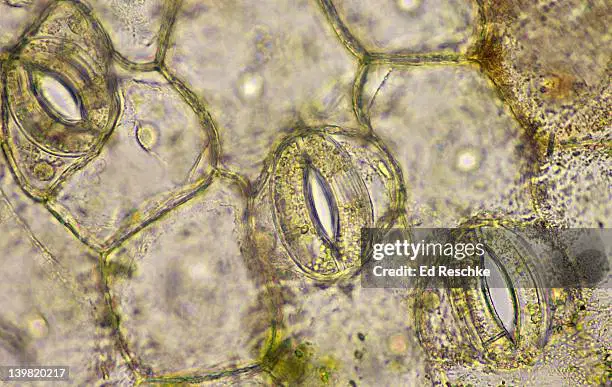
Stomata serve what purpose in the dermal layer of plant cells?
They control the temperature of inner environments by controlling how much sunlight can enter a plant
Stomata open and close to control the release of biomolecules from numerous cells
Stomata can close to ensure that pathogens do not enter the plant
They open to exchange gases, including the intake of CO2 and the release of water vapor
_____________ is the process of passively moving water upward through the xylem of a plant, first absorbed by the roots, then moving up through the stem, and finally being evaporated from the leaves.
Translocation
Transpiration
Immolation
Pattonation
_____________ is the process of moving biomolecules upward or downward through the living phloem of plants, transporting them to sink tissues where they will be used or stored for later use.
Transpiration
Translocation
Equination
Evapostranspiration

In response to light shining from a particular direction, a plant sends growth hormones to the site in which it needs to grow.
Through which tissue are these chemical messengers transported?
Xylem
Phloem
Pattonem
Gravem

Boabab trees have an especially high concentration of (a) , giving its structure great resilience, largely due to the great quantities of the carbohydrate cellulose and the protein lignin in this tissue.

