
 Worksheets
Understanding Injuries
Total questions: 50
Worksheet time: 26mins
What is an injury?
A mental condition caused by stress
Any physical harm or damage to the body caused by external forces
A disease caused by bacteria or viruses
A condition that only affects the skin
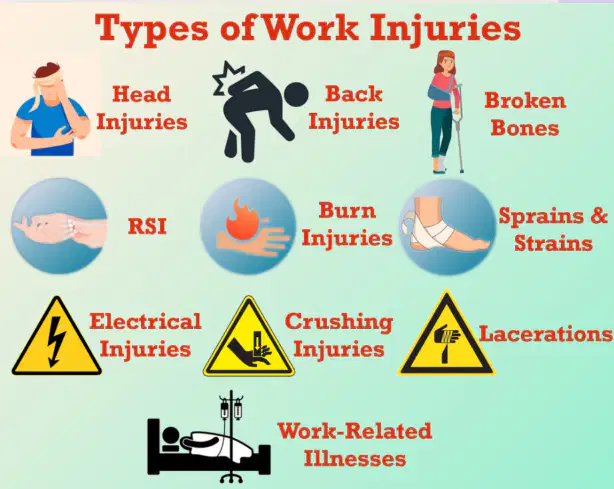
Which of the following is an example of a work-related injury?
Head injuries
Back injuries
Electrical injuries
All of the above
Which of the following is an example of an acute injury?
Shin Splints
Patella Tendonitis
Sprains
Heel Inflammation
What is a common cause of chronic injuries?
Traumatic events such as falls or blows
Repetitive motion or overuse of a body part over time
Sudden twists or fractures
Bruises from external impact
What is the first phase of injury healing called?
Remodeling Phase
Subacute Phase
Inflammation Phase
Regeneration Phase
What is the final phase of injury healing called?
Remodeling Phase
Subacute Phase
Inflammation Phase
Repair Phase

What is the timeframe for the inflammation phase?
0-3 days
0-7 days
7-14 days
14-21 days

Which of the following is a sign or symptom of the inflammation phase?
Heat
Coldness
Numbness
Weakness

What does vasodilation refer to during the inflammation phase?
Narrowing of blood vessels
Widening of blood vessels
Blockage of blood vessels
Constriction of blood vessels
What is inflammation?
A harmful response of the body to injury or infection
A protective response of the body to injury, infection, or irritation
A process that damages healthy cells
A reaction that prevents healing
Why is swelling important during inflammation?
It prevents the body from further injury
It alerts the body to damage
It protects the body from further injury
It eliminates toxins
What happens if the inflammatory response does not accomplish its purpose?
The body heals faster
Normal healing cannot take place
The body becomes immune to infections
The damaged cells regenerate immediately
How long can inflammation last?
A few hours
Days or weeks
A few minutes
Indefinitely
Which of the following best describes inflammation?
A protective mechanism that cushions the injured area
A complex biological response that helps repair damage
Characterized by increased size and volume
Caused by fluid accumulation
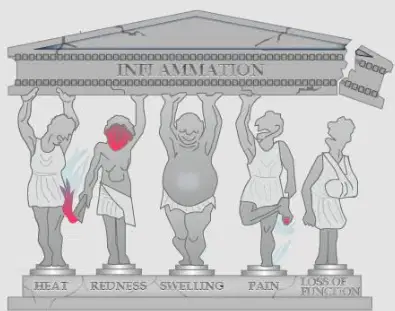
What causes redness in an inflamed area?
Blood vessels dilating in the area
Fluid accumulation in the area
Continuous pain in the area
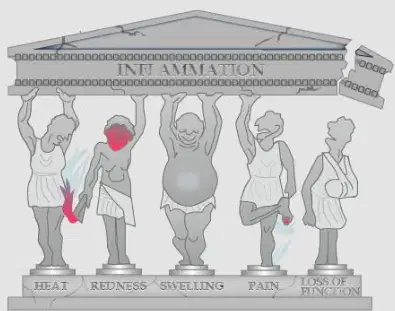
What is a possible consequence of inflammation that makes it difficult to perform normal activities?
Pain
Loss of function
Swelling
Redness
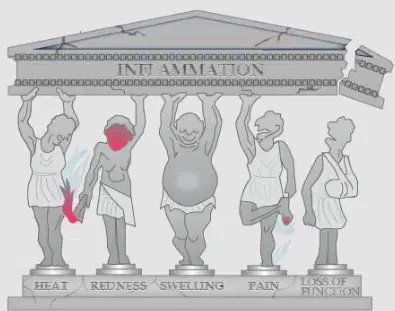
Which symptom of inflammation may occur continuously or when the affected area is touched?
Pain
Heat
Swelling
Redness
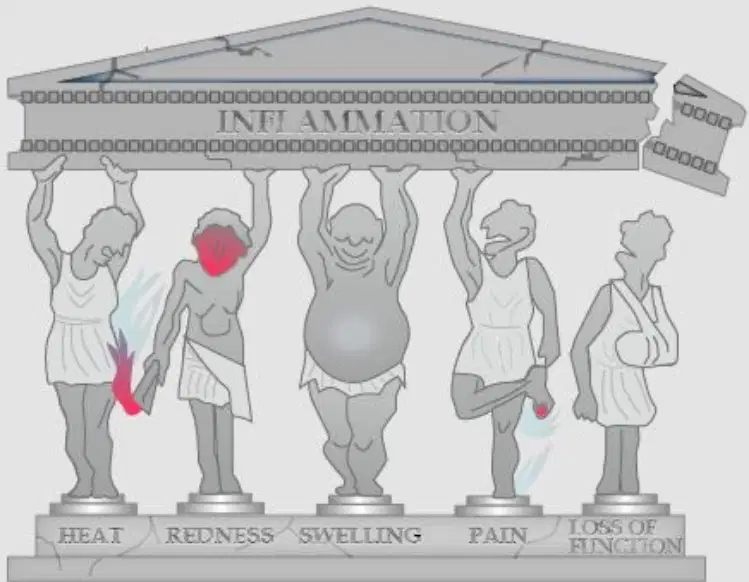
What are the five pillars of inflammation depicted in the image?
Heat, redness, swelling, pain, and loss of function
Heat, redness, swelling, pain, and fever
Heat, redness, swelling, pain, and infection
Heat, redness, swelling, pain, and rash
Which of the following is NOT a function of vasodilation during the inflammatory response?
Helps contain infection
Removes debris
Initiates tissue repair
Prevents platelets from forming a clot
What is another name for the Subacute Phase?
Repair and Regeneration phase
Inflammatory phase
Degeneration phase
Recovery phase
What improvement do patients typically experience during the Subacute Phase?
Increased range of motion and strength
Decreased range of motion and strength
No change in range of motion or strength
Complete recovery of all functions
What is the primary role of the immune system in the healing process?
Repairs movement and structure
Grows new tissue
Fights infection
Carries oxygen and nutrients
Which body system grows new tissue during the healing process?
Circulatory system
Immune system
Skin
Muscular/Skeletal system
Why is it important to expose injured structures to progressively increasing loads during rehabilitation?
To prevent the bone from healing.
To increase bone density and strength.
To reduce the bone's ability to remodel.
To weaken the bone for easier recovery.
What happens to bones when they experience less stress, such as during a period of inactivity?
Bones become stronger and denser.
Bones weaken and lose mass.
Bones remain unchanged.
Bones grow larger.
Which example demonstrates how repetitive stress can lead to stronger bones according to Wolff's law?
Astronauts experiencing microgravity
Weightlifters applying light loads
Athletes with thicker racquet-holding arms
Physical therapy for bone remodeling
What happens to astronauts' bones in microgravity according to Wolff's law?
Bones become stronger due to increased stress
Bones lose density due to lack of mechanical stress
Bones increase density due to heavy loads
Bones remodel due to controlled stress
Which example shows a minor injury that still fits the injury definition?
An uncharged phone battery
Feeling bored during a meeting
A safety policy
A small cut that causes bleeding
A warehouse employee twists an ankle while lifting a box. Which category fits best?
Work- related illnesses
Crushing injuries
Burn injuries
Sprains and Strains
A worker touches a live wire and gets shocked. Which injury type does this most likely represent?
Broken bones
Back injuries
Electrical injuries
Lacerations
Which statement best defines an acute injury?
A sudden injury caused by a traumatic event, like a fall
Pain that slowly appears after weeks of light activity
Tissue irritation that develops due to poor technique
A gradual problem from repetitive motion over time
Which example fits an acute injury?
Heel inflammation from improper technique
Contusion (bruise) from a single hard blow
Patella tendinitis after repeated jumping
Stress fracture from weeks of overuse
A basketball player twists an ankle during one play and feels sharp pain. What is the most likely injury type?
Chronic Injury
Acute injury
Which phase happens first after an injury and is mainly acute or immediate?
Subacute phase
Inflammation phase
Remodeling phase
What is the primary purpose of inflammation following injury or infection?
Hide symptoms from doctors
Increase body temperature overall
Prevent blood flow entirely
Protect and start healing
Which statement distinguishes swelling from inflammation accurately?
Swelling only hurts; inflammation never hurts
Swelling lasts for years; inflammation lasts minutes
Swelling is infection; inflammation is no infection
Swelling is fluid buildup; inflammation is complex response
What immediate effect does vasodilation have at a site of injury?
Increases local blood flow
Prevents debris removal
Decreases local blood flow
Blocks immune cell entry
A sprained ankle feels hot, looks red, and is swollen. Which two signs are most directly linked to increased blood flow from vasodilation?
Swelling and loss of function
Pain and loss of function
Swelling and pain
Heat and redness
Which sign of inflammation most directly explains difficulty using the affected area?
Swelling around tissues
Loss of function
Heat near the injury
Redness of the skin
What body process is active during the subacute phase to repair damage?
Laying down new soft tissue and blood vessels
Strengthening bones without tissue repair
Breaking down scar tissue only
Increasing swelling to protect the area
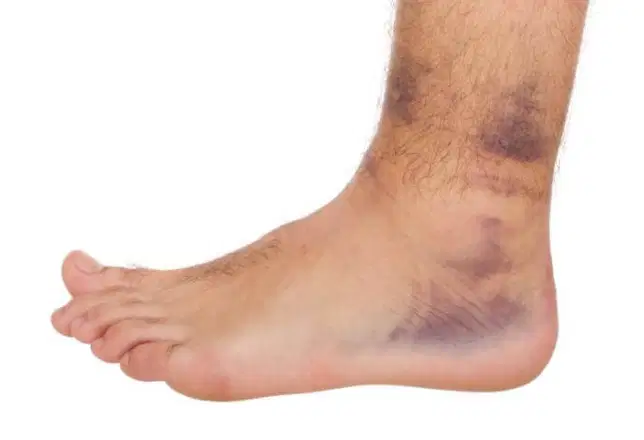
Look at the ankle image. Which change best indicates the subacute phase of healing for a sprain?
Redness spreads rapidly across the foot
Skin turns blue with severe new pain
Swelling increases sharply overnight
Bruising becomes lighter with less swelling
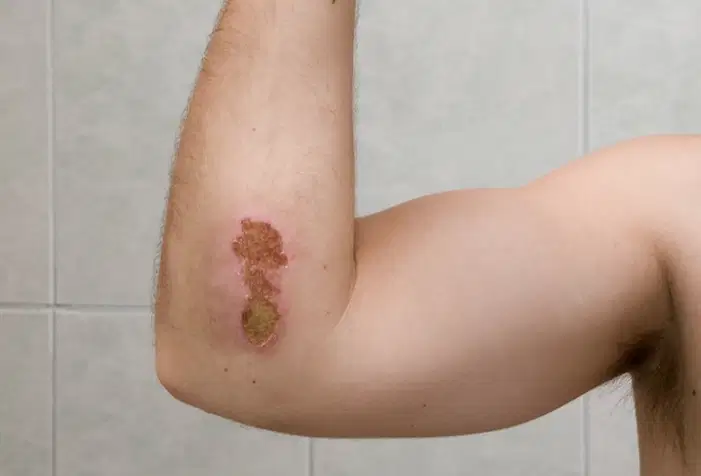
In the elbow wound images, what is the most expected development as healing progresses in the subacute phase?
Scab disappears leaving open tissue
Pus increases with rising fever
Fresh bleeding covers the wound area
Scab thickens while surrounding skin calms
Which statement best describes the remodeling (maturation) phase of healing?
It ends within a few days after the wound
It creates new blood vessels rapidly and briefly
It realigns collagen fibers and strengthens tissue
It is the initial clotting stage after injury
When does the remodeling phase typically begin and how long can it last?
Begins around week 3 and may last months
Begins month 6 and lasts one day
Begins day 1 and lasts one week
Begins after scab falls and last one hour
What are adhesions in the context of wound healing?
Blood clots and seal open vessels
New nerve ending formed in the scar
Scar tissue joining surfaces not usually connected
Extra skin cells that fall off during healing
Which change happens to the number of cells involved in healing during maturation
They spike only when scabs form
They stay constant throughout all phases
They decrease as tissue becomes more mature
They increase as tissue becomes more immature
Which statement best describes Wolff's Law?
Bone adapts to physical demands placed on it
Bones grow only until the end of puberty
Exercise changes muscle but not bone structure
Bones strengthen only from vitamins and minerals
During physical therapy, how is stress applied to bones?
Gradually and in a controlled manner
Never to avoid remodeling
Randomly without any planning
Suddenly with maximum intensity
Which statement about bone remodeling is accurate?
Bone changes only when fractures occur
Bone is living tissue that constantly adapts
Bone is inert tissue that never changes
Bone remodels only during childhood years
Match each phase of healing to what occurs during that stage
Inflammatory Phase
Acute/Immediate response; Vasodilation
Subacute Phase
Repair and Regenerate
Remodeling Phase
Maturation

