
 Worksheets
All about me – Reading, Grammar, and Listening (Grade 13)
Total questions: 150
Worksheet time: 1hrs 15mins
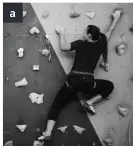
Reading. Skim the online forum. Write the correct name for photo a.
Maria
Derek
Anh
Anusha
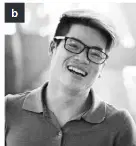
Reading. Skim the online forum. Write the correct name for photo b.
Maria
Derek
Anh
Anusha
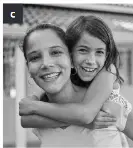
Reading. Skim the online forum. Write the correct name for photo c.
Maria
Derek
Anh
Anusha
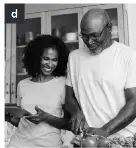
Reading. Skim the online forum. Write the correct name for photo d.
Maria
Derek
Anh
Anusha
Reading. Read the online forum again. Complete the sentence: ______ lives by the sea.
Maria
Derek
Anh
Anusha
Reading. Read the online forum again. Complete the sentence: ______ talks about food from their country.
Maria
Derek
Anh
Anusha
Reading. Read the online forum again. Complete the sentence: ______ studies computing.
Maria
Derek
Anh
Anusha
Reading. Read the online forum again. Complete the sentence: ______ and ______ like sports.
Maria
Derek
Anh
Anusha
Reading. Read the online forum again. Complete the sentence: ______ likes meeting people.
Maria
Derek
Anh
Anusha
Reading. Read the online forum again. Complete the sentence: ______ and ______ can’t cook.
Maria
Derek
Anh
Anusha
Reading. What is the main purpose of the posts? Tick the correct answer.
to give information about a course
to introduce themselves to other people
to review a cooking course
Learning to learn: Reading. Try the technique, then answer: Which text was easy to skim?
Maria’s post
Derek’s post
Anh’s post
Anusha’s post
Learning to learn: Reading. Try the technique, then answer: Which text was difficult?
Maria’s post
Derek’s post
Anh’s post
Anusha’s post
Learning to learn: Reading. Try the technique, then answer: What helped you to skim?
reading the texts quickly to find the main idea
making notes about the main idea
reading the texts again more slowly
finding different texts to practise skimming
Grammar – Adverbs of frequency. Rewrite the sentence using the adverb: I get up at 6 a.m. (every morning). Choose the best rewrite.
I get up at 6 a.m. every morning.
Every morning I am getting up at 6 a.m.
I am getting up every morning at 6 a.m.
I get up every morning at 6 a.m.
Grammar – Adverbs of frequency. Rewrite the sentence using the adverb: It’s easy for me to make new friends. (usually). Choose the best rewrite.
I usually find it easy to make new friends.
I’m usually finding it easy to make new friends.
Usually I am easy to make new friends.
It’s usually I make new friends easily.
Grammar – Adverbs of frequency. Rewrite the sentence using the adverb: Kevin goes to his chess club. (once a week). Choose the best rewrite.
Kevin goes to his chess club once a week.
Kevin is going to his chess club once a week.
Once a week Kevin is going to chess club.
Kevin once a week goes to his chess club.
Grammar – Adverbs of frequency. Rewrite the sentence using the adverb: Lena goes to the gym. (a lot). Choose the best rewrite.
Lena goes to the gym a lot.
Lena is going to the gym a lot.
A lot Lena goes to the gym.
Lena a lot goes to the gym.
Grammar – Adverbs of frequency. Rewrite the sentence using the adverb: I forget to do my homework. (rarely). Choose the best rewrite.
I rarely forget to do my homework.
I’m rarely forgetting to do my homework.
Rarely I am forgetting my homework.
I forget rarely to do my homework.
Grammar – Adverbs of frequency. Rewrite the sentence using the adverb: They are pleased to see me. (always). Choose the best rewrite.
They are always pleased to see me.
They always are pleased to see me.
They are pleased always to see me.
They’re always being pleased to see me.

Grammar – Adverbs of frequency. Bibi does the same activities every week. Look at her schedule and complete the sentence with the correct frequency word: Bibi ______ gets up early during the week.
always
never
once a week
several times a week
twice a week

Grammar – Adverbs of frequency. Bibi does the same activities every week. Look at her schedule and complete the sentence with the correct frequency word: She ______ goes to the gym on Thursdays.
always
never
once a week
several times a week
twice a week

Grammar – Adverbs of frequency. Bibi does the same activities every week. Look at her schedule and complete the sentence with the correct frequency word: She cleans the house ______.
always
never
once a week
several times a week
twice a week

Grammar – Adverbs of frequency. Bibi does the same activities every week. Look at her schedule and complete the sentence with the correct frequency word: She studies English ______.
always
never
once a week
several times a week
twice a week

Grammar – Adverbs of frequency. Bibi does the same activities every week. Look at her schedule and complete the sentence with the correct frequency word: She sees friends ______.
always
never
once a week
several times a week
twice a week
Listening 1.11. You are going to listen to people talk about what makes them feel good. Match the topics with the person who talks about them: dancing, exercise, friends, cooking good, making things. Ally.
dancing
exercise
friends
cooking good
making things
Listening 1.11. You are going to listen to people talk about what makes them feel good. Match the topics with the person who talks about them: dancing, exercise, friends, cooking good, making things. Manuel.
dancing
exercise
friends
cooking good
making things
Listening 1.11. You are going to listen to people talk about what makes them feel good. Match the topics with the person who talks about them: dancing, exercise, friends, cooking good, making things. Viktor.
dancing
exercise
friends
cooking good
making things
Listening 1.11. You are going to listen to people talk about what makes them feel good. Match the topics with the person who talks about them: dancing, exercise, friends, cooking good, making things. Lin.
dancing
exercise
friends
cooking good
making things
Listening 1.11. You are going to listen to people talk about what makes them feel good. Match the topics with the person who talks about them: dancing, exercise, friends, cooking good, making things. Erica.
dancing
exercise
friends
cooking good
making things
Listening 1.12. Listen again. Complete the sentence: Dancing to my favourite song makes me feel ______.
happy
tired
hungry
confused
Listening 1.12. Listen again. Complete the sentence: This party is in a nice restaurant, so the right shirt ______.
looks smart
smells nice
sounds loud
feels cold
Listening 1.12. Listen again. Complete the sentence: I always feel absolutely ______ after a really good basketball game.
exhausted
bored
sleepy
lonely
Listening 1.12. Listen again. Complete the sentence: I’m happiest when I’m with my friends. I’m always in a ______ mood when I’m with them.
good
bad
serious
nervous
Listening 1.12. Listen again. Complete the sentence: I love drawing and painting because it ______ me.
relaxes
frightens
confuses
hurts
Grammar – Present simple and present continuous. Choose the correct option to complete the sentence: I rarely drink / I’m rarely drinking coffee in the morning.
I rarely drink
I’m rarely drinking
Grammar – Present simple and present continuous. Choose the correct option to complete the sentence: Are you usually feeling / Do you usually feel confident?
Are you usually feeling
Do you usually feel
Grammar – Present simple and present continuous. Choose the correct option to complete the sentence: Rekha’s enjoying / enjoys her holiday in Honduras at the moment.
Rekha’s enjoying
Rekha enjoys
Grammar – Present simple and present continuous. Choose the correct option to complete the sentence: Manoj goes / is going to the gym four or five times a week.
Manoj goes
Manoj is going
Grammar – Present simple and present continuous. Choose the correct option to complete the sentence: What time do Cass and Rakhi usually leave / are Cass and Rakhi usually leaving the house?
do Cass and Rakhi usually leave
are Cass and Rakhi usually leaving
Grammar – Present simple and present continuous. Choose the correct option to complete the sentence: I’m not joking / I don’t joke. Look out the window. It’s really snowing!
I’m not joking
I don’t joke
Grammar – Present simple and present continuous. Put the words in the correct order: living in / Santiago / we / are / moment / the / at.
We are living in Santiago at the moment.
At the moment we living are in Santiago.
We at the moment are living in Santiago.
We are at the moment living Santiago in.
Grammar – Present simple and present continuous. Put the words in the correct order: how often / go / do / you / beach / the / to / ?
How often do you go to the beach?
How often you go do to the beach?
How often are you going to the beach?
Do you how often go to the beach?
Grammar – Present simple and present continuous. Put the words in the correct order: right / what / you / are / doing / now / ?
What are you doing right now?
What you are doing right now?
What are you doing now right?
Right now what are you doing?
Grammar – Present simple and present continuous. Put the words in the correct order: park / every / night / I / run / around / the / usually.
I usually run around the park every night.
I run usually around the park every night.
Every night I usually run around the park.
Usually I run every night around the park.
Grammar – Present simple and present continuous. Put the words in the correct order: Shh! / on / the / talking / phone / I / are / .
Shh! I’m talking on the phone.
Shh! I talking on the phone.
Shh! I am talk on the phone.
Shh! I’m on talking the phone.
Grammar – Present simple and present continuous. Put the words in the correct order: takeaway / order / food / a / week / we / twice / once / or.
We order takeaway food once or twice a week.
We order food takeaway once or twice week a.
We once or twice a week order takeaway food.
Once or twice a week we are ordering takeaway food.
Grammar – Present simple and present continuous. Complete the conversation with the correct form of the verbs: A: Let’s go! We 1 ______ (be) late! Why 2 ______ (you / wear) those? B: Oh! These? They 3 ______ (be) my favourite trainers. A: They 4 ______ (not look) great for hiking! I 5 ______ (wear) hiking boots. B: I 6 ______ (not have) hiking boots. 7 ______ (you / think) I need them? A: Yes, I do! It 8 ______ (be) dangerous to go hiking in trainers. What size 9 ______ (be) you? B: I usually 10 ______ (wear) a size 7. A: Perfect! Put these on, then let’s go! Joe 11 ______ (wait) for us! B: Oh look! He’s outside! And he 12 ______ (not wear) boots!
1 are; 2 are you wearing; 3 are; 4 don’t look; 5 am wearing; 6 don’t have; 7 do you think; 8 is; 9 are; 10 wear; 11 is waiting; 12 isn’t wearing
1 is; 2 do you wear; 3 is; 4 aren’t looking; 5 wear; 6 doesn’t have; 7 are you thinking; 8 be; 9 is; 10 wears; 11 waits; 12 doesn’t wear
1 are; 2 do you wear; 3 are; 4 don’t look; 5 wear; 6 haven’t; 7 you think; 8 is; 9 are; 10 wearing; 11 are waiting; 12 not wearing
Learning to learn: Grammar. Use the tips in the box, then answer: What was difficult or easy for you about this technique?
understanding when to use present simple vs present continuous was difficult
choosing examples of tenses was difficult
writing in the past tense was difficult
remembering vocabulary was difficult
Learning to learn: Grammar. Use the tips in the box, then answer: How useful was the technique? Do you think you will use it again?
It was useful and I will use it again.
It was useful but I will not use it again.
It was not useful and I will not use it again.
It was not useful but I will use it again.
Read the article quickly. What is a memory palace? Tick the correct answer.
A way to remember things by seeing them in your mind.
A way to use pictures to help you remember things.
A way to remember things by closing your eyes and imagining places that you know well.
Read the article again. In the steps for building a memory palace, what is the correct position for this instruction: Think of somewhere you know well. Close your eyes. Imagine that you’re moving between each object in the room.
1
2
3
4
5
Read the article again. In the steps for building a memory palace, what is the correct position for this instruction: Choose an object. Add some information to it.
1
2
3
4
5
Read the article again. In the steps for building a memory palace, what is the correct position for this instruction: Move to the next object and add some information. Continue the process with different information and different objects.
1
2
3
4
5
Find a synonym in the article for the word brain (n). Choose the synonym used in the text.
mind
head
memory
intellect
Read the sentences (a–d) from the article. Decide which sentences give names, research or information that you can check. Select all that apply.
Sentence a
Sentence b
Sentence c
Sentence d
Write the past tense form of the verb have.
had
haved
have
Complete the text with the correct past form. Choose the correct verb form for the blank: When I ___ (be) a child, my family ___ (usually / not go) on summer holidays.
was; didn’t usually go
were; didn’t usually went
Listen to the conversation extracts and complete the sentence with a personality adjective from: confident, creative, friendly, honest, patient, reliable, serious. The second woman is _________.
confident
friendly
honest
serious
Listen to the conversation extracts and complete the sentence with a personality adjective from: confident, creative, friendly, honest, patient, reliable, serious. Carla is _________.
friendly
patient
creative
reliable
Listen to the conversation extracts and complete the sentence with a personality adjective from: confident, creative, friendly, honest, patient, reliable, serious. Maria is _________.
confident
honest
serious
creative
Listen to the conversation extracts and complete the sentence with a personality adjective from: confident, creative, friendly, honest, patient, reliable, serious. The man is _________.
reliable
patient
confident
serious
Listen to the conversation extracts and complete the sentence with a personality adjective from: confident, creative, friendly, honest, patient, reliable, serious. The man is _________.
honest
creative
reliable
friendly
Listen to the conversation extracts and complete the sentence with a personality adjective from: confident, creative, friendly, honest, patient, reliable, serious. Marta is _________.
creative
patient
serious
friendly
Listen to the conversation extracts and complete the sentence with a personality adjective from: confident, creative, friendly, honest, patient, reliable, serious. The man is _________.
reliable
patient
friendly
honest
Complete the definition with the correct school subject. ________: learning about the past. Options: art, biology, chemistry, drama, geography, history, IT, maths, PE, physics.
history
geography
art
biology
Complete the definition with the correct school subject. ________: computers, internet and technology. Options: art, biology, chemistry, drama, geography, history, IT, maths, PE, physics.
IT
physics
PE
chemistry
Complete the definition with the correct school subject. ________: using numbers. Options: art, biology, chemistry, drama, geography, history, IT, maths, PE, physics.
maths
physics
chemistry
IT
Complete the definition with the correct school subject. ________: acting, dancing and singing. Options: art, biology, chemistry, drama, geography, history, IT, maths, PE, physics.
drama
art
history
PE
Complete the definition with the correct school subject. ________: the study of places around the world. Options: art, biology, chemistry, drama, geography, history, IT, maths, PE, physics.
geography
history
biology
physics
Complete the definition with the correct school subject. ________: drawing, painting and photography. Options: art, biology, chemistry, drama, geography, history, IT, maths, PE, physics.
art
drama
PE
chemistry
Complete the definition with the correct school subject. ________: the science of living things. Options: art, biology, chemistry, drama, geography, history, IT, maths, PE, physics.
biology
physics
chemistry
IT
Complete the definition with the correct school subject. ________: the science of different substances, e.g. water. Options: art, biology, chemistry, drama, geography, history, IT, maths, PE, physics.
chemistry
biology
physics
IT
Complete the definition with the correct school subject. ________: sports and exercise. Options: art, biology, chemistry, drama, geography, history, IT, maths, PE, physics.
PE
art
physics
history
Complete the definition with the correct school subject. ________: the science of energy. Options: art, biology, chemistry, drama, geography, history, IT, maths, PE, physics.
physics
chemistry
maths
IT
Complete the text with the correct present simple or present continuous form of the verb. Tell us about yourself! Who ________ (be) you?
is
are
am
Complete the text with the correct present simple or present continuous form of the verb. What ________ (do) at the moment?
do you
are you doing
you are doing
Complete the text with the correct present simple or present continuous form of the verb. What ________ (like) doing in your free time?
do you like
are you liking
you like
Complete the text with the correct present simple or present continuous form of the verb. My name is Francisco. I ________ (be) a salesperson from Salvador, in Brazil.
is
am
are
Complete the text with the correct present simple or present continuous form of the verb. I ________ (usually / travel) a lot for my work, but today, I ________ (work) at home.
usually travel
am usually travelling
am working
work
Complete the text with the correct present simple or present continuous form of the verb. After work, I ________ (often / play) computer games with my friends online.
often play
am often playing
play often
Complete the text with the correct present simple or present continuous form of the verb. My best online friend is Hossein. He ________ (usually / be / friendly), but he is very serious about computer games.
usually is friendly
is usually friendly
is friendly usually
Complete the text with the correct present simple or present continuous form of the verb. He ________ (not like) it when he loses!
doesn't like
isn't liking
don't like
Complete the text with the correct present simple or present continuous form of the verb. Right now, I ________ (practise) a game so I can win!
practise
am practising
practises
Choose the correct option to complete the sentence. ______ a good student?
You were
Were you
You are
Choose the correct option to complete the sentence. I ______ the door after I got home.
was lock
locked
lock
Choose the correct option to complete the sentence. ______ practise new vocabulary?
When you
When you do
When do you
Choose the correct option to complete the sentence. She ______ his phone number.
not know
didn't knew
didn't know
Choose the correct option to complete the sentence. ______ live in Kuwait?
He does
Do he
Does he
Choose the correct option to complete the sentence. We ______ the new memory tips last night.
try
tries
tried

Read the social media posts quickly. Which is the best question for the posts? Tick the correct answer.
Who are you? Tell us about yourself.
How good is your memory?

Read the posts again. Answer with a name from the posts: Who works at a university?
Ari
Hieu
Lucia

Read the posts again. Answer with a name from the posts: Who got a bad result in a test?
Ari
Hieu
Lucia

Read the posts again. Answer with a name from the posts: Who teaches languages?
Ari
Hieu
Lucia

Read the posts again. Answer with a name from the posts: Who doesn't have a job?
Ari
Hieu
Lucia

Read the posts again. Answer with a name from the posts: Who uses music to remember things?
Ari
Hieu
Lucia

Read the posts again. Answer with a name from the posts: Who uses pictures to remember things?
Ari
Hieu
Lucia
Listen to the information. What is the speaker talking about?
social media profiles
staying safe online
Listen again. Complete the advice: Staying safe online is really ______.
difficult
important
rare
boring
Listen again. Complete the advice: People spend ______ hours and fifteen minutes on social media a day.
one
two
three
four
Listen again. Complete the advice: Don't use easy passwords with your ______, date of birth or 'password123'.
name
favorite color
address
pet's name
Listen again. Complete the advice: In your password, use a mix of numbers and ______, and use different passwords for every website.
letters
emojis
spaces
pictures
Listen again. Complete the advice: To be safe on social media sites, keep your profiles ______ and be careful with the information you share.
public
private
funny
short
Listen again. Complete the advice: Don't give your ______ information or passwords to people you don't know.
financial
personal
school
work
Listen and circle the word the speaker stresses: I am so happy to see you! Which word is stressed?
am
happy
see
you
Listen and circle the word the speaker stresses: That's a really difficult password. Which word is stressed?
really
difficult
password
that's
Listen and circle the word the speaker stresses: It's very cold today. Wear a jacket. Which word is stressed?
cold
today
Wear
jacket
Listen and circle the word the speaker stresses: She definitely wants to come! Which word is stressed?
definitely
wants
come
She
Listen and notice how the -ed ending is pronounced. For the word arrived, choose the correct pronunciation of -ed.
/t/
/d/
/ɪd/
Listen and notice how the -ed ending is pronounced. For the word asked, choose the correct pronunciation of -ed.
/t/
/d/
/ɪd/
Listen and notice how the -ed ending is pronounced. For the word danced, choose the correct pronunciation of -ed.
/t/
/d/
/ɪd/
Listen and notice how the -ed ending is pronounced. For the word hated, choose the correct pronunciation of -ed.
/t/
/d/
/ɪd/
Listen and notice how the -ed ending is pronounced. For the word played, choose the correct pronunciation of -ed.
/t/
/d/
/ɪd/
Listen and notice how the -ed ending is pronounced. For the word started, choose the correct pronunciation of -ed.
/t/
/d/
/ɪd/
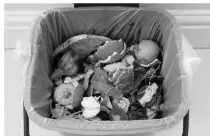
Read the blog post. What problem with food does it mention? Tick the correct answer.
food waste
the cost of food
unhealthy food
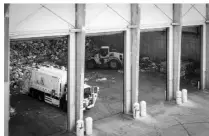
Read the blog post. Number the paragraph headings in the order the text is organized. Choose the position for each heading: The problem with food waste; Things companies do with food waste; One thing everyone can do about food waste; My reasons for researching food waste.
first
second
third
fourth
Read the blog post again. Decide if this sentence about the blog post is correct: 700 million people live on the planet.
True
False
Read the blog post again. Decide if this sentence about the blog post is correct: 23 million tonnes of food goes in the bin every year.
True
False
Read the blog post again. Decide if this sentence about the blog post is correct: There is more plastic waste than food waste in the US.
True
False
Read the blog post. Decide if this statement is true according to the text: Some companies use food waste for energy.
True
False

Read the blog post. Decide if this statement is true according to the text: Some food packets are made from food.
True
False
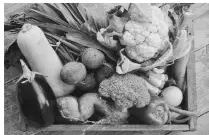
Read the blog post. Decide if this statement is true according to the text: There is an app to tell people where to get food for no money.
True
False
Look at the sentences about the writer. Match the information with each sentence. He’s a food blogger.
He did research about food waste.
He uses an app to order food and he blogs.
He writes recipes and blog posts about food.
He made curry.
He cooks for friends and writes recipes.
Look at the sentences about the writer. Match the information with each sentence. He’s comfortable with technology.
He did research about food waste.
He uses an app to order food and he blogs.
He writes recipes and blog posts about food.
He made curry.
He cooks for friends and writes recipes.
Look at the sentences about the writer. Match the information with each sentence. He likes spicy food.
He did research about food waste.
He uses an app to order food and he blogs.
He writes recipes and blog posts about food.
He made curry.
He cooks for friends and writes recipes.
Look at the sentences about the writer. Match the information with each sentence. He’s good at cooking.
He did research about food waste.
He uses an app to order food and he blogs.
He writes recipes and blog posts about food.
He made curry.
He cooks for friends and writes recipes.
Look at the sentences about the writer. Match the information with each sentence. He cares about the environment.
He did research about food waste.
He uses an app to order food and he blogs.
He writes recipes and blog posts about food.
He made curry.
He cooks for friends and writes recipes.
Grammar – Past simple and past continuous. Choose the correct option to complete the sentence: She didn’t check her phone while she was eating / ate breakfast.
was eating
ate
Grammar – Past simple and past continuous. Choose the correct option to complete the question: Was she working as a chef when you both met / were meeting?
met
were meeting
Grammar – Past simple and past continuous. Choose the correct option to complete the sentence: They were running when they were seeing / saw her in the street.
were seeing
saw
Grammar – Past simple and past continuous. Choose the correct option to complete the sentence: While Christine was working / worked there, the food was always brilliant.
was working
worked
Grammar – Past simple and past continuous. Choose the correct option to complete the sentence: When I was dropping / dropped my plate, everyone in the café turned around.
was dropping
dropped
Grammar – Past simple and past continuous. Choose the correct option to complete the sentence: Pau didn’t try / wasn’t trying the local food while he was living in the UK.
didn’t try
wasn’t trying
Correct the mistakes in the sentence: While we was waiting for our food, the concert started.
While we were waiting for our food, the concert started.
While we was waiting for our food, the concert started.
While we waited for our food, the concert was starting.
Correct the mistakes in the sentence: Casey was walk home when he got the news.
Casey was walking home when he got the news.
Casey walked home when he was getting the news.
Casey was walk home when he got the news.
Correct the mistakes in the sentence: She weren’t living in Eritrea when she had the baby.
She wasn’t living in Eritrea when she had the baby.
She didn’t live in Eritrea when she was having the baby.
She weren’t living in Eritrea when she had the baby.
Correct the mistakes in the sentence: My sister was cutting her finger while she was chopping vegetables.
My sister cut her finger while she was chopping vegetables.
My sister was cutting her finger while she chopped vegetables.
My sister was cutting her finger while she was chopping vegetables.
Correct the mistakes in the sentence: He was eating lunch when she was getting home.
He was eating lunch when she got home.
He ate lunch when she is getting home.
He was eating lunch when she was getting home.
Correct the mistakes in the sentence: While my sisters looked for dried fish, they saw the spicy tofu.
While my sisters were looking for dried fish, they saw the spicy tofu.
My sisters looked for dried fish while they were seeing the spicy tofu.
While my sisters looked for dried fish, they were seeing the spicy tofu.
Correct the mistakes in the sentence: I was making spicy soup and I was used too much chilli.
I was making spicy soup and I used too much chilli.
I was making spicy soup and I was using too much chilli.
I was making spicy soup and I was used too much chilli.
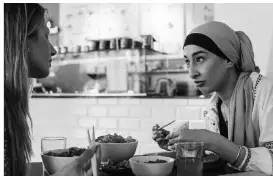
Complete the text with the past simple or continuous form of the verbs: I ______ (have) a total disaster meal for my sister’s birthday last weekend.
was having
had
have
Complete the text with the past simple or continuous form of the verbs: I ______ (cook) a special meal to make her favourite pasta dish.
cooked
was cooking
had cooked
Complete the text with the past simple or continuous form of the verbs: I ______ (prepare) everything carefully.
was preparing
prepared
prepare
Complete the text with the past simple or continuous form of the verbs: and ______ (start) cooking.
started
was starting
start
Complete the text with the past simple or continuous form of the verbs: But while I ______ (make) the sauce, someone ______ (call) me.
was making
made
was calling
called
Complete the text with the past simple or continuous form of the verbs: I ______ (not pay) attention to the sauce while I was on the phone and the tomatoes ______ (get) burned.
wasn’t paying
didn’t pay
were getting
got
Complete the text with the past simple or continuous form of the verbs: The result was horrible and we ______ (decide) to go out for dinner.
decided
were deciding
decide
Pronunciation – Understanding weak forms (was and were). Read the dialogue and choose which word is pronounced with the strong form. A: Were you at the supermarket yesterday afternoon? B: No, I wasn’t.
Were (strong)
wasn’t (strong)
Pronunciation – Understanding weak forms (was and were). Read the sentence and choose which word is pronounced with the strong form. We were driving and we think we saw you.
were (strong)
were (weak)
Pronunciation – Understanding weak forms (was and were). Read the dialogue and choose which word is pronounced with the strong form. A: I think you were listening to music! B: I wasn’t.
were (strong)
wasn’t (strong)