
 Worksheets
Unit 105 Transport, structure and services Highways
Total questions: 35
Worksheet time: 18mins
A/Trunk roads typically serve which purpose?
Major roads between towns and cities
Three-lane routes avoiding built-up areas
Minor roads for small villages only
Dedicated paths for cycling and walking
Which two statements correctly identify features of A/Trunk roads?
They are limited to unclassified local roads
They are always three lanes wide
They connect towns and cities directly
They can be single or dual carriageways
B and unclassified roads are best described as what?
Minor roads serving smaller towns and villages
Major roads connecting all parts of the UK
Dedicated three-lane routes for freight
UK-wide network for cycling and walking
Which feature can B and unclassified roads include?
Run only alongside A and B roads
Deep-water access for large tankers
Always three lanes with hard shoulders
Range from dual carriageways to single lanes
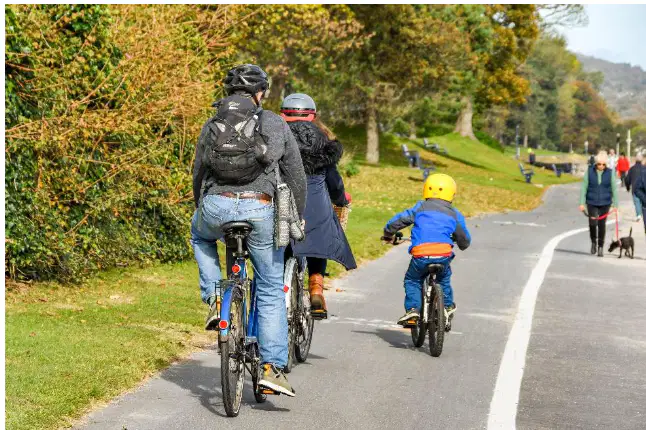
Where can cycle paths be located relative to road networks?
Attached to single-lane unclassified roads only
Exclusively inside deep-water ports
Only within motorway central reservations
Alongside A/B roads or as separate paths
Which combination correctly matches mode with typical function?
Roads: link towns, airports, docks
Rail: links cities to docks and airports
Air: links regional and international destinations
Water: deep ports for large ships and tankers
Which statement best defines a bridge in construction engineering?
Earthwork embankment supporting rail track
Series of arches carrying water across valleys
Structure storing water for distribution networks
Structure crossing obstacles without affecting them
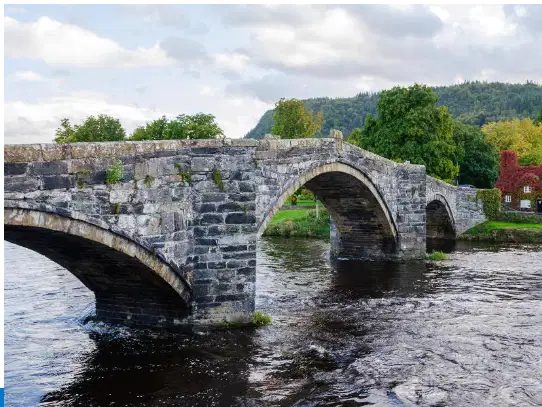
Identify the primary structural form shown in the left image: stone arches spanning a river.
Arch bridge using compressive action
Beam bridge with continuous girders
Suspension bridge with main cables
Cantilever bridge with balanced arms
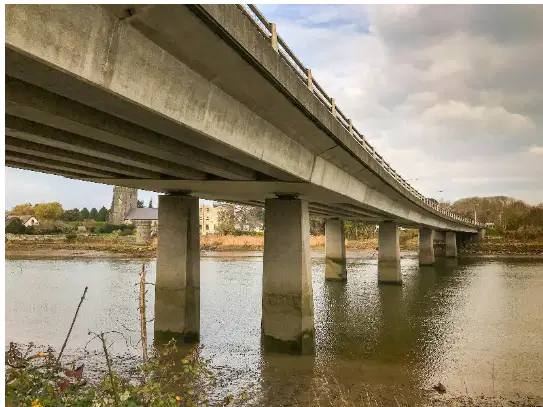
Which option describes a beam bridge like the road bridge in Cardigan?
Trussed cantilevers anchored at piers
Main cables carrying deck via hangers
Curved masonry relying on arch thrust
Horizontal members transferring loads to piers
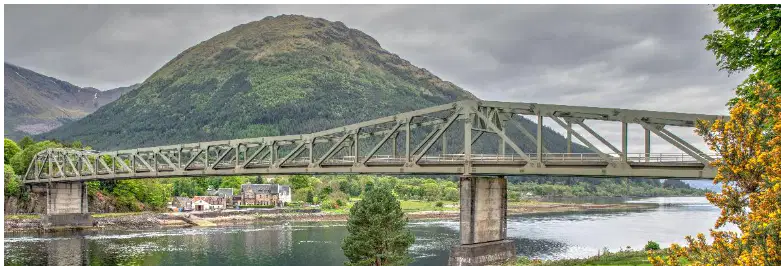
Select the correct characteristics of a truss bridge, similar to Ballachulish Bridge.
Deck suspended solely by main cables
Load distribution through tension and compression
Triangulated members forming rigid framework
Masonry arches resisting primarily compression
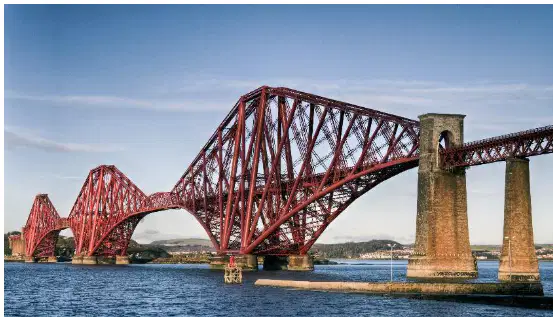
Which statement fits a cantilever bridge such as the Forth Bridge?
Projecting arms anchored at supports balance loads
Closed stone arches push into abutments
Deck hangs entirely from flexible main cables
Straight beams simply supported between piers
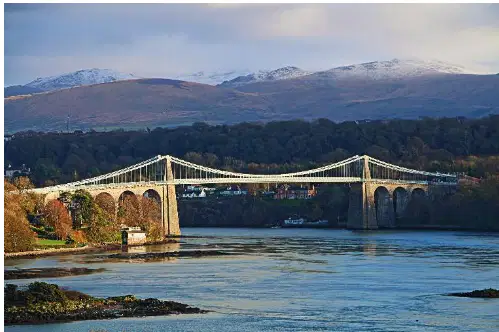
In a suspension bridge like the Menai Suspension Bridge, how is the deck primarily supported?
Hangers connected to main cables over towers
Solid arches distributing thrust to abutments
Precast beams resting on multiple piers
Triangular truss transferring loads to piers
Which definition correctly distinguishes a viaduct?
Long bridge-like structure with series of arches
Dam structure retaining water in a reservoir
Temporary scaffold for construction works
Water conduit carrying supply to distribution
What is the principal function of an aqueduct in civil works?
Transport water from source to supply areas
Carry rail or road across deep valleys
Support decks using cantilevered arms
Divert rivers during foundation works
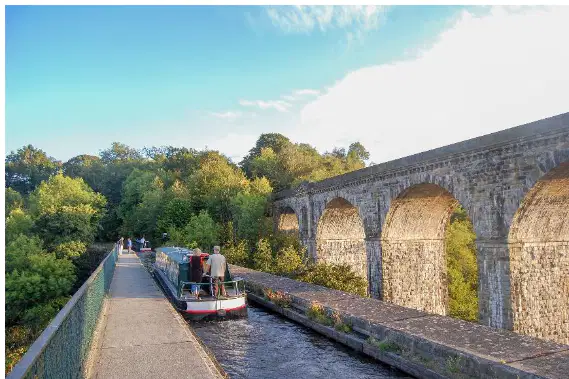
Canals often include aqueducts. What purpose do they serve in canal systems?
Ventilate confined sections of the canal
Store excess canal water during floods
Allow canals to cross valleys or low areas
Provide towing paths beside the canal
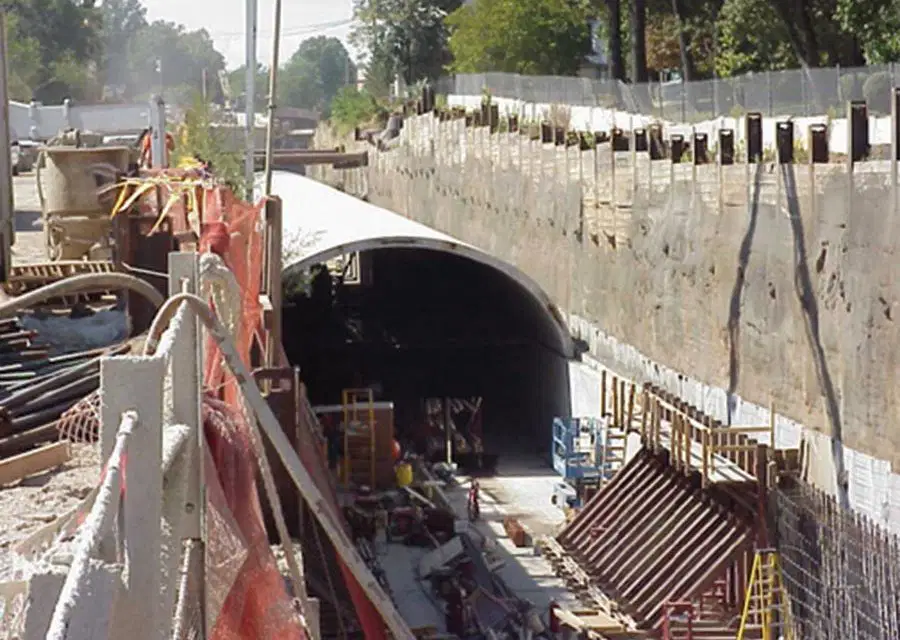
Which method is best for a shallow tunnel beneath a street where excavation from the surface is acceptable?
TBM assembled inside trench
Immersed tube floated then sunk
Bored using deep drill and lining
Cut and covered using surface excavation

In a bored tunnel, what sequence is typical to create the passage?
Drill through ground then line tube
Excavate trench then back-fill top
Float prefabricated tube then sink
Cast concrete arch then remove soil

Which statement correctly describes an immersed tube tunnel?
Excavated trench is roofed then filled
A rotating TBM cuts rock and soil
Prefabricated sections are floated and sunk
Microtunnels are jacked from launch shafts
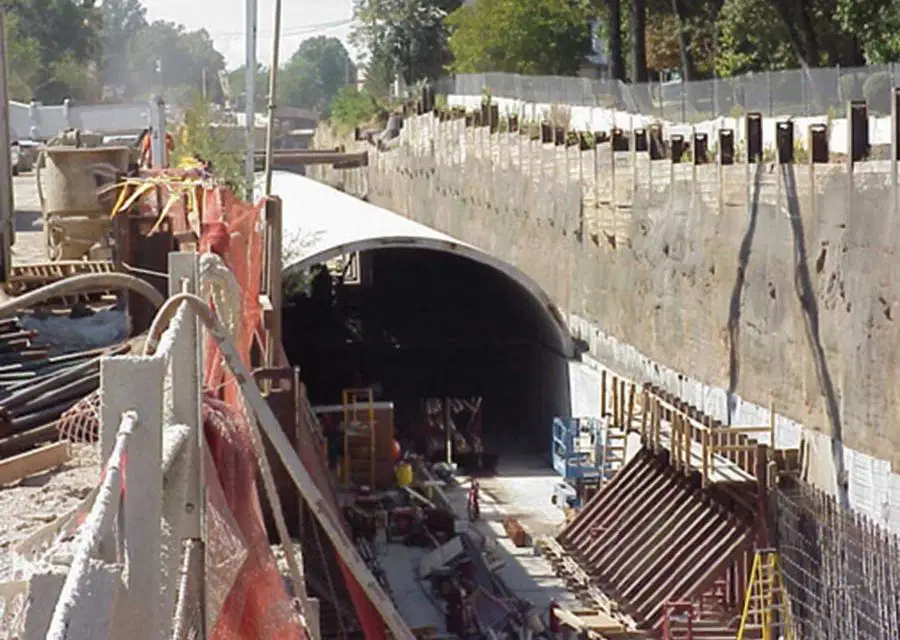
Which site condition most favors using a cut-and-cover tunnel rather than a TBM?
Crossing under tidal strait at 40 m depth
Long route beneath city with minimal disruption
Very deep rock with limited surface access
Shallow depth with available surface access
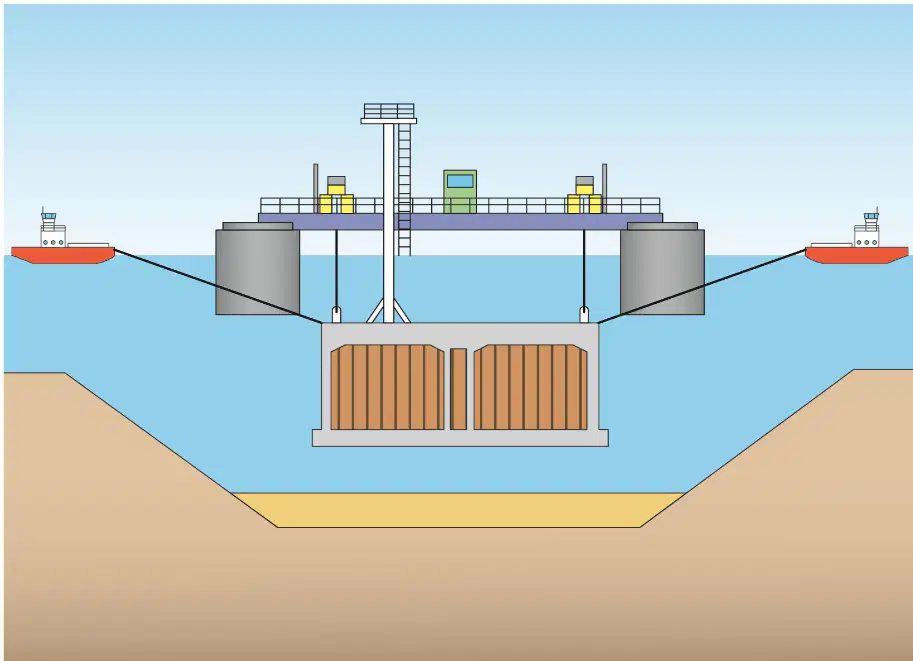
In the immersed tube lowering illustration, what operation is depicted by the barges and central platform?
Positioning and sinking prefabricated sections
Launching a TBM from a deep shaft
Drilling piles for a bridge foundation
Dewatering a cofferdam for cut-and-cover

What is a practical advantage of an immersed tube compared to a bored tunnel for short crossings?
Avoids jointing between tunnel segments
Eliminates dredging and marine equipment
Requires fewer surface works and shafts
Prefabrication allows faster installation
Which statement best describes how essential services reach homes and businesses across a country?
Through networks of underground or overground pipes and cables
Only via overhead lines for all utilities nationwide
Primarily delivered by satellite links for every service
Transported exclusively using road tankers and portable generators
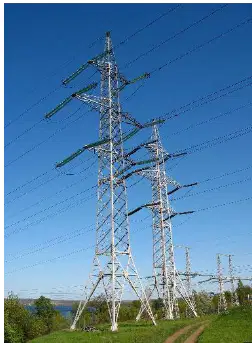
What is the typical role of pylons in the electrical supply network?
Hosting fibre optic routers for internet backhaul connections
Distributing water and gas along elevated pipe bridges
Providing low voltage power directly to domestic properties
Carrying high voltage electricity from power stations to substations
Which voltage is commonly supplied to domestic properties after being stepped down at substations?
120 volts for European domestic supply
240 volts for household circuits
11,000 volts for residential feeders
765,000 volts for appliance use
Which services are most commonly routed underground rather than on overground poles?
Radio base station antennas
Water and gas distribution networks
Electricity transmission lines
Telephone and broadband cables
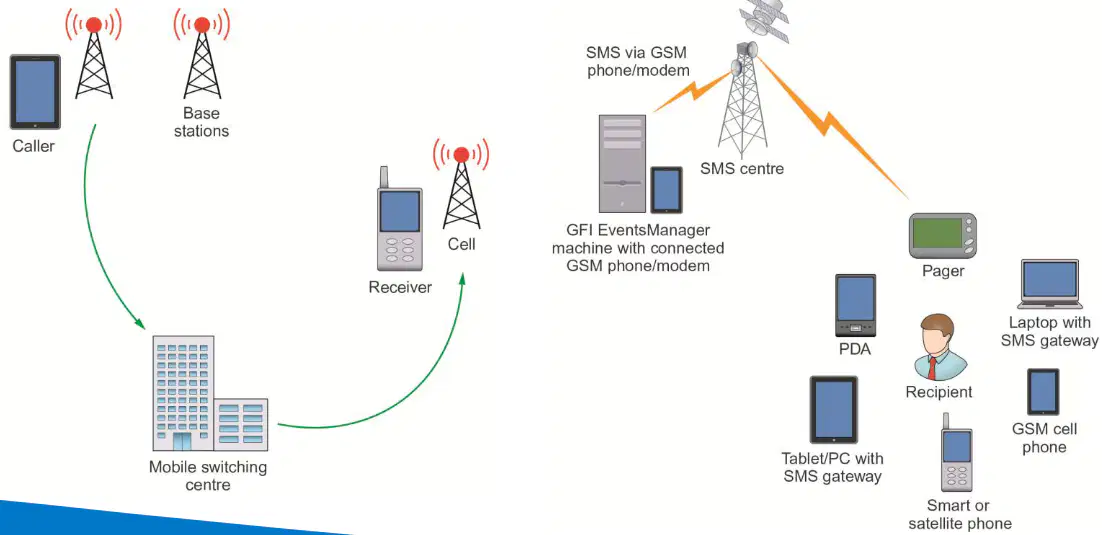
Select all statements that correctly describe mobile phone towers and radio base stations.
They act like large antennae using radio waves
They forward calls only through copper wires
They connect calls to a radio base station
They can route calls via fibre optics or satellite
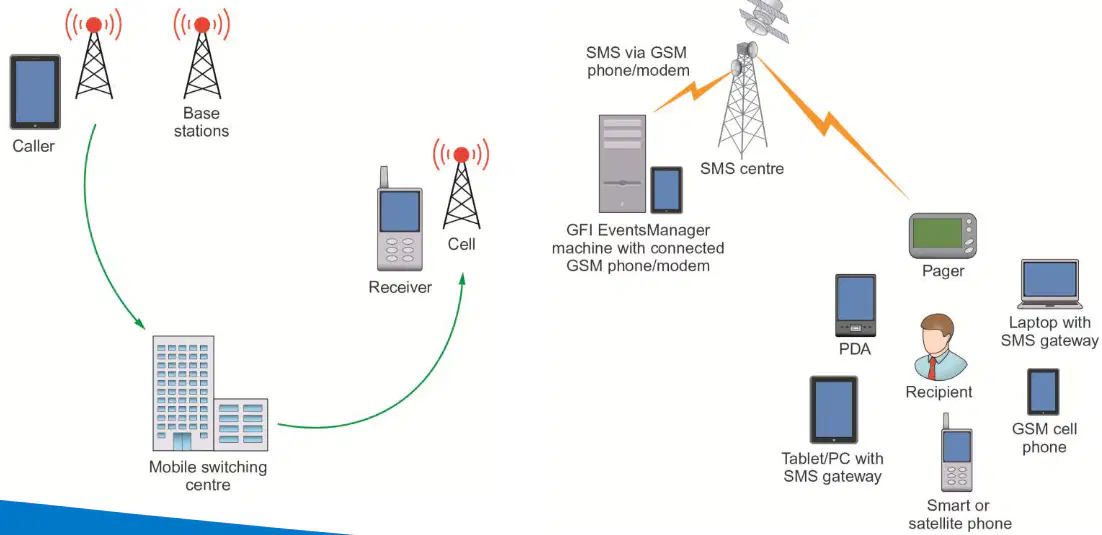
A call from a mobile phone is most likely routed in which sequence?
Caller to local water utility, then to fibre distribution hub
Caller to domestic electrical substation, then to household
Caller directly to satellite, then straight to recipient device
Caller to base station, to switching centre, then onward network
Which statement correctly contrasts overground and underground service distribution?
Water and gas use overground poles; electricity and phone always run underground
Only telecommunications are permitted to be distributed overground
All services are required to be underground for safety reasons
Electricity and phone often use overground poles; water and gas usually run underground
Which primary purpose of a dam directly supports flood management in built environments?
Creating deep navigation channels for boats
Lowering groundwater levels across flood plains
Adding scenic waterfalls to river landscapes
Storing water in reservoirs for later release
Which combination lists structures that regulate water flow and reduce flood risk?
Levees and bunds
Decorative fountains and ponds
Footbridges and culverts
Weirs and floodgates
In river systems, what role does a weir most directly perform?
Creates natural levees through deposition
Regulates flow to help prevent erosion
Transfers water between separate basins
Stores large volumes for power generation
Groynes primarily help with which coastal management outcome?
Deflect storm surges offshore
Stop beaches drifting alongshore
Absorb energy from large waves
Allow water to flow through safely
What best describes gabions used in coastal defence?
Timber piles trapping drifting sand
Cages filled with stones slowing water
Solid concrete walls resisting impact
Steel sheet piles sealing seabed
Revetments are designed to reduce erosion mainly by which mechanism?
Absorbing and dispersing wave energy
Blocking all wave run‑up entirely
Increasing water velocity landward
Redirecting currents parallel to shore
Which technologies in the list harvest energy from moving fluids? Select all that apply.
Tidal movement with sea flow
Photovoltaic cells with light waves
Biomass boilers with solid fuel
Wind farms with air flow

