
 Worksheets
AICE Art Semester Exam Review
Total questions: 25
Worksheet time: 13mins

Which term describes art that does not depict objects realistically but emphasizes shapes, colors, and forms?
Conceptual Art
Abstract Art
Geometric Art
Representational Art
Which term refers to the visual distribution of weight in a composition to create stability?
Contrast
Balance
Perspective
Pattern

Art where the main idea or concept is more important than the finished object is known as:
Abstract Art
Pattern Design
Conceptual Art
Representational Art
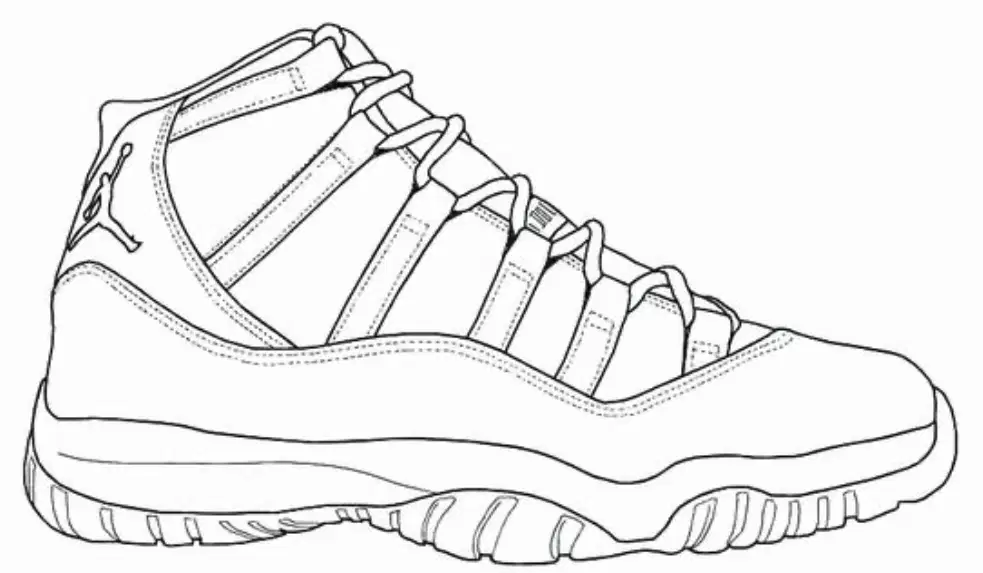
Which line traces the outer edge and interior details of an object?
Axis Line
Implied Line
Horizon Line
Contour Line
Which term indicates measurable extent such as height, width, and depth?
Proportion
Scale
Perspective
Dimension
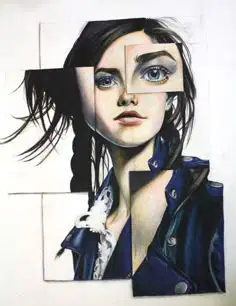
When an object is intentionally altered from its natural proportions, it shows:
Soft Edge
Pattern
Distortion
Foreshortening
Line, shape, color, value, form, texture, and space are collectively called the:
Color Scheme
Principles of Design
Elements of Art
Geometric Shapes
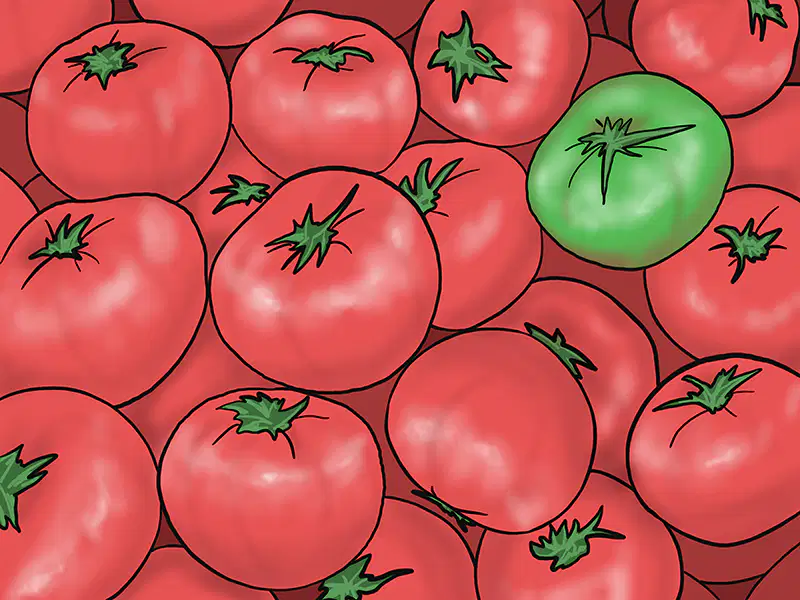
Which principle draws attention to one area, making it stand out?
Perspective
Pattern
Balance
Emphasis
The specific area in a composition that first captures attention is the:
Focal Point
Negative Space
Soft Edge
Point of View
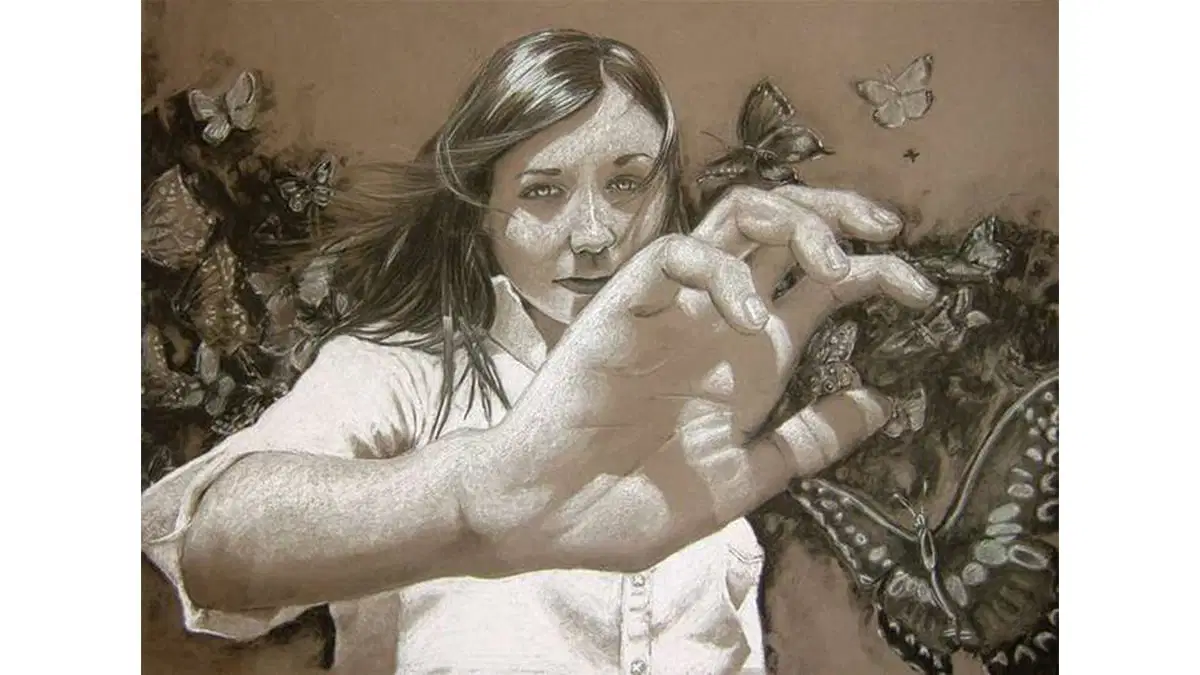
Which technique shortens parts of a form to create the illusion it extends back in space?
Crosshatching
Contour Drawing
Distortion
Foreshortening
The empty areas around and between objects in a composition are called:
Negative Spaces
Dimensions
Soft Edges
Positive Spaces
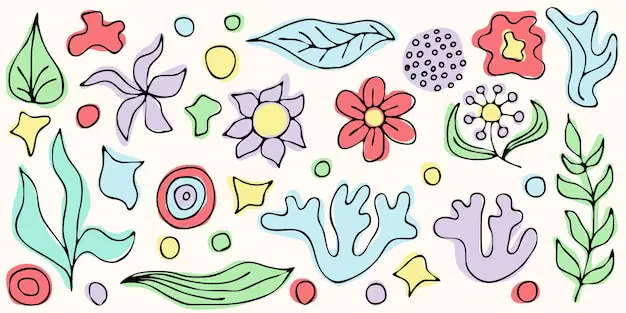
Irregular, curving shapes inspired by nature are called:
Organic Shapes/Forms
Geometric Shapes
Abstract Units
Conceptual Forms
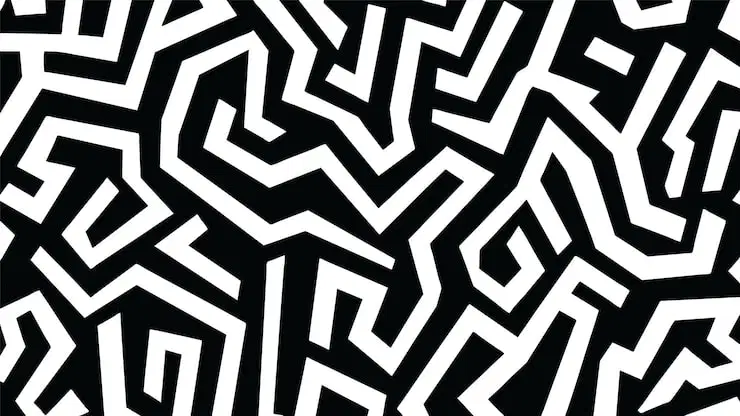
The repeated use of elements to create rhythm or decoration is:
Balance
Contrast
Perspective
Pattern
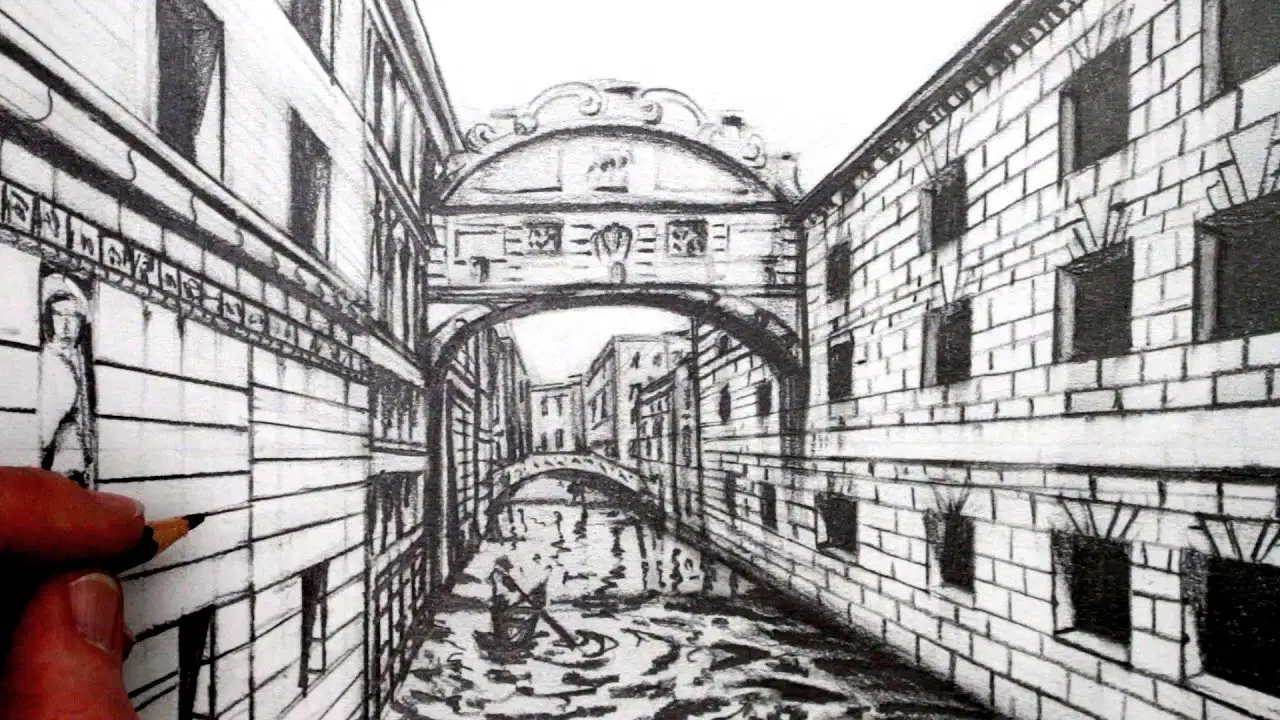
A system that creates the illusion of depth on a flat surface is:
Contour
Perspective
Dimension
Foreshortening
The finely ground color substances used in paints are called:
Binders
Solvents
Primers
Pigments
Guidelines such as balance, contrast, emphasis, movement, pattern, rhythm, and unity are the:
Principles of Art
Perspective Rules
Color Theories
Elements of Art
Art that depicts subjects from the real world in recognizable ways is:
Representational Art
Abstract Art
Conceptual Art
Geometric Art
A drawing exaggerates a figure’s hands to appear giant while the body stays small. Which concept is used?
Distortion
Foreshortening
Balance
Pattern
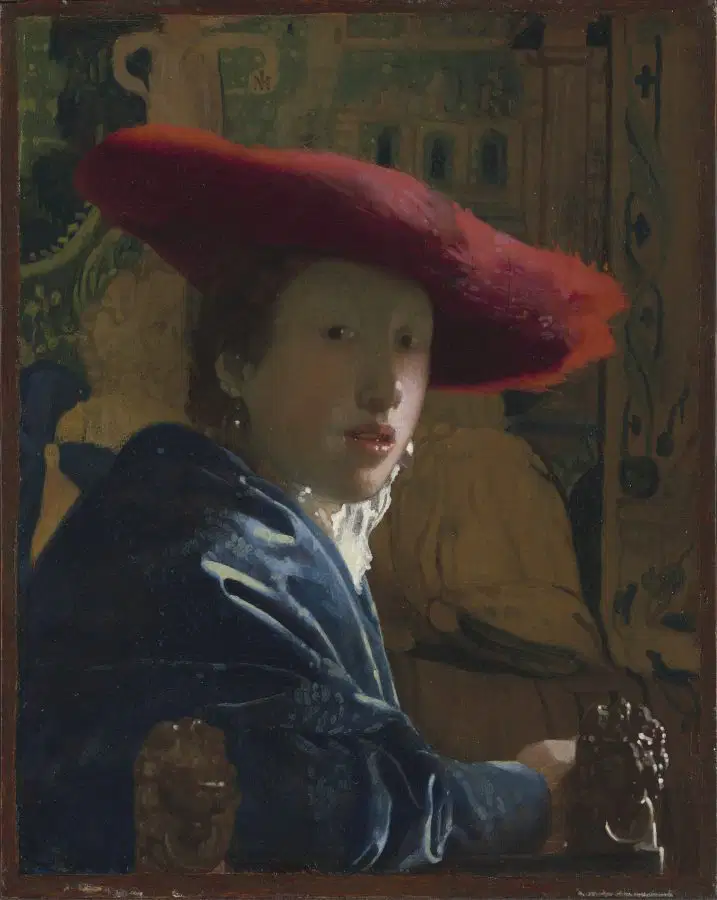
An artist places a bright red shape against muted gray surroundings to make it stand out. Which principle is applied?
Pattern
Dimension
Perspective
Emphasis

In a landscape, a road appears narrower as it recedes to the horizon. Which concept explains this?
Perspective
Contrast
Positive Space
Contour
A design evenly distributes dark and light areas so no side feels heavier. Which principle is shown?
Balance
Rhythm
Unity
Movement
Which set lists only Elements of Art?
Unity, emphasis, movement
Pattern, scale, proportion
Balance, contrast, rhythm
Line, shape, color, texture
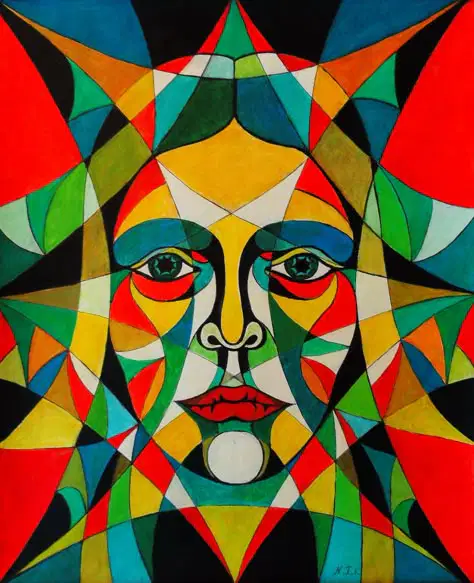
Which statement best defines symmetry in a composition?
Both sides mirror across a central axis
Objects placed diagonally to suggest motion
Elements randomly scattered without order
One side heavier while the other is lighter

Which example describes static movement in artwork?
Stable arrangement that appears still
Rhythmic repetition that guides the gaze
Curving lines that imply flowing motion
Diagonal forms that suggest action

Which statement best defines an abstracted image in art?
A simplified or altered version of a real subject
A realistic scene with strict linear perspective
A perfect photographic copy of the subject
A design with no reference to any subject

