
 Worksheets
Master World History Content Final
Total questions: 142
Worksheet time: 1hrs 11mins
Name
Class
Date
1.
True or False? The Enlightenment attempted to restrict revolutionary ideas and challenges to traditional authority (Monarchs/Church).
a)
True
b)
False
2.
What's the best explanation for the Translation Movement?
a)
The Caliphate leaders sponsored people to bring back important texts and translate them into Arabic and other languages.
b)
The Song Dynasty focused on translating Confucius text in to other languages to spread Chinese Culture.
c)
The Mongol Empire forced their conquered peoples to learn Mongolian and translate their government texts into Mongolian.
d)
The Roman Empire spent time translating text found from southern Africa into Latin to safeguard the information.
3.
Which religions are considered the 3 Abrahamic Religions?
a)
Judaism
b)
Hinduism
c)
Christianity
d)
Islam
e)
Buddhism
4.
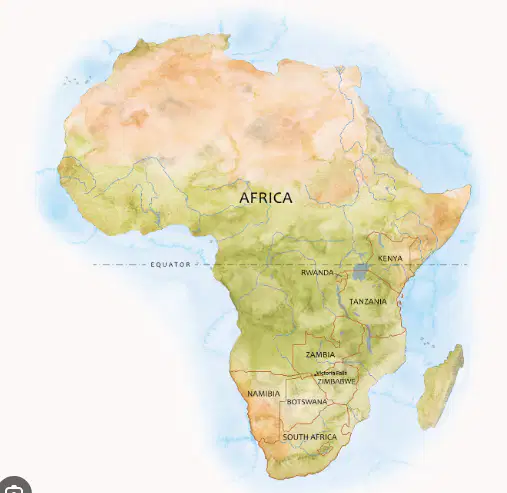
What trade network existed c.1200-1450 in the geographic area below?
a)
Trans Saharan Trade Network
b)
Silk Road
c)
Indian Ocean Trade Network
d)
Trans Gobian Trade Network
5.
In Aztec society, how could a commoner improve their social status?
a)
By owning large amounts of farmland
b)
Through military success or trade wealth
c)
By serving as a priest from birth
d)
By marrying into the royal family
6.
Why was Tenochtitlan’s location important for the success of the Mexica?
a)
It provided isolation from enemies and access to trade routes
b)
It was surrounded by farmland suitable for large plantations
c)
It had little contact with other Mesoamerican cultures
d)
It made the city easy to abandon during droughts
7.
Which of the following is true about how the Aztec gained power?
a)
Taxed Gold/Spices and other goods that travelled from the empire.
b)
Began as a small group (the Mexica) in the valley of Mexico
c)
As they expanded, they required conquered peoples to pay tribute, which helped them become wealthy and powerful.
d)
Utilized new technology like the Caravan to increase trade and decrease competition
8.
What was the main purpose of the qipu (quipu) in Inca society?
a)
Religious storytelling
b)
Keeping purely written laws
c)
Recordkeeping and communication
d)
Military commands
9.
In the 1700's, which of the following BEST characterized most towns in England?
a)
Small villages where the Church was the tallest structure and people worked at home with their families.
b)
Small villages where most men worked in Coal Mines and women stayed at home managing gardens and chores.
c)
Medium sized towns where most men, women, and Children worked making textiles and religion was the thing that unified communities.
d)
Medium sized towns where the Church was the tallest structure and people worked outside of the home as artisans and merchants.
10.
Which of the following helped lower the price of goods and raw materials because it made transportation easier?
a)
A canal
b)
The Water Frame
c)
The Seed drill
d)
Crop Rotation
11.
The Haitian Revolution is most linked to which issue.
a)
Excessive taxation of the largest and poorest population.
b)
The end of Slavery
c)
Taxation without Representation
d)
Opposition to the Chinese Communist Party and restriction of rights
12.
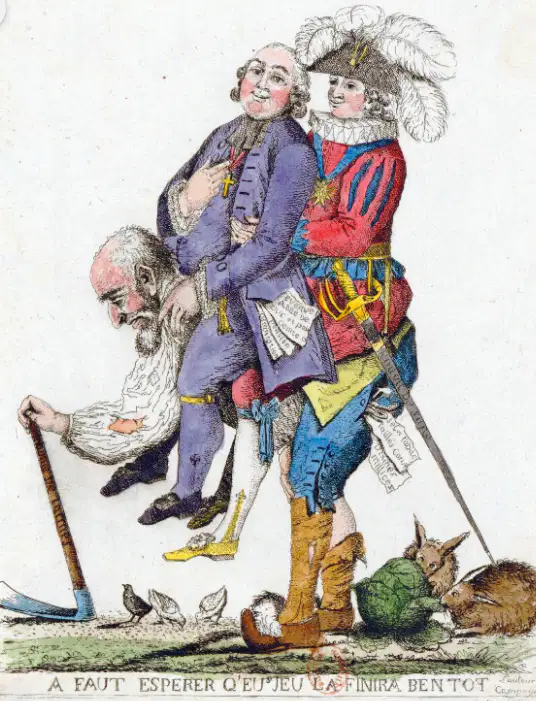
Which revolution is represented below?
a)
French Revolution
b)
Haitian Revolution
c)
American Revolution
d)
Hong Kong Protests
13.
What is something that pushes the smaller poor farmers to look for other work? (choose 2)
a)
The Enclosure Acts (which eliminate the commons)
b)
Invention of new expensive equipment like the Seed drill
c)
Creation of the Oxford Canal
d)
Creation of New Rail Roads
14.
The invention of the waterwheel led to _______________________________________________________________________________________________________.
a)
Women and children staying at home making textiles,
b)
the creation of the first factory which was next to a river.
c)
the creation of the first factories which used steam power.
d)
Men began working in coal mines more often to mine coal for the waterwheel.
15.
True or False? Working conditions were closely regulated by the Government in England.
a)
True
b)
False
16.
Which of the following BEST describes a Capitalist by the end of the Industrial Revolution?
a)
A person with Money
b)
A person who owns the Means of Production
c)
A person who like to correct peoples writing and Capitalize things
d)
A person who works in a factory
17.
Which of the following were part of the Second Agriculture Revolution? Mark all that apply
a)
Crop Rotation
b)
New Technology like the Seed Drill
c)
New Technology like the Steam Engine
d)
New Technology like the Railroad
18.
Who were hired the most in factories and coal mines as the industrial Revolution went on? More than one choice.
a)
Women
b)
Men
c)
Elderly
d)
Children
19.
Which of the following is true about mortality rates in the 1800s?
a)
With new technologies being used to manufacture goods, mortality rates went down because people had more free time.
b)
With the transition to city dwelling (urban) life and factory work mortality rates rose and life expectancy went down to 30 years.
c)
With the creation of more hospitals due to urbanization, general health knowledge increased and mortality rates decreased.
d)
With the creation of canals, medicines were more easily transferred and mortality rates decreased.
20.
Which of the following best describes the Industrial Revolution?
a)
A series of improvements in technology that started in 1750 and transformed the process of manufacturing goods from hand making to factory made.
b)
A change from small rural towns to large populated cities.
c)
An improvement in farming techniques in England that led to more food and less need for farmers.
d)
A technology that could transport goods more efficiently and quickly.
21.
Which of the following best describes Urbanization?
a)
A series of improvements in technology that started in 1750 and transformed the process of manufacturing goods from hand making to factory made.
b)
A change from small rural towns to large populated cities.
c)
An improvement in farming techniques in England that led to more food and less need for farmers.
d)
A technology that could transport goods more efficiently and quickly.
22.
The Sapa Inca was believed to be:
a)
A priest of the Sun god
b)
A messenger of Pachamama
c)
A divine ruler descended from the Sun god
d)
A military leader elected by the people
23.
Which of the following states utilized reciprocity for their economic system?
a)
Inca
b)
Aztec
c)
Mongol
d)
Mali
24.
What was the Inca policy about conquered people?
a)
Local leaders were allowed to maintain some power but had to pledge to allegiance to Inca rulers
b)
Conquered peoples had to give up all freedoms or independence and completely assimilate into Inca Statehood.
c)
Conquered people were all either enslaved or killed.
d)
Local leaders were killed and their people had to particpate in the mita system.
25.
Which of the following was most likely impacted by the use of the Mit'a System?
a)
Infrastructure
b)
Religious beliefs
c)
New technology
d)
Formal Records and writngs
26.
Which of the following is true about reciprocity? Choose more than one.
a)
It meant all groups of people were equal and society was egalitarian.
b)
Commoners gave their labor to farm state lands, build roads, and serve in the army, and in return, the state provided food, clothing, and public works from massive storehouses
c)
People payed tax by giving their labor to the government.
d)
The state regulated the economy through the utilization of paper money.
27.
Who was a famous Chinese explorer who travelled around Indian Ocean trade networks?
a)
Zheng He
b)
Mansa Musa
c)
Sundiata
d)
Confucius
28.
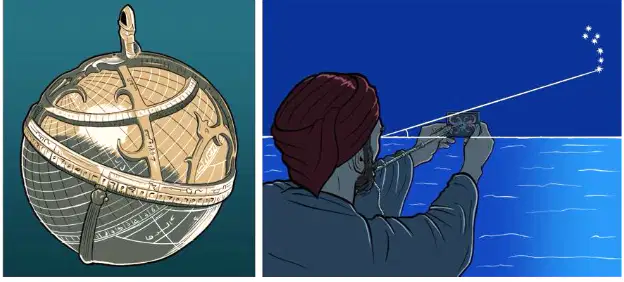
The new technology pictured below most likely affected which trade route the most?
a)
The Silk Road
b)
The Indian Ocean Trade Network
c)
The Trans Saharan Trade Network
d)
The Atlantic Ocean Trade Network
29.
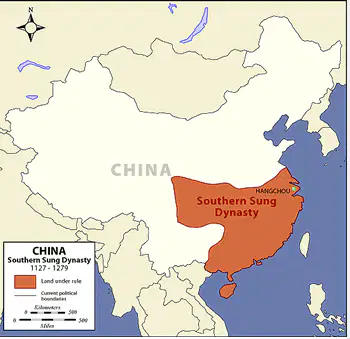
What trade network existed c.1200-1450 in the geographic area below?
a)
Trans Saharan Trade Network
b)
Silk Road
c)
Indian Ocean Trade Network
d)
Trans Gobian Trade Network
30.
Which of the following states helped to improve trade along the Silk Road in the period 1200-1400? (Choose more than 1)
a)
Mongol Empire
b)
Song Dynasty
c)
Aztec Empire
d)
Roman Empire
31.
Which natural phenomenon made Indian Ocean trade possible by allowing predictable travel across the sea?
a)
Earthquakes
b)
Ocean currents
c)
Monsoon winds
d)
Solar tides
32.

What historical figure is shown in the Document below?
a)
Genghis Khan
b)
Kublai Khan
c)
Mansa Musa
d)
Sundiata
33.
What animal was responsible for the success of the trade networks in Africa?
a)
Camels
b)
Horses
c)
Oxen
d)
Animals were not responsible it was carrack ships
34.
What are two innovations or changes that helped improve trade in Africa?
a)
Camel Saddles
b)
Horse Saddles
c)
Caravans
d)
Carrack Ships
35.
What was the Manden Charter?
a)
Document that made it possible for the Abbasids to trade with the Byzantines
b)
First ever written document declaring human rights
c)
First ever oral document declaring human rights
d)
Document that regulated trade within the silk road
36.
How do we know about the Epic of Sundiata?
a)
Griots saved the history and spread it from generation to generation
b)
Abbasid scholars wrote about it in the house of Wisdom?
c)
The scholar gentry class of the Song Dynasty inscribed the epic poem within their histories.
d)
Incan historians preserved the knowledge within their data
37.
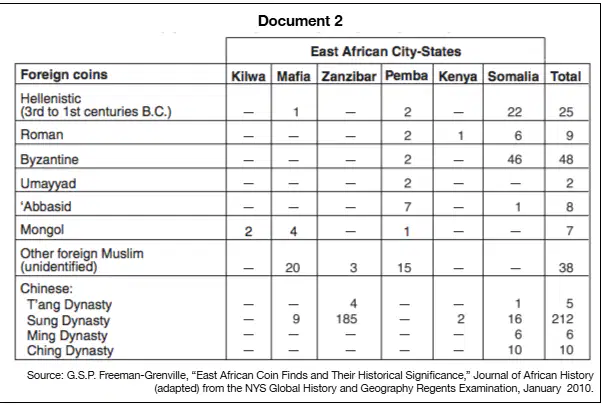
What information can we infer from this document?
a)
East Africa City-States were isolated from international trade.
b)
The Umayyad State likely traded the most with the Mafia city state based on the number of coins found there.
c)
Zanzibar most likely did a lot of trade with Sung (SONG) China, based on the number of Sung coins found there.
d)
The Byzantines traded almost nothing with the Somalia city state.
38.
What information can we most associate with Mansa Musa? Choose more than 1
a)
He taxed the trade that was coming into his Empire which increased Empire wealth immensely.
b)
He made a world famous Hajj where he gave so much gold away that it affected the economies in some of the cities he traveled to.
c)
His journey to the the Forbidden City in Beijing was a sign of international community.
d)
His warriors were known for their skill on horseback.
39.
What was true about being ruled by the Mongols? Chose more than 1.
a)
The Mongols were religiously tolerant.
b)
The Mongols only cared about conquering and did not enforce rules or government once they had a city.
c)
The Mongols invested in trade and infrastructure along the silk road.
d)
The Mongols at the end of their reign began experimenting with Seafaring and trade in the pacific.
40.
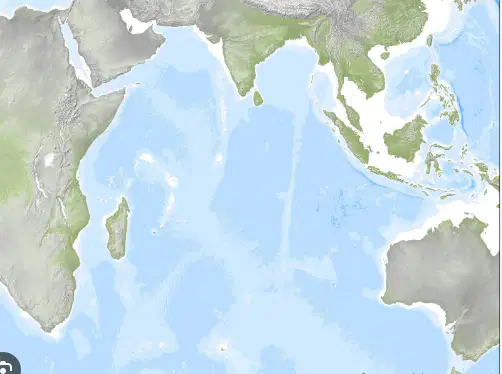
What trade network existed c.1200-1450 in the geographic area below?
a)
Trans Saharan Trade Network
b)
Silk Road
c)
Indian Ocean Trade Network
d)
Trans Gobian Trade Network
41.
What policy did the Songhai empire adopt to govern their diverse empire of mostly non-Muslims?
a)
Religious Tolerance
b)
Reciprocity
c)
Limited Taxation
d)
Human Sacrifice
42.
What do the Mayan State and states in East Africa have in common?
a)
Both were autonomous but shared a culture.
b)
Both had an economy that was entirely dependent on trade.
c)
They did not share any commonalities
d)
Both were eventually influenced by Islamic merchants and culture
43.
Which of the following was most likely traded among the trans Saharan trade network? Choose all that apply.
a)
Gold
b)
Salt
c)
Slaves
d)
Potatoes
44.
The Yassa was the Mongol Empire’s code of ______.
a)
Trade
b)
Law
c)
Religion
d)
Diplomacy
45.
The Mongols were originally a ______ people who lived on the steppes of Central Asia.
a)
Sedentary farming
b)
Seafaring
c)
Nomadic pastoralist
d)
Urban merchant
46.
What policy helped Genghis Khan gain the loyalty of his warriors and create one of the strongest armies in history?
a)
Mandatory tribute payments
b)
Promotion based on merit and skill
c)
Inheritance through eldest sons only
d)
Religious conversion
47.
True or False? The Pax Mongolica isolated regions from one another and reduced the spread of ideas.
a)
True
b)
False
48.
Which crop did the Maya believe humans were created from?
a)
. Wheat
b)
Rice
c)
Maize/Corn
d)
Barley
49.
Which of the following is the best explanation for the Mayan afterlife?
a)
In the Mayan belief system you either went to a good place or a bad place based solely on you actions in life.
b)
The Mayan did not believe in a life after death.
c)
In the Mayan belief system almost everyone went to an underworld where they had to make their way through different levels of challenges.
d)
In the Mayan belief system the afterlife was surrounding corn and it's worship.
50.
Match the word for leader or king with the correct state:
Ajaw
a)
Mali
b)
Aztec
c)
Mongol
d)
Maya
51.
Match the word for leader or king with the correct state:
Khan
a)
Mali
b)
Aztec
c)
Mongol
d)
Maya
52.
Match the word for leader or king with the correct state:
Huey Tlatoani
a)
Mali
b)
Aztec
c)
Mongol
d)
Maya
53.
Which of the following belief systems started in China?
a)
Buddhism
b)
Judaism
c)
Christianity
d)
Confucianism
54.
What is most true about the Caste System?
a)
It is a way of organizing social classes, but people can change from one caste to another if the work hard and earn money.
b)
It is a rigid system and the caste you are born into is the caste you stay in until you die.
c)
it is a social system that divides people up into castes but you can marry people in other social classes(castes).
d)
Buddhist believe in the Caste system.
55.
Which of the following are part of the 5 Key Relationships of Confucianism? Choose more than one.
a)
Father/Son
b)
Husband/Wife
c)
Older Sister/ Younger Sister
d)
Ally/Enemy
56.
Fill in the blank using one of our content terms:
As Buddhism started to spread outside of India, _______________ occurred when Buddhism would merge with local belief systems.
a)
Syncretism
b)
Empire
c)
Bureaucracy
d)
Economic Interdependence
57.
Choose a content term to fill in the blank in the sentence:
The Song Dynasty had a _________________ on the Silk Trade because they completely controlled the Silk Market.
a)
Inflation
b)
Nexus
c)
Monopoly
d)
Tributary
58.
Which of the following describes the policy toward non-Muslims under early Islamic rule?
a)
Forced to convert or face execution
b)
Allowed to practice their religion but had to pay an extra tax
c)
Granted equal political rights as Muslims
d)
Exempt from taxes and military service
59.
The Rashidun Caliphate (632–661) had which of the following qualities (multiple choices)
a)
A dynastic empire with a strong centralized bureaucracy
b)
A state with a unified religious belief and no religious divisions
c)
A caliphate led by the “4 Rightly Guided Caliphs”
d)
An empire that allowed the conquered people to keep their local governments
60.
Which of the following was a characteristic of the Umayyad Caliphate?
a)
Equal treatment of Arab and non-Arab Muslims to create peace and posterity
b)
A dynastic empire with a strong centralized bureaucracy who favored Arab Muslims
c)
Baghdad was established as the new capital to appeal to non Arab Muslims
d)
Strong encouragement of non-Muslim conversion to increase Islamic unification
61.
True or False? The Abbasid Dynasty ended because of civil wars and uprisings related to the negative treatment of Non-Arab Muslims.
a)
True
b)
False
62.
The House of Wisdom in Baghdad was significant because it:
a)
Rejected Greek and Persian knowledge as un-Islamic
b)
Served as a military headquarters for expansion
c)
Preserved and translated classical texts, advancing knowledge
d)
Banned scientific inquiry in favor of religious study
63.
Who is the founder of Buddhism?
a)
Siddartha Gautama
b)
Brahma
c)
Karma Veda
d)
Buddhism has no one founder
64.
Who is the founder of Hinduism?
a)
Siddartha Gautama
b)
Brahma
c)
Karma Veda
d)
Hinduism has no one founder
65.
What is the best definition for karma?
a)
The belief that actions in this life, whether good or bad, will decide your place in the next life.
b)
The belief that when you die your soul is reborn into another body.
c)
The belief in many Gods.
d)
The belief in Brahma as the one true God.
66.
What ideas do both Hinduism and Buddhism believe in? (More than one answer)
a)
Dharma
b)
Reincarnation
c)
Caste System
d)
Karma
67.
What is true about Dharma?
a)
Dharma is the idea of Duty, for both Hinduism and Buddhism you must fulfill your Dharma.
b)
Dharma is the idea of Duty, only Hinduism believes in the idea of fulfilling your duty.
c)
Dharma is the idea of what you put into the universe comes back to you, neither Hinduism or Buddhism believe in Dharma.
d)
Dharma is the idea of what you put into the universe comes back to you, only Buddhism believes in Dharma.
68.
Which of the following best describes Atheism?
a)
Belief in many Gods
b)
Belief in one God
c)
Hatred of All Gods
d)
Belief in No Gods
69.
Which of the following best describes Polytheism?
a)
Belief in many Gods
b)
Belief in one God
c)
Hatred of All Gods
d)
Belief in No Gods
70.
Which of the following is NOT Part of the 4 Noble Truths?
a)
Life is suffering
b)
Suffering is caused by Desire
c)
To stop suffering, you must stop desiring things.
d)
To stop reincarnation, you must reach Moksha.
71.
The original split between Sunni and Shi’a Muslims centered on _________________________________________.
a)
Whether the Qur’an should be translated into Non Arabic Languages
b)
Who should lead the Muslim community after Muhammad’s death
c)
How Islamic law should be interpreted
d)
Whether trade should be encouraged by Islamic rulers
72.
What cultural innovation during the Tang Dynasty made literature more accessible?
a)
Ink from industrial run off
b)
Oracle bones
c)
Wood block printing
d)
Gutenberg Press
73.
What made Abbasid-era hospitals and madrasas (universities) unique compared to earlier institutions?
a)
They accepted only elite Arab students
b)
They combined religious and scientific education
c)
They were based only on oral tradition
d)
They were used mainly for military training
74.
Which scientific field saw major advancements from scholars like Al-Khwarizmi during the Abbasid period?
a)
Zoology
b)
Geology
c)
Mathematics
d)
Psychology
75.
What city was considered the most cosmopolitan/advanced capital city in the 1200-1450 era?
a)
New York City
b)
Paris
c)
Hong Kong
d)
Baghdad
76.
What was one key reason the Song Dynasty moved its capital to Hangzhou?
a)
The emperor wanted a better climate
b)
It was a more central location for sea trade
c)
Military threats from nomads in the north forced a retreat
d)
The original capital was destroyed by natural disaster
77.
Which of the following best explains the role of bureaucracy in the Tang and Song dynasties?
a)
It was a hereditary system where government positions were passed down through aristocratic families
b)
It was a structured administrative system that emphasized hierarchy, specialization, and merit-based appointments
c)
It was a religious system run by Buddhist monks to maintain order in the empire
d)
It focused primarily on military rule and the expansion of China's borders
78.
Why is the Tang Dynasty considered the beginning of a true meritocracy in China?
a)
All peasants were given land based on merit
b)
Military service replaced civil service exams
c)
The civil service exam was expanded and talent, not birth, began to matter more
d)
Buddhist monks were allowed to rule based on enlightenment
79.
Which of the following caused economic growth in the Sui Dynasty?
a)
Construction of the Grand Canal
b)
Investment in the House of Wisdom
c)
Reintroduction of Legalism reinforced peace and stability
d)
Utilization of the trans Saharan trade network
80.
During 1200–1450, most Europeans lived in:
a)
Large cities
b)
Rural villages
c)
Nomadic camps
d)
Coastal ports
81.
What is one reason why the Roman Empire splits into two sections?
a)
The Empire had become too large and was suffering from multiple invaders.
b)
The leadership could not decide who should be in charge and ultimately two brothers divided the empire.
c)
The Catholic Church decided the empire should be separated
d)
The invasions of the Song Dynasty lead to fracturing among the Roman Leadership.
82.
How did feudalism organize relationships in medieval Europe?
a)
It created a direct democracy among peasants
b)
It established hierarchies where everyone owed obligations to those above them
c)
It centralized power under a single ruler
d)
It eliminated the need for local lords
83.
Under a Europe that is devolved, which of the following likely had the most power/influence?
a)
King
b)
Local Lords
c)
Knights
d)
Peasants
84.
What was a consequence of the Medieval Climate Anomaly from the 800s to the 1300s?
a)
Farming was easier and long distance trade was safer because the climate was more warm and stable.
b)
Farming was more difficult and long distance trade was almost entirely impossible because of the cold snap that blanketed Europe.
c)
Aztec and Inca societies both struggled with farming as a result of the climate change.
d)
Mali and Songhai kingdoms were able to travel more as a result of cooler climate throughout the Sahara Desert.
85.
What two things add to the change in population in Europe starting in the 1300s? (choose all that apply)
a)
Black Death (Plague)
b)
Little Ice Age
c)
Silk Road Expansion
d)
Medieval Climate Anomaly
86.
What are the two systems that organized and influence most of European society in the Medieval Era (1100-1500)? (Choose all that apply)
a)
Feudalism
b)
Capitalism
c)
Catholicism
d)
Syncretism
87.
What was the most valuable resource in Europe at this time?
a)
Land
b)
Gold
c)
Salt
d)
Silk
88.
Read the following excerpt:
"A king might grant a powerful lord authority over a province, in exchange for certain promises. The lord gained control of the tax, land, and laws of that province, and in exchange the king received promises of military support and good governance. "
What is this an example of?
a)
Feudalism
b)
Syncretism
c)
Catholicism
d)
Capitalism
89.
Who was named the "Holy Roman Emperor" by the catholic pope?"
a)
Charlemagne
b)
Justinian
c)
Mansa Musa
d)
Genghis Khan
90.
Which of the following were reasons for The Great Schism of 1054?
a)
Disagreement over language that should be spoken: Greek vs Latin
b)
Disagreement over life of Priests: Married vs. Single for life
c)
Disagreement over who is top authority: Pope vs Emperor
d)
Disagreement over who should replace Muhammed: Relation vs. Best Person
91.
What was the highest building in most small towns in Europe?
a)
Church
b)
Metal Smith
c)
University
d)
Marketplace
92.
Which of the following states utilized reciprocity for their economic system?
a)
Inca
b)
Aztec
c)
Mongol
d)
Mali
93.
Which of the following was most likely impacted by the use of the Mit'a System?
a)
Infrastructure
b)
Religious beliefs
c)
New technology
d)
Formal Records and writngs
94.
What policy did the Songhai empire adopt to govern their diverse empire of mostly non-Muslims?
a)
Religious Tolerance
b)
Reciprocity
c)
Limited Taxation
d)
Human Sacrifice
95.
Which scientific field saw major advancements from scholars like Al-Khwarizmi during the Abbasid period?
a)
Zoology
b)
Geology
c)
Mathematics
d)
Psychology
96.
What policy helped Genghis Khan gain the loyalty of his warriors and create one of the strongest armies in history?
a)
Mandatory tribute payments
b)
Promotion based on merit and skill
c)
Inheritance through eldest sons only
d)
Religious conversion
97.
What is most true about the Caste System?
a)
It is a way of organizing social classes, but people can change from one caste to another if the work hard and earn money.
b)
It is a rigid system and the caste you are born into is the caste you stay in until you die.
c)
it is a social system that divides people up into castes but you can marry people in other social classes(castes).
d)
Buddhist believe in the Caste system.
98.
In what ways did the Tokugawa Shogunate control the daimyos?
a)
Required Daimyos to live in Edo (Capital City) periodically.
b)
Required Daimyos to complete labor as a tax.
c)
Required Daimyos to leave their family in Edo (Capital CIty) for portions of the year.
d)
Required Daimyos to pay extra taxes to Emperor.
99.
Which of the following is the best definition for demographic shift?
a)
A change in the population
b)
A change in the economic prosperity
c)
A change in access to sustenance
d)
A change in cultural merging
100.
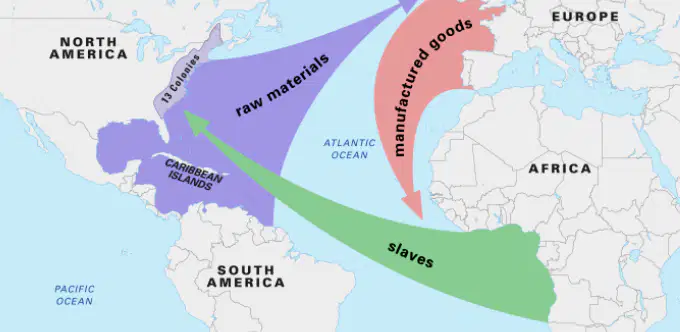
What historical concept is shown below?
a)
Triangular Trade
b)
Colombian Exchange
c)
Encomienda System
d)
Mercantilism
101.
Which of the following terms best fit this definition below?
The practice of gaining full or partial political control over another country or geographic area, often occupying it with settlers, and exploiting it economically
a)
Mercantilism
b)
Colonization
c)
Colombian Exchange
d)
Triangular Trade
102.
An economic policy characterized by the idea that there is only so much wealth available, as a result nations sought to increase their wealth and power by obtaining large amounts of gold and silver by increasing exports and decreasing imports.
Which of the following terms fits the definition of the provided above?
a)
Colonization
b)
Mercantillism
c)
Columbian Exchange
d)
Trans Atlantic Trade
103.
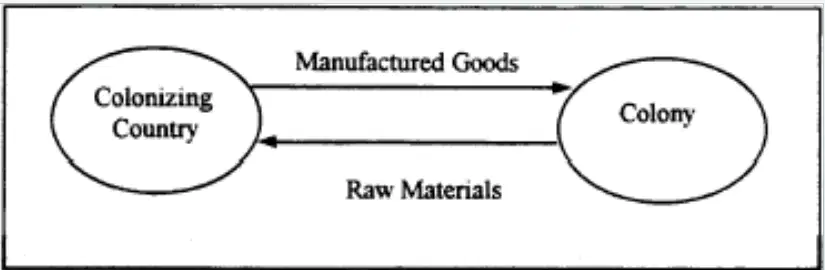
What economic system is showed below?
a)
Mercantilism
b)
Capitalism
c)
Communism
d)
Syncretism
104.
The wide spread exchange of animals, crops, diseases and ideas across the Atlantic is called the
a)
Columbian Exchange
b)
TransAtlantic Trade
c)
The Silk Road
d)
The Aztecian Way
105.
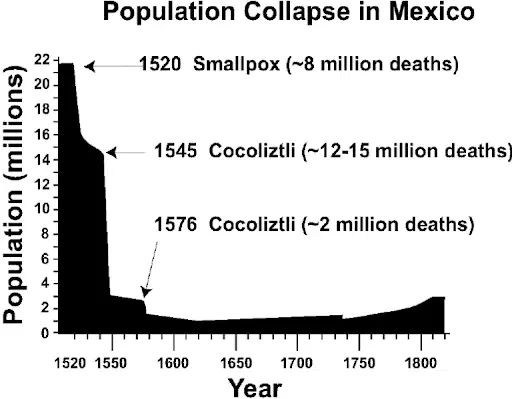
The graph shown here provides evidence for which of the following statements?
a)
With the arrival of the Spanish in the early 1500s a wave of disease swept through indigenous population
b)
Columbus established a colony on Hispaniola, and due to brutal tratement and disease the native population was greatly reduced.
c)
The Columbian Exchange brought great change to both the old and new world.
d)
The Spanish government greatly benefited from its conquest of Aztec Empire (Mexico)
106.
Which definition most accurately describes the Encomienda System?
a)
A system whereby the Spanish crown granted the conquerors the right to forcibly employ groups of Indians on the land the conquerors were "gifted".
b)
A system where goods that leave Columbia go to Encomienda and are exchange for gold.
c)
A system where Spain takes over the Aztec Empire and they work with the Aztec leaders to create a merged community
d)
A trading system between the Americas, England and Africa; where slaves, raw materials, and manufactured goods are exchanged
107.
Under Japanese Feudalism, who held the most power?
a)
Shogun
b)
Emperor
c)
Samurai
d)
Peasant/Farmer
108.
What was a consequence of the Medieval Climate Anomaly from the 800s to the 1300s?
a)
Farming was easier and long distance trade was safer because the climate was more warm and stable.
b)
Farming was more difficult and long distance trade was almost entirely impossible because of the cold snap that blanketed Europe.
c)
Aztec and Inca societies both struggled with farming as a result of the climate change.
d)
Mali and Songhai kingdoms were able to travel more as a result of cooler climate throughout the Sahara Desert.
109.
What are the two systems that organized and influence most of European society in the Medieval Era (1100-1500)? (Choose all that apply)
a)
Feudalism
b)
Capitalism
c)
Catholicism
d)
Syncretism
110.
Which of the following are most connected with the Mayan? (more than 1 answer)
a)
Human Sacrifice
b)
Understanding of the concept of zero
c)
Translation Movement
d)
Improvement of the Astrolabe
111.
What's the best explanation for the Translation Movement?
a)
The Caliphate leaders sponsored people to bring back important texts and translate them into Arabic and other languages.
b)
The Song Dynasty focused on translating Confucius text in to other languages to spread Chinese Culture.
c)
The Mongol Empire forced their conquered peoples to learn Mongolian and translate their government texts into Mongolian.
d)
The Roman Empire spent time translating text found from southern Africa into Latin to safeguard the information.
112.
Who is the founder of Islam?
a)
Jesus of Nazareth
b)
Muhammad
c)
Abraham
d)
Siddhartha Gautama
113.
Who is the founder of Buddhism?
a)
Jesus of Nazareth
b)
Muhammad
c)
Abraham
d)
Siddhartha Gautama
114.
Who is the founder of Judaism?
a)
Jesus of Nazareth
b)
Muhammad
c)
Abraham
d)
Siddhartha Gautama
115.
Which religions are considered the 3 Abrahamic Religions?
a)
Judaism
b)
Hinduism
c)
Christianity
d)
Islam
e)
Buddhism
116.
Which of the following belief systems started in China?
a)
Buddhism
b)
Judaism
c)
Christianity
d)
Confucianism
117.
Which belief system is Atheistic?
a)
Christianity
b)
Buddhism
c)
Hinduism
d)
Islam
118.

What ideal is displayed in the picture?
a)
Caste System
b)
Cycle of Dharma
c)
The Covenant
d)
Monotheistic System
119.
Which of the following best describes Polytheism?
a)
Belief in many Gods
b)
Belief in one God
c)
Hatred of All Gods
d)
Belief in No Gods
120.
India was the birthplace of what 2 religions?
a)
Hinduism
b)
Buddhism
c)
Judaism
d)
Confucianism
121.
Who is the founder of Hinduism?
a)
Siddartha Gautama
b)
Brahma
c)
Karma Veda
d)
Hinduism has no one founder
122.
What is most true about the Caste System?
a)
It is a way of organizing social classes, but people can change from one caste to another if the work hard and earn money.
b)
It is a rigid system and the caste you are born into is the caste you stay in until you die.
c)
it is a social system that divides people up into castes but you can marry people in other social classes(castes).
d)
Buddhist believe in the Caste system.
123.
What were some reasons why the Mongols were so successful at expanding their Empire? (2 answers)
a)
Advanced Army where positions were awarded based on Merit
b)
Adaptable Conquerors who took the technology from conquered peoples and used it to further their Empire
c)
Successful at sea warfare, the easily spread their Empire beyond the Asia continent
d)
Rejection of trade meant they put all their energy into warfare.
124.
What is true about the religious policy under the Islamic caliphates?
a)
Most caliphates forced the conquered people to convert to Islam.
b)
Most Caliphates were religiously tolerant and had Non-Muslims simply pay an extra tax.
c)
Most Caliphates were atheistic and wanted their peoples to reject any belief in any Gods.
d)
Most Caliphates embraced Buddhism as their state religion and rejected the Caste System.
125.
Which of the following are part of the 5 Key Relationships of Confucianism?
a)
Father/Son
b)
Husband/Wife
c)
Older Sister/ Younger Sister
d)
Ally/Enemy
126.
What was the reason for the reason for the split in the Islamic Religion?
a)
Groups disagreed about when the the 5 Daily prayers should happen.
b)
Disagreements started after the death of Muhammad about who should be the next leader.
c)
Groups disagreed about the role that religion should play in their Empire.
d)
Disagreements started over the place of non - Muslims in society, some wanted them to be forced to convert.
127.
Which of the following are most connected with the Abbasid Caliphate? (More than 1 answer)
a)
Human Sacrifice
b)
Understanding of the concept of zero
c)
Translation Movement
d)
Improvement of the Astrolabe
128.
Which of the following best describes the Aztec religion?
a)
The Aztecs were atheistic and did not believe in any Gods or an afterlife.
b)
The Aztec belief system was fatalistic and believed the world would end and everyone would die violently.
c)
The Aztec belief system was Monotheistic and only had one God who demanded human sacrifice.
d)
The Aztec belied system was polytheistic, but all the Gods exhibited kindness and forgiveness and simply wanted their believers to treat others with love.
129.
Which of the following scientists developed the Heliocentric Theory?
a)
Isaac Newton
b)
Galileo Galilei
c)
Andreas Vesalius
d)
Nicholas Copernicus
130.
Which of the following scientist proved the Heliocentric Theory?
a)
Isaac Newton
b)
Galileo Galilei
c)
Andreas Vesalius
d)
Nicholas Copernicus
131.
Which of the following scientist is considered the father of Modern Anatomy?
a)
Isaac Newton
b)
Galileo Galilei
c)
Andreas Vesalius
d)
Nicholas Copernicus
132.
Which of the following scientist helped develop Calculus?
a)
Isaac Newton
b)
Galileo Galilei
c)
Andreas Vesalius
d)
Nicholas Copernicus
133.
Which society had discovered that the Sun was the center of the Universe prior to the Scientific Revolution?
a)
Abbasid Caliphate
b)
Qin China
c)
Olmec Tribe
d)
Mali Empire
134.
What new invention helped spread information in Europe much more quickly?
a)
The Gutenberg Press
b)
The Galileo Telescope
c)
The Newton Compass
d)
The invention of Chinese Paper
135.
What belief from Europe, claims Absolute monarchs get authority & legitimacy from God, so they are not answerable to anyone on earth?
a)
Divine Right of Dynasties
b)
Manifest of Kingship
c)
Divine Right of Kings
d)
Mandate of Heaven
136.
Which Enlightenment French Judge wrote about Separation of Powers, Checks and Balances, and the idea no individual should have too much power?
a)
John Locke
b)
Montesquieu
c)
Immanuel Kant
d)
Adam Smith
137.
What are some consequences of the Enlightenment?
a)
The Scientific Revolution, The Reformation
b)
Revolutions like the French and American, New Forms of Government
c)
New Forms of Government, Increase in power of the Church
d)
The Scientific Revolution and New Forms of Government
138.
What was one cause of the French Revolution?
a)
Britain tried to tax tea and whiskey
b)
Unfair Taxation and little representation for majority of population
c)
Majority of population was enslaved
d)
Encomienda System created inequality
139.
True or False? The first estate was made up of Clergy and church officials which totaled about 1% of the population, they owned very little land and paid taxes on what they owned.
a)
True
b)
False
140.
True or False? The third estate was around 95% of the population, they had little representation in Government and carried the burden of paying ALL the Taxes.
a)
True
b)
False
141.
The Hong Kong Protests are most linked to which issue.
a)
Excessive taxation of the largest and poorest population.
b)
The end of Slavery
c)
Taxation without Representation
d)
Opposition to the Chinese Communist Party and their restriction of citizen's natural rights
142.
In what war did China lose control of Hong Kong for 99 years?
a)
The Opium Wars
b)
The French Revolution
c)
The Protestant Reformation
d)
World War 1
100 %

