
 Worksheets
Emergence of Civilization
Total questions: 22
Worksheet time: 11mins
This started when people left rural agricultural areas and began living in larger urban communities, which included specific attributes like surplus food, specialized jobs, a central government, complex culture, and a way to keep records..
Culture
Polytheism
Pastoralists
Civilization
Rivers or river valleys were good places for civilizations to grow because they offered
farmland
transportation
Which of the following DOES NOT commonly characterize the development of civilization
large advanced cities
technology
tribal councils
record keeping
What was the first human civilization?
Sumer
Egypt
Harappa
China
Where in the world did the first civilization develop?
The Tigris and Euphrates River Valleys of Mesopotamia
The Nile River Valley of Egypt
The Indus River Valley of Pakistan and India
The Huang He (Yellow) River Valley of China
What part of the world would you find the Tigris and Euphrates RIver Valleys?
The Middle East
Southern Asia
Northern Asia
Northeast Africa
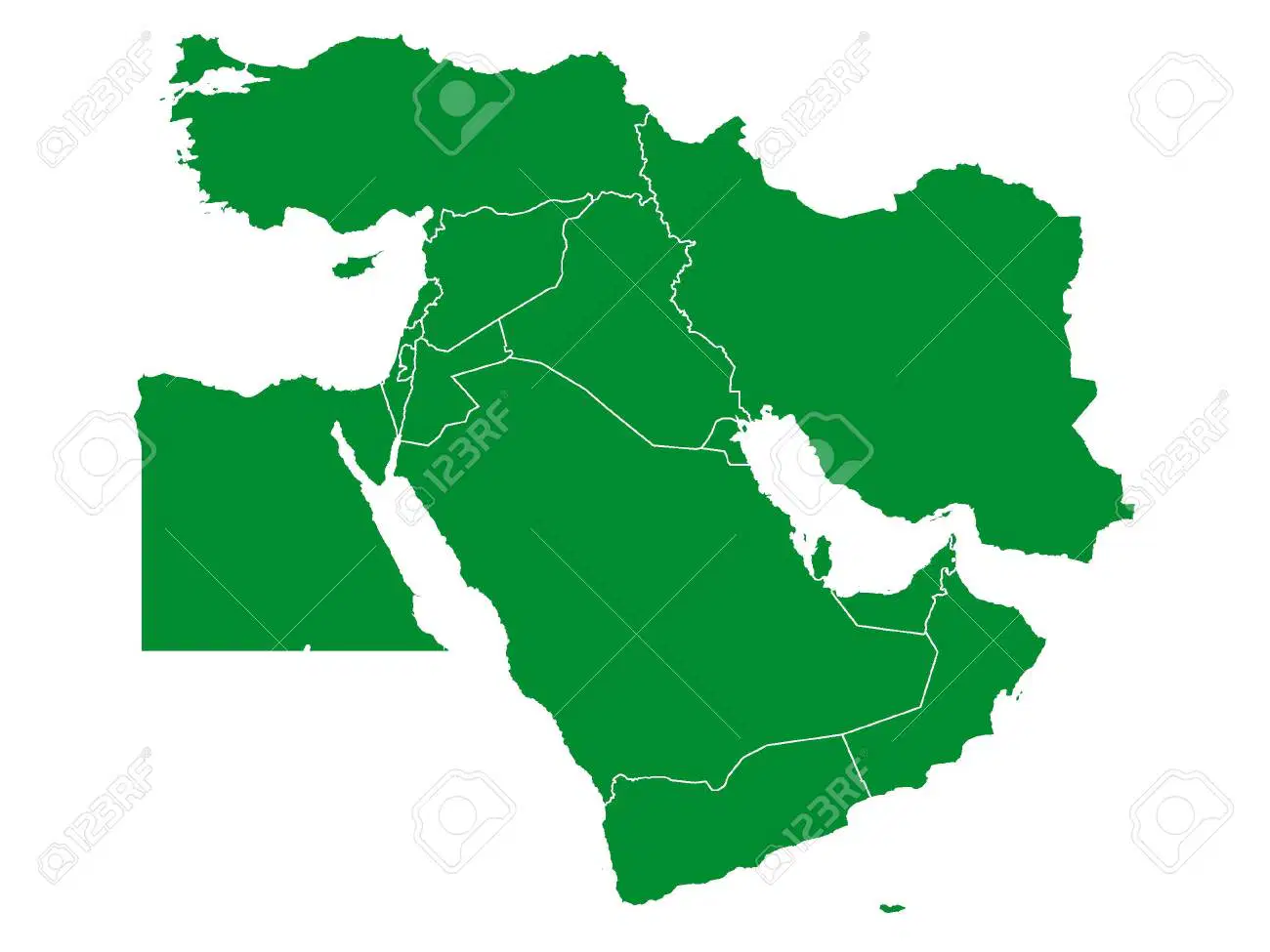
Which modern countries are part of the Middle East? [select the THREE correct answers]
Iran
Iraq
Turkey
Afghanistan
Italy

How did the geography of the Fertile Crescent and Mesopotamia shape the civilization that developed there? [check the TWO correct answers]
the twin rivers left rich silt upon the floodplain, good for agriculture
the lack of natural defenses on wide plains, required city walls for protection
the dense forests required slash and burn practices to clear the land for agriculture
the rugged, mountainous terrain isolated the communities, but protected them from attack
the proximity (closeness) to large bodies of water encouraged turning to the sea for travel/trade
What agricultural development helped to create a stable food supply?
Industrialization
Irrigation
Urbanization
Transportation
What activities could people focus on when a food surplus was created?
Building and trading
Hunting and gathering
Traveling and exploring
Fishing and farming
What did a reliable food source allow families and communities to do?
Focus on hunting
Grow and expand
Move frequently
Decrease in size
a ranking of people into higher or lower positions of respect, power, and wealth
public works
social classes
government
job specialization
These were at the top of the social hierarchy in most ancient civilizations.
kings, priests, and governments officials
farmers, fisherman, and merchants
kings, priests, and merchants
traders, merchants, and artisans
What is the term for people who believe in more than one god?
monotheists
polytheists
prophets
ziggurats
Which of the following is true of record keeping in ancient societies?
The printing press was developed to keep ancient governments organized.
Records were exclusively written using pictures rather than text.
Mostly everyone in ancient cities could read and write.
Records were mostly kept by the upper class, because the lower classes were illiterate.

What is the drawing a representation of?
Hieroglyphics
Cuneiform
Phoenician alphabet
alphanumeric grid
This part of urban life was the large projects that helped all citizens,
like defensive walls and irrigation systems.
writing
government
public works
job specialization

Imagine Maya is studying ancient civilizations and notices that priests were near the top of most ancient social structures. What does this show us about these ancient civilizations?
They cared about the priests, but not the king.
The people had no interest in religion.
Religion was an important part of their lives.
The people believed in only one god.

Why was irrigation important to ancient farmers?
It helped supply them with fish
It allowed them to grow crops by supplying water
They were able to walk the river basin
It helped them build houses from mud
Producing more goods or crops than needed is called a
Surplus
Merchant
Artisan
Scribe
What do you think is one NEGATIVE effect of urbanization?
People were protected by the walls in the city.
They had easier access to the surplus of food due to irrigation.
Cities were often overcrowded and disease spread rapidly.
Everything people needed was in walking distance.
Of the five main aspects of civilization, which usually happened FIRST and was the foundation for the other four aspects to be able to develop in a society?
stable food supply
job specialization
centralized government
complex culture
record keeping system

