
 Worksheets
3rd Grade-Chapter 8 Study Guide Practice
Total questions: 27
Worksheet time: 29mins

Match the correct term to the definitions.
a large farm, usually in a warm climate, on which many workers, servants or enslaved people live and work
plantation
someone who wants to end slavery
abolitionist
a crop grown for the purpose of selling it rather than consuming it
cash crop
a settlement of a conflict or disagreement by each side giving up something in order to get something
compromise
the concept of letting people decide on their own rules and government
popular sovereignty

to oppose or disobey someone in authority or control
rebel
to formally withdraw from an alliance or group, especially a political one
secede
to set free from slavery or other bondage
emancipate
a surprise attack by a small armed force
raid
a public or official announcement dealing with a matter of great importance
proclamation
the time period after the Civil War (1865-1877) that was used to rebuild the US government, the southern economy and to repair relationships in the south
Reconstruction
favoring or advocating for change and political improvements
progressive
to separate or restrict a group, especially on the basis of race
segregation
murder by sudden or secret attack, often for political reasons
assassination
the act of bringing together different or separate people or things
integration
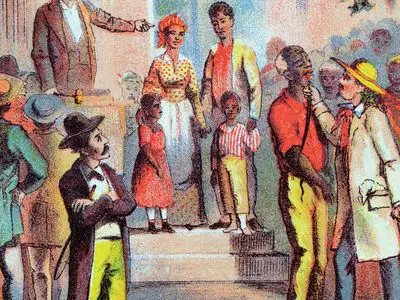
What is the name of the abolitionist that wrote the book, Uncle Tom's Cabin, for the purpose of bringing awareness to the cruel way slaves were treated on plantations and in slavery.
Nat Turner
Sojourner Truth
Harriet Beecher Stowe
Frederick Douglass

Who was the author of the North Star newspaper that also was a powerful abolitionist, and wrote many anti-slavery speeches after fleeing to freedom?
Dred Scott
Sojourner Truth
Harriet Tubman
Frederick Douglass
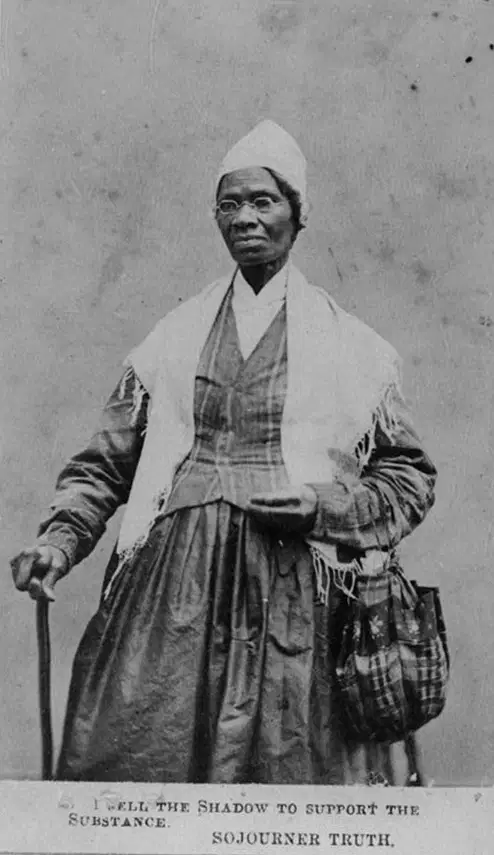
Who was the abolitionist that was born into slavery in New York and became an abolitionist and a preacher. She spoke for women's rights and wrote the famous poem, Ain't I a Woman.
Sojourner Truth
Harriet Tubman
Sojourner Truth
Harriet beecher Stowe

What is the name of the network that was used by abolitionists to assist slaves to escape to freedom in the North?
the Middle Passage
the Underground Railroad
the Transcontinental Railroad
the Mississippi Bubble
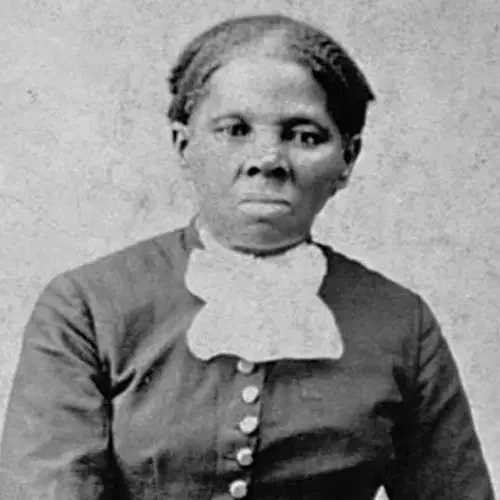
What is the name of the most famous conductor of the Underground Railroad that helped 70 enslaved people escape to freedom in the North?
Harriet Tubman
Sojourner Truth
Dorothea Dix
Frederick Douglass
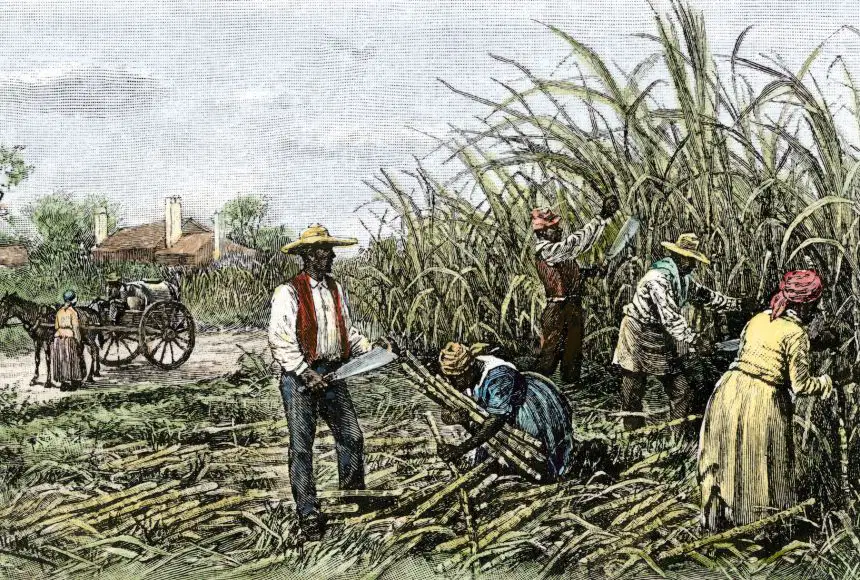
Why did the demand for slaves increase in the Southern states?
the South needed more slaves so that its population could be larger than that of the North
the South needed more slaves to fight against the Native American tribes
the South needed more slaves to make more money planting cash crops like cotton and sugar on plantations
the South needed more slaves to produce textiles in factories
What are the ways enslaved people resisted against the government and their owners?
Select four correct answers
wrote and delivered speeches to encourage people to join the abolitionist movement
they joined together and participated in raids to fight against their oppressors
they waged a war against the American government and won the fight
they escaped from their plantations and owners and helped others to escape from slavery
they sued in the courts in an attempt to gain freedom and change laws to help others get their freedom

What was the purpose of many of the compromises written to address the slavery issue in the United States?
Select two correct answers
to keep a balance between free and slave states to protect policies in the U.S. Congress
to make sure that slavery was protected in the United States
to give the President what he wanted and to keep him happy
to prevent the United States from breaking apart into Northern and Southern governments

Which compromise kept a balance of free and slave states in America by creating a line at the 36 degrees 30 line, also known as the Mason-Dixon line?
the Missouri Compromise
the Compromise of 1850
the Kansas-Nebraska Act
the Three-Fifths Compromise
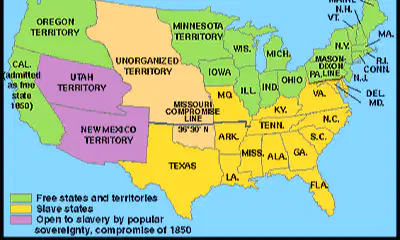
Which compromise was written to add California into the United States as a free state, and allowed New Mexico and Nevada to decide for themselves whether they would be free or slave states? This law also included the new Fugitive Slave Act.
the Missouri Compromise
Compromise of 1850
the Kansas-Nebraska Act
the Three-fifths Compromise
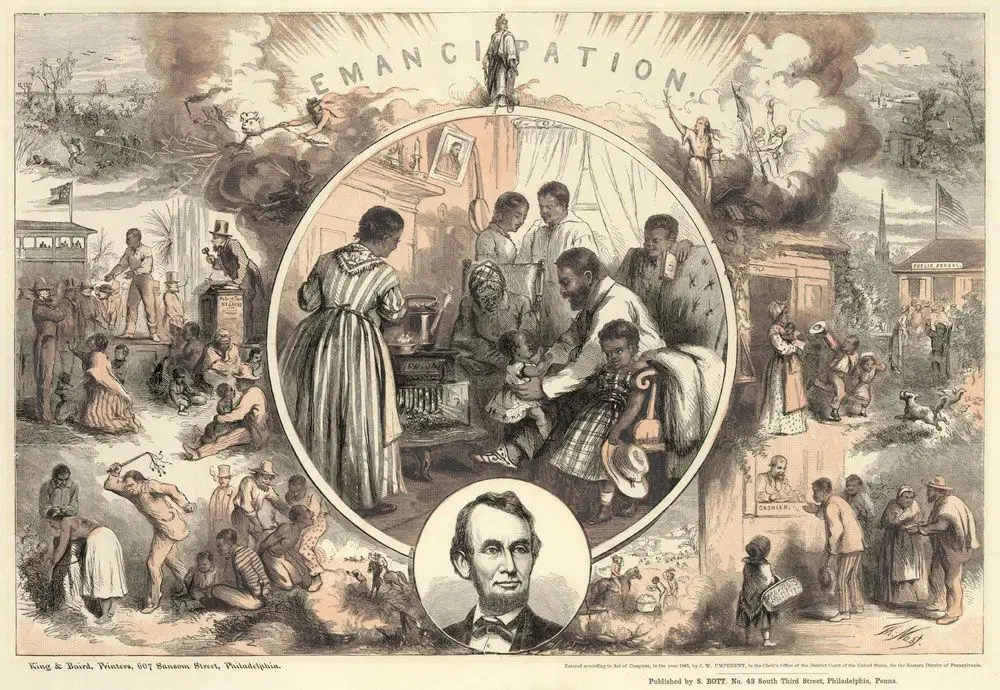
What did the south believe about how the issue of slavery should be handled by the United States government?
The southern states believed the President should decide whether or not slavery should be allowed in the United States.
The southern states believed that the citizens of the country should vote to decide if slavery should be allowed in the United States.
The southern states believed the issue of slavery was a states' right and each state should decide whether slavery should be allowed within their states.
The southern states believed the U.S. Supreme Court should decide whether or not slavery should be allowed in the United States.
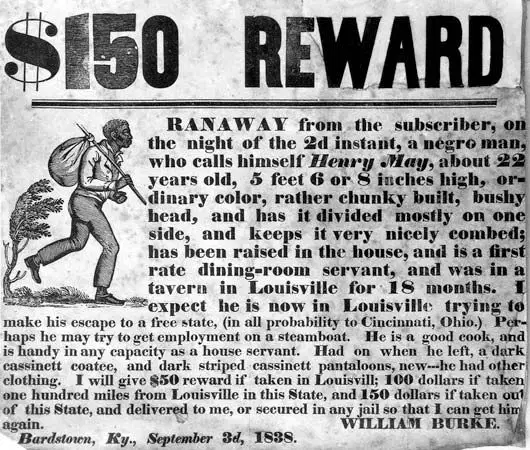
Who was required to catch and return slaves to their righful owners as a result of the Fugitive Slave Law?
the police
the Northerners
the slave owners
everyone was responsible to help the slave catchers
Which of the following was one of the effects of the Kansas-Nebraska Act?
Kansas and Nebraska were united into one territory
The people of Kansas could vote on the issue of slavery
Slavery was banned in both Kansas and Nebraska
Slavery was allowed in both Kansas and Nebraska
The Kansas-Nebraska Act repealed, or canceled, the 36 30’ line of the _________ __________.
Missouri Compromise
Compromise of 1850
The Fugitive Slave Laws
The Indian Removal Act
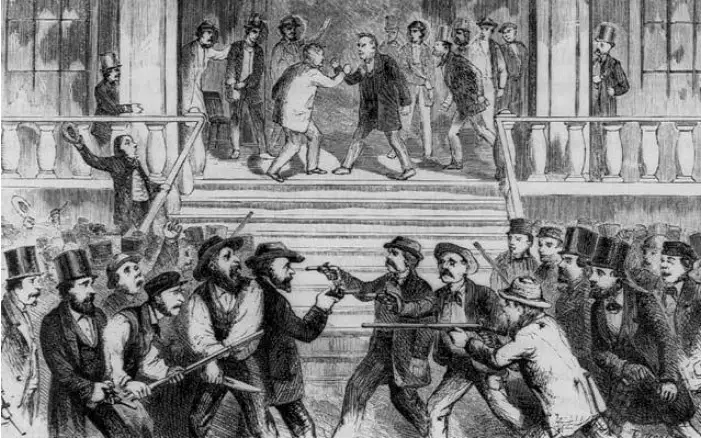
Please click to the two areas in 1854 where the people would vote to choose whether or not to allow slavery.
The Kansas-Nebraska Act allowed Kansas and Nebraska to (a)

Dred Scott is famous for
being the "Father of the Underground"
the first African American to run for President
being Abraham Lincoln's best friend
a lawsuit in the Supreme Court to earn his freedom

How did each of the acts in the box above impact the slavery issue within the United States?
Each act attempted to reduce conflict between slave and free states.
Each act aimed to promote the expansion of slavery into new territories.
Each act sought to eliminate slavery entirely in the United States.
Each act was designed to strengthen the Fugitive Slave Laws.

What were the "key facts" on which Dred Scott based his claim for freedom?
He had a young daughter and wife to support.
He was owned by Eliza Emerson.
He had lived in free states before.
He fulfilled his slavery contract.
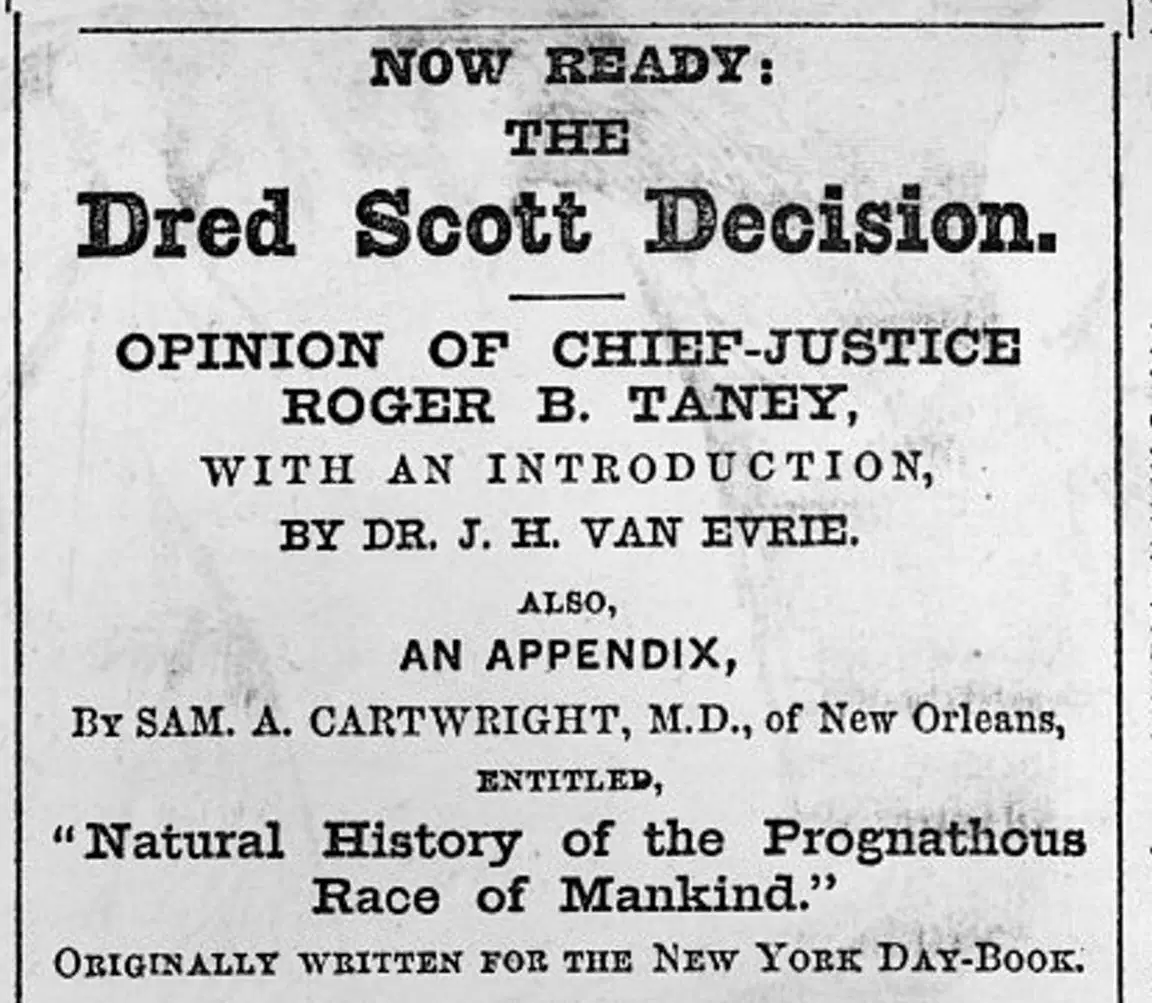
How did the decision in the Dred Scott case impact the United States on the issue of slavery?
Select three correct answers
it opened all states in the U.S. to slavery
it determined all slaves were property and had no right to sue for their freedom or rights as US citizens
it banned slavery in the North permanently
it overturned all of the previous slave compromises
it was the first case to free a slave that sued for their freedom and many other cases followed
Why did the compromises fail to solve the national argument about slavery?
Select three correct answers
the compromises were only a temporary fix because the US kept adding new territories and states
the compromises never worked and they were a failure from the start
the north and the south had two different ideas about slavery because the south needed them for economic purposes and the northerners thought slavery was morally wrong
the compromises favored the North and the south was not considered in their creation
the Fugitive Slave Act and the Dred Scott decision favored slavery and tiped the balance of power between the north and the south in government
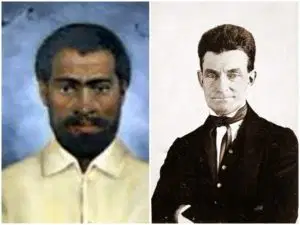
Match the abolitionist to the correct description.
-enslaved preacher
-led a raid in Virginia
-gathered enslaved men and provided them weapons to kill 60 people
-the raid failed and he was executed and more than 100 enslaved people were killed
Nat Turner
-Caucasian abolitionist
-gave slaves guns after taking over a government weapons storage in Harper's Ferry, Virginia
-they were surrounded and refused to surrender
-was tried and executed for the crime
John Brown
-founded the Underground Railroad
-helped many enslaved people escape to freedom
-was a former enslaved person
-worked closely with Harriet Tubman
Harriet Tubman

How did slavery end in the United States?
Select two correct answers
Slavery was ended when the United States Supreme Court ruled it unconstitutional.
Abraham Lincoln issued the Emancipation Proclamation, which freed slaves in rebellious territories.
Enslaved people waged a rebellion that successfully killed pro-slavery leaders. After they won, slavery ended in the U.S.
The United States had a civil war, which was fought between the Union (the North) and the Confederates (the South). The Union won the victory and slavery was ended with the passing of the 13th Amendment.

