
 Worksheets
Computer Controlled Systems (6.3) — Quiz Scored
Total questions: 55
Worksheet time: 28mins
Computer-controlled systems involve a computer or microprocessor that monitors and controls various devices using programmed instructions and sensor feedback. What is the defining feature of these systems?
They rely on a computer or microprocessor to monitor and control devices
They operate only through manual human intervention
They are limited to entertainment applications
They avoid using any sensors or programmed instructions
Computer-controlled systems are employed across multiple sectors to optimize efficiency and precision. Which of the following is not a typical example sector mentioned?
Automated manufacturing processes
Transport management
Safety systems
Creative writing workshops
What key benefit do computer-controlled systems provide across sectors?
They optimize efficiency and precision
They primarily increase screen time for users
They make devices more expensive without functional gains
They eliminate the need for any maintenance

In modern manufacturing, robots perform tasks with consistency and precision. Which task ensures uniform coverage and reduces waste?
Paint spraying car bodies
Manual hand-painting by workers
Randomized color application
Applying decals without measurement
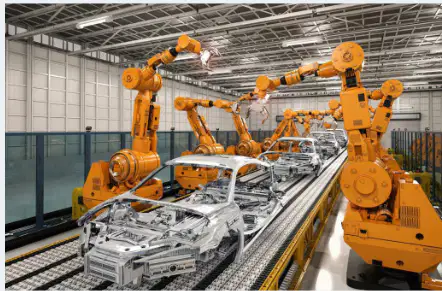
Which manufacturing process is automated to improve accuracy and speed?
Welding processes
Unstructured brainstorming sessions
Casual cafeteria services
Live musical performances on the factory floor
Automated systems move stock efficiently within warehouses, minimizing human error. What is the main outcome of using these systems for stock movement?
Reduced human error in stock handling
Increased manual lifting requirements
Longer delivery times for parts
Greater reliance on handwritten logs
Robots are controlled through two primary methods: programmed instructions and task recording by human operators. Which control methods are used? (Select two)
Programmed instructions
Task recording by human operators
Random trial-and-error without guidance
Voice-only unsupervised chatting
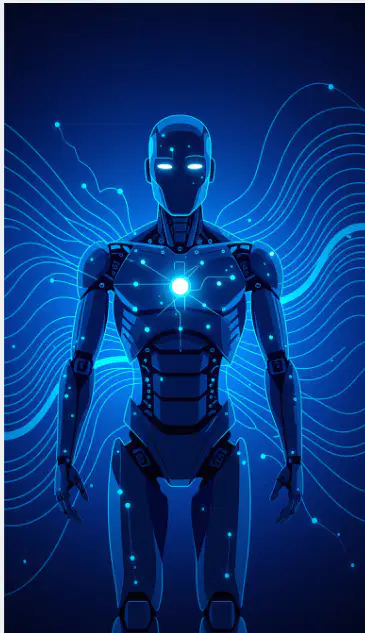
Sensors enable robots to detect the position of objects, ensuring accurate interaction. What do sensors allow robots to determine during tasks?
The position of objects
The lyrics of a song playing nearby
The author of a textbook cover
The taste of paint used on car bodies
Sensors help avoid errors, such as a paint-spraying robot only activating when a car body is present. Which scenario best shows sensors preventing mistakes?
A spray robot triggers only when a car body is detected
A spray robot runs on a fixed timer regardless of objects
A robot paints continuously until paint runs out
A worker guesses when to start the sprayer
Feedback from sensors allows robots to adapt to changing conditions and optimize their tasks. When the environment changes unexpectedly, what enables a robot to adjust its actions?
Feedback from sensors
A rigid, unchangeable command list
A louder factory soundtrack
Manual note-taking by nearby staff
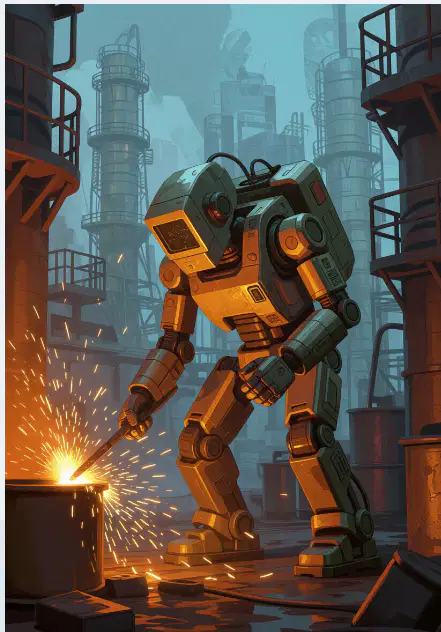
From the list of advantages of using robots in industrial applications, which benefit specifically protects human workers from harm?
Continuous 24/7 work
Operation in dangerous environments
High product consistency
Long-term cost efficiency
Which advantage of robots directly reduces defects and improves quality?
High product consistency
Continuous work without breaks
Increased productivity
Lower labor costs over time
Which advantage of robots enables faster output and higher throughput?
Operation in dangerous environments
High product consistency
Increased productivity
Reduced waste
Which advantage of robots is linked to reduced labor costs and waste over the long term?
Continuous 24/7 work
Long-term cost efficiency
Improved product quality
Human flexibility
Which drawback of using robots means they are not suitable for tasks that need human flexibility?
High initial investment
Not suitable for custom one-off tasks
Job losses in certain sectors
Relocation of factories
Which disadvantage refers to workers losing skills due to increased automation?
De-skilling of human workers
High initial investment
Relocation of factories
Increased productivity
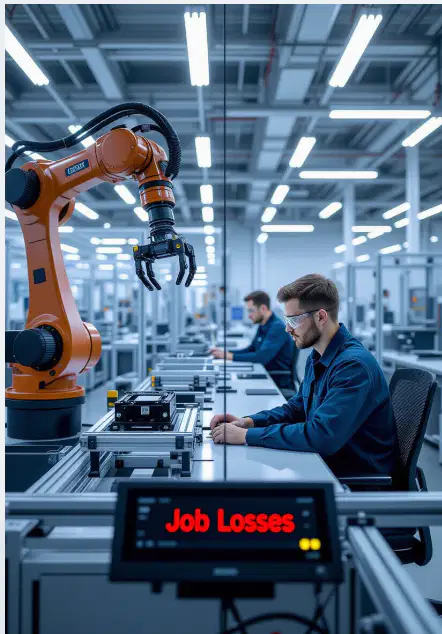
Which disadvantage highlights employment impacts where robots replace human labor?
Job losses in affected sectors
Lower costs from reduced waste
Improved quality control
Faster production speeds
Which disadvantage focuses on the large upfront spending required for robot systems and infrastructure?
De-skilling of workers
High initial investment
Not suitable for custom tasks
Continuous operation
Which disadvantage mentions moving manufacturing to areas with lower labor costs, causing unemployment?
Relocation of factories
High product consistency
Built-in quality control
Improved productivity
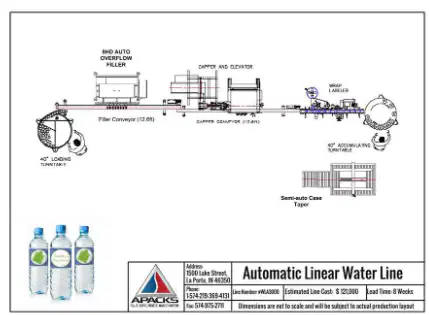
According to the description of production line control, what is one example of a computer-controlled process?
Automated bottling for drinks
Manual assembly of electronics
Hand-labeling packages
Human inspection of food cans

Which benefit of computer-controlled production lines increases output by accelerating processing speed?
Built-in quality control
Faster production speeds
Lower labor costs
Human flexibility
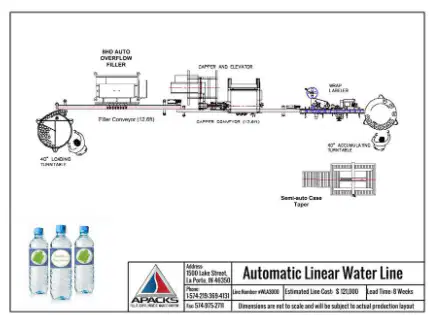
Which benefit describes detecting and removing defective items during production?
Improved productivity through continuous operation
Built-in quality control systems
Lower costs from reduced waste
Relocation of factories

Which benefit explains why computer-controlled lines can reduce overall expenses?
Lower costs due to reduced labor and waste
Increased human flexibility
Manual checking of defects
Limited operating hours

Class Discussion Prompt: Considering computer-controlled transport systems (smart motorways and networks), which cybersecurity risks could impact safety and infrastructure?
Unauthorized access that changes traffic signals or speed limits
Malware that disrupts system operations
Data tampering that feeds false readings from sensors
Routine security updates that patch vulnerabilities
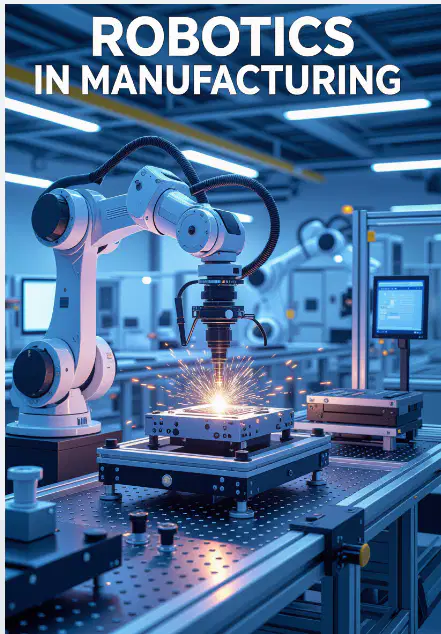
Quick Review (Student Checkpoint): Define robotics in manufacturing.
The use of programmable machines and computer control to perform production tasks
Relying exclusively on human workers to assemble products
Planning delivery routes for finished goods
Storing and cataloging raw materials in a warehouse
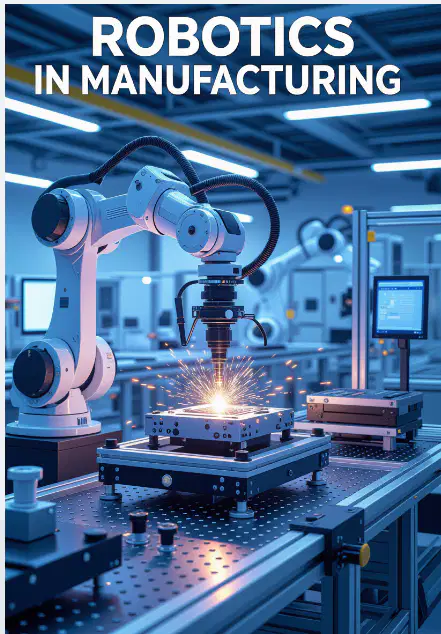
Quick Review (Student Checkpoint): Which are advantages of using robots in manufacturing? Select all that apply.
Greater precision and consistent quality
Ability to operate in hazardous environments
Higher upfront purchase cost
Reduced downtime through automated operation
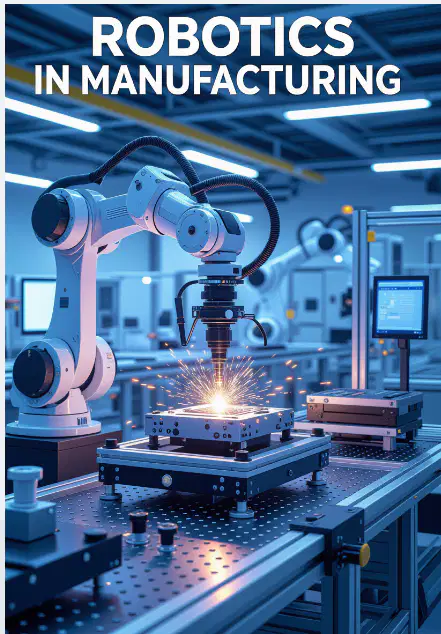
Quick Review (Student Checkpoint): Which are disadvantages of using robots in manufacturing? Select all that apply.
Potential job displacement for some roles
High initial investment and ongoing maintenance costs
Improved quality control on repetitive tasks
Need for specialized programming and technical skills
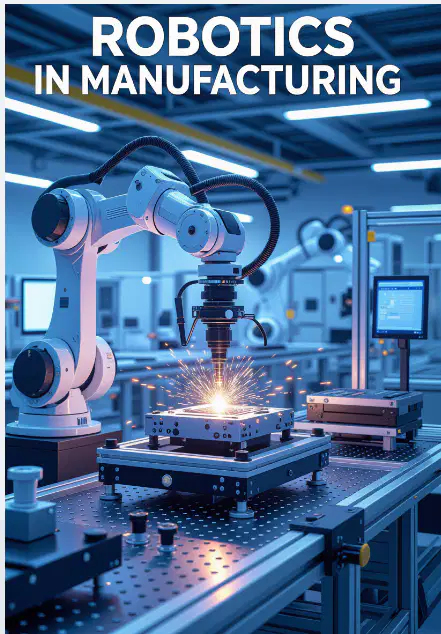
Quick Review (Student Checkpoint): Explain the role of sensors in robotic systems.
Providing feedback about position, speed, and environment so robots can adjust actions
Storing production schedules for managers
Changing the color of paint used on products
Financing equipment purchases
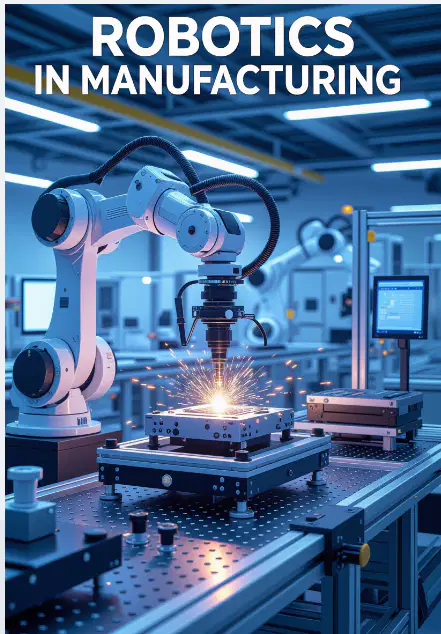
Quick Review (Student Checkpoint): Provide an example of an automated production process.
Robotic welding on an assembly line
Handwritten labels applied to packages
Manual assembly using hand tools
Human-only visual inspection of parts
What is the primary function of sensors in robotic systems?
To store historical data for analysis
To provide feedback for adjusting actions based on environmental changes
To enhance the aesthetic design of robots
To limit the operational speed of robots
Which advantage of using robots in manufacturing is related to maintaining consistent quality?
Increased labor costs
Greater reliance on manual checks
High product consistency
Reduced operational hours
Which disadvantage of automation can lead to a lack of job opportunities for skilled workers?
Limited operational efficiency
Increased need for manual oversight
Higher production costs
Job displacement due to increased automation
What is automation in manufacturing?
Automation in manufacturing is the use of technology to perform tasks with minimal human intervention.
Automation in manufacturing is solely about reducing costs.
Automation in manufacturing requires constant human supervision.
Automation in manufacturing eliminates the need for any technology.
How do robotics improve efficiency in production?
Robotics enhance production efficiency through automation, precision, and continuous operation.
Robotics reduce the need for skilled workers in all industries.
Robotics only work effectively in manual labor tasks.
Robotics slow down production due to frequent maintenance.
List one advantage of using robots in industry.
Increased manual errors
Increased productivity
Higher labor costs
Decreased efficiency
What is a disadvantage of using robots?
Increased efficiency in manufacturing.
Lower operational costs for businesses.
Job displacement for human workers.
Enhanced precision in tasks.
What role do robots play in manufacturing?
Robots replace human workers entirely in manufacturing.
Robots are primarily used for administrative tasks in manufacturing.
Robots automate tasks, improve precision, and enhance productivity in manufacturing.
Robots only serve as decorative elements in manufacturing facilities.
Name a use of computer controlled systems in daily life.
Smart thermostats
Traditional ovens
Manual light switches
Analog clocks
Explain how computer controlled systems operate.
They function by manually adjusting settings without automation.
Computer controlled systems operate by collecting data through sensors, processing it, and controlling devices based on the analysis.
Computer controlled systems do not use sensors or data analysis.
They operate solely on pre-programmed instructions without any data input.
What is the impact of automation on job opportunities?
Automation eliminates all job opportunities permanently.
Automation only creates low-skilled jobs with no advancement.
Automation can reduce some job opportunities while creating new ones, leading to a net change that depends on the industry.
Automation has no effect on job opportunities in any industry.
Why are computer controlled systems important in modern society?
They are only useful in the entertainment industry.
They reduce the need for human workers in all sectors.
They improve efficiency, accuracy, and safety across various sectors.
They complicate processes and increase costs.
What are some examples of smart home devices?
smart washing machines
smart refrigerators
Examples of smart home devices include smart speakers, smart thermostats, smart lights, and smart security cameras.
smart microwaves
How can computer controlled systems improve quality control?
Delaying defect detection
Computer controlled systems improve quality control by automating inspections, reducing human error, and enabling real-time defect detection.
Eliminating all human involvement
Increasing manual inspections
What challenges do companies face when implementing robotics?
Lower operational costs
Increased customer satisfaction
Simplified supply chain management
High initial costs, integration issues, workforce resistance, maintenance needs, and training requirements.
What are the potential risks associated with the use of robotics in manufacturing?
Improved product quality
Increased labor costs
Potential job loss and skills gap for workers
Enhanced employee morale
How can robotics be utilized in warehouse operations?
Robotics are primarily used for customer service in warehouses.
Robotics slow down warehouse operations due to frequent breakdowns.
Robotics can be utilized in warehouse operations for tasks such as sorting, packing, and inventory management.
Robotics are only effective in outdoor environments.
What is the significance of data analytics in automated systems?
Data analytics is significant in automated systems as it helps in making informed decisions, optimizing processes, and predicting outcomes.
Data analytics only complicates the automation process.
Data analytics has no role in automated systems.
Data analytics is only useful for financial sectors.
What is a key feature of smart security systems?
They are only effective in commercial buildings.
They can send alerts and notifications to users remotely.
They require constant human monitoring.
They only function during the day.
How do automated systems enhance customer service in retail?
By replacing all human staff with machines.
By complicating the checkout process.
By limiting customer interaction to self-service kiosks.
By providing personalized recommendations and faster service.
How do automated inventory management systems benefit businesses?
They are only useful for large warehouses.
They increase the likelihood of stockouts and overstock situations.
They provide real-time tracking, reduce human error, and optimize stock levels.
They require extensive manual input to function.
What is the role of machine learning in enhancing data analytics?
Machine learning has no impact on data analytics.
Machine learning helps in identifying patterns and making predictions based on data.
Machine learning complicates the data analysis process.
Machine learning is only applicable in the gaming industry.
How do automated systems improve safety in industrial environments?
By increasing the number of workers on the floor.
By monitoring equipment and processes to prevent accidents.
By eliminating the need for safety protocols.
By replacing all safety personnel with machines.
What is a key advantage of using AI in customer service?
AI enhances customer service by providing 24/7 support and personalized interactions.
AI can only handle simple queries.
AI complicates the customer service process.
AI replaces all human customer service representatives.
How do smart appliances contribute to home automation?
Smart appliances can be programmed to operate automatically based on user preferences.
Smart appliances do not connect to the internet.
Smart appliances require manual operation at all times.
Smart appliances are only effective in commercial settings.
What is a significant challenge in implementing automation in small businesses?
High initial investment costs and limited resources for implementation.
Automation is always beneficial for small businesses.
Small businesses have no need for automation.
Automation simplifies all business processes without any drawbacks.