
 Worksheets
What is not Robotics
Total questions: 22
Worksheet time: 10mins

You connect an Arduino, an ultrasonic sensor, and two DC motors. What have you actually built?
A service robot
An autonomous system
A robotics engineering project
An electronics hobby demo

Which skill is most responsible for turning a “YouTube robot” into a real robot?
Following tutorials faster
Buying better sensors
Understanding system-level design
Adding more LEDs
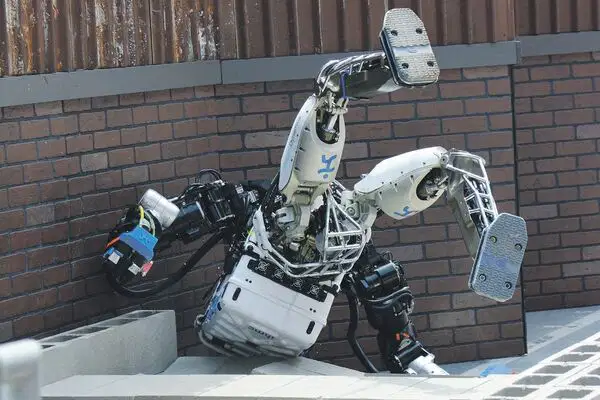
If a robot fails every third attempt at a task, what is it best suited for?
Industrial automation
Medical robotics
YouTube thumbnails
Warehouse logistics

Why does a robot that ‘works on your desk’ often fail in the real world?
Gravity behaves differently outside
Real environments introduce uncertainty
Motors get scared
The code misses home
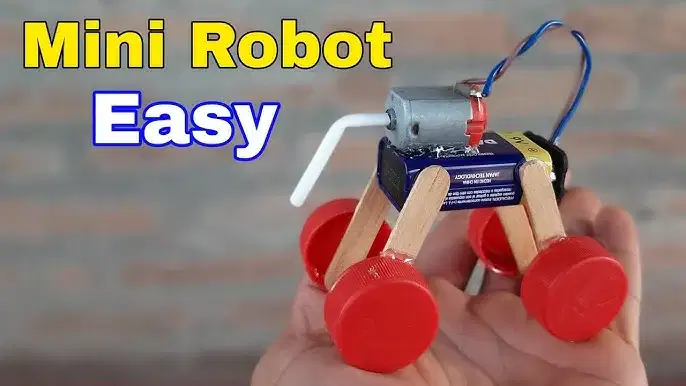
Which of the following is the most common illusion sold to beginners in robotics?
Robotics is expensive
Robotics requires teamwork
Robotics is just wiring + code
Robotics takes years to master

Why is cloth folding with a robot arm significantly harder than picking up a rigid object?
Cloth is heavier
Cloth has infinite possible configurations
Sensors cannot detect cloth
Motors cannot move slowly

In stair-climbing robots like advanced Roomba prototypes, what primarily increases hardware complexity?
Battery size
Sensor count
Mechanical degrees of freedom and load paths
Wi-Fi connectivity

“If the hardware is wrong, no algorithm can save it.” What does this statement primarily refer to?
Poor coding style
Inadequate mechanical design and actuation
Low-resolution cameras
Outdated microcontrollers

Why is kinematics fundamental in multi-joint robot arms?
It controls battery usage
It defines how joint motion maps to end-effector position
It replaces control theory
It eliminates the need for sensors

What is the real engineering risk of unstable control in a physical robot?
Reduced efficiency
Software crashes
Hardware damage and human injury
Network latency

Why can two robots with identical code behave completely differently in the real world?
Manufacturing tolerances and physical uncertainty
Different programming languages
Cloud latency
Sensor brands
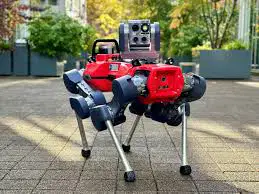
What makes robots like ANYmal capable of long-term autonomy?
Large batteries
Self-charging, perception, and robust locomotion combined
Remote human control
High-speed processors alone

Why does adding more sensors not automatically make a robot ‘smarter’?
Sensors slow down processors
Data without models is useless
Sensors conflict with motors
Sensors consume memory
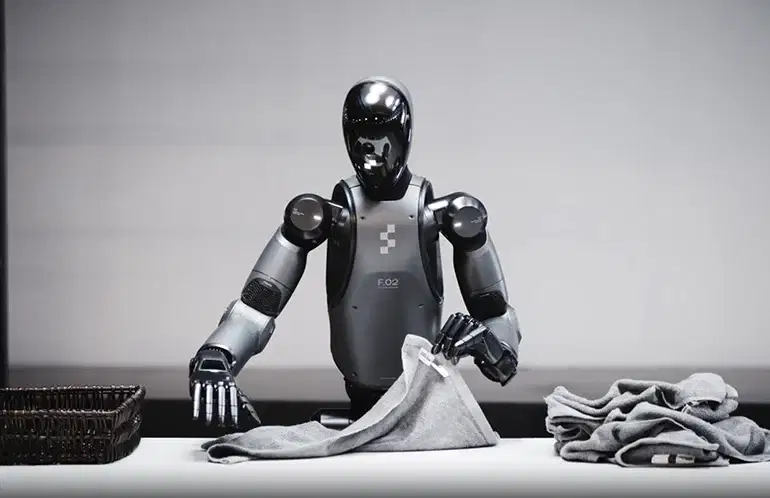
In humanoid robots like Figure, why is perception tightly coupled with manipulation?
Vision replaces motors
Tasks require understanding both environment and body
LLMs handle motion planning
Cameras control joints directly

What is the most difficult part of making robots work reliably outside the lab?
Writing code
Dealing with uncertainty, noise, and failure modes
Buying components
Training neural networks

Which skill separates a robotics hobbyist from a robotics engineer?
Ability to assemble kits
Ability to debug system-level failures
Ability to upload code
Ability to follow tutorials

Why do most real robotics jobs require understanding mechanics, math, and software together?
Companies prefer overqualified engineers
Robotics is inherently interdisciplinary
Software alone is insufficient
Hardware alone is insufficient

If math is ‘broken,’ what exactly does the robot lose?
Speed
Power
Its ability to perceive and reason about space
Internet access

Why are LLMs (Large Language Models) exciting but insufficient on their own for robotics?
They cannot generate code
They lack grounding in physical reality
They require internet access
They replace control theory
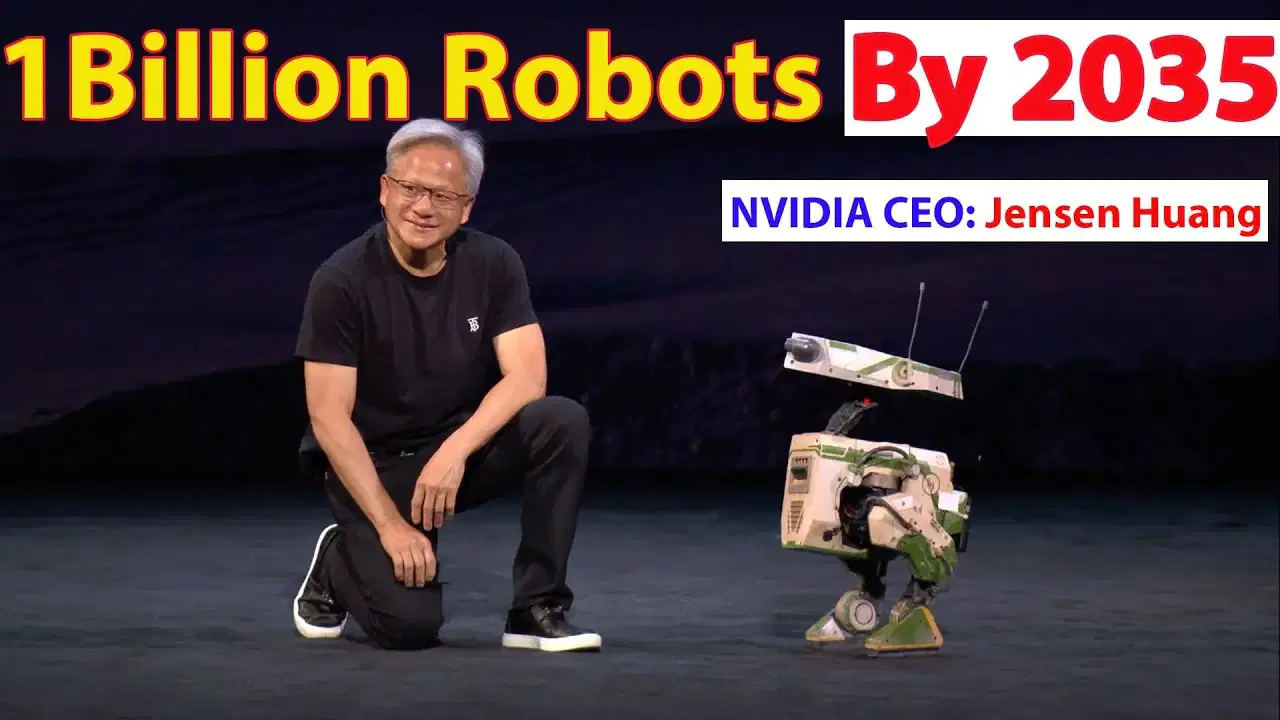
Which career path best matches the future Jensen Huang describes (1 billion robots by 2035)?
Single-skill programmer
Component reseller only
Robotics system thinker (engineering, business, or startup)
Hobbyist builder

What is the hardest engineering challenge in building a real Iron Man–style exoskeleton?
Materials
Power density and control stability
AI intelligence
Armor design
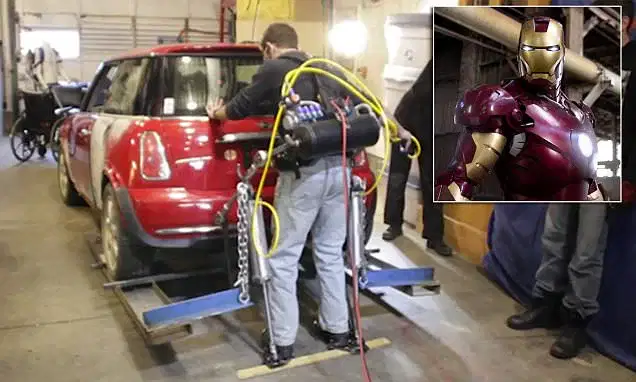
Why is human-robot control in exoskeletons fundamentally harder than controlling an industrial robot?
Humans are unpredictable, compliant, and fragile
Sensors are inaccurate
Motors are weaker
Software is slower

