
 Worksheets
Lesson 9: The Political Self and Being a Filipino - Introduction
Total questions: 49
Worksheet time: 25mins
Which learning objective best aligns with examining personal values and traits associated with Filipino identity?
Explore citizenship through creative activity
Identify different Filipino values and traits
Develop a Filipino identity through practice
Reflect on selfhood in national context

The activity asks students to cut out pictures from magazines and newspapers. What is the primary purpose of this task?
Illustrate what being a Filipino is about
Collect historical sources for analysis
Compare foreign cultures and languages
Demonstrate artistic skills in collage
Which statement best explains how colonization influenced contemporary Filipino identity, according to the learning content?
It eliminated indigenous beliefs entirely
It led to immediate unity without conflict
It set foundations through foreign culture and religion
It prevented national liberation indefinitely
Given the note that colonial mentality remains an issue, which classroom reflection would show strategic thinking about selfhood?
Listing three Filipino national symbols
Describing pride in citizenship without reasons
Planning how to resist internalized colonial bias
Memorizing dates of foreign occupation
Which statement best defines Filipino citizenship as outlined in the 1987 Philippine Constitution?
Citizenship granted exclusively to long-term residents with property
Citizenship solely by birth within Philippine territory
Citizenship through Filipino parents, mothers before 1973, and naturalization
Citizenship only by swearing allegiance after age twenty-one
Which example reflects how national values help shape Filipino identity beyond race or ethnicity?
Using only physical traits to identify nationality
Emphasizing shared goals, principles, and cultural practices
Relying on famous personalities for national character
Rejecting all influences from colonial history
Which phrase captures the core idea of Filipino hospitality described in the material?
Offering minimal assistance to avoid debt
Limiting visits to brief conversations outside
Treating guests like family with food and care
Formal greetings for acquaintances only
Which practice shows respect for elders in everyday Filipino speech?
Speaking loudly to ensure elders hear
Avoiding titles to promote equality
Adding 'po' and 'opo' when addressing elders
Using first names for all older relatives
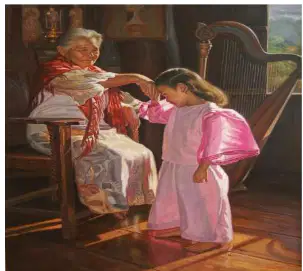
What does 'Mano po' signify in Filipino culture?
A greeting reserved for religious leaders only
A farewell before traveling abroad
A ritual of asking blessing by kissing an elder’s hand
A phrase used only during fiestas and weddings
Which term appropriately addresses an older sister in Filipino kinship language?
Lolo
Ate
Kuya
Tito
Which behavior aligns with Filipino hospitality toward visitors?
Preparing best plates and serving special foods
Limiting tours to avoid inconvenience
Directing guests to buy their own meals
Using ordinary dishes to avoid showing off
Which cultural habit is commonly experienced by tourists in the Philippines?
Colorful jeepneys and greetings like 'Mabuhay!'
A custom of avoiding eye contact with strangers
Strict prohibition on asking about meals
Silence in public transport systems
Which pair correctly matches Filipino kinship terms to relatives?
Lola—grandmother; Tito—uncle
Kuya—older sister; Ate—older brother
Manong—father; Aling—mother
Tito—grandfather; Lola—aunt
Which statement best reflects the role of history in Filipino identity formation?
Colonial and cultural experiences influence values and traits
Only constitutional definitions determine identity
History has no effect on present behaviors
Famous modern figures exclusively shape identity
Which example shows hospitality during local festivals?
Restricting outsiders from joining celebrations
Charging visitors for every meal served
Serving heaps of festive foods for many guests
Inviting only immediate family to eat
What is a common practice when entering a Filipino home that reflects courtesy?
Keeping shoes on at all times
Leaving shoes or slippers at the door
Declining all offers of food or drink
Announcing arrival with loud shouts
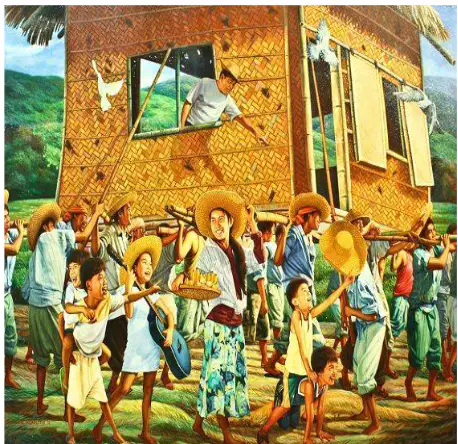
Which trait best exemplifies communal unity where people volunteer time and effort to help those in need?
Bayanihan spirit of cooperation
Bahala Na carefree outlook
Colonial mentality preference
Crab mentality competitive envy
What does the phrase Bahala Na most closely convey in common usage?
Leaving matters to God
Planning every detail
Blaming external forces
Rejecting all responsibility
Colonial mentality primarily involves which attitude toward goods and appearance?
Choosing traditional attire
Favoring foreign over local
Preferring handmade items
Rejecting modern trends
What habit is referred to by the term Mañana in Filipino culture?
Procrastinating tasks to later
Working overtime daily
Finishing tasks ahead early
Delegating duties to peers
Ningas kugon describes which pattern of motivation?
No start due to fear
Consistent effort throughout
Slow start then steady rise
Strong start then quick decline
Crab mentality most accurately means what in social interaction?
Mentoring peers generously
Competing fairly and kindly
Celebrating others’ success
Pulling others down from envy
Filipino Time typically results in what outcome for scheduled gatherings?
Hosts cancel events entirely
Late arrivals become normalized
Everyone arrives earlier
Meetings start exactly on time
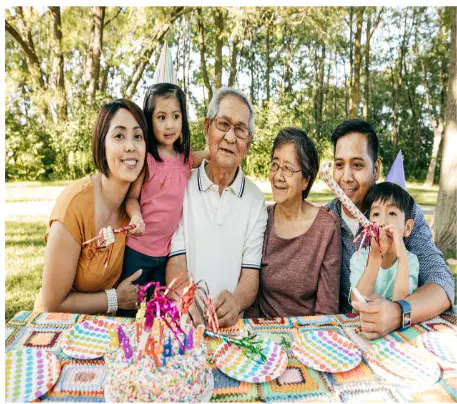
Close family ties are reflected by which practice regarding elder care?
Outsourcing to agencies
Relying on nursing homes
Caring for elders at home
Formal contracts for care
Cheerful personality functions as a coping strategy by encouraging which behavior during crises?
Ignoring all responsibilities
Withdrawing from others
Smiling to stay resilient
Expressing anger publicly
Self-sacrifice among OFWs is best illustrated by which decision?
Working abroad for family
Emigrating for leisure only
Avoiding all employment
Pursuing fame over duty
Which two traits together can compound project delays when starting enthusiastically but postponing tasks later?
Bayanihan and Pride
Colonial and Filipino Time
Ningas kugon and Mañana
Bahala Na and Cheerful
Which attitude can be reframed positively as trusting outcomes while staying hopeful?
Colonial mentality view
Crab mentality habit
Bahala Na outlook
Prideful stubbornness
Which behavior undermines national identity by valuing foreign products and beauty trends more than local ones?
Colonial mentality
Cheerful personality
Close family ties
Bayanihan
Which social habit normalizes adjusting a 7:00 pm call time to around 7:30 pm because most attendees arrive late?
Crab Mentality
Ningas Kugon
Mañana Habit
Filipino Time
Which trait can hinder reconciliation by making individuals avoid apologizing first?
Self-sacrifice
Cheerfulness
Bayanihan
Pride
Which classification best fits a salawikain that advises practicing honesty and condemns cheating?
General truths about life and nature
System of values and social norms
Ethical proverbs on virtues and vices
General attitude toward life and laws
Damiana Eugenio’s contribution to Philippine folklore is most closely associated with which idea?
She founded the National Museum of Folklore
She cataloged six types of Filipino proverbs
She translated all myths into English
She wrote the first Tagalog dictionary
“Kung may tiyaga, may nilaga” exemplifies which key lesson emphasized in Filipino proverbs?
Luck determines one’s success
Hard work brings eventual reward
Obedience ensures social harmony
Humor lightens daily burdens
Which statement reflects a Filipino superstition mentioned in the material?
Singing while cooking leads to better flavors
Eating pineapple at night invites bad luck
A woman singing while cooking becomes a spinster
Taking pictures in pairs brings misfortune
What is the rationale often given for the endurance of Filipino superstitions?
They are codified into national law
They are passed down and retold through experience
They are proven by scientific research
They are strictly enforced by elders
In the legend of the origin of the pineapple, what wish led to the fruit with many “eyes”?
The mother wished for Pina to be diligent
The mother wished for Pina to have patience
The mother wished for eyes on Pina’s face
The mother wished for fruit to grow fast
Which description best defines Filipino myths and legends as presented?
Stories explaining origins and teaching lessons
Scientific texts describing natural laws
Legal records explaining political events
Biographies of national leaders
Why are heroes commemorated annually toward the end of August?
To recognize achievements in the arts
To celebrate harvest traditions
To honor sacrifices for freedom and progress
To mark the founding of the republic
Which set correctly pairs an icon with the domain that elevates Filipino identity?
Lea Salonga—culinary arts
Jose Rizal—national heroism
All three—visual painting
Manny Pacquiao—music performance
Which category in Eugenio’s list would best include humorous sayings that playfully critique daily habits?
Ethical proverbs on virtues and vices
System of values and social norms
Humorous proverbs and miscellany
General truths about life and nature
Which action best exemplifies being an active Filipino citizen in choosing leaders?
Skipping voting to avoid long lines
Posting memes criticizing candidates online
Participating in community dialogues before elections
Waiting for celebrities to endorse candidates
Studying Philippine history primarily helps you do what as a citizen?
Compare the Philippines to other nations superficially
Memorize dates for trivia competitions
Avoid discussing politics with anyone
Understand events to love and serve the country
Buying local products most directly strengthens which aspect of national life?
Military readiness through increased taxes
International tourism through foreign spending
Domestic economy through jobs and investment
Religious institutions through donations
Speaking the Filipino language serves primarily as what for identity?
A unique national identifier of being Filipino
A temporary hobby for bilingual students
A ceremonial language for rare occasions
A regional dialect used only in Manila
Which practice reflects digital literacy and responsibility online?
Verifying information before sharing on social media
Sharing viral posts to raise engagement numbers
Arguing with insults to win debates
Blocking all opposing political viewpoints
What is the democratic way to engage with political dissent?
Unfollow anyone who disagrees immediately
Spread sensational claims to outshout rivals
Silence opponents through coordinated reporting
Recognize disagreement and argue intelligently
Supporting local businesses is likely to lead to which outcome?
Higher emigration of business owners abroad
Increased imports that reduce domestic hiring
More demand that opens new job opportunities
Fewer entrepreneurs investing within the country
Jose Rizal’s emphasis on a national language highlights which civic value?
Restricting communication with overseas Filipinos
Displaying love of one’s country
Promoting purely regional identities
Preventing any use of English in schools

