
 Worksheets
Material Properties and Stress Concepts
Total questions: 27
Worksheet time: 27mins
the ability of a material to deform under tensile load (% elongation)
(a)
the ability of a body to resist a distorting influence or stress and to return its original size and shape when the stress is removed
(a)
the maximum stress a material can withstand under repeated loading (MPa)
(a)
the ability of a material to undergo irreversible or permanent deformations without breaking or rupturing; opposite of brittleness
(a)
the ratio of lateral strain to axial strain (no units)
(a)
the maximum tensile stress a material can withstand before failure (MPa)
(a)
the ability of a material to absorb energy (or withstand shock) and plastically deform without fracturing (or rupturing); a material's resistance to fracture when stressed; combination of strength and plasticity
(a)
the stress at which a material starts to yield plastically (MPa)
(a)
the ratio of linear stress to linear strain (MPa)
(a)
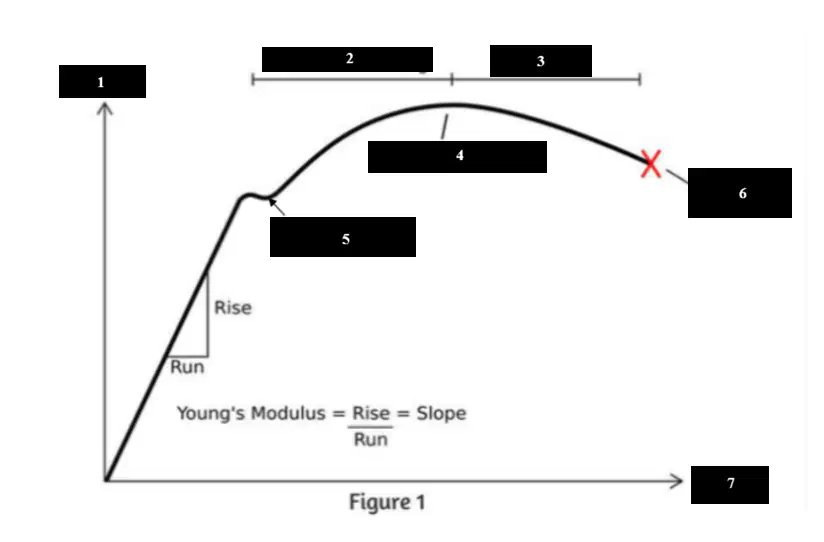
What is 1?
(a)
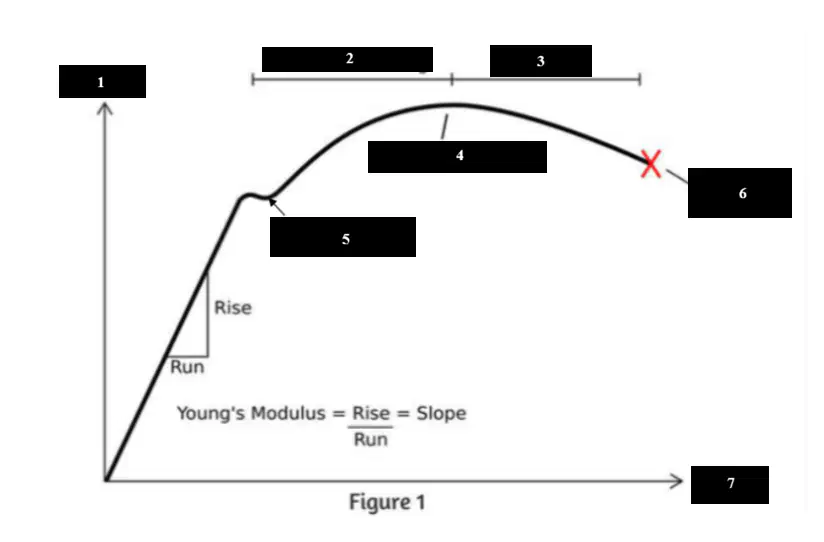
What is 2?
(a)
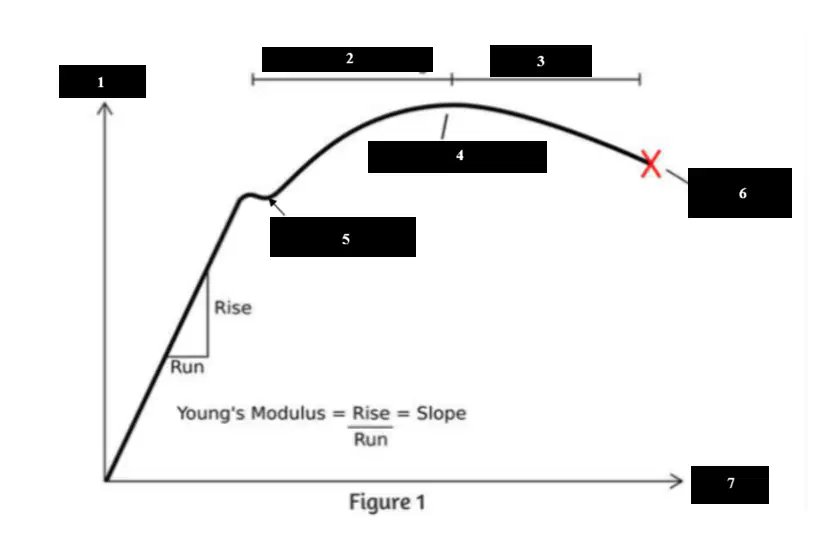
What is 3?
(a)
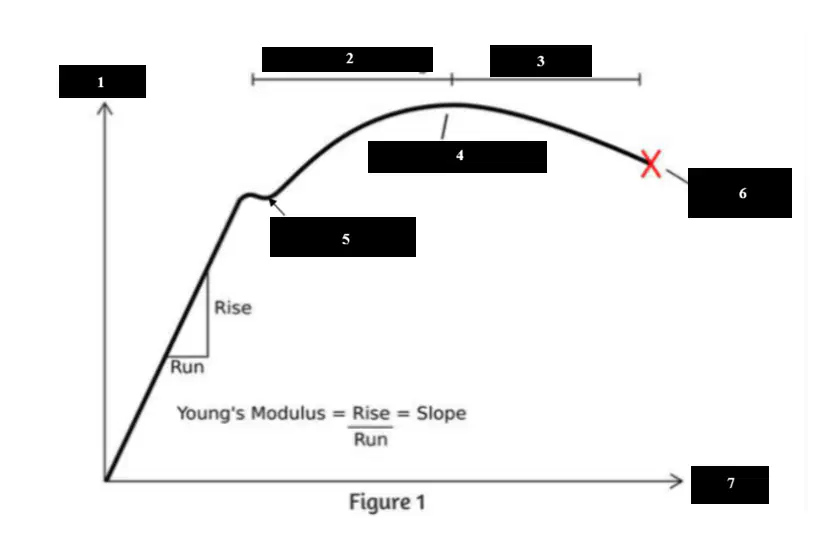
What is 4?
(a)
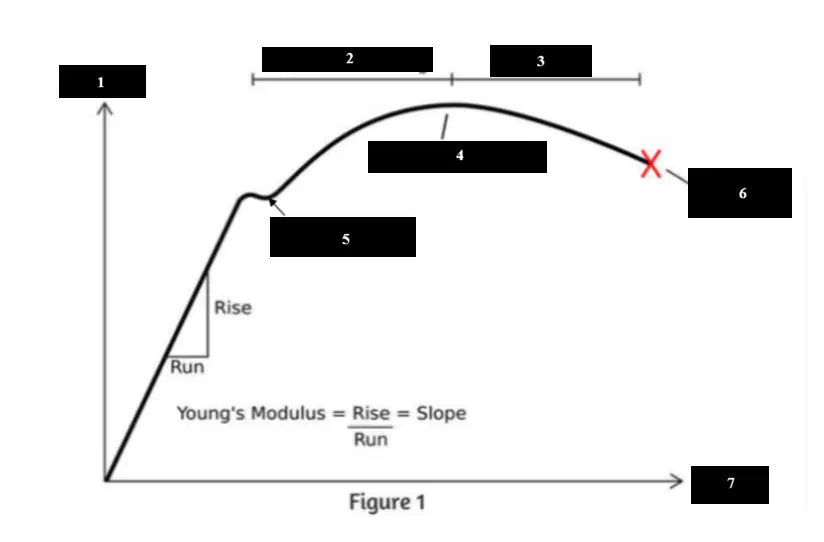
What is 5?
(a)

What is 6?
(a)
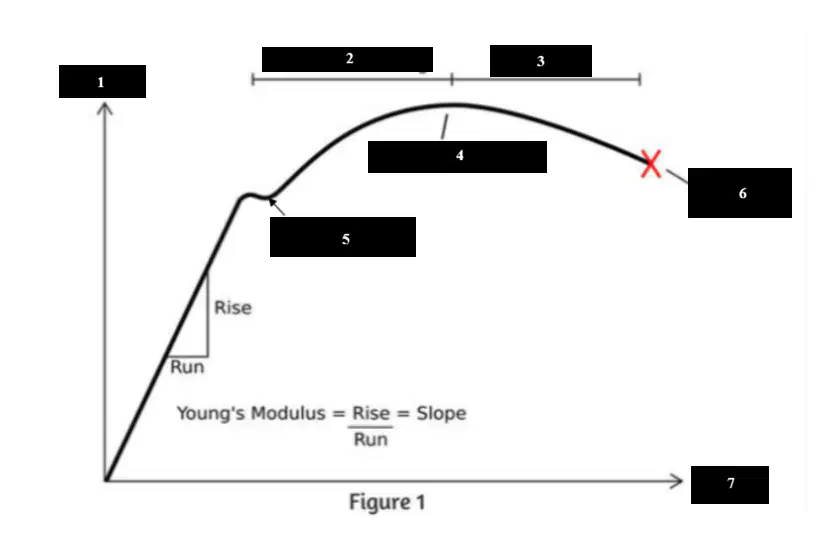
What is 7?
(a)
In what deformation, the material will return to the original state if the stress is removed prior to fracture
(a)
If the material undergoes this deformation, then removing the stress will not return the material to the original state
(a)
A material showing only elastic deformation will undergo this sort of fracture.
(a)
Tells how much material will deform before breaking
(a)
tells how much energy a material can absorb
(a)
Describes the combination of strength and ductility
(a)
Measured as the area under stress-strain curve
(a)
links the lateral contraction to the linear extension
(a)
Viscoelastic materials will demonstrate this phenomenon known as the loss of energy
(a)
is failure from fracture that results from large number of cycles at stresses below yield stress
(a)
Fatigue is failure from (a) that results from large number of cycles at stresses below yield stress

