
Font size
 Worksheets
Nguyen's Review
Total questions: 85
Worksheet time: 1hrs 25mins
Which biomolecule contains pastas and breads?
¿Qué biomolécula contienen las pastas y el pan?
Which biomolecule helps form body structures like muscles?
¿Qué biomolécula ayuda a formar estructuras corporales como los músculos?
Which biomolecule is responsible for insulation and long term energy storage?
¿Qué biomolécula es responsable del aislamiento térmico y del almacenamiento de energía a largo plazo?
Which biomolecule includes sugars, cellulose and starch?
¿Qué biomolécula incluye azúcares, celulosa y almidón?
Which biomolecule is your main source of energy?
¿Qué biomolécula es tu principal fuente de energía?
Which biomolecule contains fats, oils, and waxes?
¿Qué biomolécula contiene grasas, aceites y ceras?
What is the function of carbohydrates?
provides quick energy
stores energy
helps with growth and repair of tissues
stores genetic information
What is the function of proteins?
provides quick energy
stores energy
helps with growth and repair of tissues
stores genetic information
What is the function of nucleic acid?
provides quick energy
stores energy
helps with growth and repair of tissues
stores genetic information
What is the monomer for carbohydrates?
Monosaccarides
Fatty Acids
Amino Acids
Nucleotides
What is the monomer for nucleic acid?
Monosaccarides
Fatty Acids
Amino Acids
Nucleotides
Genetic material of the cell
Nucleic Acids
Proteins
Speeds Up chemical reactions in cells.
Long term energy storage
Lipids
Short term energy
Carbohydrates

protein

nucleic acid

carbohydrate

lipid
Label the Biomolecule chart
genes that determine your traits
builds and repairs cells
insulation
main source of energy
Lipids
Carbohydrates
Nucleic Acid
Proteins
Which biomolecule is used as the cell membrane for each cell and for long term energy storage?
(a)

How many grams of protein are contained in the entire jar?
¿Cuántos gramos de proteína contiene el frasco entero?
3
15
2.5
5
Based on this nutrition label, where can these major biomolecules be found?
Lipids
Carbs
Proteins
Select the rectangle that best answers the question.
Identify what types of biomolecules glycogen and lactase are.
Carbohydrates
Lipids
Protein
Nucleic Acids

Match the example with their correct macromolecule:
Carbohydrate
donut
Lipid
olive oil
Protein
chicken
Nucleic Acid
DNA/RNA

Complete the statements below by choosing the correct biomolecule.
(a) , such as glucose, provide us with quick energy source. (b) , which include fats, store energy that can be used later. (c) , which are composed of amino acids, help with muscle growth and repair. (d) , which include DNA and RNA, play a major role in the storage and expression of genetic information.
Match the following macromolecules with their functions
Carbohydrates
Short term Energy
Lipids
Long term energy and cell barrier
Nucleic Acids
Storage of genetic information
Proteins
Cell structure, transport, chemical reactions, communication, and more
The table below list functions of biomolecules. Place a check under the biomolecule(s)
that matches each function.
Carbs, Lipids, and Proteins
Carbohydrates and lipids
Lipids
Protein

Match the following functions of each Biomolecule correctly
Lipids
Help form Cell/Plasma Membrane
Proteins
CHON; Muscle Development
Carbohydrates
Monosaccharide=Glucose, Polysaccharide=Chitin, provide quick energy
Nucleic Acid
holds the instructions of life.
A Protein can be an enzyme, which
speed up chemical reactions in our body
Match the following: Biomolecule to its monomer
Nucleic Acid
Nucleotide
Carbohydrate
Monosaccharide
Lipid
Fatty Acids
Protein
Amino Acid
Match the Biomolecule with their Monomer.
monosacharides
amino acids
nucelotides
fatty acids
Complete the table attached.
lipid
sugar
carbohydrate
nucleotide
enzyme
cell membrane
amino acid
nucleic acid

(a) are large molecules made from small, repeating units called (b) . Biomolecules are considered Polymers.
Here is an illustration of how small molecules combine to form big molecules. Determine which one is the monomer and which one is the polymer.
Monomers
Polymer
On the picture, which part represents a monomer?
What are the products (release) of photosynthesis?
¿Cuáles son los productos (las sustancias que se crean) de la fotosíntesis?

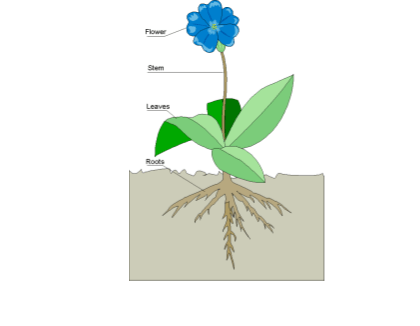
Which plant part absorbs water and nutrients?
¿Qué parte de la planta absorbe el agua y los nutrientes?
(a)
What are the 3 reactants (uses) of photosynthesis? The reactants are the things needed for photosynthesis to occur.
¿Cuáles son los 3 reactivos (sustancias que utilizan las plantas) de la fotosíntesis?
oxygen, glucose, sunlight
sunlight, oxygen, water
water, oxygen, carbon dioxide
carbon dioxide, sunlight, water

Which product is "waste" and mostly released by the producer (plant)?
¿Qué producto se considera "residuo" y es liberado principalmente por el productor (la planta)?
oxygen
carbon dioxide
sugar
glucose
photosynthesis creates and stores energy and cellular respiration releases energy
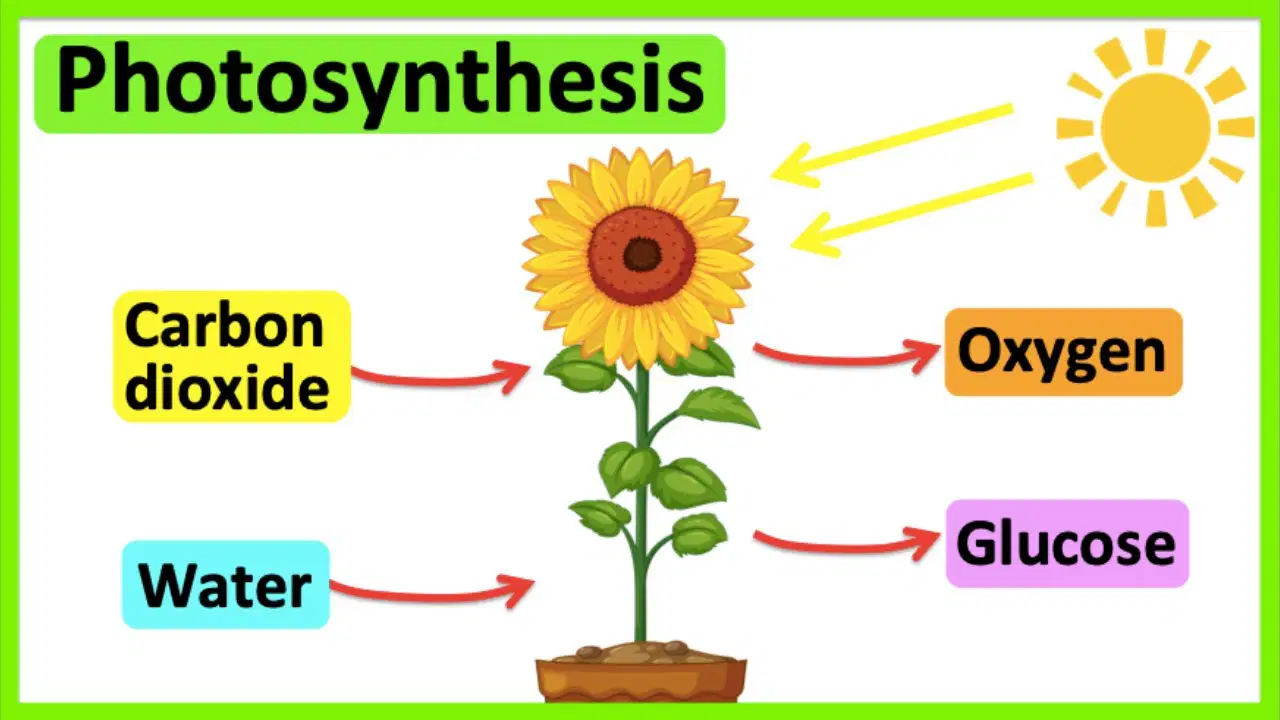
Why is photosynthesis important for humans and animals?
¿Por qué es importante la fotosíntesis en las plantas para los seres humanos y los animales?
the oxygen we breath is created during photosynthesis
the carbon dioxide we breath is created during photosynthesis
the water we drink is created during photosynthesis
the food we eat is created during photosynthesis
Cellular respiration occurs in
(a)
6O2 + C6H12O6 + Energy -> 6CO2 + 6H2O
Which of the following is a product of cellular respiration?
Radiant Energy
Oxygen
Glucose
Water
Our cells get rid of carbon dioxide multiple times a minute. Which body process takes in oxygen and puts out carbon dioxide?


Select the Mitochondria
The rate of photosynthesis can be influenced by...
Temperature
Carbon dioxide levels
Light intensity
Oxygen concentration
Reactant of Photosynthesis
Carbon Dioxide
+
Water
+
Sunlight
Product of Photosynthesis
Glucose(sugar)
+
Oxygen (stomata)
Reactant of Respiration
Glucose(sugar)
+
Oxygen (nose)
Product of Respiration
Carbon Dioxide
+
Water
+
ATP
___ is a group of organs and tissues that act as transfer stations carrying needed materials to cells and removing their waste products.
circulatory system
respiratory system
nervous system
Which is a function of the cardiovascular system?
to move water throughout the body
to transport gases throughout the body
to eliminate waste from the body
to provide structural support for the body
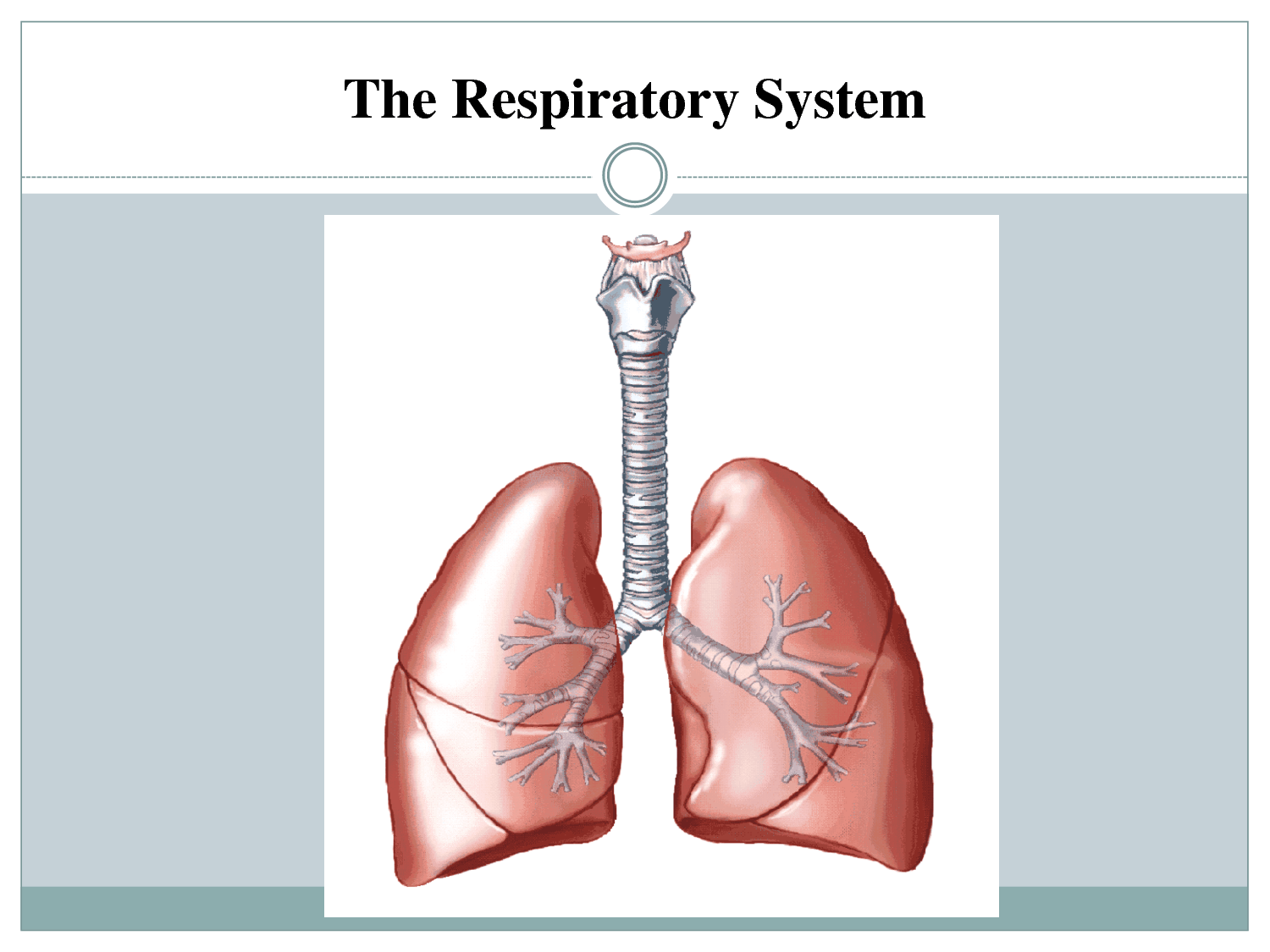
What is the main function of the respiratory system?
¿Cuál es la función principal del sistema respiratorio?
to provide oxygen and remove carbon dioxide from the body
o break down food and absorb nutrients
to remove oxygen from the body and deliver carbon dioxide
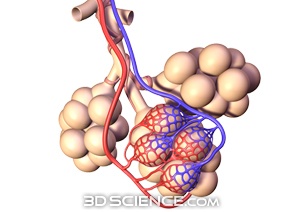
When you breathe, your lungs take in ___ and remove ___.
Cuando respiras, tus pulmones absorben ___ y eliminan ___.

These convert energy from sunlight into food for the plant through a chemical process called photosynthesis.
Estas estructuras convierten la energía de la luz solar en alimento para la planta a través de un proceso químico llamado fotosíntesis.
What part of the plant anchors the plant for support?
¿Qué parte de la planta la mantiene en su lugar y le proporciona soporte?
roots
stem
leaves
What part of the plant transports water and nutrients to other parts of the plant?
¿Qué parte de la planta transporta el agua y los nutrientes hasta las flores y las hojas?
roots
stem
leaves
Which table correctly identifies how the plasma membrane contributes to maintenance of cellular homeostasis?
Which pair of statements best compares the function of the carbohydrate cellulose, found in the cell walls of grass, and the protein cellulase, created by bacteria living in the stomach of herbivorous cows?
The cellulose in the cell wall provides insulation for the grass.
*sugar makes the grass warm
The cellulase created by the bacteria in the cow's stomach provides insulation for the cow.
*sugar makes the cow warm
The cellulose in the cell wall stores genetic information for insects.
*sugar has DNA for insects
The cellulase created by the bacteria in the cow's stomach breaks down cellulose for energy to be used by the cow.
*sugar gives energy to the cow
The root system will absorb the phosphate and it will be transported to the tips of the plants using the (a) system. The stem system is also called the (b) . Inside the shoot (stem) system are 2 straws. One straw is for food (c) and the other straw is for water+minerals (d) . Both straws together makes a (e)
Which plant response would best aid a plant in maximizing and retaining water acquired during a drought?
¿Qué les ocurre a las plantas durante una sequía (cuando el clima es muy seco)?
Decreasing root growth, while increasing stem and leaf growth
Increasing root, stem, and leaf growth
Decreasing stem and leaf growth, while increasing root growth
Increasing leaf and root growth, while decreasing stem growth
Reactant (a)
Product (b)

Photosynthesis Uses = (gas) (a) + Water
Releases = (sugar) (b) + (gas) (c)
Energy = (d)

Cellular Respiration
Uses = (gas) (a) + (sugar) (b)
Releases = (gas) (c) + Water
Energy= (d) = (e) (ATP)
Match the following
Intestines + Stomach
Digestive System
Blood vessels + Heart
Circulatory System
Skin, Hair, Nails
Integumentary System
Nutrients, Intestines
Digestive System
White Blood Cell
Immune System

Where is DNA stored in a eukaryotic cell?
¿Dónde se almacena el ADN en una célula eucariota?
Cytoplasm
Mitochondria
Ribosomes
Nucleus
This is a double layer of phospholipids that creates a barrier between the cells internal and external environments; it controls what comes in or out of the cell (selective permeable)
Nucleus
Cell Wall
Cell membrane
Endoplasmic Reticulum

Which type of cell is this?
Prokaryotic Cell
Eukaryotic Cell

This is a picture of:
Prokaryotic Cell
Eukaryotic Cell
What type of cell does not have a nucleus?
¿Qué tipo de célula no tiene núcleo?
What is a vaccine?
¿Qué es una vacuna?
a virus is __________ a cell.
¿Cuál es el tamaño de un virus?
Reasons that viruses are considered to be nonliving is because
¿Por qué se considera que los virus no son seres vivos?
They cannot replicate on their own
What do viruses need to replicate?
¿Qué necesitan los virus para replicarse (producir más virus)?
Viruses are cells.
Los virus son células.

What does the NA in DNA and RNA stand for?
Nucleus Area
Nucleic Acid
No Acid
Nucleolus Antigen
Outer lining of all cells
Cell Membrane
Location of DNA in Eukaryotic Cells
Nucleus
Larger and more complex of the two cell types
Eukaryotic Cell
Liquid in each cell that holds organelles
Cytoplasm
Cells that have a Cell Wall
Prokaryotic Cell
Cellulose makes up the cell wall in (a)
¿Qué contiene celulosa? ¿Animales, plantas o bacterias?
Vaccines
Antibiotics
Not Living!
Living, NO nucleus
Living with Cholorplast
Living with ONLY Mitochondria
Cell Respiration + Photosynthesis
Cellular Respiration
Reproduce dependently
no membrane bound organelles
Complex organelles - Cell Wall
Have membrane bound organelles
Label the Virus
collar
capsid
sheath
tail fiber
base plate
Match the following pictures to their names:

Eukaryotic Cell

Prokaryotic Cell

Bacteriophage virus

Flu virus

