
 Worksheets
EXERCISE ON WORKING CAPITAL MANAGEMENT & RISK AND RETURN
Total questions: 10
Worksheet time: 5mins
What does working capital mainly involve for a firm?
Selling more products to new customers
Planning for buildings and long-term machines
Taking care of current assets and current liabilities
Choosing the best colors for the company logo
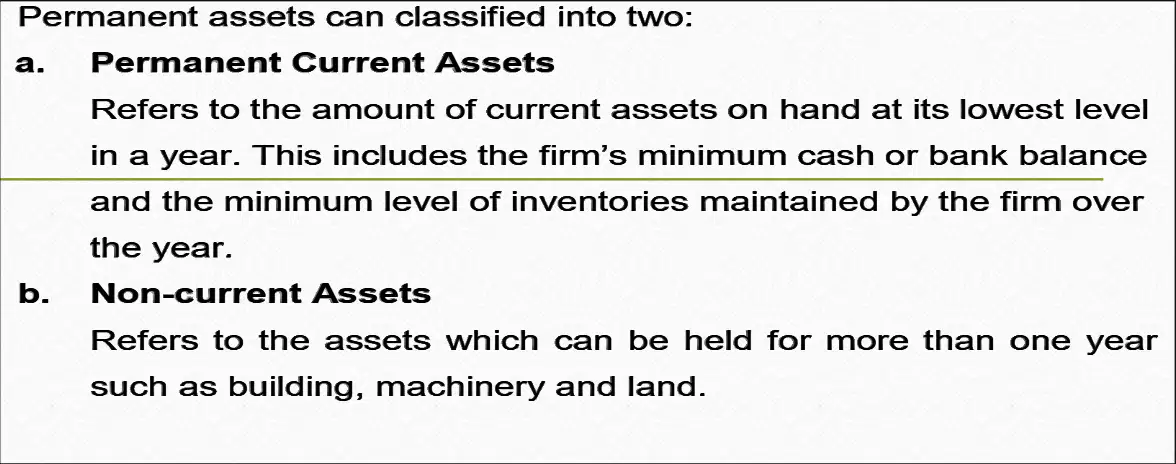
Which asset is used for a long time, like a building or machine?
Short-term inventories
Permanent current assets
Temporary assets
Non-current assets
Look at the statement page. Which items together make up Temporary assets for Gamuda Bhd?
Current liabilities, cash, inventories
Non-current assets, equity, cash
Equity, non-current liabilities, accruals
Inventories, account receivable, cash
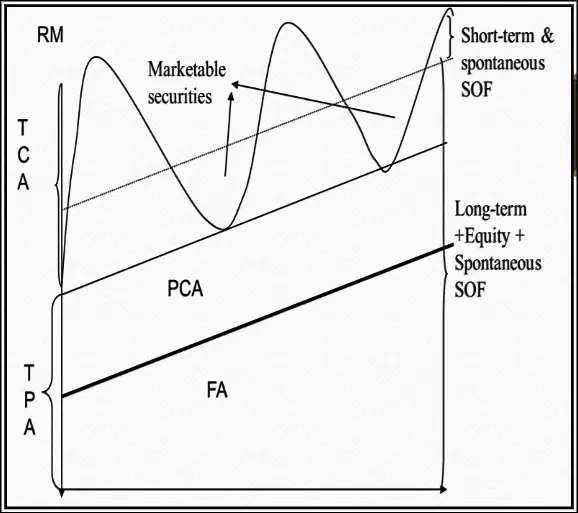
Which choice shows a conservative way to pay for temporary needs?
Use long-term money and keep some safe
Use borrowed toys instead of real money
Use short-term money and take big risks
Use no money and hope for luck
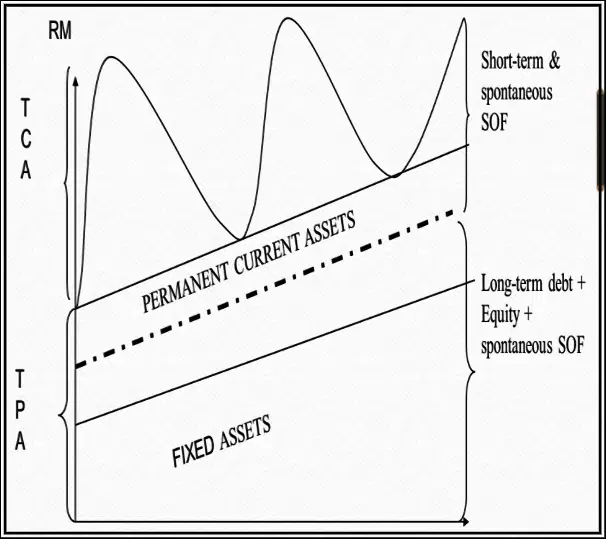
Which sentence best explains an aggressive approach in business finance?
Paying workers early to lower monthly costs
Keeping all cash in a savings account for safety
Using long-term money only for fixed assets
Using short-term money to fund permanent assets
Which of the following correctly represents the components of return?
Interest income and systematic risk only
Dividend income and unsystematic risk only
Current income, capital gain and rent reveived
Expected return and required return only
Holding Period Return (HPR) is BEST defined as:
The minimum return required to compensate investors for risk
The percentage return earned from holding a security over a period
The return predicted using probability-weighted outcomes
The return based solely on changes in market prices
Which type of return is calculated based on past actual performance?
Expected return determined using probabilities
Required return calculated using CAPM
Realized return also known as average return
Risk-free return earned from government securities
Which of the following BEST describes systematic risk?
Which of the following BEST describes systematic risk?
Risk caused by internal factors specific to one firm
Risk arising from market-wide factors affecting all firms
Risk related to liquidity and default of a single company
The coefficient of variation (CV) is MOST useful to:
Measure total return earned from an investment
Compare risk relative to expected return between investments
Identify whether risk is systematic or unsystematic
Determine the minimum return demanded by investors

