
 Worksheets
Exploring the Revolutionary War
Total questions: 53
Worksheet time: 1hrs 3mins
Which battle is considered the first major conflict of the Revolutionary War?
Battle of Yorktown
Battle of Lexington and Concord
Battle of Saratoga
Battle of Bunker Hill
Who was the main author of the Declaration of Independence?
Benjamin Franklin
Thomas Jefferson
John Adams
George Washington
Which treaty officially ended the Revolutionary War?
Treaty of Versailles
Treaty of Paris
Treaty of Ghent
Treaty of London
Who was the commander-in-chief of the Continental Army?
Benedict Arnold
George Washington
John Hancock
Nathanael Greene
Which battle is often called the turning point of the Revolutionary War?
Battle of Trenton
Battle of Saratoga
Battle of Yorktown
Battle of Bunker Hill
Which document announced the American colonies’ independence from Britain?
Bill of Rights
Declaration of Independence
Articles of Confederation
Magna Carta
Who was the King of England during the Revolutionary War?
King George III
King Charles II
King James I
King Henry VIII
Which city did the Continental Congress meet in to sign the Declaration of Independence?
Boston
Philadelphia
New York
Richmond
Who was known for his midnight ride to warn colonists of British troops?
Samuel Adams
Paul Revere
Patrick Henry
John Jay
Which battle marked the end of major fighting in the Revolutionary War?
Battle of Saratoga
Battle of Yorktown
Battle of Trenton
Battle of Lexington and Concord
Which important figure helped negotiate the Treaty of Paris for the United States?
Alexander Hamilton
Benjamin Franklin
Thomas Paine
John Hancock
Which battle was fought on Christmas night and resulted in a surprise victory for Washington’s troops?
Battle of Bunker Hill
Battle of Trenton
Battle of Saratoga
Battle of Yorktown
Which document outlined the terms that recognized American independence?
Treaty of Paris
Declaration of Independence
Bill of Rights
Magna Carta
Who famously said, “Give me liberty, or give me death!”?
Patrick Henry
Thomas Jefferson
John Adams
Samuel Adams
Which battle was fought primarily on Breed’s Hill, despite its name?
Battle of Bunker Hill
Battle of Saratoga
Battle of Yorktown
Battle of Trenton
Explain why the Battle of Saratoga is considered a turning point in the Revolutionary War.
It was the first battle of the war.
It convinced France to support the American cause.
It ended the war.
It was fought on Christmas night.
Describe the main purpose of the Declaration of Independence.
To declare war on Britain
To outline the reasons for separating from Britain
To create a new government
To end the war
Compare the roles of George Washington and Benedict Arnold during the Revolutionary War.
Both were British generals.
Washington led the Continental Army; Arnold was a general who later defected to the British.
Both signed the Declaration of Independence.
Both negotiated the Treaty of Paris.
Summarize the impact of the Treaty of Paris on the United States.
It gave the U.S. independence and land west to the Mississippi River.
It started the war.
It created the Bill of Rights.
It ended slavery.
Describe the contributions of Marquis de Lafayette to the American cause.
He was a British general.
He provided military leadership and helped secure French support.
He wrote the Declaration of Independence.
He signed the Treaty of Paris.
Explain the importance of the Continental Congress during the Revolutionary War.
It was a British government.
It coordinated the war effort and declared independence.
It led the British army.
It wrote the Magna Carta.
Evaluate the reasons why France decided to support the American colonies after the Battle of Saratoga.
France wanted to expand its territory.
France saw the American victory as proof the colonies could win.
France was forced by Britain.
France had no interest in the war.
Assess the impact of Thomas Paine’s pamphlet “Common Sense” on colonial attitudes toward independence.
It discouraged independence.
It convinced many colonists to support independence.
It supported British rule.
It had no impact.
Plan a strategy that the Continental Army could have used to improve their chances at the Battle of Brooklyn.
Launch a direct assault.
Use surprise attacks and retreat to avoid capture.
Surrender immediately.
Wait for reinforcements from Britain.
Who helped Washington improve the troops at Valley Forge?
Which Revolutionary War Leader was called "The Savior of The South?"
True or False: In the Battle of Bunker Hill, the Redcoats forced the Americans off the hill on which the battle was fought and won the battle.
A. True
B. False
He was the United States' first Secretary of the Treasury.
A. John Adams
B. James Madison
C. Thomas Jefferson
D. Alexander Hamilton
E. Henry Knox

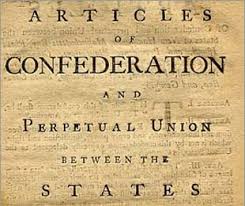
Which of these events happened first?
Lexington and Concord
Bunker Hill
Battle of Yorktown
Battle of Trenton
True or False: Immediatley after the War, Washington stepped down.
True
False
Which state was Thomas Jefferson from?
Massachusetts
Virginia
Maryland
New York
Federalists or Anti:
For a Strong National Government
Federalists
Anti-Federalists
Federalists or Anti:
Anti-Constitution
Federalists
Anti-Federalists
What was written to try and convince the country to ratify (accept) the Constitution?
Northwest Ordinance
Federalists Papers
Anti Document
Declaration of Constitution
What is one thing the Federalists and Anti-Federalists agreed on?
Both loved the Constitution & strong national government
Both wanted a Bill of Rights
Both wanted a strong standing army
Both knew the Articles of Confederation was not working
Who was a traitor to their country?
George Washington
Thomas Paine
Benedict Arnold
Thomas Jefferson
Benedict Arnold...
was recognized and celebrated by the nation.
was an unskilled colonel in the nation's militia.
was humble and did not like too much attention.
was tired of people taking credit for his work.
What did Benedict Arnold hope to gain by betraying America?
Support from the British
A higher rank in the army
Money and ambition
Freedom and liberty
Abigail Adams was known for
Her sewing of the US flag
Promoting Slavery in the Plantations
Advising her husband to remember the ladies
Spreading smallpox
Which was the US flag during the Revolutionary War?


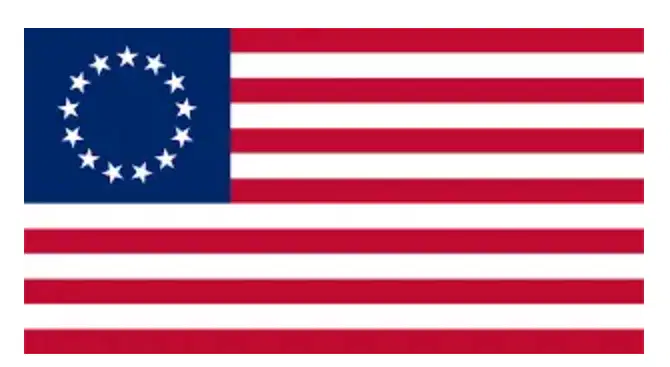
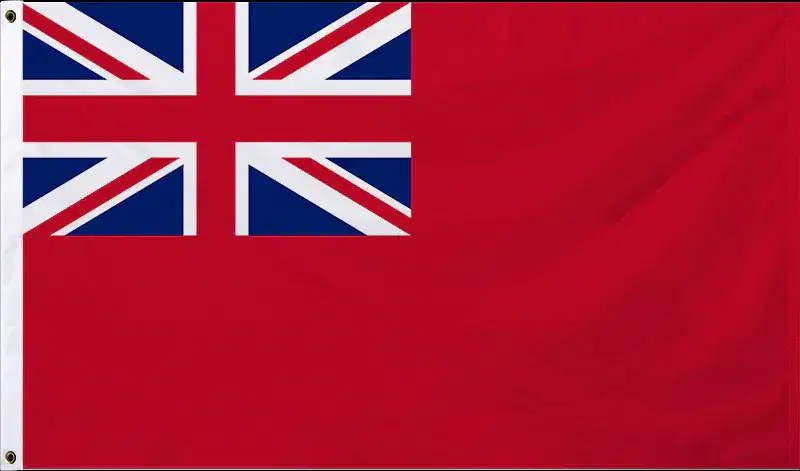
Who was the commander of the Continental Army during the Revolutionary War?
John Adams
Benedict Arnold
Thomas Jefferson
George Washington
What was the primary purpose of the Federalist Papers?
To oppose the Constitution
To write the Bill of Rights
To encourage ratification of the Constitution
To declare independence from Britain
Which foreign nation provided crucial military support to the American colonies during the Revolutionary War?
Spain
France
Germany
Netherlands
What challenges faced the British in winning the war? (Select all that apply)
It was far away from their home base
They had weak leaders
The landscape was foreign and unfamiliar
They had hired soldiers who did not have a strong comminutment to victory
Other countries joined the US forces
What challenges faced the Patriot Army? (Check all that apply)
They had weak leaders
They were not well equiped with supplies
They did not make a long committment to fighting
They faced disease and harsh weather
They didn't care much about protecting their homeland

