
NEW
Font size
 Worksheets
JVW Unit 3 Science
Total questions: 10
Worksheet time: 10mins
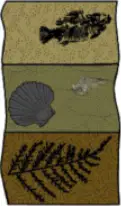
The diagram shows four different fossils found in layers of sediment. Which statement about the region where these fossils were found is true?
A. The region used to be a land area and was gradually covered by water
B. The region used to be underwater and was later turned into a land area.
C. The region had been a land area in the past, and no changes have occurred
D. The region had been underwater in the past, and no changes have occurred.
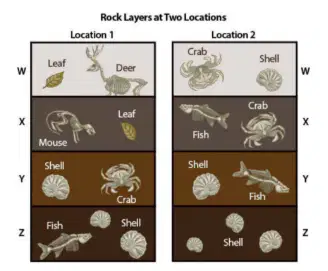
What explanation can Scientists support using the findings below?
Location 2 has been both a land ecosystem and a marine ecosystem.
Location 2 has always been a land ecosystem.
Location 1 has been both a land ecosystem and a marine ecosystem.
Location 1 has always been a land ecosystem.
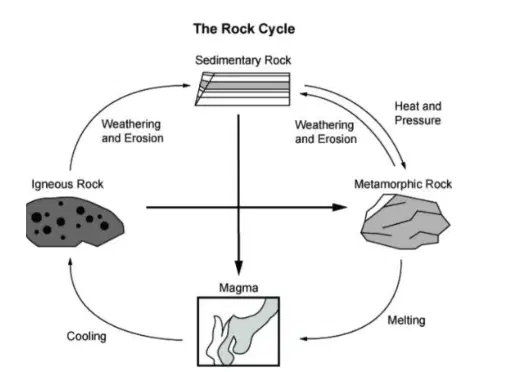
Igneous rock is formed from cooling magma. Which process will change igneous rock into sedimentary rock?
heat and pressure
melting
cooling
weathering and erosion
Scientists found a dead spider preserved in tree sap. Which best describes the spider fossil?
cast fossil
mold fossil
trace fossil
true form fossil

Fossils of a fern and a fish are shown below.
How are these two fossils most likely similar?
They are both animal fossils.
They are both mold fossils.
They are both plant fossils.
They are both cast fossils.
Which object has the best chance of leaving fossil evidence?
a sandcastle at the beach
a mud-covered leaf at the bottom of a pond
a fallen tree branch in a forest
a footprint in the sand

These fossils were found near each other (coelacanth and stingray). In what type of environment would the fossilized organisms have lived?
forest
grassland
hot spring
ocean

Which statement best describes how this area changed over time?
from desert to lake
from ocean to forest
from forest to ocean
from river valley to forest

Based on the information in the chart, which mineral is the hardest?
talc
calcite
apatite
feldspar
Which is an example of erosion but NOT weathering?
the dissolving of rock by rainwater
the crumbling of bedrock to form soil
a pebble being rolled along a riverbed
a rock splitting from water freezing in cracks

