
 Worksheets
Introduction to Food Preservation
Total questions: 20
Worksheet time: 10mins
Which statement best describes food preservation?
Serving food in colorful containers
Keeping food safe by stopping spoilage
Cooking food quickly to taste better
Growing more food to have extra
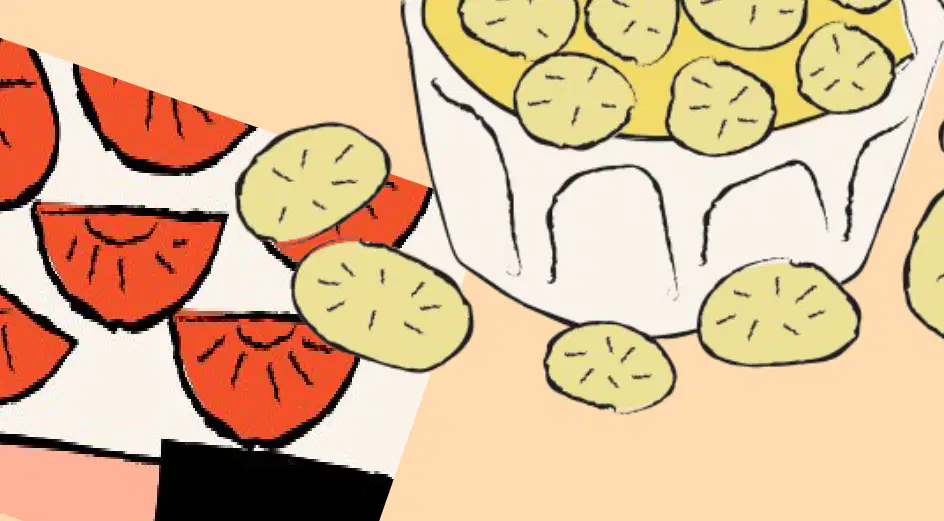
A family wants to store sliced tomatoes for two weeks. Which plan shows using a physical rather than chemical way?
Add preservatives from a bottle
Soak slices in vinegar and salt
Dry the slices in a dehydrator
Spray slices with a sweet syrup
Which method lowers moisture so bacteria cannot grow easily?
Refrigeration warms food to release water
Freezing makes food contain more water
Drying removes water from food
Salting adds extra water to food

What does salting mainly do to the food?
Heats meat to a high temperature
Pushes water into the meat
Pulls water out by osmosis
Adds more moisture for bacteria

Which choice best explains why refrigerators keep food fresh longer?
Dry air speeds enzyme action
Salt inside raises moisture
Higher temperatures boost bacteria
Lower temperatures slow bacteria
A teacher wants to preserve apple slices without changing taste too much. Which method is most suitable?
Leaving in warm humid air
Boiling to increase enzymes
Salting to add salty flavor
Refrigeration to slow spoilage
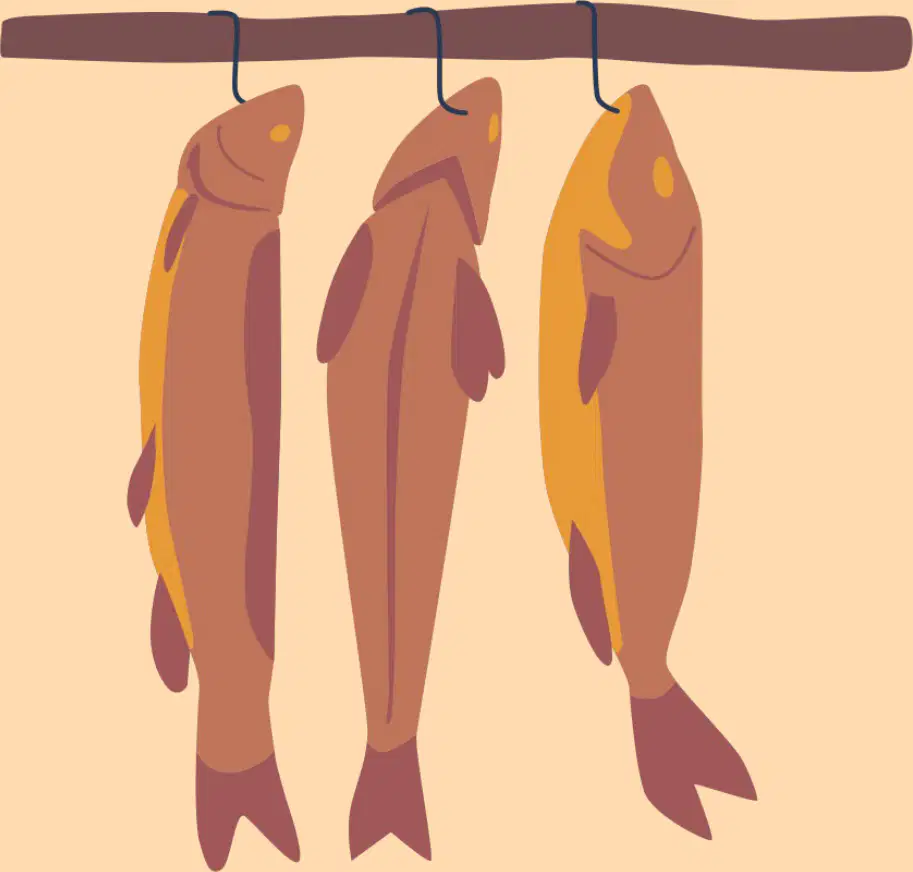
If fish are dried on a rack, which change happens that stops spoilage?
Salt concentration becomes lower
Moisture content becomes lower
Enzyme activity speeds up
Bacteria receive more water
Which method uses smoke from burning or smoldering material, usually wood, to help preserve food?
Pickling in sour liquid
Curing using salt and sugar
Canning with heat sterilization
Smoking with wood smoke
Pickling keeps food safe mainly by using which kind of liquid?
Sweet milk beverage
Brine or acidic solution
Neutral cooking oil
Plain warm water
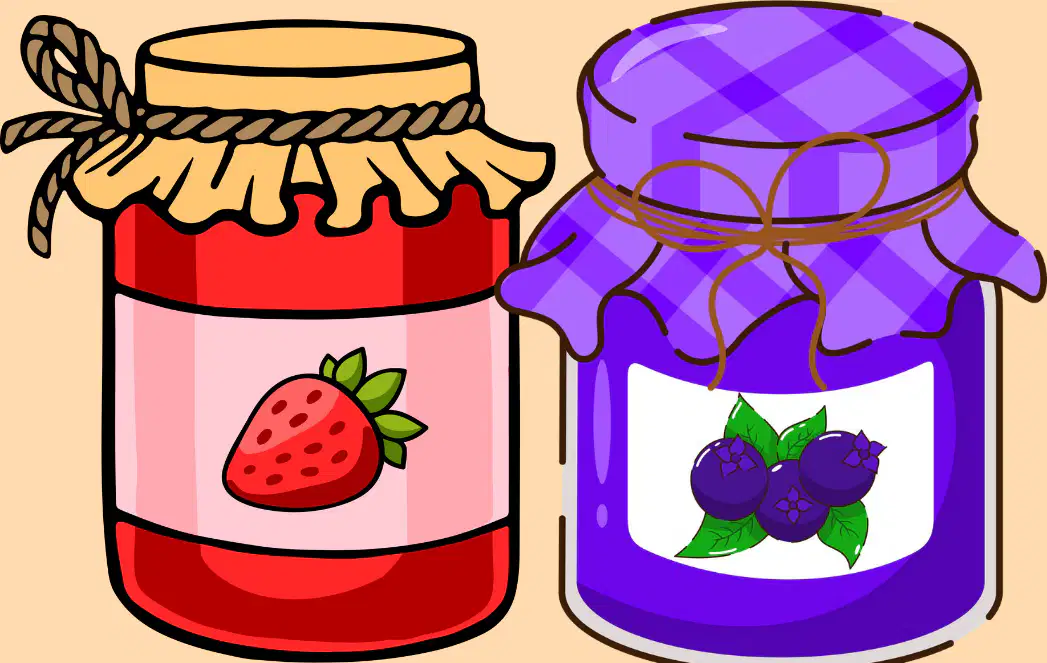
Which statement best describes sugaring in food preservation?
Heating sealed jars to destroy germs
Freezing food to stop spoilage
Soaking food in salty vinegar brine
Drying food then packing with pure sugar
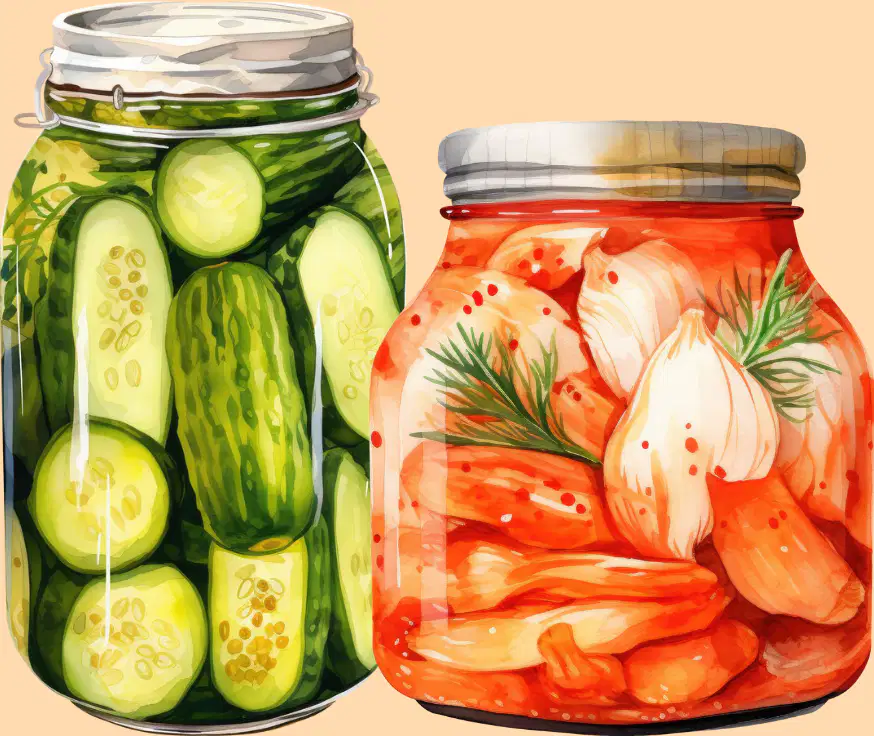
Which method uses a brine with salt and acid to preserve cucumbers?
Freezing in very cold temperatures
Sugaring after dehydrating food
Pickling in a salty vinegar brine
Sterilizing sealed jars by heating
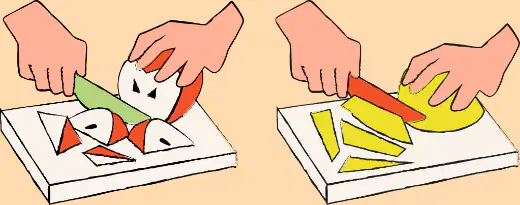
Which visual step most likely comes before putting cut fruit into boiling syrup?
Storing in the pantry
Cooling jars in the fridge
Labeling finished jars
Slicing the fruit evenly

In the boiling pot images, what ingredient is shown being added to make a sweet preserve?
Vinegar for pickling
Salt for curing
Sugar for syrup
Oil for frying

Which action helps prevent contamination when preparing fruit?
Share knives without rinsing
Leave peels on the floor
Wash produce under water
Cut on a dirty board
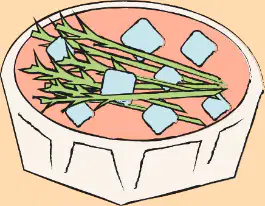
If you want crunchy pickles, which ingredient in brine is most important?
Sugar and cinnamon syrup
Vinegar and salt solution
Chocolate and milk mix
Butter and herbs blend
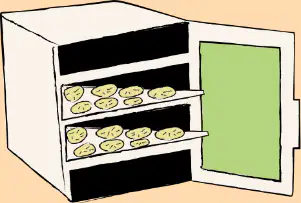
What tool is shown for drying slices to preserve them?
Electric dehydrator cabinet
Pressure cooker pot
Hand mixer with whisk
Microwave oven
Which step should be done after filling jars with hot fruit and syrup?
Seal lids firmly
Cut more fruit
Add raw meat
Place jars sideways
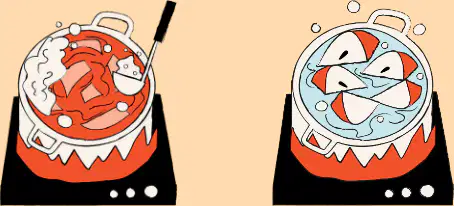
Which picture shows blanching, a quick boil before further steps?
Vegetables soaking in cold water
Hands labeling jars
Fruit pieces in brief boiling water
Slices drying on trays
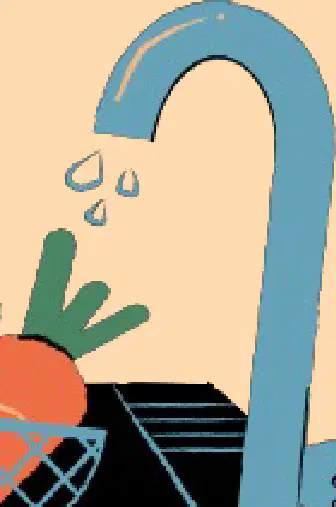
What should you do first before slicing produce?
Wash it thoroughly
Add it to hot oil
Freeze it solid
Seal it in a jar
Which mistake could lead to spoiled preserves?
Using clean tools and jars
Leaving jars unsealed
Cooling jars upright
Labeling with the date

