
 Worksheets
Chapter 11.1 check questions
Total questions: 25
Worksheet time: 13mins
Choose the best example of sexual reproduction.
Parent releases spores identical to self
Two parents contribute to offspring
One parent splits into two offspring
Offspring form by budding alone
Which statement best describes offspring produced by asexual reproduction?
Genetically identical to the parent
Genetically half different from parent
Genetically random without relation
Genetically identical to both parents
Which statement correctly compares budding and fragmentation?
Fragmentation produces seeds and spores
Both are examples of asexual reproduction
Both require fertilization by gametes
Both create genetically varied offspring
Why can fragmentation quickly increase starfish numbers?
It needs two parents to share genes
Each fragment can grow into an individual
It doubles chromosomes before meiosis
It relies on seasonal pollination events
During budding, when does the new hydra typically detach?
Immediately when bud first appears
After it matures enough to survive
Only after sexual fertilization occurs
Before it develops any tentacles
What is a disadvantage of asexual reproduction?
Low genetic variation among offspring
High genetic variation among offspring
No offspring survive to adulthood
Immediate formation of hybrid species
Why might parthenogenesis give a short-term advantage to a species?
Requires fewer nutrients to make eggs
Prevents mutations from occurring
Guaranteed production of male offspring
Rapid population increase without mates
A scientist observes cells that can develop into sperm. Which label fits best?
Somatic cells in muscle
Germ cells in testes
Blood cells in vessels
Zygote in the uterus
Which feature is identified as GOOD for sexual reproduction?
Less energy required
Genetically different offspring
Produces more offspring
Short generation time
Where are genes located within a cell?
On chromosomes inside nuclei
In vacuoles storing water
On mitochondria membranes
In ribosomes of cytoplasm
If an organism inherits the wrong number of chromosomes, what is the likely outcome?
It has no noticeable changes
It becomes a different species
It grows faster than normal
It doesn’t develop correctly
Which conclusion is reasonable when comparing species’ chromosome numbers?
Different species can have very different counts
All species share the same chromosome count
Chromosome counts increase with body size
Plants always have fewer chromosomes than animals
Which statement about autosomes is accurate?
They decide only gender traits
They determine many body characteristics
They exist only as single copies
They contain no functional genes
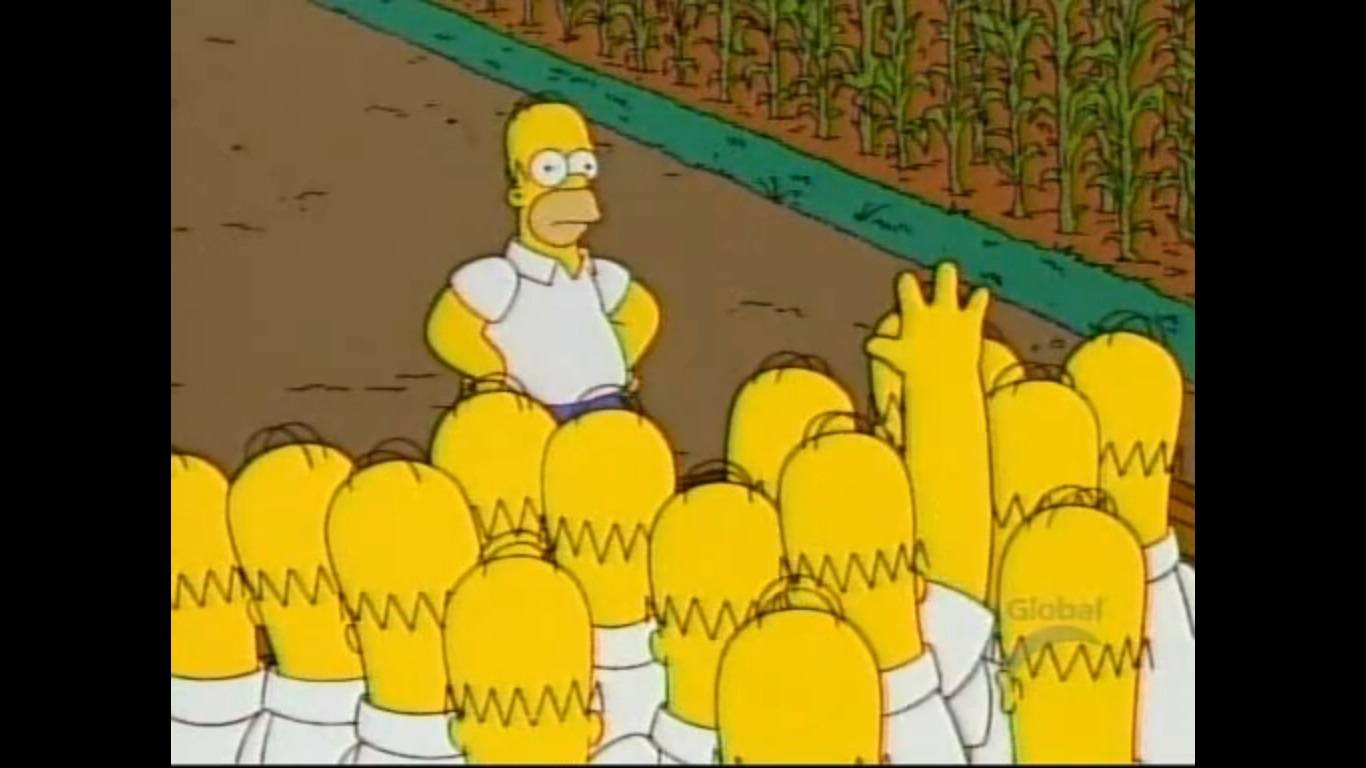
All of the offspring of an organism have the same genetic material, which is identical to the parent organism. From this, we can conclude that this organism -
makes its own food
is unicellular
live in a marine habitat
reproduces asexually
A 2n cell of a bat has 44 chromosomes, how many chromosomes will you find in one of his gametes
23
22
44
88
Squirrels have 40 chromosomes in its diploid cells. How many chromosomes will you find in their egg cells
40
23
20
Not enough information to answer the question
which of the following is NOT a somatic cell?
nerve cell
muscle cell
white blood cell
sperm cell
Segment of DNA that codes for a trait.
genetics
fertilization
trait
hybrid
gene


The 23rd pair of chromosomes that contain the genes to determine the sex of an individual are called ___________.
sex chromosomes
autosomes
homologous
genes

