
 Worksheets
Microbial Growth Quiz
Total questions: 20
Worksheet time: 10mins
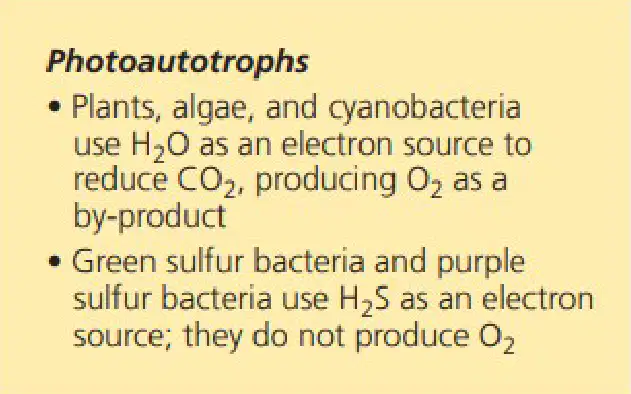
Which organisms use H₂S as an electron source and do not produce O₂?
Green sulfur bacteria and purple sulfur bacteria
Green nonsulfur bacteria and purple nonsulfur bacteria
Hydrogen, sulfur, and nitrifying bacteria
Most animals, fungi, and protozoa
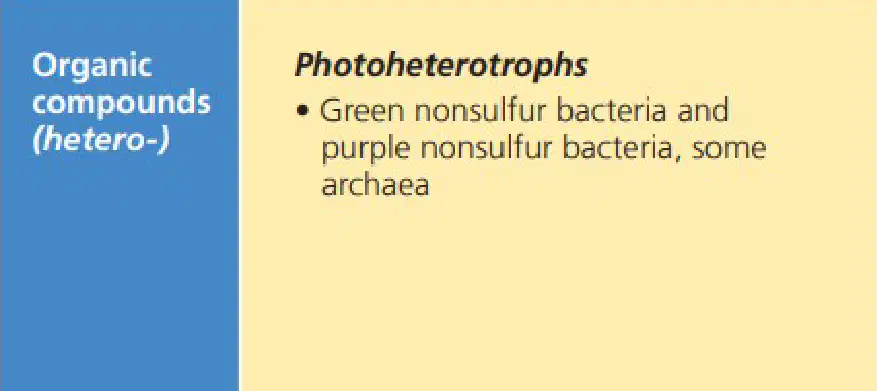
Which organisms use organic compounds as their carbon source and light as their energy source?
Photoheterotrophs
Chemoheterotrophs
Photoautotrophs
Chemoautotrophs
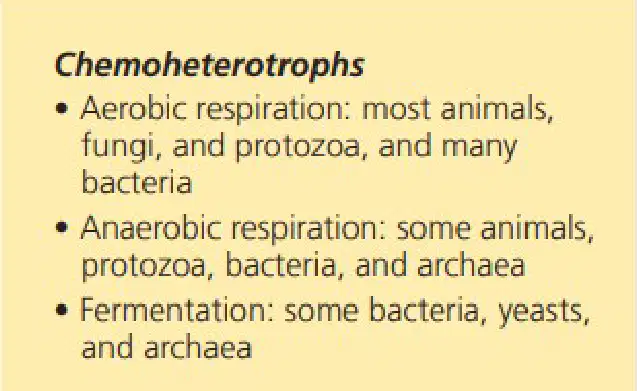
Which organisms rely on fermentation and include some bacteria, yeasts, and archaea?
Chemoheterotrophs
Photoautotrophs
Chemoautotrophs
Photoheterotrophs
What is the definition of "Generation time" in microbiology?
The time required for a bacterium to give rise to 2 daughter cells under optimum conditions.
The time required for a bacterium to die under adverse conditions.
The time required for a bacterium to form a spore.
The time required for a bacterium to migrate to a new environment.
Which bacterium has a generation time of approximately 20 days under optimum conditions?
Lepra bacilli
E. coli
M. tuberculosis
S. pneumoniae
What does the total cell count in a bacterial sample include?
Only living cells
Only dead cells
Both living and dead cells
Only viable cells
How can the total number of cells in a bacterial sample be obtained?
By using a spectrophotometer
By direct counting under a microscope using counting chambers
By measuring the pH of the sample
By observing colony growth on agar plates
What device is used for counting cells electronically in a sample?
Absorptiometer
Coulter counter
Microscope
Stained smear counter
What is the purpose of serial dilution in the dilution method for viable cell count?
To increase the number of colonies
To dilute the original culture by an exponentially growing factor
To eliminate all microorganisms
To measure the pH of the solution
What does the number of colonies that develop after incubation indicate?
The total number of dead cells
The viable count of living cells
The pH of the culture medium
The temperature of incubation
Which step in the pour plate method involves swirling the sample to mix and allowing it to solidify?
Step 1
Step 2
Step 3
Step 4
What does the spread plate method estimate in the original volume samples?
The type of bacteria present
The number of cells
The growth rate of bacteria
The incubation time required
What happens after the plate is incubated in the spread plate method?
The bacterial colonies are spread evenly
The bacterial colonies grow on the surface of the medium
The sample is poured onto solid medium
The sterile spreader is used to count colonies
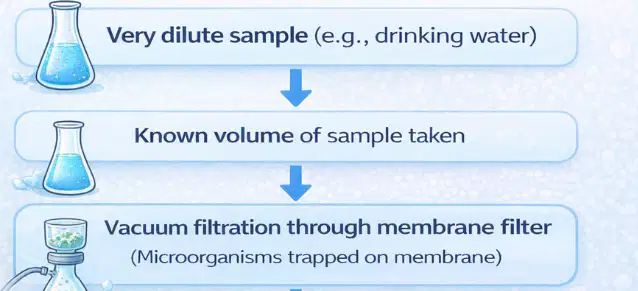
What is the first step in the membrane filtration technique for analyzing a very dilute sample?
Incubation of the sample
Counting the colonies
Taking a known volume of the sample
Preparing a very dilute sample (e.g., drinking water)

How is cell density calculated in the membrane filtration technique?
Number of colonies multiplied by the volume filtered
Number of colonies divided by the volume filtered
Volume filtered divided by the number of colonies
Number of colonies added to the volume filtered
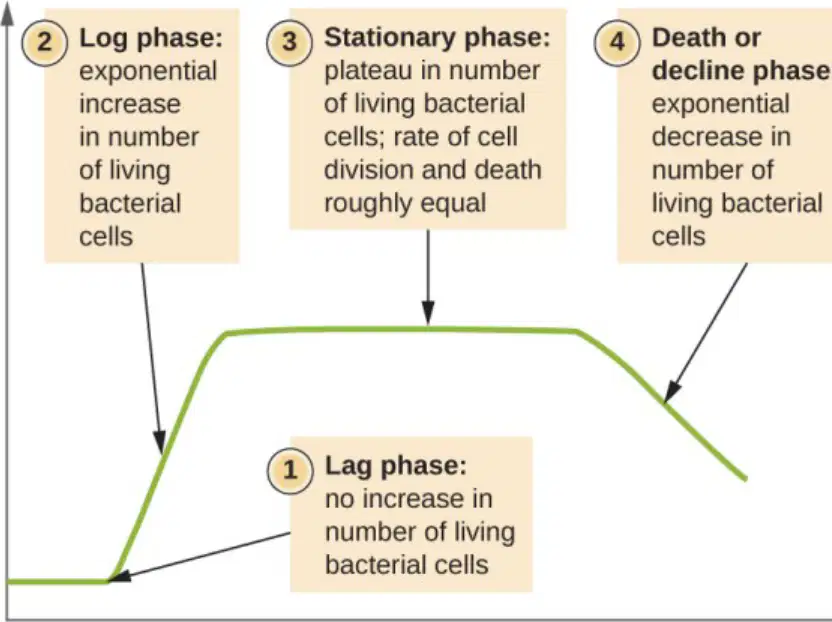
During which phase of the bacterial growth curve do antibiotics act most effectively?
Lag phase
Log phase
Stationary phase
Death phase
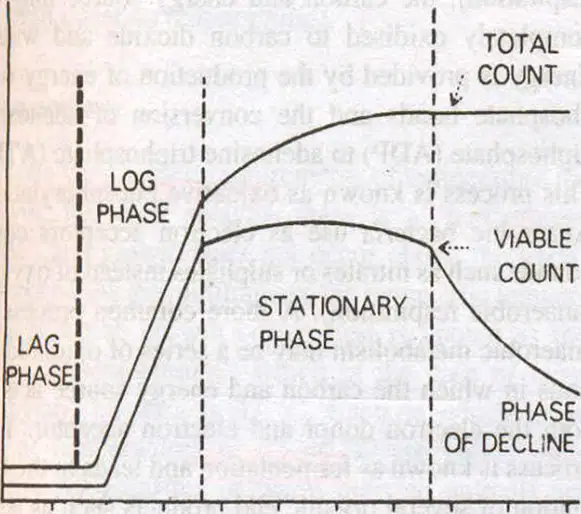
What happens during the stationary phase of the bacterial growth curve?
Nutrient levels increase, and cell division accelerates.
Nutrient depletion occurs, and the number of new cells equals the number of dying cells.
Bacteria undergo rapid growth and division.
Bacteria die rapidly due to autolytic enzymes.
Which of the following is an example of physical stress affecting bacterial growth?
Osmotic effects
Mechanical and sonic stress
H-ion concentration
Radiation
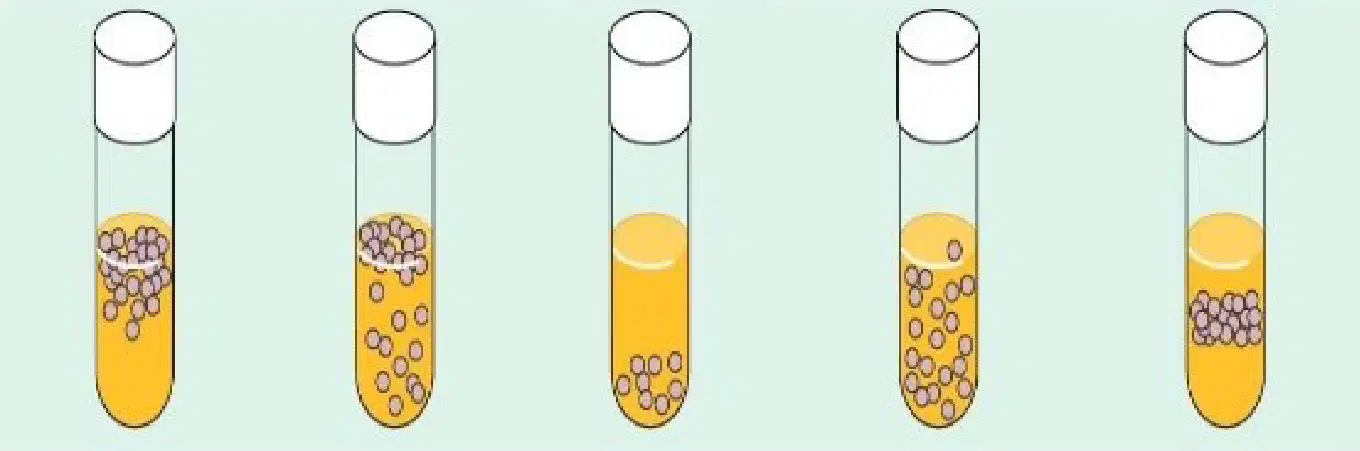
Which type of microorganism can grow in both the presence and absence of oxygen but grows better with oxygen?
Obligate aerobes
Facultative anaerobes
Aerotolerant anaerobes
Microaerophiles

Which type of microorganism does not use oxygen for growth but can tolerate its presence?
Obligate anaerobes
Facultative anaerobes
Aerotolerant anaerobes
Microaerophiles

