
 Worksheets
Automotive Systems Knowledge Quiz
Total questions: 30
Worksheet time: 10mins

Which component is responsible for circulating coolant through the engine in an automotive cooling system?
Water pump
Alternator
Oil filter
Starter motor

What is the standard voltage of a typical automotive battery used in charging and starting systems?
6 volts
12 volts
24 volts
48 volts

Which fluid is essential for lubricating engine components?
Brake fluid
Engine oil
Coolant
Transmission fluid

What is the main function of tires on a vehicle?
To generate electricity
To provide traction and support the vehicle's weight
To cool the engine
To lubricate the engine

Which of the following is considered a basic automotive maintenance task?
Replacing spark plugs
Painting the car
Installing a turbocharger
Reprogramming the ECU
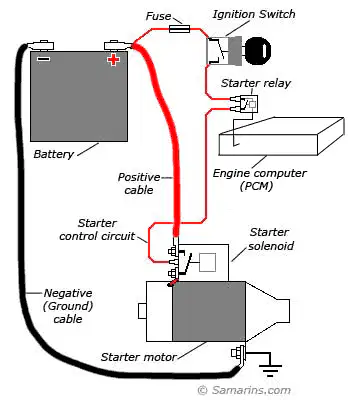
Which component is NOT part of the starting system?
Starter motor
Ignition switch
Radiator
Battery

How often should engine oil typically be changed under normal driving conditions?
Every 500 miles
Every 3,000 to 5,000 miles
Every 20,000 miles
Once a year
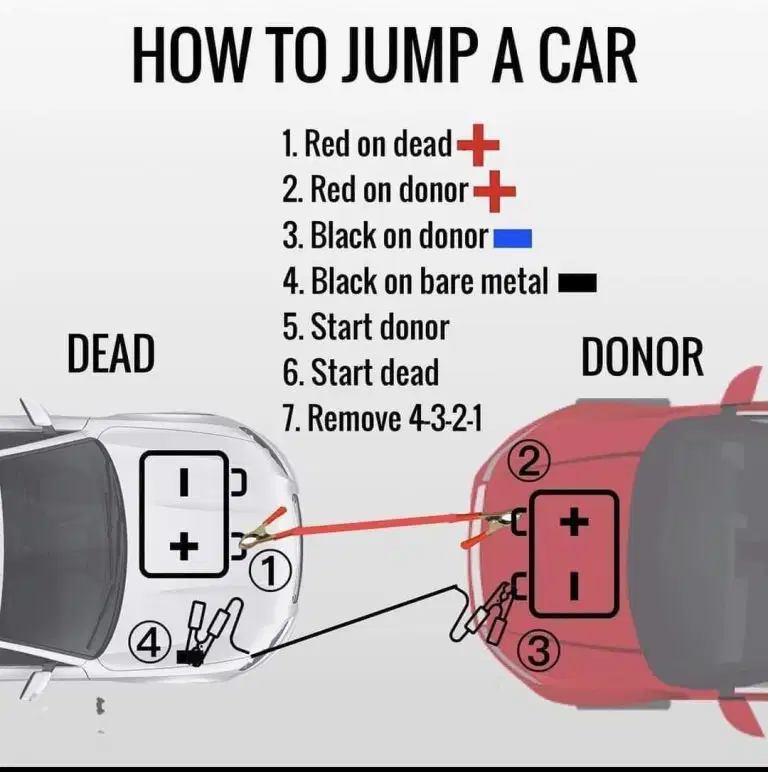
What is the first step when jump starting a car with a dead battery?
Connect the negative cable to the dead battery
Connect the positive cable to the dead battery
Start the working vehicle
Disconnect the batteries
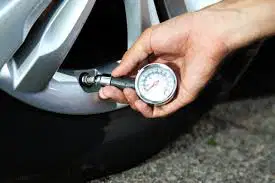
Which tool is commonly used to check tire pressure?
Multimeter
Tire pressure gauge
Torque wrench
Oil filter wrench
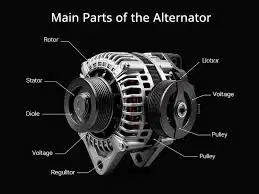
What does the alternator do in a 12 volt charging system?
Starts the engine
Charges the battery and powers electrical systems
Pumps fuel to the engine
Cools the engine
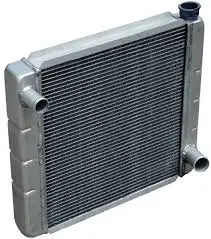
Which of the following best describes the function of the radiator in the engine cooling system?
It stores engine oil
It dissipates heat from the coolant
It charges the battery
It filters air
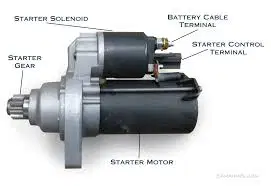
If a car's battery is dead, which system is directly affected and prevents the car from starting?
Engine cooling system
12 volt starting system
Engine oiling system
Exhaust system
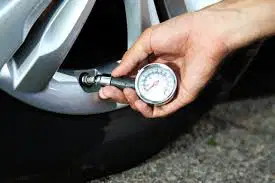
Why is it important to maintain proper tire pressure?
To increase engine power
To ensure safety and improve fuel efficiency
To cool the engine
To lubricate the brakes
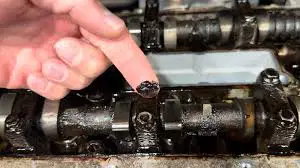
What could happen if the engine oil is not changed at recommended intervals?
The tires will wear out faster
The engine may suffer increased wear and possible damage
The battery will drain
The headlights will dim
Which of the following is a sign that your car's charging system may be failing?
Engine overheating
Dim headlights and battery warning light
Squealing brakes
Low tire pressure
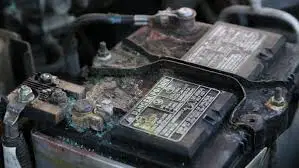
When performing basic diagnostics, what is a logical first step if the engine will not start?
Replace the tires
Check the battery connections
Change the oil
Add coolant
If a vehicle's temperature gauge shows overheating, which system should be checked first?
Engine cooling system
12 volt charging system
Engine oiling system
Starting system
What is the purpose of rotating tires at regular intervals?
To balance the wheels
To ensure even tire wear and extend tire life
To increase fuel consumption
To improve engine performance

Which maintenance task helps prevent engine overheating?
Checking and topping off coolant levels
Replacing windshield wipers
Cleaning the interior
Adjusting the radio
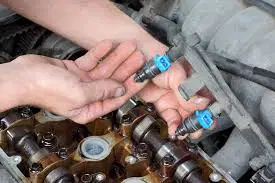
If a car's engine cranks but does not start, which system should be checked after confirming the battery is good?
Engine oiling system
Fuel delivery system
Tire pressure
Cooling system
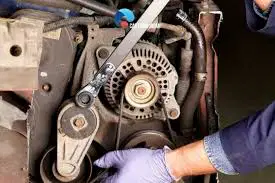
A car's battery keeps dying even after being replaced. What could be a possible cause?
Faulty alternator not charging the battery
Low tire pressure
Dirty air filter
Overfilled oil
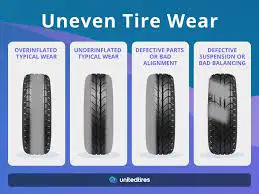
A student notices uneven tire wear on their vehicle. What is the most likely cause and solution?
Overfilled oil; change the oil
Misaligned wheels; get a wheel alignment
Low coolant; add coolant
Weak battery; replace the battery
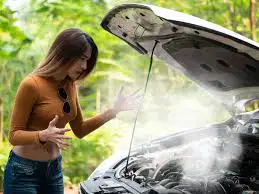
If a car overheats shortly after starting, what sequence of checks should be performed to diagnose the problem?
Check tire pressure, then battery voltage
Check coolant level, inspect radiator and hoses, check for leaks
Replace spark plugs, then check oil level
Adjust mirrors, then check wipers
A vehicle's headlights dim when the engine is idling but brighten when revved. What does this indicate?
The engine oil is low
The alternator may be failing to charge properly at low RPMs
The tires are underinflated
The radiator is clogged
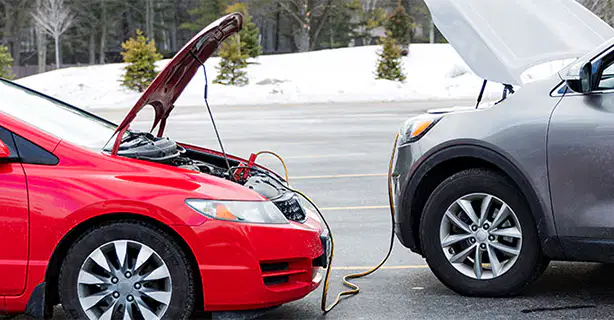
After jump starting a car, the engine dies again after a few minutes. What is the most likely issue?
The starter motor is faulty
The alternator is not charging the battery
The tires are flat
The oil needs changing

A student wants to ensure their car is ready for a long road trip. Which maintenance steps should they prioritize?
Check oil, coolant, tire pressure, and battery condition
Wash the car and clean the seats
Adjust the radio and mirrors
Replace the windshield wipers only
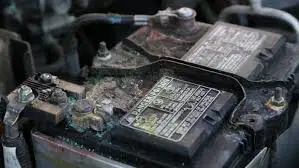
If a car will not start and there is a clicking sound when turning the key, what is the most probable cause?
Flat tire
Weak or dead battery
Low coolant
Dirty air filter

A student observes oil spots under their parked car. What should they do to diagnose the issue?
Ignore it
Check the engine oil level and inspect for leaks under the engine
Add coolant
Inflate the tires
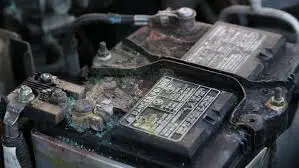
During a basic diagnostic check, a student finds the battery terminals are corroded. What is the best course of action?
Replace the tires
Clean the battery terminals and ensure tight connections
Add engine oil
Replace the radiator
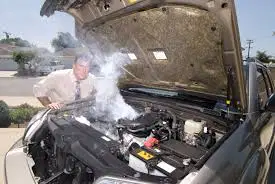
A car's engine temperature rises rapidly while driving, and steam is seen from under the hood. What should the driver do first?
Continue driving to the destination
Safely pull over, turn off the engine, and allow it to cool before checking the cooling system
Increase speed to cool the engine
Turn on the radio

