
 Worksheets
The Grand STAAR Review 26
Total questions: 242
Worksheet time: 2hrs 21mins
Click the three reasons for Spanish exploration.
God - Spreading Christianity
Guns - To acquire more gunpowder
Gold - Desire for Wealth
Glory - Desire for Fame
Why did France colonize North America?
To establish fur trading posts
Why was Jamestown initially colonized?
What eventually made Jamestown rich?
Why was Plymouth originally founded?
To create a military base for defense away from the French
What was the main purpose of the Middle Passage?
Trading goods between Europe, Africa, and the Americas.
Transporting enslaved Africans for forced labor
Promoting cultural exchange between different regions.
Establishing colonies in the New World.
What was the triangular trade?
The triangular trade was a system of trade during the colonial era that involved the exchange of goods between Europe, Africa, and the Americas.
The triangular trade was a system of trade between North America, South America, and Europe.
The triangular trade was a system of trade between Asia, Africa, and Europe.
The triangular trade was a system of trade between Africa, Asia, and the Middle East.


What did the American colonies send to Britain in Triangular Trade?
Describe the South's Geography
The South had flat, fertile lands and long growing seasons
What was significant about Mercantilism in the American colonies?
Mercantilism encouraged free trade among the colonies, fostering economic independence and making traders rich
Describe the Middle Colonies' geography.
The Middle Colonies feature dense forests, flat plains, a cold climate, and isolation from trade routes, which caused them to be the most diverse region.
Check all that apply to New England's colonial geography.
Rocky Soil
Warm weather
Dense Forests
Natural Harbors
Long growing season
Describe the South's economy in colonial times.
The South's economy was based on cash crops from enslaved labor
Describe the Middle Colonies' economy.
The Middle Colonies' economy was based on agriculture, trade, and manufacturing, focusing on grain production and diverse trade activities.
The Middle Colonies had no significant trade and were entirely self-sufficient, causing them to feud with New England about their use of natural resources
Describe New England's economy in colonial times.
New England's economy was based fishing/whaling, shipbuilding, and trade.

What colonial region is this?
New England
Middle
Southern
Backcountry

What colonial region is this?
New England
Middle
Southern
Backcountry

What are the New England colonies?
Massachusetts, New Hampshire, Connecticut, Rhode Island
Maryland, Virginia, North Carolina, South Carolina, Georgia
New York, New Jersey, Pennsylvania, Delaware
Connecticut, Rhode Island, New York, New Jersey
What is a free-market economy?
A free-market economy is an economic system based on limited government involvement
Check the THREE components of a free market economy
Protected business rights
Competition
High taxes
A large number of rules
Limited government involvement
What is another name for a free market economy?
Laissez-Faire Economy
What effect did the First Great Awakening have on future American government?
It fostered democratic ideals and a belief in individual liberties
Describe the impact of the Mayflower Compact.
The Mayflower Compact established self-governance and majority rule
Describe what the Virginia House of Burgesses was.
The Virginia House of Burgesses was the first elected lamkaking assembly in the American colonies.
Describe what the Fundamental Orders of Connecticut were.
Who was Thomas Hooker?
Who was Roger Williams?
Roger Williams was a theologian and founder of Rhode Island for religious freedom
Who was Anne Hutchinson?
Anne Hutchinson was a Puritan spiritual advisor and who challenged male authority
What were effects of the French/Indian War on the American colonies?
Increased British Debt
Increased Taxes
End of Salutary Neglect
End of Mercantilism
Puritan Revival
What were the Navigation Acts?
The Navigation Acts were laws that restricted American trade with Britain
Why did the colonies have to develop self-government?
The colonies needed self-government because of the distance from Britian
What was the Proclamation of 1763?
The Proclamation of 1763 restricted American movement west of the Appalachians
What was the colonial response to the Tea Act?
What was the colonial response to the Intolerable Acts?
Who were the Sons of Liberty?
What happened at the First Continental Congress?
The First Continental Congress was a military meeting to plan an attack on British troops, which is what resulted in the Battles of Lexington and Concord
What happened at the Second Continental Congress?
Who wrote the Declaration of Independence?
Check all that apply to John Locke's belief that the government exists to protect:
Life
Pursuit of Happiness
Business
Liberty
Property
What was the significance of the Battles of Lexington and Concord?
They were the first battles of the American Revolution
What was significant about the battle of Saratoga?
What was significant about the Battle of Yorktown?
It was the last major battle of the American Revolutionary War
What was significant about the Winter at Valley Forge?
The Americans improved their training and support
Who was John Paul Jones?
John Paul Jones was considered the Father of the US Navy
Check the four colonial grievances
Taxation without representation
The suspension of self-government
Printing too much money
No longer using a trial by jury
Quartering soldiers in colonial houses
Who was The Marquis de Lafayette?
A British general who fought against the American Revolution, culminating in his eventual loss at Yorktown
A Spanish diplomat known for his peace treaties, especially for the Adams-Onis treaty
Why was Thomas Paine's "Common Sense" so important?
It galvanized support for American independence
Who was Crispus Attucks?
Who was Samuel Adams?
Samuel Adams was the leader of the Sons of Liberty
Who was Mercy Otis Warren?
Mercy Otis Warren was an American political writer and historian known for writing plays mocking the British
Mercy Otis Warren was a prominent military leader and general who was known for taking down the British at Yorktown
Mercy Otis Warren was a famous actress and singer who was known for creating our national anthem
Mercy Otis Warren was a renowned scientist and inventor who was known for creating the vaccine against smallpox
Who was Wentworth Cheswell?
What were the terms of the Treaty of Paris of 1783?
The Treaty of Paris of 1783 recognized U.S. independence and gave the US everything east of the Mississippi
The Treaty of Paris of 1783 imposed taxes on the colonies and limited trade for their actions against the British
The Treaty of Paris of 1783 granted land to France and Spain in North America to reduce the friction between the US and Britain
What is due process?
Which of the following is a violation of due process?
Select the two rights from the English Bill of Rights that influenced the United States Bill of Rights.
Right to a fair trial
Freedom from cruel and unusual punishment
Federalism
The right to petition the government
How did Charles de Montesquieu influence the United States government?
By introducing the concept of separation of powers.
How did the Magna Carta influence the US Constitution?
Introducing the concepts of rule of law and due process
Describe the Northwest Ordinance
It outlined the process for becoming a state
Check the weaknesses of the Articles of Confederation
Strong central government
No ability to tax
No federal army
All states had to agree on changes
Oversized foreign influence
Who is considered the Father of the Constitution?
Which type of state supported the Virginia Plan?
Which type of state supported the New Jersey Plan?
What was the Great Compromise?
What was the 3/5 Compromise?
3/5 of all slaves were counted for voting and tax representation
How many branches of government do we have?
1
2
3
4
What does the legislative branch do?
What does the executive branch do?
What does the Judicial Branch do?
Federalists wanted to:
Ratify the Constitution
What did the Federalists believe?
Strong Central/Federal Government
Did not want the Bill of Rights
Strong State Government
The Constitution would provide order and stability
Which of the following were Anti-Federalists beliefs?
Strong central government
Strong State Governments
Feared the President could become a king
Demanded a Bill of Rights be added
Check all that were Federalists.
James Madison
George Mason
Alexander Hamilton
Patrick Henry
John Jay
Check all that were Anti-Federalists
Alexander Hamilton
James Madison
George Mason
Patrick Henry
John Jay
The First Amendment Protects:
Religion
Speech
Assembly (Protest)
Petition
Press (Media)
Why did the Founding Fathers think it was important to protect free speech?
When a process becomes more democratic, it allows
more people to participate
The Second Amendment protects the right to
keep and bear arms (weapons)
free speech
The Third Amendment protects from _________ _______ and stems from the British ________ ____, which allowed British soldiers to stay with colonists.
Quartering Soldiers
Bearing Arm
Quartering Act
Intolerable Acts
The Fourth Amendment protects
The Fifth Amendment protects
Speedy Trials
The right against self-incrimination (right to silence)
Due process
The right to bear arms
What does the Sixth Amendment protect?
Due Process
The right to a lawyer
The right to a fair and speedy trial
The right to bear arms
The right to free speech
The 7th Amendment protects
The Eighth Amendment protects against
Cruel and Unusual Punishments
The right against self-incrimination
Excessive taxes
Excessive bails
Fedeeralism
What does is guaranteed in the Ninth Amendment?
What does the Tenth Amendment guarantee?
The Tenth Amendment delegates all powers not held by the Federal government ot the states
Which of the following is a violation of the "Freedom of Religion" section of the First Amendment?
The government establishing a national religion.
Which of the following Constitutes a violation of the "Freedom of Speech" section of the First Amendment
The government denies a person their right to an attorney
The government arrests somebody based on their political opinions
The government prevents someone from voting because of a Tik Tok video she posted
The government bans someone from using their right to silence in an interrogation
Which of the following would be a violation of the fourth amendment?
Check all of the following that would be a Fifth Amendment violation?
Forcing someone to answer questions from the police
Setting an excessive bail
Not following due process
Confiscating legal weapons
Which of the following would constitute a 6th amendment violation?
Denial of the right to an attorney (lawyer) during trial.
Check the two violations of the 8th Amendment
Setting a billion dollar bail for a shoplifting case
Giving the death penalty for a traffic violation
Confiscating someone's legally bought and stored weapons
Denying someone's attorney from being present at the time of questioning
What is popular sovereignty?
What was a historical example of popular sovereignty that led to much conflict between North and South?
The First Battle of Bull Run
Gadsden Purchase - Allowing slavery or not
What is Republicanism?
Republicanism is when the people vote for representatives to govern on their behalf
What is separation of powers?
What are checks and balances?
What are two examples of checks and balances?
The legislature's power to appoint a Speaker of the House
The Supreme Court strikes down a law
The president's power to establish an executive order
What is Federalism?
Federalism is a system of government that divides power between the Federal government and State governments
Federalism is a type of economic policy for trade regulation, created on the economic ideology that all foreign imports are difficult to regulate
Federalism is a method of direct democracy for local governance, which allows all parties within a political system to have equal say in governance
What is limited government?
Limited government means the government has restrictions
What is an example of Federalism being applied in the United States?
The Federal Government and states can have separate taxes
What was Shay's Rebellion?
Shay's Rebellion was a military coup in 1785 to overthrow the government, which displayed the inadequacies of the Articles of Confederation
What was the Whiskey Rebellion?
What did the Whiskey Rebellion show versus Shays' Rebellion?
The Whiskey Rebellion highlighted state power, while Shays' Rebellion emphasized federal authority, which was shown in the farmers' resistance to unjust taxation.
The Whiskey Rebellion demonstrated the weaknesses of the Constitution, while Shays' Rebellion showed federal strength granted to the Federal government under the New Constitution
The Whiskey Rebellion showed federal strength under the new Constitution, while Shays' Rebellion showed the weaknesses of the Articles of Confederation.
What did Washington warn about in his farewell address?
No alliance
No wars
No Westward Expansion
Citizens who make the laws should obey the laws
No political parties
What did the Democratic-Republicans believe in?
Rule by the common man
Strong state government
Strict interpretation of the Constitution
French Alliance
Protective Tariffs
Who was the initial leader of the Democratic-Republicans?
What did the Federalists believe in?
Rule by the common man
Strong federal government
British Alliance
National Bank
Manufacturing
Who was the initial leader of the Federalists?
Check all points of Hamilton's economic plan
Repay the debt of the states
Create a national bank
Emphasize farming
Place a tax on whiskey
Pass a high tariff
What's a presidential cabinet?
What were the precedents (traditions) that George Washington set?
No political parties
No wars
Established a cabinet
Served two terms
Provided a farewell address
What was the XYZ Affair?
The XYZ Affair involved a military conflict with Spain in the 1800s in which Spanish agents demanded bribes from US sailors
The XYZ Affair was a peace treaty signed with France in 1795 that ended the French impressment of United States sailors
What was the Sedition Act?
What concept was established in Marbury vs. Madison?
What does Judicial Review mean?
Judicial Review is the process by which a law can be declared unconstitutional
McCulloch vs. Maryland established the belief that congress has
Although the Constitution does not say anything about a national bank, McCulloch vs. Maryland established that:
What concept did Gibbons vs. Ogden establish?
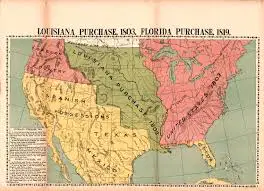
The Louisiana Purchase
Led to a new understanding of presidential powers
Doubled the land of the United States
Put the United States in grave danger of being attacked by Mexico
Gave the United States control of both sides of the Mississippi
Gave the United States control of the Port of New Orleans
What did the Embargo Act of 1807 do?
Select the causes of the War of 1812.
British Impressment, the practice of capturing US sailors
The Battle of New Orleans, a battle that set off anger and tension between the United States and Britain
The War Hawks, a group advocating for US expansion and military spending
The British supplied Native Americans to aid their resistance against the United States
The French were sending spies into the United States, which angered the general population
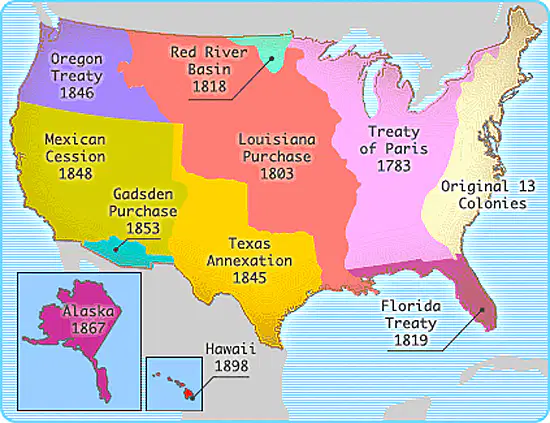
What did the Treaty of Paris of 1783 outline geographically?
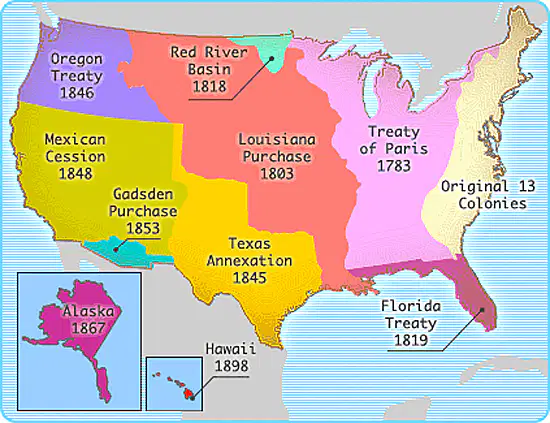
How did the United States organize the Northwest Territory gained by the Treaty of Paris of 1783?
What were the roots of Manifest Destiny?
To become famous
Finding a better life
Escaping religious persecution
Escaping the potato famine
Economic opportunity
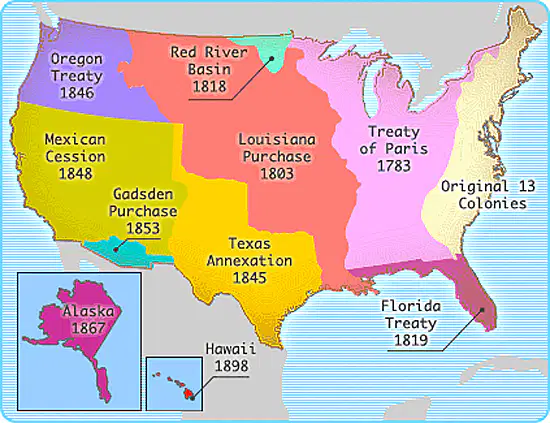
Florida was acquired through which treaty?
Adams-Onis

What was an issue that prevented the immediate annexation of Texas?
Balancing slave/free states
What does "54-40 or FIght!" mean?
It signifies a treaty agreement with Canada to establish the 54-40 latitude/longitude lines as the basis for the end of Westward expansion
It refers to a call for peace in the Oregon Territory. so that the British and the Americans could cooperate on beaver hunting

How did the United States acquire Oregon?
Why did settlers develop and use the Oregon Trail?
Why did settlers develop and use the Sante Fe trail?
Why did Henry David Thoreau oppose the Mexican-American war?
He believed it was wrong and would expand slavery.
Thoreau supported the war for territorial expansion in connection to Manifest Destiny.
In what ways has Spanish culture influenced the Southwest United States
Currency
Language
Food
Botany
Religion
Why was the Mormon trail developed?
The Mormon trail was developed to escape religious persecution.
What did the Treaty of Guadalupe-Hidalgo outline?
The treaty granted independence to Texas from Mexico, which then set the stage for the American annexation of Texas.
The treaty established a military alliance between Mexico and the U.S to prevent future wars between the two.
The treaty outlined trade agreements between Mexico and Spain in an effort to destroy the increasing Anglo-American coalition developing in the Western Hemisphere.
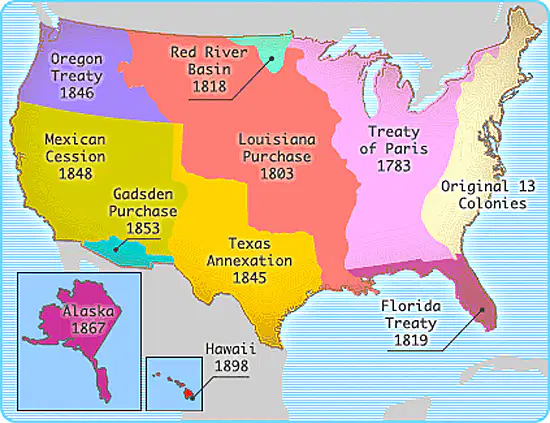
What was a significant issue that the United States faced as a result of the addition of the Mexican Cession land?
Experimenting with new farming and irrigation techniques in the new territory
Deciding on the official language for the new territory
Figuring out how to balance free and slave states within the new territory
Limiting the immigration of settlers into the new territory
Check all that apply to the Compromise of 1850:
The US enacted a harsher fugitive slave act
California became a free state
Texas became a territory
Missouri became a slave state; Maine became a free state; slavery was banned in the north
Utah and New Mexico used popular sovereignty to determine slavery
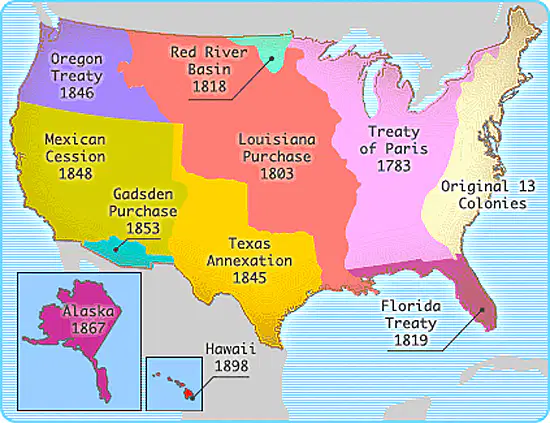
What was the Gadsden Purchase?
The Gadsden Purchase was a 1865 treaty that ceded Texas to Mexico as a way to repay Mexico for the injustices of the Mexican-American War.
The Gadsden Purchase was a 1848 agreement for land in California that led to widespread chaos due to the question of slavery.
What was the Era of Good Feelings?
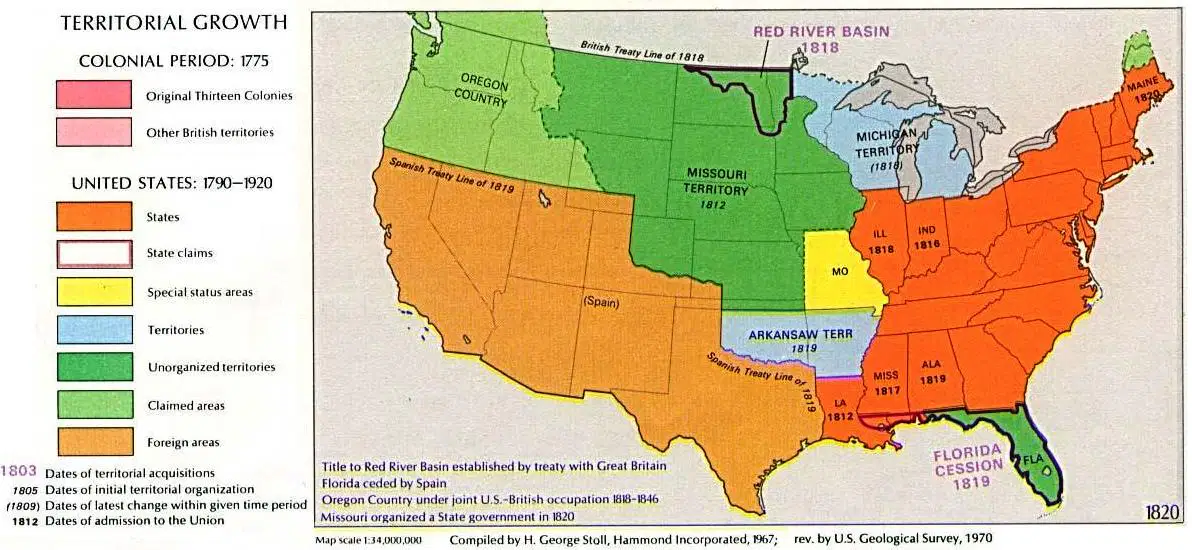
Check all that apply to the Missouri Compromise:
Maintained balance between free and slave states
Maine was admitted as a free state
Maine was admitted as a slave state
Missouri was admitted as a slave state
Slavery was banned North of the 36/30 line
Check all that apply to the American System under James Monroe
Prioritized the National Bank
Prioritized Tariffs
Prioritized the South
Prioritized State Governments
Prioritized Roads/Canals
Which political party was formed to be against Andrew Jackson?
Select all that apply to the Nullification Crisis?
It started because of a high tax on imported goods that Southerners called the "Tariff of Abominations"
South Carolina believed they had the right to nullify (cancel) any federal law they thought was Unconstitutional
President Andrew Jackson supported South Carolina and told them they didn't have to pay the taxes
The crisis ended when Henry Clay helped pass a compromise that slowly lowered the taxes over several years
This event was a "preview" of the tension between the North and South that eventually led to the Civil War
Which of the following statements accurately describe the "Bank War?"
Andrew Jackson believed the Second Bank of the United States was a "monster" that only helped the wealthy
Nicholas Biddle, the president of the Bank, was Jackson's best friend and helped him win the election
Jackson used his veto power to stop a bill that would have kept the Bank open, arguing it was unconstitutional and dangerous
To "kill" the bank, Jackson took the government's money out and put it into smaller state banks.
The Bank War showed that Jackson wanted the President to have more power when it came to the economy
Which of the following statements are True about the Election of 1824?
Even though Jackson had the most popular votes, he did not have enough electoral votes to win immediately
Because no candidate won a majority of the electoral votes, the House of Representatives had to vote to choose the winner
Andrew Jackson decided that he would become John Quincy Adams' vice president
Henry Clay used his power in Congress to help John Quincy Adams elected
Andrew Jackson claimed a "Corrupt Bargain" happened between Adams and Clay
Which of the following statements are TRUE about the spoils system?
After winning the election, Jackson fired many government officials and replaced him with his friends
Jackson argued the Spoils System was good for democracy because it gave the common man more power
To make sure the best people were hired, he made them have extensive qualifications
This system sometimes led to corruption
The system was very popular with Jackson's enemies
Which of the following statements correctly describe the presidency of Andrew Jackson and the era of Jacksonian Democracy?
Most states removed property ownership requirements for voting, allowing more white men to participate in elections.
The "Spoils System" was used to reward political supports with government jobs
Women and free African Americans were granted the right to vote for the first time.
The Indian Removal Act was signed into law, leading to the forced relocation of Native American tribes.
Andrew Jackson worked to strengthen and renew the charter of the Second Bank of the United States.
What was the Indian removal act?
What was the ruling in Worcester vs. Georgia?
How did Jackson react to Worcester v. Georgia?
Which political party did Andrew Jackson help create?
Jackson ignoring the ruling in Worcester v. Georgia was a violation of which constitutional principle?

Why did political opponents of Andrew Jackson view him as a king?
They viewed Jackson as a president with unrestrained powers who abused his presidential power.
He fought for the common man.
His racist views of Native Americans led to the passage of the Indian Removal Act.
He threatened to invade South Carolina if they did not follow federal laws.

Which of the following best completes the diagram above?
John Adams
Thomas Jefferson
George Washington
Andrew Jackson
What is a common theme for all of the inventions during the Industrial Revolution?
What happened to slavery in the South as a result of the Cotton Gin?
The Cotton Gin had no impact on slavery in the South because the slaves were then needed to process the cotton.
Where did most people move to during the Industrial Revolution?
What is the process of people moving to cities called?
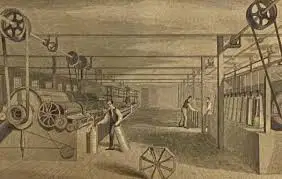
Select all that apply to Samuel Slater's factory system
After: People migrated from farms to cities to look or a job
Before: Textiles and manufactured goods were made by hand
After: Mass production of goods and textiles were more efficient
Before: Farmers were begging for a more efficient textile system
Before: The Process was slow and expensive
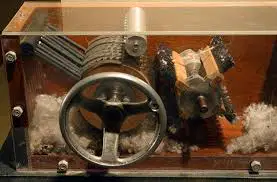
Select all that apply to the effects of the Cotton Gin:
Slavery decreased as a result of the more efficient cotton processing
Slaves could clean 50 pounds of cotton a day
Cotton plantations moved west
Slavery expanded
Native Americans lost more land
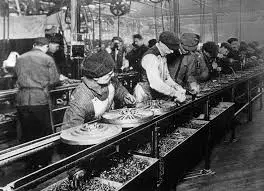
Select all that apply to the effects of Interchangeable Parts:
Sped up production of goods
Made the process slow and expensive
Made repairs easier
Manufacturing was more efficient
Expanded farming techniques
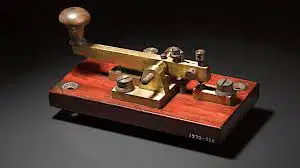
Select all that apply to the effects of the telegraph:
Increased the divide between North and South due to constant political messaging
Increased inequitable outcomes due to an increasing divide between the material outcomes of the rich and poor
It took only seconds to communicate with someone in a different city
The country became more informed of national events
Helped united the country and brought people closer as a nation
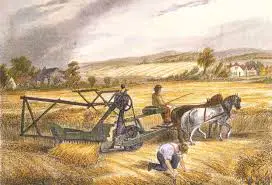
Select all that apply to the effects of the Mechanical Reaper:
Sped up the harvesting time for crops
Increased profits
Increased production and distribution of grains to market
Increased slavery
Decreased grain production

These innovations in agriculture and industry resulted in —
higher consumer costs
decreased profits for investors
less conusmer choice
more efficient production of goods
What was an effect of the Steel Plow?
Select all that apply to the Northeast Economy:
Manufactured Based Economy
Factories
Cotton Exporting
Railroads and Canals
Urbanization
Select all that apply to the Southern economy:
Factories
Agriculture-based economy
Large plantations
Depended on slavery
Cotton exporting
Select all that apply to the economy of the West/Midwest:
Mining of mineral ores (gold, silver, iron)
Factories
Immigrants established small farms
Cotton
Supplied food resources for the entire nation
Select all that apply to the steamboat:
Transport of goods was much cheaper
Transatlantic travel instantly became easier
Transport of people was much easier
Growth along river cities increased
What was the significance of the Erie Canal?
What was the significance of railroads in the United States?
What did the Transcontinental Railroad connect?
Select all that apply to Chinese Immigration:
Came for the Gold Rush
Potato Famine
Worked on the Transcontinental Railroad
Settled in Central Texas
Escaping severe poverty
Select all that apply to German immigration:
Escaping failed political revolutions
Potato Famine
Seeking political freedom
Settled in Central Texas
Settled in crowded cities
Select all that apply to Irish immigration:
Potato Famine
Crowded Cities
Factory Jobs
Gold Rush
Central Texas
What was a negative component of the United States' free market economy in the 1800s?
Which political party formed in response to immigration in the 1800s?
Select the three answers that apply to the Women's Rights movement in the United States during the mid-1800s.
The movement was officially launched at the Seneca Falls Convention in New York in 1848.
Leaders drafted the "Declaration of Sentiments," which used language modeled after the Declaration of Independence.
The movement succeeded in getting the 19th Amendment ratified before the Civil War began.
Many movement leaders, such as Sojourner Truth and Elizabeth Cady Stanton, were also active in the abolitionist movement against slavery.
The movement focused strictly on voting rights and refused to address issues regarding property ownership or divorce laws.
Select the two answers that apply to the Second Great Awakening
It was a religious revival that emphasized individual salvation and the idea that people could improve themselves and society.
The movement encouraged a return to the strict Puritan belief in "predestination," where God had already decided who would be saved.
The religious devotion from this movement inspired many people to join social reform efforts, such as the abolitionist and temperance movements.
The movement was primarily focused on establishing a single, official state religion for the entire United States.
Who was William Lloyd Garrison?
What does abolition mean?
The act of formally ending slavery.
William Lloyd Garrison contributed to the growth of the abolitionist movement in the mid-1800s primarily by —
organizing the Underground Railroad to help enslaved people escape to the North.
leading a violent raid on a federal arsenal at Harpers Ferry, Virginia.
publishing the anti-slavery newspaper The Liberator and advocating for immediate emancipation.
writing the novel Uncle Tom’s Cabin to expose the cruelty of slavery to the public, causing a large public outcry from the general public
Which of the following statements correctly describe the life and contributions of Frederick Douglass?
He was born into slavery in Maryland and eventually escaped to the North to gain his freedom.
He led a violent raid on a federal arsenal at Harpers Ferry in an attempt to start a slave rebellion.
He became a powerful speaker and published an influential anti-slavery newspaper called The North Star.
He wrote the best-selling novel Uncle Tom's Cabin, which turned public opinion against the Fugitive Slave Law.
During the Civil War, he encouraged President Lincoln to allow African American men to fight in the Union Army.
How did the publication of Harriet Beecher Stowe’s novel Uncle Tom’s Cabin impact the United States in the 1850s?
It convinced Southern states to voluntarily end slavery to avoid conflict with the North.
It increased support for the abolitionist movement in the North by describing the harsh realities of slavery.
It led to the immediate passage of the 13th Amendment outlawing slavery because it described the harsh realities of slavery.
It was primarily used as a textbook in Southern schools to justify the practice of slavery.
Which of the following statements correctly describe the contributions and life of Sojourner Truth?
She was born into slavery in New York and became a powerful speaker after escaping to freedom.
She delivered the famous "Ain't I a Woman?" speech, which challenged the idea that women were the "weaker" sex.
She spent her entire life focused solely on ending slavery and refused to support the women's suffrage movement.
She advocated for both the abolition of slavery and the right of women to vote, seeing the two causes as linked.
She was the primary author of the "Declaration of Sentiments" at the Seneca Falls Convention.
What does suffrage mean?
Which of the following statements correctly describe the life and achievements of Harriet Tubman?
She was a famous "conductor" on the Underground Railroad, leading many enslaved people to freedom in the North and Canada.
During the Civil War, she served the Union Army as a nurse, a cook, and a spy behind Confederate lines.
She was the primary author of The Liberator, the most influential abolitionist newspaper in the United States.
Later in her life, she became a prominent leader in the movement for women’s suffrage (the right to vote).
She led the largest armed slave rebellion in U.S. history, known as the Nat Turner Rebellion.
Horace Mann is most famous for leading which of the following reform movements in the mid-1800s?
The Temperance movement to ban the sale of alcohol.
The Abolitionist movement to end the practice of slavery.
The Public Education movement
The Labor movement to establish an eight-hour workday.
Why did Horace Mann believe that a free, state-funded public education system was essential for the United States?
He believed that an educated citizenry was necessary for a successful democracy.
He wanted to ensure that all children were trained for careers in the military.
He argued that schools should replace parents as the primary source of religious instruction.
He wanted to prevent children from moving to the Western frontier to farm.
Dorothea Dix’s reform efforts in the mid-1800s were primarily focused on —
banning the production and sale of alcohol to protect families.
improving the treatment of the mentally ill and the conditions of prisons.
providing free, tax-funded public education for all children.
advocating for the immediate emancipation of all enslaved people.
Which of the following statements correctly describe the Temperance movement and its impact on 19th-century America?
It was a social reform movement that urged people to stop or strictly limit the consumption of alcohol.
The movement was primarily led by business owners who wanted to lower the wages of their workers.
Supporters argued that alcohol abuse was the root cause of social problems like poverty, crime, and family neglect.
The movement was unsuccessful in attracting any followers until the mid-1900s.
Many women were leaders in the movement because they believed alcohol was a direct threat to the safety and stability of the home.
Which of the following statements correctly describe the Hudson River School of Art?
The movement was primarily interested in painting the crowded streets and industrial factories of Northern cities.
Artists focused on the beauty of the American landscape, often painting scenes of the Hudson River Valley and the Catskill Mountains.
The paintings often depicted the "sublime" power of nature and the idea that the American wilderness was a divine gift.
The school’s work reflected the era’s spirit of westward expansion and the concept of Manifest Destiny.
Artists used abstract shapes and bright colors to protest the lack of voting rights for women.
Which of the following are core characteristics of the Romanticism movement in 19th-century American literature and art?
A deep emphasis on the beauty and power of nature over the growth of cities and factories.
A belief that logical reasoning and scientific data are the only ways to understand the human experience.
A focus on individual expression, intuition, and the "inner feelings" of the person.
The celebration of the "common man" and the unique American spirit.
A strict requirement that all stories and paintings must depict historical battles from the Revolutionary War.
Which of the following ideas were central to the Transcendentalist movement led by thinkers like Ralph Waldo Emerson?
The requirement that all citizens must prioritize the needs of the government over their own personal beliefs.
The argument that the Industrial Revolution and new technology were the only ways for humans to find spiritual peace.
The belief that true knowledge comes from "transcending" (going beyond) the physical world through intuition and nature.
The idea that individuals should be self-reliant and not simply follow the traditions or crowds of society.
The belief that every human being has an "inner light" or a spark of the divine that makes them inherently good.
Henry David Thoreau, a famous Transcendentalist, practiced "civil disobedience" by refusing to pay a tax to protest the Mexican-American War. This action was based on his belief that —
the government should have total control over all private property.
an individual’s conscience is more important than a law that they believe is wrong.
taxes should only be paid by people living in the Southern states.
the United States should stop expanding its territory to the Pacific Ocean.
White two writers were part of the Transcendentalist movement?
Henry David Thoreau
Ralph Waldo Emerson
Edgar Allen Poe
Nathaniel Hawthorne
Check all that apply to the Missouri Compromise:
Maintained balance between free and slave states
Maine was admitted as a free state
Maine was admitted as a slave state
Missouri was admitted as a slave state
Slavery was banned North of the 36/30 line
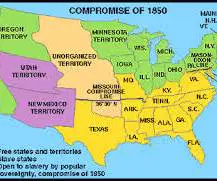
Check all that apply to the Compromise of 1850:
The US enacted a harsher fugitive slave act
California became a free state
Texas became a territory
Missouri became a slave state; Maine became a free state; slavery was banned in the north
Utah and New Mexico used popular sovereignty to determine slavery
What was a significant issue that the United States faced as a result of the addition of the Mexican Cession land?
Experimenting with new farming and irrigation techniques in the new territory
Deciding on the official language for the new territory
Figuring out how to balance free and slave states within the new territory
Limiting the immigration of settlers into the new territory
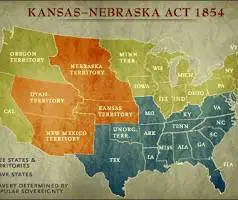
Which of the following were direct results or features of the Kansas-Nebraska Act? (Select all that apply)
It established the concept of "popular sovereignty," allowing settlers to vote on the status of slavery.
It officially repealed the Missouri Compromise of 1820.
It immediately admitted Kansas to the Union as a free state.
It enacted a stricter fugitive slave act
It led to a period of localized civil war known as "Bleeding Kansas."
Which THREE answers best match to Uncle Tom's Cabin by Harriet Beecher Stowe?
It was written as a direct protest against the enforcement of the Fugitive Slave Act
It shifted the focus of the slavery debate in the North from a political issue to a moral one.
It contributed to the growth of the Abolitionist movement by humanizing the experience of enslaved people.
It helped convince Southern plantation owners to transition to a free-labor system primarily staffed by Irish immigrations
It served as a primary cause for the start of the Mexican-American War, which was objected to by Henry David Thoreau in his writings.
Which of the following apply to Dred Scott v. Sandford?
The Supreme Court ruled that enslaved people were not citizens and had no right to sue in federal court.
It established the "Separate but Equal" doctrine, allowing for legal segregation in public places.
Chief Justice Roger Taney declared that the Missouri Compromise was unconstitutional.
The decision stated that Congress had no power to ban slavery in any federal territory.
It was a major victory for the Abolitionist movement and slowed the spread of slavery.
The election of Abraham Lincoln in 1860 was a turning point in American history. Which THREE of the following statements accurately describe the causes or effects of this election?
The Democratic Party remained united behind a single candidate to oppose the Republican platform.
The victory of the Free-Soil Party led to the immediate passage of the 13th Amendment.
Abraham Lincoln won the presidency despite not appearing on the ballot in many Southern states.
Several Southern states responded to the results by seceding from the Union to form the Confederacy.
The election results showed that the country was deeply divided along sectional lines.
Sectionalism in the mid-19th century was characterized by growing loyalties to a particular region rather than the nation as a whole. Which THREE of the following were major factors that contributed to the rise of sectionalism?
The North developed an economy based on manufacturing, industry, and a high immigrant population.
The West remained largely uninhabited and had no impact on the political debates over slavery.
The rapid development of a transcontinental railroad that unified all Southern and Northern social values.
The South relied on a plantation system and an agricultural economy that depended on enslaved labor.
Disputes over tariffs and the power of the federal government vs. "States' Rights."

What is significant about the states in the lighter shade of blue?
They had slavery
They joined the Union in the Civil War
They were "Border States"
They did not join the Confederacy
They joined the Confederacy with no slaves
What is significant about the Battle of Fort Sumter?
What is the significance of the First Battle of Bull Run?
it resulted in a decisive Union victory that captured the Confederate capital of Richmond.
it convinced both the North and South that the war would be long and costly.
it was the first time that African American soldiers were allowed to fight in combat.
it led directly to the signing of the Emancipation Proclamation by President Lincoln.
The Battle of Antietam took place on September 17, 1862, and remains the bloodiest single day in American history. Which THREE of the following describe the significance of this battle?
It was the first major battle fought on Union soil (Maryland) during the Civil War.
It provided President Abraham Lincoln with the "political victory" he needed to issue the Emancipation Proclamation.
It convinced Great Britain and France to stay out of the war rather than supporting the Confederacy.
The Confederate victory led to the immediate surrender of Washington, D.C.
It resulted in the total destruction of Robert E. Lee’s Army of Northern Virginia.
President Abraham Lincoln issued the Emancipation Proclamation on January 1, 1863. Which THREE of the following statements accurately describe its provisions or effects?
It immediately freed all enslaved people living in Northern "border states" like Maryland and Kentucky.
It declared that all persons held as slaves within the rebellious Confederate states were free.
It shifted the focus of the war from "preserving the Union" to a crusade against slavery.
It discouraged European powers, like Great Britain, from providing military aid to the Confederacy.
It gave the Supreme Court the power to overturn the Dred Scott v. Sandford decision immediately.
Fought in Pennsylvania in July 1863, the Battle of Gettysburg is often called the "turning point" of the Civil War. Which THREE of the following statements explain why this battle was so important?
It resulted in the Union losing control of the Mississippi River to the Confederacy.
t convinced President Abraham Lincoln to immediately resign and end the war.
It was the last time General Robert E. Lee attempted to invade the North.
The massive loss of Confederate troops made it impossible for the South to ever fully recover its offensive strength.
It prompted Lincoln to deliver a famous speech that redefined the purpose of the war as a "new birth of freedom."
In November 1863, President Abraham Lincoln delivered the Gettysburg Address. Which of the following best describes the primary purpose of this speech based on the TEKS standards?
To officially announce the surrender of the Confederate Army of Northern Virginia.
To announce a plan for the immediate execution of Confederate political leaders.
To honor fallen soldiers and redefine the war as a struggle to preserve a government
To demand that Great Britain and France provide military assistance to the Union.
The Siege of Vicksburg ended on July 4, 1863. Which of the following best explains the strategic importance of this Union victory?
It allowed the Confederate army to launch a successful invasion of the North.
It gave the Union total control of the Mississippi River, effectively splitting the Confederacy in two.
It resulted in the immediate emancipation of all enslaved people in the state of Mississippi.
It was the first time that the Union used ironclad ships to block a Southern port.
In April 1865, General Robert E. Lee surrendered to General Ulysses S. Grant at Appomattox Court House. What was the primary result of this event?
The Confederate states were immediately readmitted to the Union with full voting rights.
It effectively ended the Civil War and led to the collapse of the Confederate government.
It prompted the South to begin a new offensive campaign in the Western territories.
It led to the immediate passage of the 15th Amendment, granting voting rights to former slaves.
What was Ulysses S. Grant's role in the Civil War?
Confederate Leader
Confederate General
Union Leader
Union General
What was Robert E. Lee's role in the Civil War?
Confederate Leader
Confederate General
Union Leader
Union General
What were Ironclads?
Why was Sherman's March known as "Total War?"
It was termed 'Total War' as it only targeted enemy soldiers in battle.
It targeted civilian resources
It was labeled 'Total War' because it avoided civilian areas entirely.
It was known as 'Total War' due to its focus on diplomatic negotiations.
Based on his political speeches and his role as the President of the Confederate States of America, which of the following statements accurately reflect the core beliefs of Jefferson Davis leading up to and during the Civil War? (Select all that apply)
States possess the constitutional right to peacefully secede from the Union if the federal government violates their sovereignty.
The federal government must maintain a strong, centralized authority to prevent individual states from ignoring national laws.
The institution of slavery should be legally protected, and slaveholders have the right to take their enslaved property into new western territories.
Protective tariffs are necessary to force the South to transition from an agricultural economy to an industrial one.
The policies of the Republican Party and the Northern states represented a tyrannical threat to Southern liberty, property rights, and way of life.
Who was Clara Barton?
Who was Phillip Bazaar?
Who was William Carney?
What was the Massachusetts 54th?
What was Lincoln's 10% Plan?
Lincoln's 10% Plan was a military strategy to invade the South by attempting to use 10% of its population as spies to detail the wrongdoings of former Confederates
Lincoln's 10% Plan would have allowed Southern states to rejoin if 10% of the population swore allegiance to the Costitution
What was the 13th Amendment?
Check the TWO that apply to the Fourteenth Amendment
Banned Slavery
Gave voting rights to all men
Equal protection under the law
Birthright Citizenship
What was Presidential Reconstruction?
Presidential Reconstruction was a soft approach to reintegrating Southern states into the Union after the Civil War.
What was the Civil Rights Act of 1864?
Which of the following statements accurately describe the purpose and impact of the Black Codes passed by Southern states during Reconstruction? (Select two)
They established federally funded schools and hospitals to assist formerly enslaved people.
They were laws specifically designed to severely restrict the daily lives, movement, and freedoms of newly freed African Americans.
They strictly enforced the equal protection and voting rights granted under the 14th and 15th Amendments.
They sought to maintain a cheap agricultural labor force in the South to replace the system of slavery.
They provided free plots of land and farming equipment to families who had survived the Civil War.
What is a poll tax?
Why did the South use literacy tests after the Civil War?
The South used literacy tests to not allow African Americans to vote
Which of the following statements accurately describe the primary efforts and achievements of the Freedmen's Bureau during Reconstruction? (Select two)
It established thousands of public schools and several colleges to provide education for formerly enslaved people.
It passed federal legislation that officially granted African American men the right to vote.
It helped newly freed men and women negotiate labor contracts with landowners to transition to a paid workforce.
It successfully enforced the permanent redistribution of Southern plantation lands to formerly enslaved families.
It created the legal framework for the strict racial segregation laws known as Jim Crow.
What were Carpetbaggers?
Carpetbaggers were local farmers who supported the Confederacy after the Civil War and needed financial support to "carpet" their farms, which means to have good grass.
Carpetbaggers were foreign immigrants who settled in the South for economic opportunities, but they were met with the grim reality of the South at that time.
Carpetbaggers were Northern transplants who moved to the South after the Civil War and were seen as exploiting the South.
What were the "Scalawags" in the post-Civil War period?
Scalawags were white Southerners who supported Reconstruction and the North.
How did the KKK affect post Civil War life?
Who was Hyram Rhoads Revels?
Which of the following statements accurately describe the economic system of sharecropping that developed in the South during Reconstruction? (Select two)
It successfully redistributed millions of acres of former Confederate plantation lands to newly freed African American families.
It was an agricultural system where landowners provided land, tools, and seed to farmers in exchange for a large portion of the resulting crop.
It allowed most agricultural laborers to quickly save enough money to buy their own independent farms within a few years.
It became a primary way for Southern planters to secure cheap labor, often trapping both freedmen and poor whites in a continuous cycle of debt.
It was a federal policy enforced by the military to ensure African Americans received fair wages for their labor.
What was the Compromise of 1877?
The Compromise of 1877 was a treaty that ended the Civil War, marking the beginning of the new era known as "Reconstruction."
The Compromise of 1877 established new voting rights for African Americans and was heavily debated among US senators at the time of its creation.
What was the 15th Amendment?

