
 Worksheets
section 4 Classification Criteria and Color Overview
Total questions: 10
Worksheet time: 5mins
Using the image of an industrial plant, which factor MOST directly determines whether hydrogen is classified as high‑carbon or low‑carbon?
Pipeline distance to end users
Storage tank material and thickness
Equipment size at the production site
Method of production and feedstock source
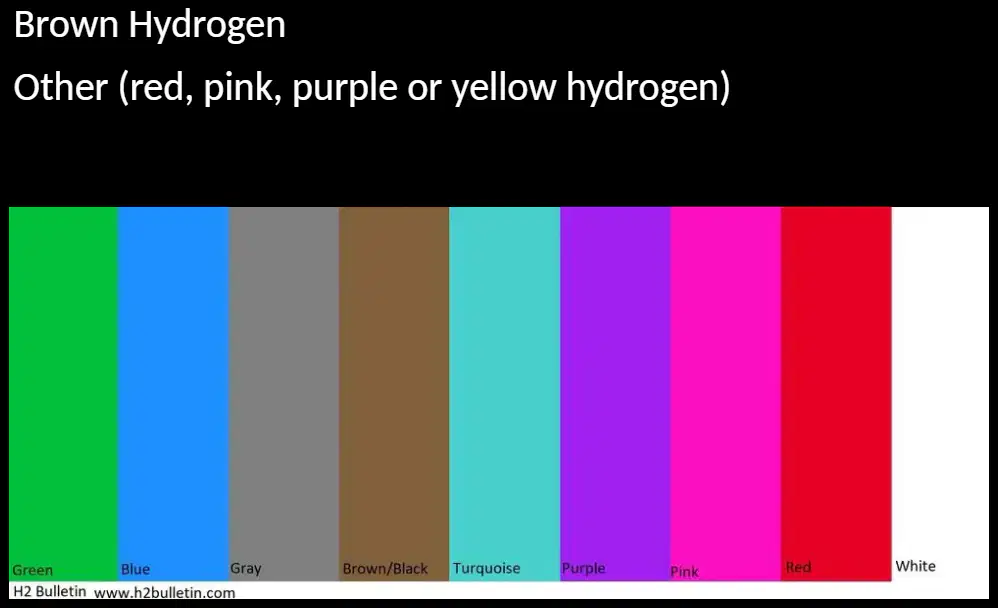
In the color-coded naming convention shown, which color group typically corresponds to hydrogen produced with low carbon intensity from water using renewable electricity?
Blue hydrogen from methane with CCS
Green hydrogen from water via electrolysis
Grey hydrogen from unabated steam reforming
Brown hydrogen from coal gasification

Which energy source powers electrolysis to produce green hydrogen in low-carbon pathways?
Renewable electricity from wind or solar
Combustion of coal with air
Diesel generators supplying grid power
Geothermal steam without electricity
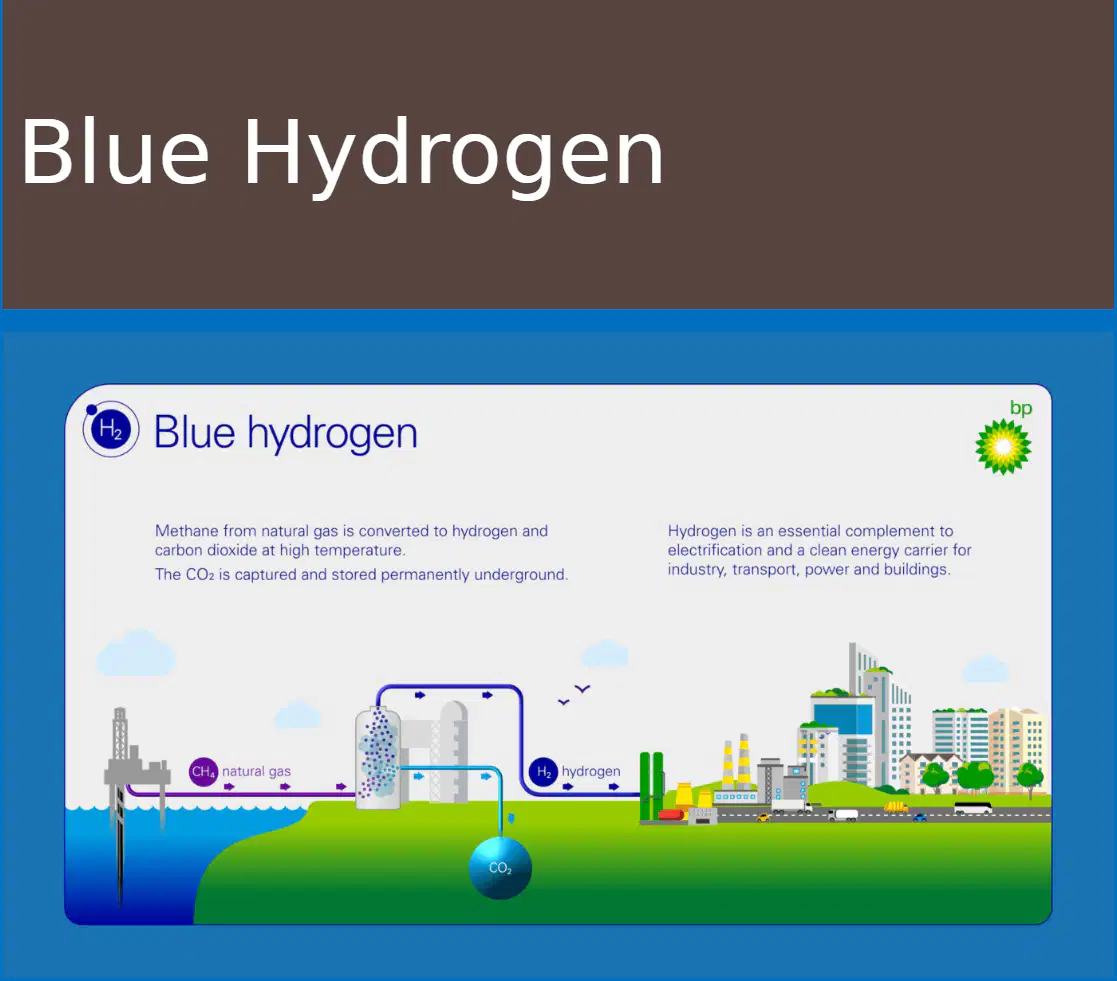
In blue hydrogen production, what role does Carbon Capture and Storage (CCS) primarily serve?
Increases methane conversion efficiency
Provides high-temperature reforming heat
Captures and stores process CO2 emissions
Purifies hydrogen to fuel-cell grade
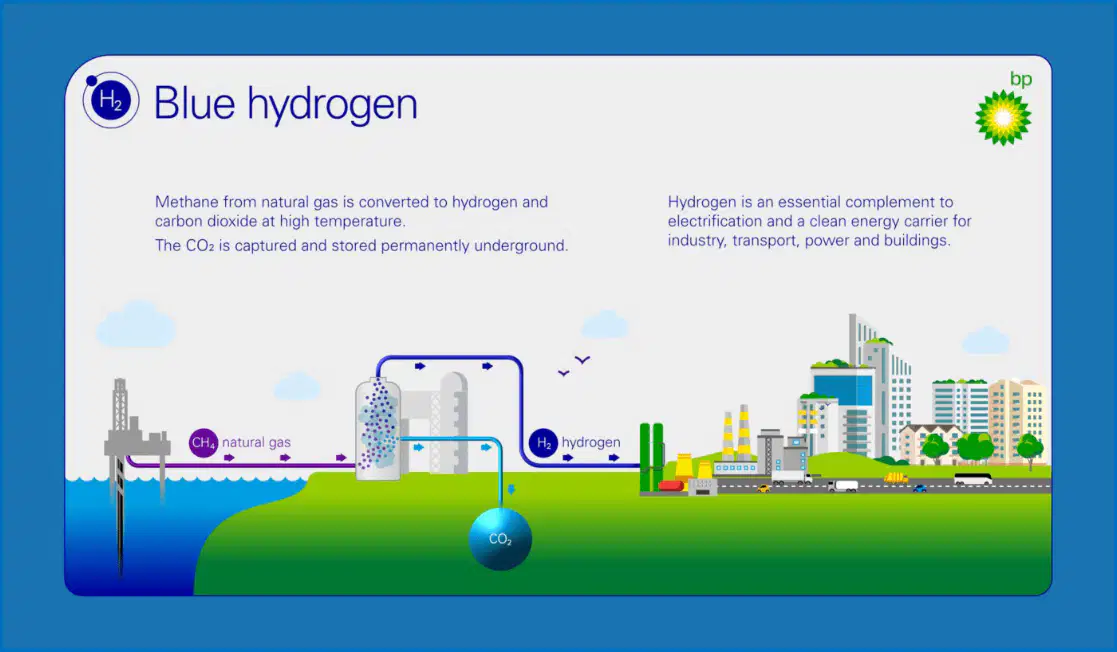
An operator must choose between green and blue hydrogen to minimize lifecycle CO2 today using existing infrastructure. Which choice is most defensible and why?
Biomass gasification without any CO2 capture
Coal-based hydrogen with delayed CCS deployment
Green hydrogen from electrolysis, ignoring intermittency
Blue hydrogen with CCS, using existing gas networks
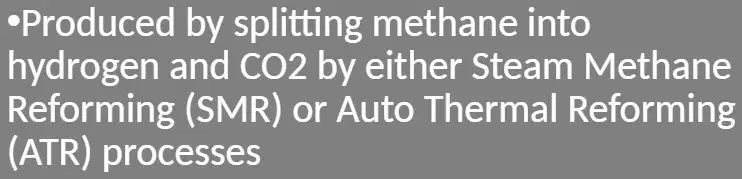
In methane-based hydrogen production without carbon capture, which process splits methane into hydrogen and CO2?
Electrolysis using alkaline electrolyte solutions
Partial oxidation with oxygen-rich burners
Pyrolysis in inert high-temperature reactors
Steam Methane Reforming or Auto Thermal Reforming
Which statement best distinguishes grey hydrogen from brown (or black) hydrogen regarding feedstock and method?
Grey uses methane via reforming; brown uses coal via gasification
Grey uses coal via gasification; brown uses methane via reforming
Grey and brown both use methane via electrolysis methods
Grey and brown both use lignite via catalytic cracking
A plant producing brown hydrogen is assessed for environmental impact. Which outcome aligns with this process’s typical emissions profile?
Only water vapor released during production
Nitrogen oxides dominate with negligible carbon species
Minimal CO2 due to full carbon capture and storage
Significant CO2 and CO released to the atmosphere

Which hydrogen type uses high-temperature splitting of water with nuclear thermal energy?
Pink hydrogen using electricity from a nuclear power plant
Red hydrogen via nuclear thermal splitting of water
Yellow hydrogen using exclusively solar-generated electricity
Turquoise hydrogen from methane pyrolysis with solid carbon

Methane pyrolysis that yields solid carbon instead of CO2 is associated with which hydrogen color?
Pink hydrogen from nuclear-powered electrolysis
Turquoise hydrogen from methane thermal splitting
Red hydrogen from nuclear thermal water splitting
Yellow hydrogen from solar-only electrolysis

