
Font size
 Worksheets
ML Policy and Program Models
Total questions: 32
Worksheet time: 26mins
"Over 90% of the students in the school are Spanish-speaking ML students. The parents would like their children to maintain their Spanish while learning English and becoming competent bilinguals." Read the descriptions of the student populations and indicate which of the listed program models would be most effective and realistic for those students. Use each of these terms once: developmental bilingual education program, dual language program, heritage language program, newcomer program, sheltered English immersion.
developmental bilingual education program
dual language program
heritage language program
newcomer program
sheltered English immersion
"The school has about 45% Chinese-speaking (Mandarin) MLs and 55% native English-speaking students. Both Chinese and non-Chinese parents would like their children to learn Mandarin." Read the descriptions of the student populations and indicate which of the listed program models would be most effective and realistic for those students. Use each of these terms once: developmental bilingual education program, dual language program, heritage language program, newcomer program, sheltered English immersion.
developmental bilingual education program
dual language program
heritage language program
newcomer program
sheltered English immersion
"The school has about 100 Korean-American students, and their parents want them to receive about 1 hour of Korean language instruction each day in addition to their regular classroom instruction." Read the descriptions of the student populations and indicate which of the listed program models would be most effective and realistic for those students. Use each of these terms once: developmental bilingual education program, dual language program, heritage language program, newcomer program, sheltered English immersion.
developmental bilingual education program
dual language program
heritage language program
newcomer program
sheltered English immersion

"A school district begins receiving a large number of refugee students who do not speak any English from Sudan, Somalia, Myanmar (Burma), and countries in the Middle East. Many of these students were denied access to formal education prior to coming to the United States." Read the descriptions of the student populations and indicate which of the listed program models would be most effective and realistic for those students. Use each of these terms once: developmental bilingual education program, dual language program, heritage language program, newcomer program, sheltered English immersion.
developmental bilingual education program
dual language program
heritage language program
newcomer program
sheltered English immersion
"The school has a large number of ML students, many of whom were born in the United States and who come from a wide variety of language backgrounds. There are no more than eight students in each grade who speak the same language. Read the descriptions of the student populations and indicate which of the listed program models would be most effective and realistic for those students. Use each of these terms once: developmental bilingual education program, dual language program, heritage language program, newcomer program, sheltered English immersion.
developmental bilingual education program
dual language program
heritage language program
newcomer program
sheltered English immersion
"ML students are thrown into regular mainstream classrooms." No specialized instruction or extra assistance is provided. Read the brief classroom description and identify which program model is being used. Use each of these nine terms once: bilingual immersion, developmental bilingual education, dual language program, heritage language program, newcomer program, pull-out ESL, sheltered English immersion, submersion, transitional bilingual education.
Submersion
Sheltered English immersion
Pull-out ESL
Newcomer program
Dual language program
"Native Hawaiian students who cannot speak Hawaiian are in a kindergarten classroom where 90% of the instruction is in Hawaiian." Read the brief classroom description and identify which program model is being used. Use each of these nine terms once: bilingual immersion, developmental bilingual education, dual language program, heritage language program, newcomer program, pull-out ESL, sheltered English immersion, submersion, transitional bilingual education.
Bilingual immersion
Heritage language program
Transitional bilingual education
Sheltered English immersion
Dual language program
"A 1st-grade classroom consists of 12 Spanish-speaking ELLs and eight native English speakers. The teacher provides half the instruction in Spanish and half in English. "Read the brief classroom description and identify which program model is being used. Use each of these nine terms once: bilingual immersion, developmental bilingual education, dual language program, heritage language program, newcomer program, pull-out ESL, sheltered English immersion, submersion, transitional bilingual education.
Dual language program
Developmental bilingual education
Transitional bilingual education
Sheltered English immersion
Submersion
"A 5th grade classroom of Spanish-speaking students has about half their instruction in English and the other half in Spanish. Most of the students have received instruction in both languages since kindergarten, though the amount of instruction in Spanish has decreased from about 90% to 50%." Read the brief classroom description and identify which program model is being used. Use each of these nine terms once: bilingual immersion, developmental bilingual education, dual language program, heritage language program, newcomer program, pull-out ESL, sheltered English immersion, submersion, transitional bilingual education.
Developmental bilingual education
Transitional bilingual education
Dual language program
Sheltered English immersion
Pull-out ESL
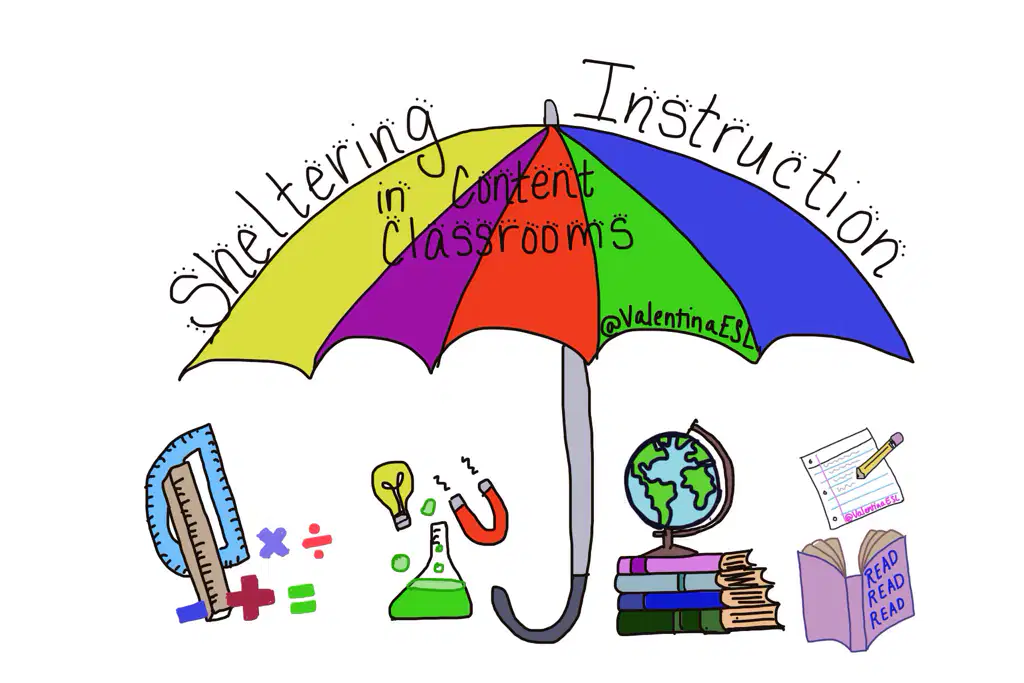
"A 2nd grade teacher has a classroom of Spanish-speaking MLs. She provides sheltered English instruction in all subject areas and at least 40 minutes of ESL instruction per day. She also provides as much primary language support as she can." Read the brief classroom description and identify which program model is being used. Use each of these nine terms once: bilingual immersion, developmental bilingual education, dual language program, heritage language program, newcomer program, pull-out ESL, sheltered English immersion, submersion, transitional bilingual education.
Sheltered English immersion
Pull-out ESL
Submersion
Dual language program
Newcomer program
"A 1st-grade classroom consists of Arabic-speaking MLs. The Arabic-speaking teacher provides language arts, social studies, and science instruction in Arabic and math, art, music, and PE in English. He also provides 30 minutes of ESL instruction a day. Instruction in Arabic is phased out over time as the students learn more English." Read the brief classroom description and identify which program model is being used. Use each of these nine terms once: bilingual immersion, developmental bilingual education, dual language program, heritage language program, newcomer program, pull-out ESL, sheltered English immersion, submersion, transitional bilingual education.
Transitional bilingual education
Developmental bilingual education
Sheltered English immersion
Dual language program
Submersion
""ML students who speak a variety of languages are placed in a regular classroom, but they leave it for about 30 minutes a day to receive English instruction from a certified teacher with specialized training in teaching language to ML students." Read the brief classroom description and identify which program model is being used. Use each of these nine terms once: bilingual immersion, developmental bilingual education, dual language program, heritage language program, newcomer program, pull-out ESL, sheltered English immersion, submersion, transitional bilingual education.
Pull-out ESL
Sheltered English immersion
Newcomer program
Submersion
Developmental bilingual education
"A high school has a program for non-English-speaking students who recently arrived in the country. The students remain in the same classroom most of the school day. The classroom teacher provides intensive ESL instruction, some content-area instruction using sheltered instruction, and ample primary language support." Read the brief classroom description and identify which program model is being used. Use each of these nine terms once: bilingual immersion, developmental bilingual education, dual language program, heritage language program, newcomer program, pull-out ESL, sheltered English immersion, submersion, transitional bilingual education.
Newcomer program
Sheltered English immersion
Pull-out ESL
Submersion
Heritage language program
"Hmong-American middle-school students are allowed to take one period of foreign language during which they can study their native language. The instruction is designed specifically for native speakers of Hmong." Read the brief classroom description and identify which program model is being used. Use each of these nine terms once: bilingual immersion, developmental bilingual education, dual language program, heritage language program, newcomer program, pull-out ESL, sheltered English immersion, submersion, transitional bilingual education.
Heritage language program
Bilingual immersion
Pull-out ESL
Sheltered English immersion
Newcomer program
Choose the listed policy, program, or initiative that matches the description. Use terms from: Elementary and Secondary Education Act (ESEA), Equal Educational Opportunities Act (EEOA), ESEA Flexibility, Every Student Succeeds Act (ESSA), LOOK Act, No Child Left Behind (NCLB), Race to the Top (RTTT), Title VI of the Civil Rights Act, Title VII Bilingual Education Act, WIDA and ELPA21. Description: Federal education policy that emerged from the Civil Rights movement and the War on Poverty.
Elementary and Secondary Education Act (ESEA)
Title VI of the Civil Rights Act
No Child Left Behind (NCLB)
Every Student Succeeds Act (ESSA)
Equal Educational Opportunities Act (EEOA)
Choose the listed policy, program, or initiative that matches the description. Use terms from: Elementary and Secondary Education Act (ESEA), Equal Educational Opportunities Act (EEOA), ESEA Flexibility, Every Student Succeeds Act (ESSA), LOOK Act, No Child Left Behind (NCLB), Race to the Top (RTTT), Title VI of the Civil Rights Act, Title VII Bilingual Education Act, WIDA and ELPA21. Description: “No state shall deny educational opportunities to an individual on account of his or her race, color, sex, or national origin by ... the failure of an educational agency to take appropriate action to overcome the language barriers that impede equal participation by its students in its instructional programs.”
Equal Educational Opportunities Act (EEOA)
Title VI of the Civil Rights Act
Elementary and Secondary Education Act (ESEA)
Every Student Succeeds Act (ESSA)
Title VII Bilingual Education Act
Description: Requires schools to communicate with parents in a language they can understand. Choose the listed policy, program, or initiative that matches the description. Use terms from: Elementary and Secondary Education Act (ESEA), Equal Educational Opportunities Act (EEOA), ESEA Flexibility, Every Student Succeeds Act (ESSA), LOOK Act, No Child Left Behind (NCLB), Race to the Top (RTTT), Title VI of the Civil Rights Act, Title VII Bilingual Education Act, WIDA and ELPA21.
Title VI of the Civil Rights Act
Equal Educational Opportunities Act (EEOA)
No Child Left Behind (NCLB)
Every Student Succeeds Act (ESSA)
Elementary and Secondary Education Act (ESEA)
Description: A federal education program that encouraged and provided funding for bilingual education programs. Choose the listed policy, program, or initiative that matches the description. Use terms from: Elementary and Secondary Education Act (ESEA), Equal Educational Opportunities Act (EEOA), ESEA Flexibility, Every Student Succeeds Act (ESSA), LOOK Act, No Child Left Behind (NCLB), Race to the Top (RTTT), Title VI of the Civil Rights Act, Title VII Bilingual Education Act, WIDA and ELPA21.
Title VII Bilingual Education Act
Elementary and Secondary Education Act (ESEA)
Equal Educational Opportunities Act (EEOA)
Every Student Succeeds Act (ESSA)
LOOK Act
Description: The reauthorization of the Elementary and Secondary Education Act sponsored by President George W. Bush. Choose the listed policy, program, or initiative that matches the description. Use terms from: Elementary and Secondary Education Act (ESEA), Equal Educational Opportunities Act (EEOA), ESEA Flexibility, Every Student Succeeds Act (ESSA), LOOK Act, No Child Left Behind (NCLB), Race to the Top (RTTT), Title VI of the Civil Rights Act, Title VII Bilingual Education Act, WIDA, and ELPA21.
No Child Left Behind (NCLB)
Every Student Succeeds Act (ESSA)
Elementary and Secondary Education Act (ESEA)
Race to the Top (RTTT)
ESEA Flexibility

Description: A part of the federal American Recovery and Reinvestment Act providing over $4 billion in competitive grants to support state education reform efforts. Choose the listed policy, program, or initiative that matches the description. Use terms from: Elementary and Secondary Education Act (ESEA), Equal Educational Opportunities Act (EEOA), ESEA Flexibility, Every Student Succeeds Act (ESSA), LOOK Act, No Child Left Behind (NCLB), Race to the Top (RTTT), Title VI of the Civil Rights Act, Title VII Bilingual Education Act, WIDA and ELPA21.
Race to the Top (RTTT)
ESEA Flexibility
No Child Left Behind (NCLB)
Every Student Succeeds Act (ESSA)
Elementary and Secondary Education Act (ESEA)
Description: "The federal government holds states accountable for the academic achievement and English language development of MLs, and grants each state the flexibility to identify which program models are eligible for funding; it does not require teacher evaluations to be tied to their students’ test scores." Choose the listed policy, program, or initiative that matches the description. Use terms from: Elementary and Secondary Education Act (ESEA), Equal Educational Opportunities Act (EEOA), ESEA Flexibility, Every Student Succeeds Act (ESSA), LOOK Act, No Child Left Behind (NCLB), Race to the Top (RTTT), Title VI of the Civil Rights Act, Title VII Bilingual Education Act, WIDA, and ELPA21.
Every Student Succeeds Act (ESSA)
No Child Left Behind (NCLB)
ESEA Flexibility
Race to the Top (RTTT)
Title VI of the Civil Rights Act

"Description: A federal program for states to be granted waivers from No Child Left Behind Title I accountability requirements in exchange for state-negotiated school reform and accountability plans." Choose the listed policy, program, or initiative that matches the description. Use terms from: Elementary and Secondary Education Act (ESEA), Equal Educational Opportunities Act (EEOA), ESEA Flexibility, Every Student Succeeds Act (ESSA), LOOK Act, No Child Left Behind (NCLB), Race to the Top (RTTT), Title VI of the Civil Rights Act, Title VII Bilingual Education Act, WIDA and ELPA21.
ESEA Flexibility
No Child Left Behind (NCLB)
Race to the Top (RTTT)
Every Student Succeeds Act (ESSA)
Elementary and Secondary Education Act (ESEA)

"Description: Allows school districts in Massachusetts flexibility in choosing bilingual education and in providing language acquisition programs for MLs." Choose the listed policy, program, or initiative that matches the description. Use terms from: Elementary and Secondary Education Act (ESEA), Equal Educational Opportunities Act (EEOA), ESEA Flexibility, Every Student Succeeds Act (ESSA), LOOK Act, No Child Left Behind (NCLB), Race to the Top (RTTT), Title VI of the Civil Rights Act, Title VII Bilingual Education Act, WIDA, and ELPA21.
LOOK Act
Title VII Bilingual Education Act
Every Student Succeeds Act (ESSA)
Equal Educational Opportunities Act (EEOA)
Title VI of the Civil Rights Act
"Description: Consortia of states that work together to create and share ELP standards and assessments to be in compliance with federal laws and regulations."
Choose the listed policy, program, or initiative that matches the description. Use terms from: Elementary and Secondary Education Act (ESEA), Equal Educational Opportunities Act (EEOA), ESEA Flexibility, Every Student Succeeds Act (ESSA), LOOK Act, No Child Left Behind (NCLB), Race to the Top (RTTT), Title VI of the Civil Rights Act, Title VII Bilingual Education Act, WIDA and ELPA21.
WIDA and ELPA21
Every Student Succeeds Act (ESSA)
Race to the Top (RTTT)
Elementary and Secondary Education Act (ESEA)
Title VI of the Civil Rights Act
Identify the name of the court case based on the description. Use each of these four terms once (Brown v. Board of Education; Castañeda v. Pickard; Lau v. Nichols; Meyer v. Nebraska). U.S. Supreme Court decision declaring that it is illegal to ignore the needs of ML students
Brown v. Board of Education
Castañeda v. Pickard
Lau v. Nichols
Meyer v. Nebraska
Identify the name of the court case based on the description. Use each of these four terms once: (Brown v. Board of Education; Castañeda v. Pickard; Lau v. Nichols; Meyer v. Nebraska). A federal court decision outlining a three-prong test to determine whether a school is taking appropriate action to address the needs of ELL students
Brown v. Board of Education
Castañeda v. Pickard
Lau v. Nichols
Meyer v. Nebraska
Identify the name of the court case based on the description. Use each of these four terms once: (Brown v. Board of Education; Castañeda v. Pickard; Lau v. Nichols; Meyer v. Nebraska). U.S. Supreme Court decision protecting the right of language minority communities to offer private language classes
Brown v. Board of Education
Castañeda v. Pickard
Lau v. Nichols
Meyer v. Nebraska
Identify the name of the court case based on the description. Use each of these four terms once: (Brown v. Board of Education; Castañeda v. Pickard; Lau v. Nichols; Meyer v. Nebraska). U.S. Supreme Court decision ending segregation in schools
Brown v. Board of Education
Castañeda v. Pickard
Lau v. Nichols
Meyer v. Nebraska
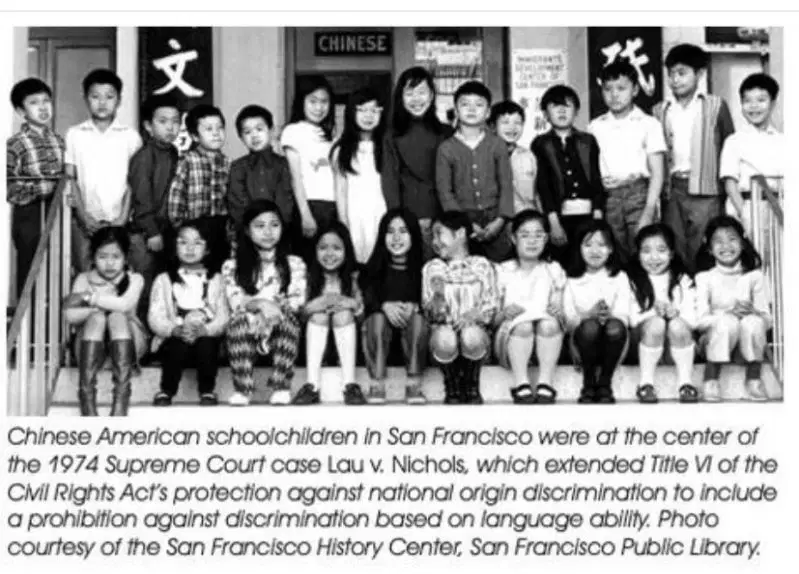
Here is a quote from the court decision in Lau v. Nichols (1974): “There is no equality of treatment merely by providing students with the same facilities, textbooks, teachers, and curriculum; for students who do not understand English are effectively foreclosed from any meaningful education.” In essence, the practice of “sink or swim,” or submersion, as a way of handling MLs in schools was deemed unconstitutional. Describe the differences between an immersion approach to language instruction and a submersion one. Give examples to show what instruction for an ML would look like in each.
Submit a short essay answer. Describe the differences between an immersion approach to language instruction and a submersion one.
Submit a short essay answer. Provide one or more examples of what instruction for multilingual learners (MLs) would look like in an immersion approach.

Submit a short essay answer. Provide one or more examples of what instruction for Multilingual Learners (MLs) would look like in a submersion approach.

