
 Worksheets
WG Unit 5 Economic Systems and Development Review AAC
Total questions: 68
Worksheet time: 1hrs 7mins
What are the characteristics of a traditional economic system?
Relies on government
Driven by consumers
built upon traditions, customs, and beliefs
An economic system in which individuals and businesses make decisions about what to produce.
Market economy
Mixed economy
Communism
Command economy
Competition and profit motive are important characteristics of a:
command economy
traditional economy
market economy
socialist economy

farming that provides the basic needs of a family with little surplus
subsistence agriculture
traditional economy
surplus
commercial agriculture

growing large quantities of crops or livestock in order to sell them for a profit
commercial agriculture
subsistence agriculture
profit
Globalization

a method of production in which tasks are done by individuals in their rural homes
free market
cottage industry
socialism
subsistence agriculture

a large-scale manufacturing operation that employs many people and produces large quantities of goods
socialism
surplus
outsourcing
commercial industry
DEVELOPED Countries practice which economic activities?
Primary & Secondary
Only Tertiary
Primary, Secondary, Tertiary, & Quaternary
Only Quinary

DEVELOPING countries practice which type of economic activities?
All of them
Mainly Primary & Secondary
Only Quaternary
Only Tertiary & Quinary
Which of the following are the names of the types of economic systems? (Check all that apply)
Traditional
Universal
Command
Market
Which economic system is both market and command combined and most democratic countries fall into this category?
Traditional
Command
Market
Mixed
Which type of economic systems does Cuba and North Korea have?
Traditional
Command
Market
Mixed
What type of economic system do some villages in Africa and South America have?
Traditional
Command
Market
Mixed
Which of the following is an economic system in which the government and people are used to decide how to use scarce resources?
Market economy
Command economy
Traditional economy
Mixed economy
The government has little to no role in the production of goods in this type of economy.
Traditional
Mixed
Command
Market
What type of economy do most countries in the world have?
Market economy
Command economy
Traditional economy
Mixed economy
______ is an economic system that is heavily influenced by the law of ______.
Capitalism; Sustainable Development
Communism; Class Warfare
Capitalism; Supply & Demand
Socialism; Safety-Net Programs
Capitalism; Distribution
In a ______ economy, the government will focus on equal wages in order to _________.
Communist; maximize profits
Communist; eliminate social classes
Socialist; provide health care
Socialist; allow some private ownership
Capitalist; provide a basic income
What level of development is the United States?
More Developed
Less Developed
Newly Industrialized
Economy can be defined as
A system for producing and distributing goods, and services to fulfill people's wants
The social science that studies how people interact with value
Economic system in which individuals and businesses are allowed to compete for profit with a minimum of government interference
What is Free Enterprise?
Economic system in which the government controls everything
Economic system that is passed down through the generations
Economic system in which individuals and businesses are allowed to compete for profit with a minimum of government interference
How would you describe a newly industrialized country?
A country characterized by large industrial and service sectors with high levels of gross national product
A country that has begun transitioning from primarily agricultural to primarily manufacturing and industrial activity
A country that is characterized by agriculture and they barter instead of use money
How would you describe a Less Developed Country?
A country that has begun transitioning from primarily agricultural to primarily manufacturing
Also known as a developing country, a country that is at a relatively early stage in the process of economic development.
A country characterized by high income per person
The measurement of a country's development using the dimensions a long healthy life, access to education, and a decent standard of living is called what?
Gender Wage Gap
Human Development Index
Gross Domestic Product
Development Model
Which dimension of the HDI includes measuring the access that one has to goods and services, average income, and opportunities available?
A long and healthy life
Access to education
A decent standard of living
Which of the following correctly explains life expectancy?
The highest age people can reach in a particular country
The quality of life one can expect being born into a certain group or country
The average age that people in a particular group will be when they die
The measure of overall development of a particular country
What is the overall goal of the United Nations Sustainable Development Goals?
Eliminate all forms of injustice in the United States
To achieve a better more sustainable future for all
Maintain the power and prestige of the United Nations
Ensure women have equal rights to men
True or false: Development within a country is equal - meaning that in highly developed countries every region is highly developed and less developed countries every region has low development
True
False
Which of the following is NOT used to calculate a country's Human Development Index (HDI)?
Standard of Living
Access to Education
Long and Healthy Life
Gender Equality
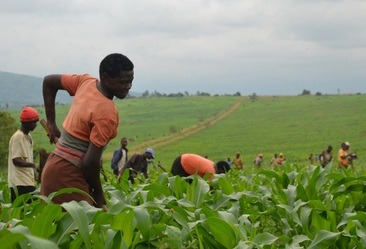
Which level of development is a country where most people work at the subsistence level?
More Developed
Newly Industrialized
Less Developed
the total dollar value of all goods and services produced by a country in 1 year; you can think of it as the size of the economy.
GDP (Gross Domestic Product)
Child Labor
Per capita GDP
Improving the economic situation → better lives for people
Urbanization
Industrialization
Modernization
Economic Development
Of the following regions, where is the Human Development Index (HDI) the lowest?
Eastern Europe
Middle East
South Asia
Sub-Saharan Africa
A farmer harvesting wheat from a field is part of which economic sector?
Secondary
Tertiary
Primary
Quaternary
A factory producing steel beams for construction falls under which sector?
Primary
Secondary
Tertiary
Quinary
A retail worker selling clothes at a department store belongs to which sector?
Primary
Secondary
Tertiary
Quaternary
A chef preparing meals in a restaurant operates in which sector?
Primary
Secondary
Tertiary
Quinary
A company building cars in an automobile factory belongs to which sector?
Primary
Secondary
Tertiary
Quinary
A nurse providing healthcare services to patients is part of which sector?
Primary
Secondary
Tertiary
Quaternary

A resource that can be replaced or replenished in less time than it takes to draw the supply down is called:
coal
renewable
nuclear
non-renewable

The Industrial Revolution lead to the rapid growth of which sector
Primary
Tertiary
Secondary
Quarternary
stockbroker (looks at data and compiles information on stock trends)
primary
secondary
tertiary
quaternary
quinary
CEO of Ford Motor Company deciding to start working on a new Electrical Ford Truck
primary
secondary
tertiary
quaternary
quinary
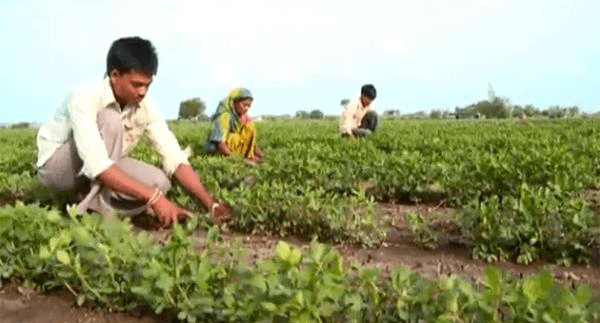
This is NOT part of the tertiary sector
Retail sales
Making cars
Doctors
Entertainment
What does "sustainable" mean in the context of the SDGs?
Making things last for a short time
Using resources in a way that does not harm the environment
Ignoring future consequences
Focusing only on economic growth
What is the main goal of the United Nations Sustainable Development Goals (SDGs)?
To increase the world's wealth
To promote peace and prosperity for all people
To focus only on environmental issues
To reduce the population of the world
What does "equitable" mean in the context of the SDGs?
Unfair
Biased
Fair and impartial
Focused on the wealthy
How can individuals contribute to achieving the SDGs?
By ignoring global issues
By volunteering and supporting sustainable practices
By using more plastic
By wasting food and water
What is the target year by which the United Nations aims to achieve the SDGs?
2020
2025
2030
2050
What does "inclusive" mean in the context of the SDGs?
Exclusive to certain groups
Open to people of all genders, ages, races, and economic statuses
Focused on a single issue
Limited to developed countries
Why were the Sustainable Development goals created?
Help extinct animals
End poverty, fight inequality and address the urgency of climate change
Create new communities with less diseases and higher pay
End poverty, save the turtles and locate the countries that have been lost
How many Sustainable Development Goals are there?
187
17
20
5

Who has the responsability to achieve the 17 Sustainable Development Goals?
Goverments.
Companies.
Families.
All people.
Which of the following is NOT true about the SDGs?
They encourage the promotion of health, wellbeing and education for all, at all ages
They explicitly promote innovation
They include the development of sustainable cities, infrastructure and industry
They are a legally binding international treaty that all nations are required to follow

