
 Worksheets
Exposure Review
Total questions: 18
Worksheet time: 9mins
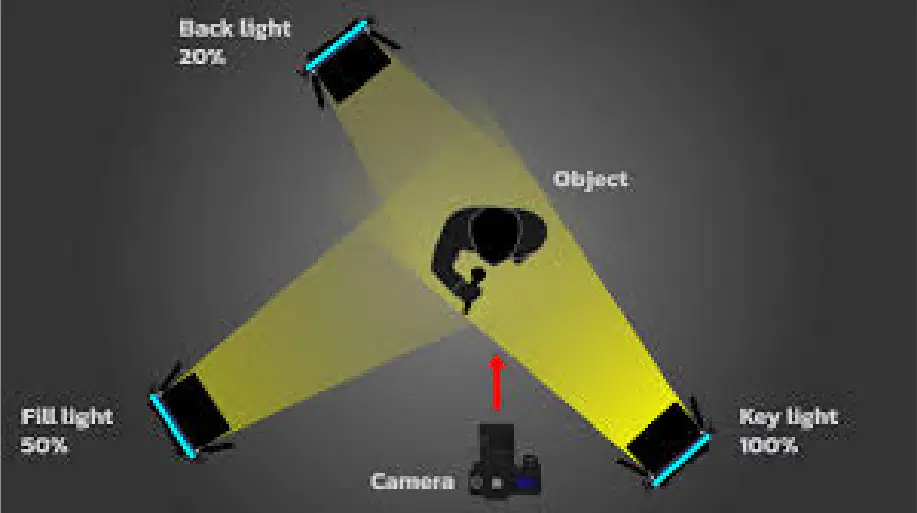
What are the names of the three lights used in a 3-point lighting technique? The diagram shows a subject with three lights labeled Key Light 100%, Fill Light 50%, and Back Light 20%.
Key light
Fill light
Back light
Spotlight
Ambient light
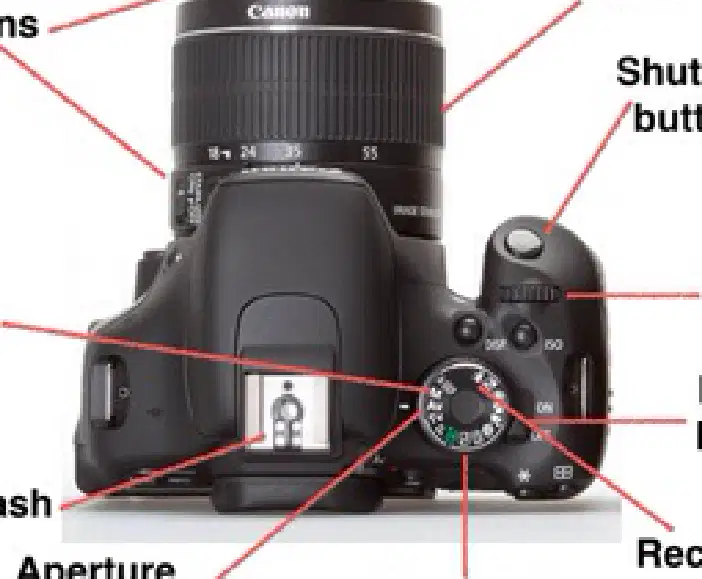
Name parts of the camera discussed last week. The diagram labels camera components including Camera lens, Mode dial, Shutter release button/focus, Power button, Zoom.
Camera lens
Mode dial
Shutter release button/focus
Power button
Tripod mount

Based on the slide text, exposure is the total amount of light that reaches the camera’s sensor to determine the image’s brightness or darkness. Which choice best describes exposure?
How long the lens stays attached to the camera
The overall light hitting the sensor that makes a photo bright or dark
Only the sensitivity of the sensor to light
A post‑processing adjustment after the photo is taken
ISO, shutter speed, and aperture as the three components that create exposure is referred to as?
The exposure love triangle
The color balance trio
The white balance system
The focus controls

Identify the three sides labeled in the "Exposure Love Triangle" diagram.
ISO
Sensor sensitivity to light
Shutter speed
Duration the shutter is open
Aperture
Size of the lens opening

ISO controls the camera’s sensitivity to light. Which statement aligns with the slide’s description of low ISO?
Low ISO means more sensitivity to light and less light can be used
Low ISO means less sensitivity to light and more light can be used
Low ISO is measured in seconds or fractions of a second
Low ISO changes aperture size to blur the background
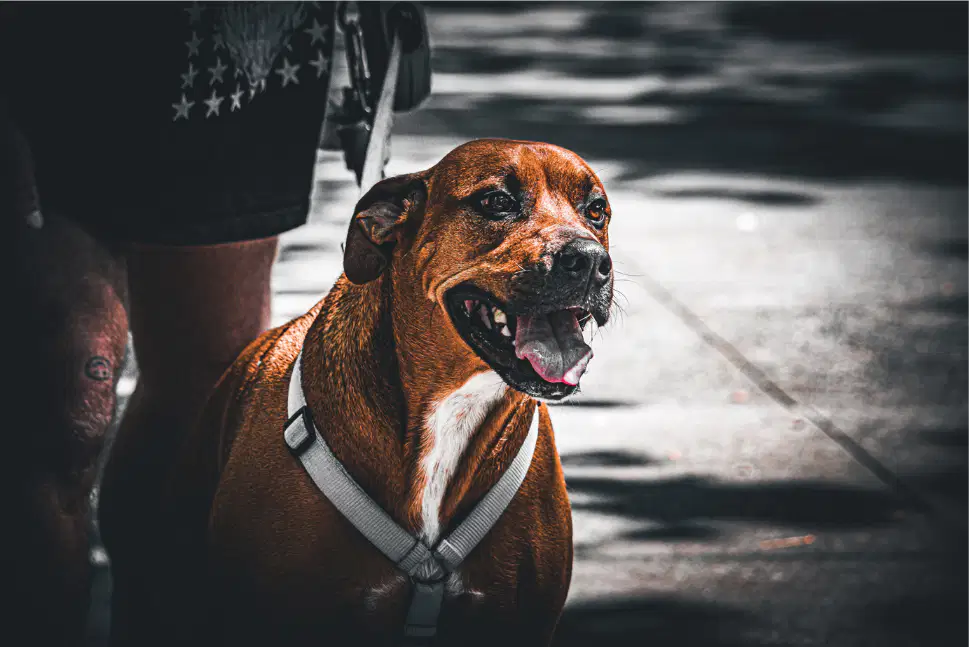
Why is a low ISO recommended in bright light according to the slide?
To reduce sensor sensitivity because plenty of light is available
To increase shutter speed because the sensor needs more light
To enlarge the aperture for shallow depth of field only
To add digital noise for a sharper image
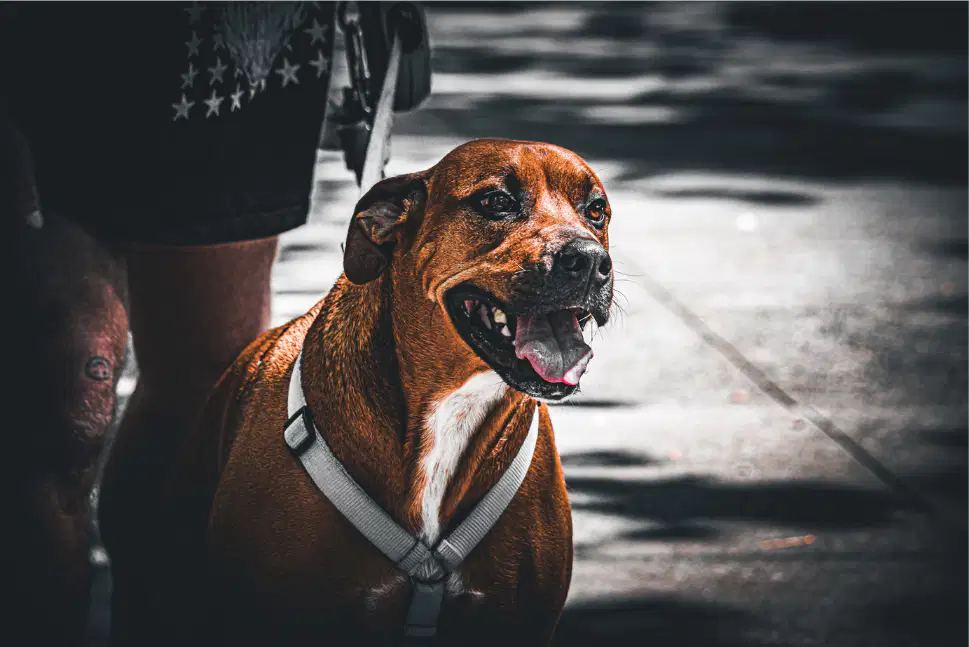
High ISO means more sensitivity to light, which means less light can be used. Which scenario on the slide may call for a higher ISO?
Bright midday sun
Low light setting
Using a tripod outdoors
Shooting at f/22 in daylight
Shutter speed is how long the camera’s shutter stays open, controlling how long light hits the sensor. Which outcome is associated with higher shutter speed according to the slide?
Blurry image
Crisp/sharper image
Overexposed image by default
Reduced sensor sensitivity
How is shutter speed measured?
In ISO numerals such as 100 or 200
In f‑numbers such as f/2 or f/22
In seconds or fractions of a second
In lumens per square meter
Aperture is essentially the camera’s pupil and affects depth of field (DOF). Which aspect of an image does DOF describe?
How much of the scene appears in sharp focus
The color temperature of the light
The camera’s file type
The speed of the memory card
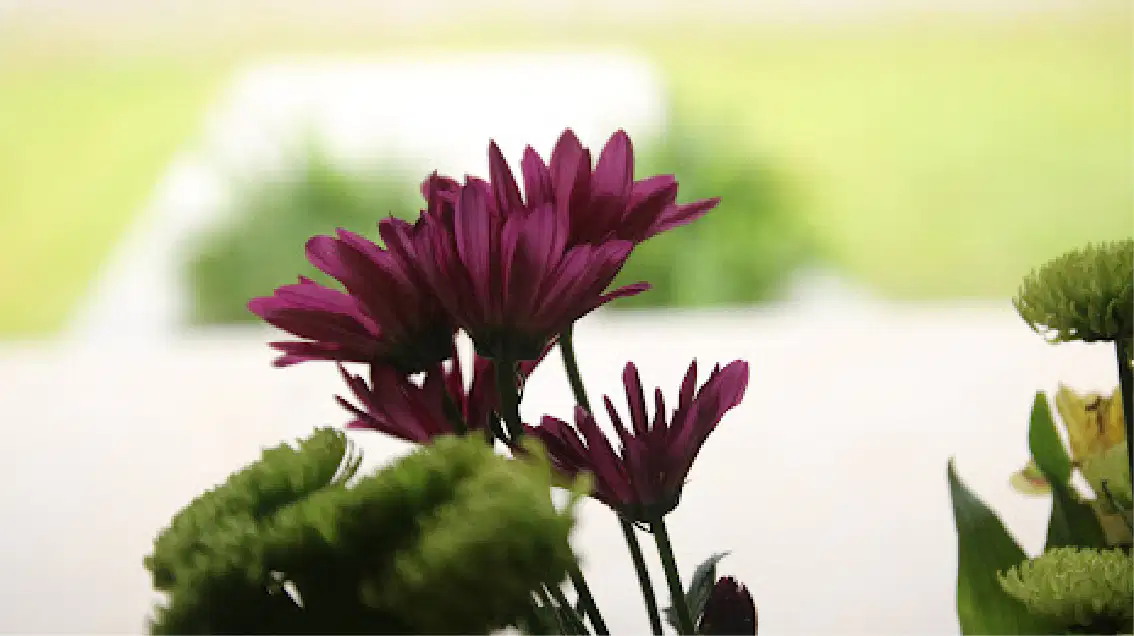
A wide aperture creates a shallow DOF with a blurry background and sharp focus on the subject. Which f-number setting corresponds to a wide aperture?
Smaller f-number
Medium f-number
Larger f-number
No f-number
A narrow aperture creates a bigger DOF, keeping more of the background in focus, like a landscape shot. Which f-number setting corresponds to a narrow aperture?
Smaller f-number
Medium f-number
Larger f-number
Variable f-number only
Aperture is measured in f/number, referred to as ______.
f/number (f-stop)
ISO rating
Shutter angle
White balance preset

When the f/number is higher (for example, f/16), what happens to the amount of light entering the camera and the lens opening?
More light enters and the lens opening is wider
Less light enters and the lens opening is narrower
Light stays the same and the lens opening does not change
More light enters and the lens opening is narrower

When the f/number is lower (for example, f/1.8), what happens to the amount of light entering the camera and the lens opening?
Less light enters and the lens opening is narrower
More light enters and the lens opening is wider
Light stays the same and the lens opening does not change
Less light enters and the lens opening is wider
According to the material, which set of terms are essentially the same thing?
Iris, Aperture, f/number (f-stop)
ISO, White balance, Shutter speed
Zoom, Focal length, Sensor size
Viewfinder, Flash, Tripod
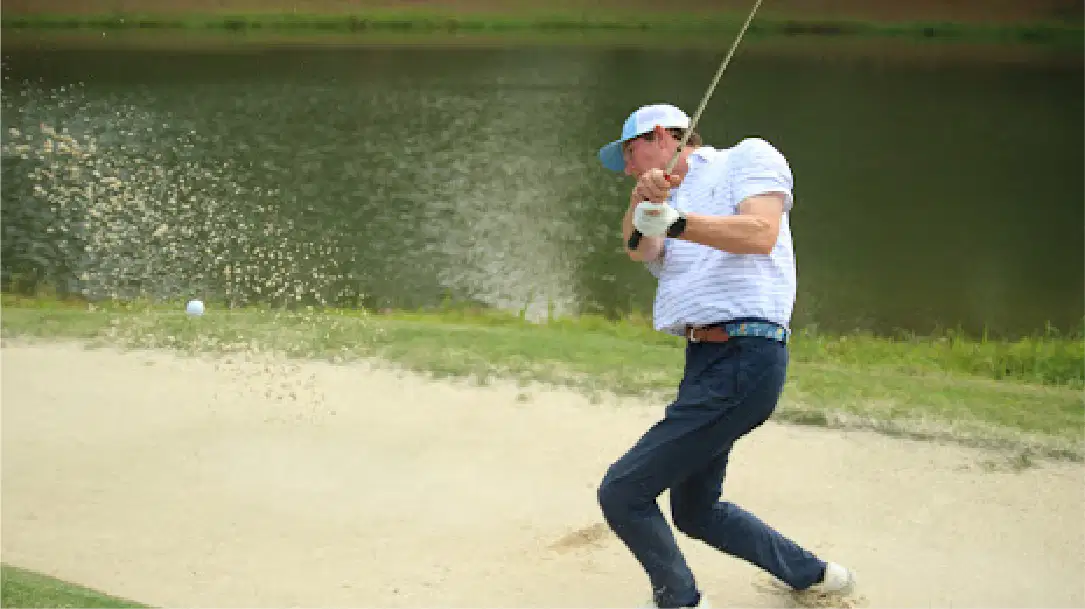
Besides exposure settings, what other elements do exposure settings contribute to?
Photo composition
Battery life
File compression
Lens stabilization

