
 Worksheets
NOSQL
Total questions: 18
Worksheet time: 9mins
What solution is proposed to overcome the performance wall encountered by traditional SQL databases?
Switching to batch processing for all user writes
Adding more indexes to relational tables and views
Increasing vertical memory in a single SQL server
Adopting NoSQL with flexible schemas and horizontal scaling
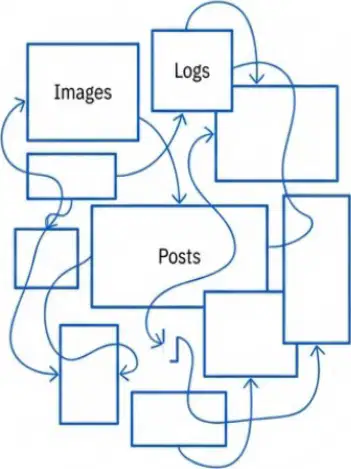
For a social application storing images, posts, and logs, which database trait is most critical?
Flexible schemas for varied content
Single-node synchronous writes
Fixed column counts per table
Only normalized third normal form
Partition tolerance in distributed systems primarily refers to the ability to:
Operate despite dropped or delayed messages
Guarantee linearizable reads under any failure
Pause service until full connectivity returns
Rollback all writes during network splits
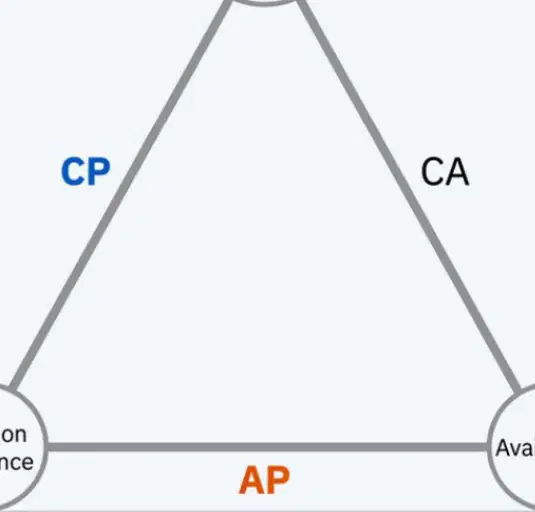
According to the CAP theorem, a distributed system can simultaneously guarantee:
Only two of Consistency, Availability, Partition tolerance
None of Consistency, Availability, Partition tolerance
Only one of Consistency, Availability, Partition tolerance
All three of Consistency, Availability, Partition tolerance
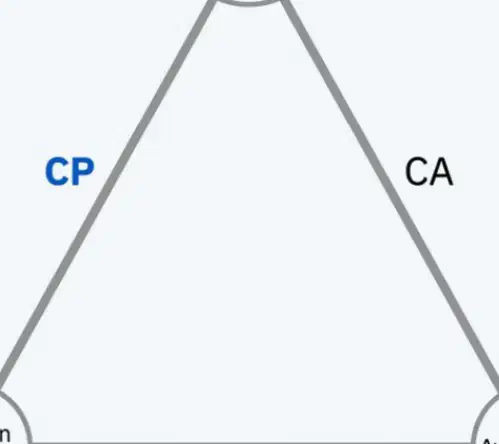
Which choice correctly matches CA in the CAP context?
Consistency and Availability with strong partition tolerance
Consistency and Availability in absence of partitions
Consistency and Availability with eventual consistency
Consistency and Availability guaranteed under partitions
A social media feed loads instantly, but the like count is briefly inconsistent. Which CAP choice is demonstrated?
PA prioritizing partitions
CA prioritizing latency
AP prioritizing availability
CP prioritizing consistency
When designing a social platform, which metric is least critical for AP-first features?
Exact global like count
Partition recovery speed
Feed load time latency
Service uptime percentage
A system needs to query millions of sensor readings by time windows with fast writes. Which model is the most suitable?
Graph model with relationship traversals
Document model favoring flexible fields
Column-family model optimized for wide writes
Relational model enforcing normalization
Which operation is most efficient on column-family stores compared to graph databases?
Parsing nested JSON within documents
Joining tables via foreign keys and constraints
Range scans across time-series column slices
Depth-first traversal through friend networks
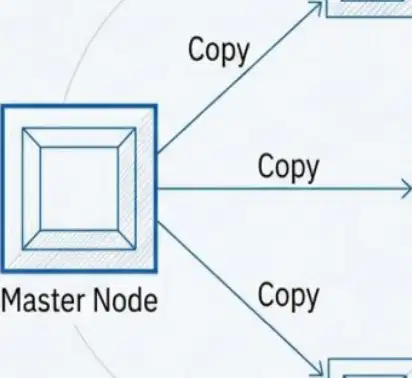
When a replica node fails, what is the expected system behavior in a well-replicated setup?
Other nodes continue serving data
All nodes stop serving immediately
Clients lose access until manual reset
Data becomes permanently unrecoverable
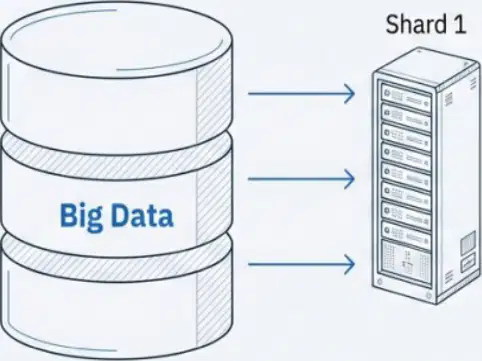
What is the primary benefit of implementing data sharding?
Horizontal scalability for larger workloads
Enhanced vertical CPU performance
Guaranteed zero latency for queries
Perfect data consistency across shards
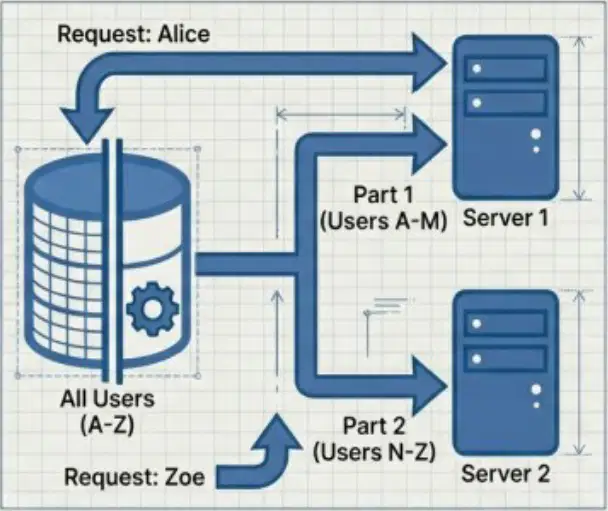
What is the primary purpose of sharding as illustrated?
Ensuring zero-latency reads for all queries
Providing strong consistency with single-writes
Handling massive traffic one server cannot handle
Reducing storage usage through data compression
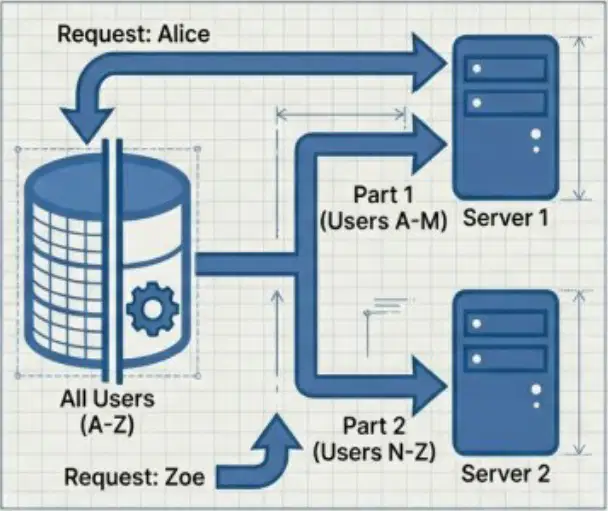
In the diagram, how are users divided between servers?
Time-based buckets of login events
Alphabetical ranges A–M and N–Z
Random hashing of user session IDs
Geographic regions of user locations
A web application scales horizontally. What does this typically involve?
Upgrading CPU and memory of one server
Reducing network bandwidth allocation
Adding more servers with load distribution
Migrating to a monolithic codebase
In the context of distributed systems, what does the term 'eventual consistency' imply?
All nodes will eventually converge to the same state
Data can be inconsistent indefinitely
Data is always consistent across all nodes
Immediate consistency is guaranteed after every write
Which database model is best suited for handling complex relationships between entities?
Graph model with nodes and edges
Column-family model with wide rows
Document model with embedded documents
Relational model with foreign keys
What is a common challenge when implementing sharding in a distributed database?
Reducing the number of servers required
Ensuring data consistency across shards
Improving single-node performance
Eliminating the need for backups
In a distributed system, what does the term 'strong consistency' imply?
Data is consistent only after a write operation
Data may be temporarily inconsistent
All nodes reflect the same data at all times
Nodes can operate independently without synchronization

