wayground logo

Free Printable Worksheets

NEW

Font size

S
M
L
XL
Worksheets

SpaceZ-Round 3

Total questions: 30

Worksheet time: 15mins
Name
Class
Date
1.

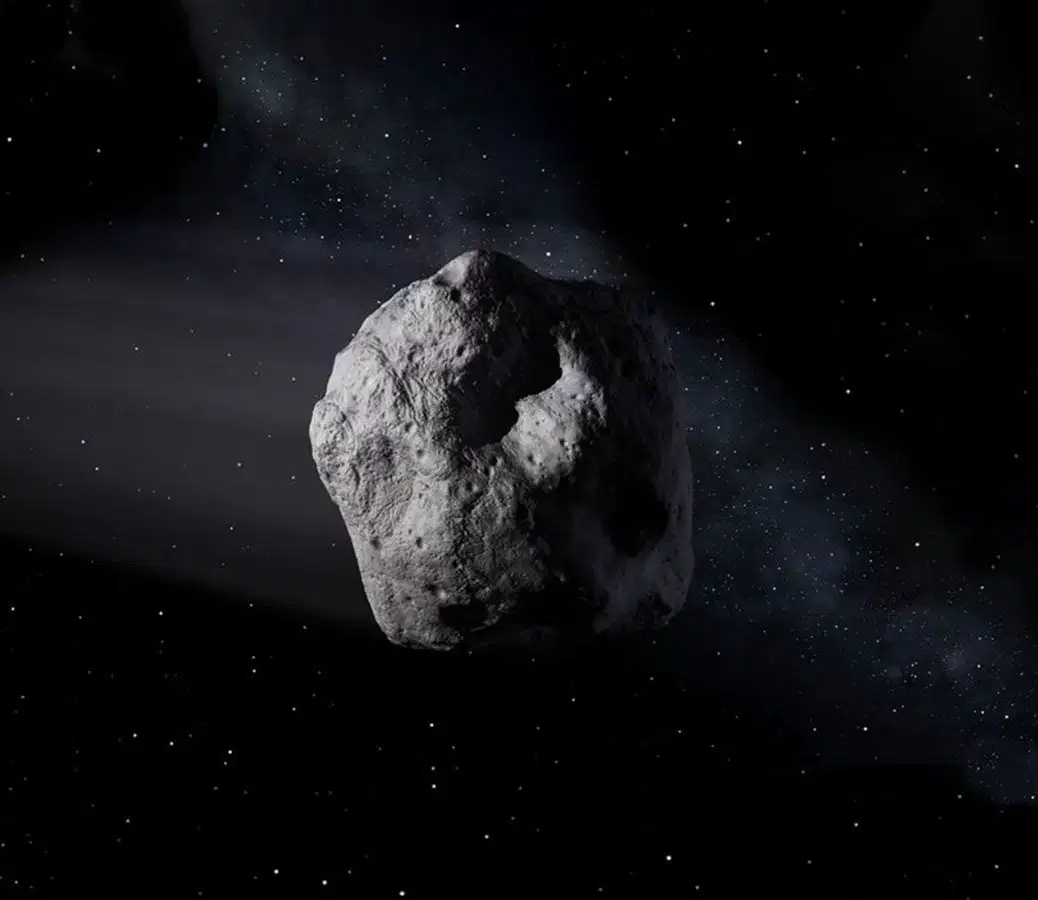
A rocky object that orbits the Sun

a)
Comet
b)
Planet
c)
Asteroid
d)
Meteorite
2.

Used to send spacecraft into space.

a)
Launch Pad
b)
Satellite
c)
Space Shuttle
d)
Rocket
3.

A cloud of gas and dust in space.

a)
Comet
b)
Nebula
c)
Star Cluster
d)
Galaxy
4.

A person trained to travel and work in space

a)

Astronaut

b)

Pilot

c)

Engineer

d)

Scientist

5.

Astronauts live and work here while orbiting Earth every 90 minutes.

a)
Hubble Space Telescope
b)
Mars Base Alpha
c)
Lunar Gateway
d)
International Space Station (ISS)
6.

The first direct image of a cosmic object that swallows light.

a)

galaxy.

b)

neutron star.

c)

supernova.

d)

black hole.

7.

The nearest major galaxy to our own.

a)
Triangulum Galaxy
b)
Whirlpool Galaxy
c)

Andromeda Galaxy

d)

Milky way galaxy

8.

I have no atmosphere and my surface is covered with craters.
a)
Venus
b)
Europa
c)
The Moon
d)
Mars
9.

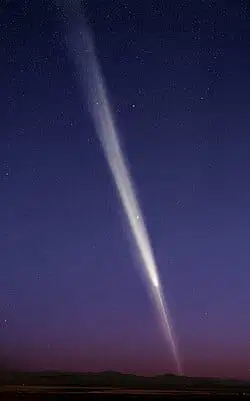
I glow and form a tail when I approach the Sun.
a)
Asteroid
b)
Meteor
c)
Planet
d)
Comet
10.

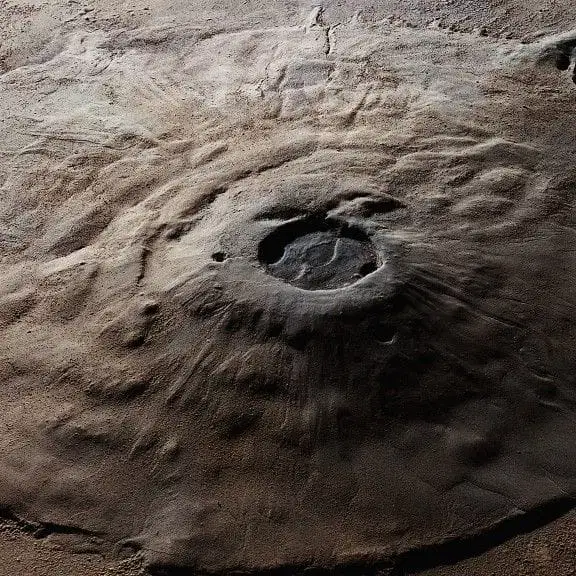
I am the largest volcano in the solar system.

a)
Kilimanjaro
b)
Mount Everest
c)
Mauna Loa
d)
Olympus Mons
11.

I am what remains after a massive star ends its life in a violent explosion.

a)
white dwarf
b)
red giant
c)
supernova remnant
d)
neutron star or black hole
12.

Moon appears red.

a)
The moon appears red during a solar eclipse.
b)
The moon appears red at sunset.
c)
The moon appears red during a lunar eclipse.
d)
The moon appears red on clear nights.
13.

The family of sun

a)
Solar System
b)
Planetary Orbit
c)
Star System
d)
Galactic Cluster
14.

Oldest light in the universe.

a)
Cosmic Microwave Background (CMB) radiation
b)
Solar Radiation Background
c)
Galactic Cosmic Rays
d)
Stellar Nuclear Fusion
15.

Also called the seven sisters.

a)
Andromeda Galaxy
b)
Big Dipper
c)
Orion Nebula
d)
Pleiades
16.

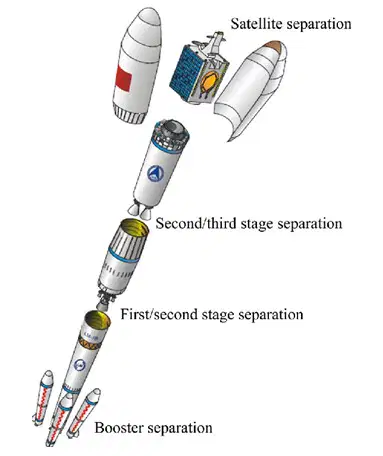
Parts detach during launch.

a)

Parts detach only after reaching orbit.

b)

the launch sequence.

c)

Stage seperation

d)
Parts remain intact throughout the launch process.
17.

A dying swollen star.

a)
Red giant
b)
White dwarf
c)
Neutron star
d)
Main sequence star
18.

Dense stellar core left behind.

a)

pulsar

b)
Gas giant or comet
c)

white dwarf

d)
Neutron star or black hole
19.

Beginning of the universe.

a)
Cosmic Expansion
b)
Galactic Formation
c)
Big Bang
d)
Stellar Birth
20.

The largest canyon in the solar system.
a)
Antelope Canyon
b)
Valles Marineris
c)
Grand Canyon
d)
Fish River Canyon
21.

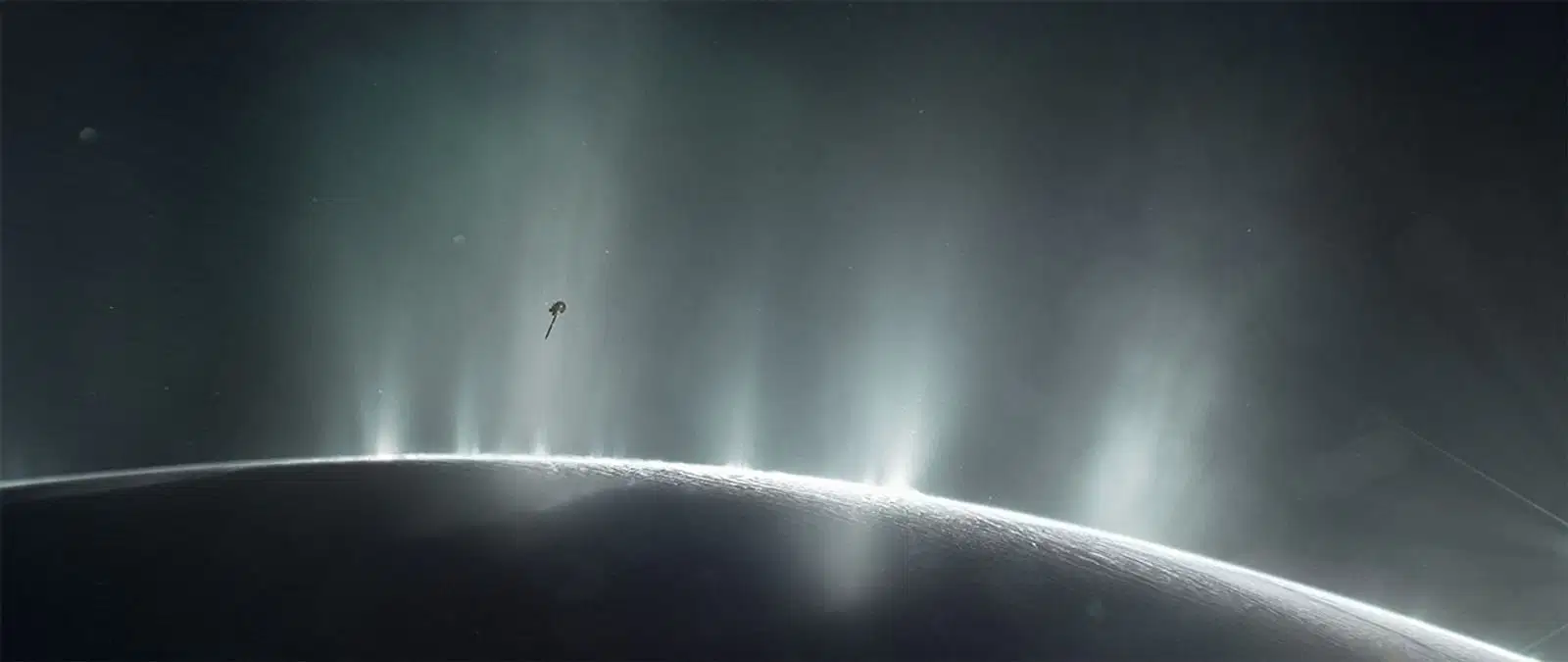
An icy moon shooting water into the space.

a)
Titan
b)
Europa
c)
Ganymede
d)
Enceladus
22.

First spacecraft to visit pluto.

a)
New Horizons
b)
Voyager 1
c)
Pioneer 10
d)
Cassini-Huygens
23.

Galaxy with swirling arms.

a)
Spiral galaxy
b)
Lenticular galaxy
c)
Irregular galaxy
d)
Elliptical galaxy
24.

Colourful lights near Earth's poles.

a)
Rainbows
b)
Starlight
c)

Aurora

d)

sunlight

25.

India's successful Moon landing mission.

a)
Chandrayaan-2
b)
Mangalyaan-1
c)
Chandrayaan-3
d)
Apollo 11
26.

Golden mirror used to see early galaxies.

a)
Golden lens used in microscopes to study bacteria.
b)

James Webb space Telescope mirror.

c)
Golden mirror used in telescopes to observe early galaxies.
d)
Bronze mirror used for reflecting sunlight in gardens.
27.

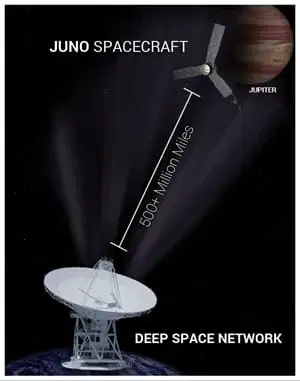
Sends signals back to Earth.

a)

Space probe

b)
Hubble Telescope
c)
Mars Rover
d)
Voyager 1
28.

Ground-based tool for observing space.

a)
Camera
b)

Observatory Telescope

c)
Satellite
d)
Microscope
29.

spacecraft returning through atmosphere.

a)

Atmospheric Re-entry

b)

Atmospheric Launch

c)

Atmospheric Docking

d)

Atmospheric Orbit

30.

Stable points used for space telescopes.

a)
Geostationary orbits
b)
Elliptical orbits
c)
Polar orbits
d)

Lagrange points