
 Worksheets
Introduction to Digital Society and Media Evolution
Total questions: 10
Worksheet time: 5mins
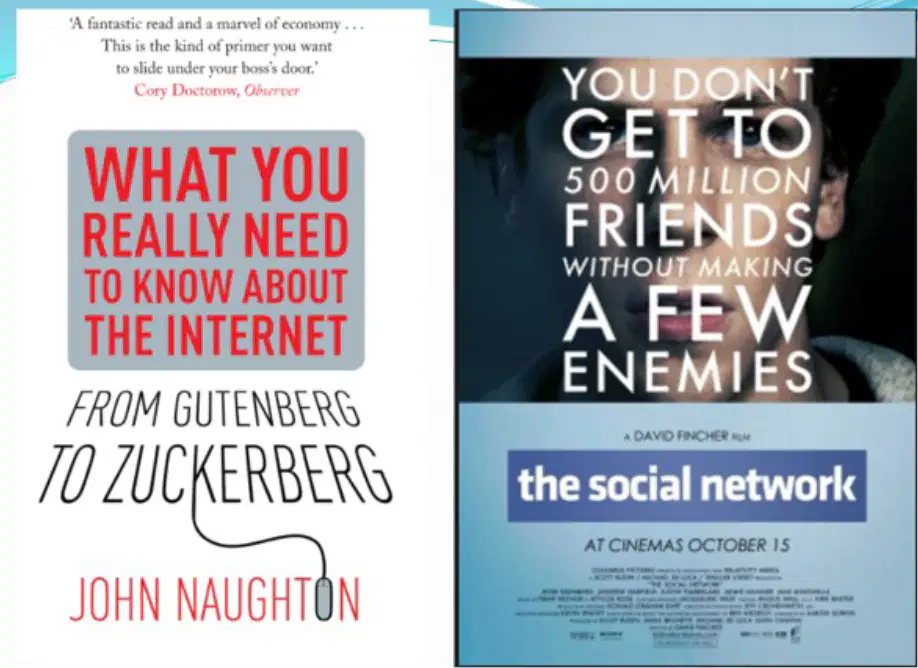
Which development best captures the shift from conventional mass media to internet-based new media in everyday communication practices?
From printed newspapers to algorithmic news feeds
From live radio dramas to vinyl record collections
From cinema newsreels to analog television broadcasts
From pamphlet debates to town-hall oral announcements
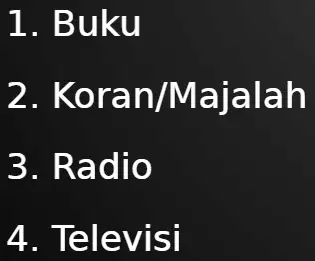
Which items are commonly categorized as conventional mass media in the twentieth century?
Radio and television
Film and recorded music
Mobile apps and social networks
Books and magazines
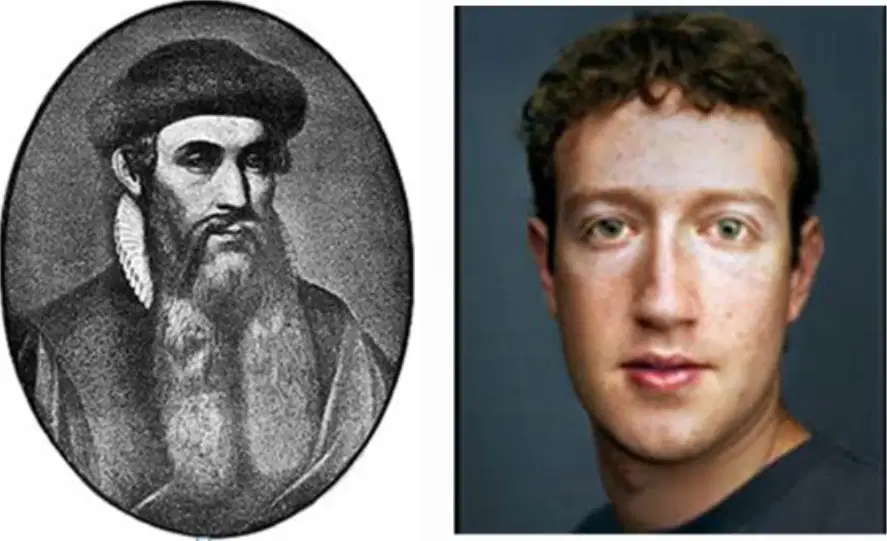
Which comparison best explains a continuity across media evolution from print to platforms?
Both depend on identical revenue models
Both eliminate gatekeeping from content circulation
Both require centralized state ownership of outlets
Both organize information distribution at population scale
Which statement best describes media power after the digital turn discussed?
Control consolidated in legacy broadcasters
Influence dispersed toward audiences and publics
Gatekeeping strengthened among print editors
Authority shifted entirely to government regulators
In the context of social media as defined, which characteristic is essential?
Content created and distributed through social interaction
Content consumed privately without interaction
Content limited to broadcast television schedules
Content produced only by professional journalists
Which statement best captures a human-centric view of a digital society?
Technology autonomously organizes social life entirely
Algorithms alone determine culture without human input
Human choices and practices give technologies social meaning
Media systems replace communities in everyday interactions
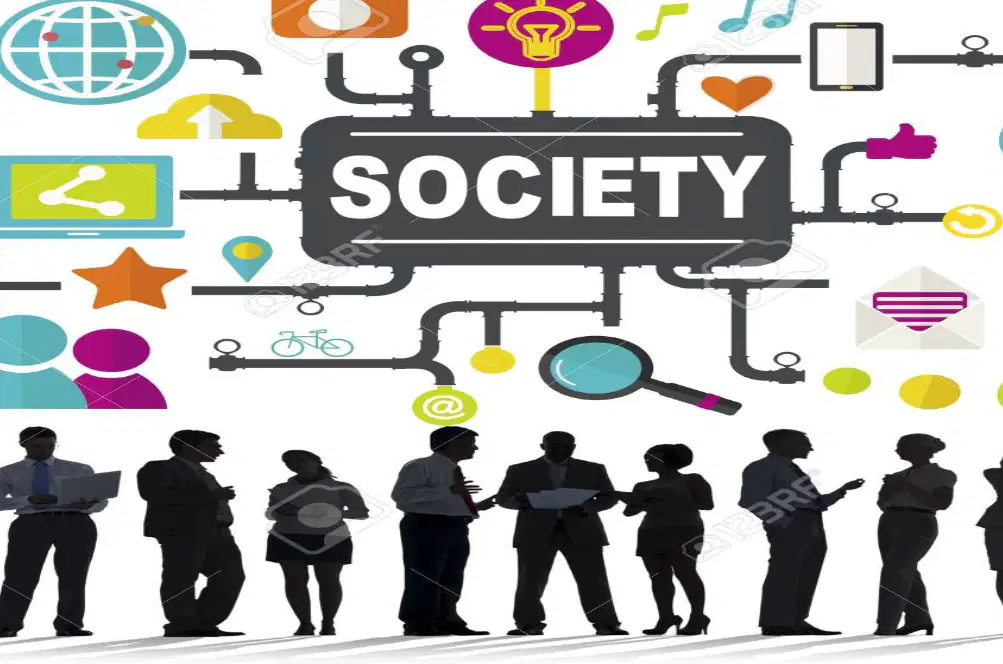
The graphic showing people connected to icons (globe, chat, share) supports which idea most strongly?
Only institutions control all media technologies
Connections represent purely technical infrastructures
Technology and society are visualized as interconnected
Media networks isolate individuals from society

In evaluating claims about media influence, which nuanced conclusion fits a social studies analysis?
Media unilaterally control public behavior always
Technological change eliminates human agency entirely
Public preferences reshape media content and norms
Media and audiences never affect each other
Which scenario best illustrates societal influence making a digital tool social?
An algorithm sets rules without community feedback
A platform gains meaning through users’ shared norms
A device operates without any human interaction
Software value derives solely from processing speed
Which pair best highlights power dynamics in digital contexts?
Software and Devices
Visuality and Visibility
Emotion and Affect
Power and Exploitation

