
Wayground
A&P 1 - Day 5  - Printable ศาสตร์ Worksheets ระดับ 12 - Wayground

A&P 1 - Day 5

Kathy Mead

สร้างโดย Kathy Mead

25 คำถาม

12th ระดับชั้น

ศาสตร์

อัปเดตแล้ว ส.ค. 2568

แบบฝึกหัด A&P 1 - วันที่ 5 เป็นแบบฝึกหัดวิทยาศาสตร์ระดับชั้นมัธยมศึกษาปีที่ 6 ที่ทบทวนแนวคิดพื้นฐานทางกายวิภาคศาสตร์และสรีรวิทยาผ่านคำถาม 25 ข้อ ประกอบด้วยคำถามแบบเลือกตอบ 22 ข้อ คำถามจับคู่ 1 ข้อ คำถามเรียงลำดับ 1 ข้อ และคำถามเลือกคำตอบหลายข้อ 1 ข้อ นักเรียนจะได้ระบุระบบป้อนกลับเชิงบวกและเชิงลบ ประยุกต์ใช้แนวคิดภาวะสมดุล รู้จักส่วนต่างๆ ของกายวิภาคและรอยตัด ใช้คำศัพท์บอกทิศทาง ระบุตำแหน่งทางกายวิภาค ระบุตำแหน่งโพรงในร่างกาย และตั้งชื่อบริเวณและส่วนต่างๆ ของช่องท้อง แบบฝึกหัดนี้ผสมผสานการระบุภาพเข้ากับคำศัพท์และคำถามประยุกต์ ช่วยให้นักเรียนเชื่อมโยงภาษาทางกายวิภาคเข้ากับโครงสร้างของร่างกาย เหมาะสำหรับการทบทวนกายวิภาคศาสตร์และสรีรวิทยา การฝึกฝนด้วยตนเอง หรือการตรวจสอบความเข้าใจหลังการเรียนการสอน แบบฝึกหัดที่พิมพ์ได้ฟรีนี้มีเฉลยคำตอบครบถ้วน ทำให้ง่ายต่อการตรวจสอบความเข้าใจของนักเรียนเกี่ยวกับภาวะสมดุล ระนาบทางกายวิภาค ความสัมพันธ์เชิงทิศทาง โพรง และกายวิภาคของแต่ละบริเวณ

การตั้งค่าแผ่นงาน

ขนาดตัวอักษร

S
M
L
XL
Waygroundแผ่นงาน

A&P 1 - Day 5

คำถามทั้งหมด: 25

ชื่อ
ระดับ
วันที่
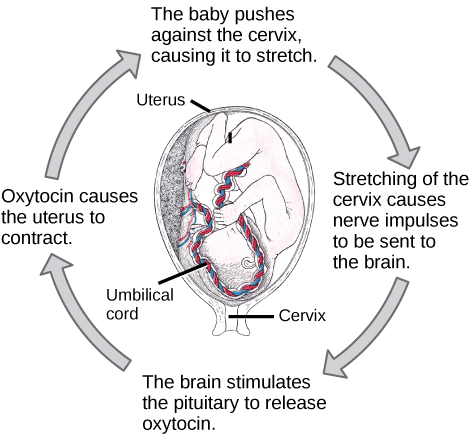
1.
What type of feedback loop is shown?

What type of feedback loop is shown?

a)

Negative

b)

Neutral

c)

Positive

2.

In order to react to a cold environment, we often shiver. This is done to:

a)

Match the body temperature with the external temperature

b)

Decrease body temperature

c)

Increase body temperature

d)

Regulate blood pressure

3.

The two types of feedback systems that help organisms maintain homeostasis are:

a)

positive and negative

b)

receptor and effector

c)

static and dynamic

d)

minor and major

4.
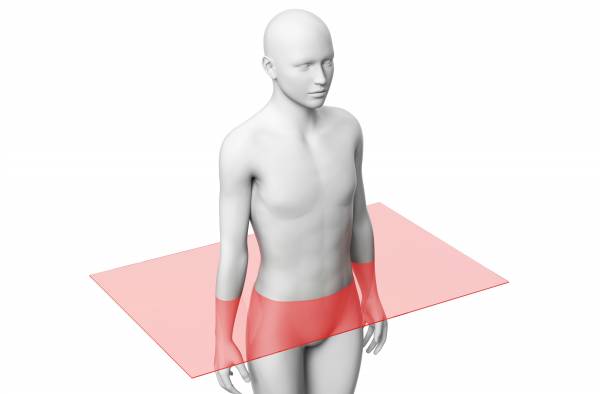
Identify the section or cut.

Identify the section or cut.

a)

Frontal section

b)

Lateral section

c)

Transverse section

d)

Sagittal section

5.

Failure to maintain homeostasis could result in:

a)

Lack of internal balance

b)

Eventual death

c)

Difficulty in carrying on metabolism

d)

All of the above

6.
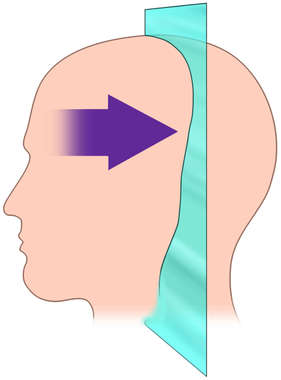
Identify the section or cut.

Identify the section or cut.

a)

Cross section

b)

Plane

c)

Midsagittal section

d)

Coronal section

7.
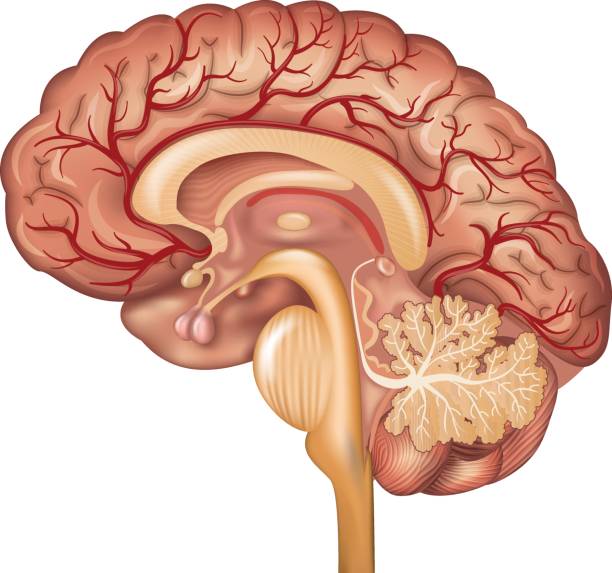
Identify the section or cut.

Identify the section or cut.

a)

Frontal section

b)

Cross section

c)

Transverse section

d)

Sagittal section

8.

The shoulder is _____ to the elbow.

a)

proximal

b)

dorsal

c)

distal

d)

ventral

9.

The cranial cavity is _____ to the thoracic cavity.

a)

Inferior

b)

Anterior

c)

Peripheral

d)

Superior

10.

What is the anatomical position?

a)

Option 1

b)

Option 2

c)

Option 3

d)

Option 4

11.

Which cavity includes the heart and lungs?

a)

Thoracic cavity

b)

Cranial cavity

c)

Abdominal cavity

d)

Retroperitoneal cavity

12.

The pinky finger is ______ to the thumb in the anatomical position.

a)

posterior

b)

superior

c)

lateral

d)

medial

13.
What is the abdominal region #1?

What is the abdominal region #1?

a)

Right Hypochondriac Region

b)

Left Hypochondriac Region

c)

Right Lumbar Region

d)

Left Lumbar Region

14.
What abdominal region is number 6?

What abdominal region is number 6?

a)

Hypogastric

b)

Right Inguinal

c)

Left Lumbar

d)

Umbilical

15.
What is b?

What is b?

a)

Right Upper Quadrant

b)

Left Upper Quadrant

c)

Right Lower Quadrant

d)

Left Lower Quadrant

16.
What abdominal region is number 5?

What abdominal region is number 5?

a)

Right Lumbar

b)

Left Hypochondriac Region

c)

Epigastric

d)

Umbilical

17.
Towards the Front. [The eyes are _______ to the brain].

Towards the Front. [The eyes are _______ to the brain].

a)

Inferior

b)

Deep

c)

Lateral

d)

Anterior

18.
What abdominal region is number 2?

What abdominal region is number 2?

a)

Hypogastric

b)

Right Inguinal

c)

Epigastric

d)

Umbilical

19.
Match the following planes

Match the following planes

Traverse

Separates top & bottom

Sagittal

Separates left & right

Coronal

Seperates front & back

Median

Even separation of left & right

Distal

Away from

20.

Which of the following cavities contains both the heart and lungs?

a)

Pleural

b)

Pericardial

c)

Thoracic

d)

Abdominal

21.

Correctly list the levels of organization (1 is the smallest, 5 is the largest)

a)

chemical/cellular

b)

tissues

c)

organ

d)

organ system

e)

organism

1)
2)
3)
4)
5)
22.

We breathe in _____ and breathe out ______.

a)

oxygen, carbon dioxide

b)

carbon dioxide, oxygen

23.

The Central Nervous System is composed of which two parts?

a)

Brain

b)

Arms

c)

Legs

d)

Spine

24.
Which helps to cool down your body?

Which helps to cool down your body?

a)

Sweat glands

b)

Hair

c)

Nails

d)

Skin

25.

Which part of the skeletal system protects the spinal cord?

a)

Pelvis

b)

Cranium/Skull

c)

Vertebra

d)

Scapula

Waygroundแป้นคำตอบ

A&P 1 - Day 5

คำถามทั้งหมด: 25

1.
c)

Positive

2.
c)

Increase body temperature

3.
a)

positive and negative

4.
c)

Transverse section

5.
d)

All of the above

6.
d)

Coronal section

7.
d)

Sagittal section

8.
a)

proximal

9.
d)

Superior

10.
a)

Option 1

11.
a)

Thoracic cavity

12.
d)

medial

13.
a)

Right Hypochondriac Region

14.
c)

Left Lumbar

15.
b)

Left Upper Quadrant

16.
d)

Umbilical

17.
d)

Anterior

18.
c)

Epigastric

19.

Traverse

 - 

Separates top & bottom

, 

Sagittal

 - 

Separates left & right

, 

Coronal

 - 

Seperates front & back

, 

Median

 - 

Even separation of left & right

, 

Distal

 - 

Away from

20.
c)

Thoracic

21.
a, b, c, d, e
22.
a)

oxygen, carbon dioxide

23.
a)

Brain

, d)

Spine

24.
a)

Sweat glands

25.
c)

Vertebra

คำถามที่พบบ่อย

แบบฝึกหัด A&P 1 - วันที่ 5 ครอบคลุมเนื้อหาอะไรบ้าง?

แบบฝึกหัดสำหรับนักเรียนชั้นมัธยมศึกษาปีที่ 6 นี้ ใช้คำถามแบบเลือกตอบ จับคู่ เรียงลำดับ และเลือกคำตอบที่ถูกต้อง เพื่อประเมินความเข้าใจเกี่ยวกับภาวะสมดุลและระบบป้อนกลับควบคู่ไปกับคำศัพท์ทางกายวิภาคศาสตร์พื้นฐาน นักเรียนจะได้ระบุส่วนต่างๆ ของร่างกายและรอยตัด ใช้คำศัพท์บอกทิศทาง เช่น ส่วนต้น ส่วนบน และส่วนกลาง รู้จักโพรงในร่างกาย และระบุบริเวณและส่วนต่างๆ ของช่องท้อง การทำแบบฝึกหัดที่หลากหลายเหล่านี้จะช่วยให้นักเรียนเชื่อมโยงคำศัพท์ทางกายวิภาคศาสตร์กับความสัมพันธ์เชิงพื้นที่และการควบคุมทางสรีรวิทยาขั้นพื้นฐาน

ฉันจะใช้แบบฝึกหัดนี้ในการสอนกายวิภาคศาสตร์และสรีรวิทยาขั้นพื้นฐานได้อย่างไร?

ใช้แบบฝึกหัดหลังจากแนะนำตำแหน่งทางกายวิภาค คำศัพท์บอกทิศทาง ระนาบ โพรง และกายวิภาคเฉพาะส่วน เพื่อให้นักเรียนสามารถนำแต่ละคำศัพท์ไปใช้ในบริบทได้ ทบทวนหัวข้อเกี่ยวกับการตัดและแสดงภาพ จากนั้นให้นักเรียนอธิบายความสัมพันธ์ เช่น ทำไมไหล่จึงอยู่ใกล้กับข้อศอก หรือทำไมโพรงกะโหลกจึงอยู่เหนือโพรงทรวงอก ปิดท้ายด้วยการอภิปรายเกี่ยวกับภาวะสมดุล และขอให้นักเรียนแยกแยะความแตกต่างระหว่างปฏิกิริยาตอบสนองเชิงบวกกับการตอบสนองต่อการควบคุมอุณหภูมิของร่างกาย

ฉันควรระวังข้อผิดพลาดอะไรบ้างเมื่อนักเรียนทำแบบฝึกหัดกายวิภาคศาสตร์นี้?

นักเรียนอาจสับสนระหว่างภาพตัดขวางแนวตั้ง (sagittal), ภาพตัดขวางแนวนอน (coronal) และภาพตัดขวางแนวนอน (transverse) หรือความสัมพันธ์ในทิศทางตรงกันข้ามเมื่อระบุโครงสร้างต่างๆ เช่น ไหล่และข้อศอก หรือนิ้วก้อยและนิ้วโป้ง นอกจากนี้ พวกเขาอาจสับสนระหว่างโพรงในร่างกายกับบริเวณช่องท้องและส่วนต่างๆ ของร่างกาย โดยเฉพาะอย่างยิ่งเมื่อตีความแผนภาพที่มีหมายเลขกำกับ ในส่วนของสรีรวิทยา ให้ระวังความสับสนระหว่างการตอบสนองเชิงบวกและเชิงลบ และจุดประสงค์ของการสั่นตัวในสภาพแวดล้อมที่หนาวเย็น

ฉันจะมอบหมายและให้คะแนนแบบฝึกหัด A&P 1 - วันที่ 5 ได้อย่างไร?

คุณสามารถมอบหมายแบบฝึกหัดนี้เป็นไฟล์ PDF ที่พิมพ์ได้ หรือเป็นแบบทดสอบดิจิทัลบน Wayground ก็ได้ โดยมีเฉลยคำตอบครบถ้วนสำหรับทั้ง 25 ข้อ การส่งงานแบบพิมพ์สามารถตรวจได้โดยการสแกนงานของนักเรียนด้วยแอป Wayground for Teachers ตัวเลือก PDF ยังช่วยสนับสนุนห้องเรียนที่ต้องการลดเวลาการใช้หน้าจอในขณะที่ยังคงฝึกฝนเรื่องกายวิภาคศาสตร์และสรีรวิทยาเช่นเดิม

ฉันจะปรับแบบฝึกหัดกายวิภาคศาสตร์นี้ให้เหมาะสมกับนักเรียนของฉันได้อย่างไร?

ในการตั้งค่าขั้นสูงของแบบฝึกหัด ให้ปรับระยะห่างระหว่างตัวอักษรและขนาดตัวอักษรเพื่อให้คำศัพท์ทางกายวิภาค ป้ายกำกับแผนภาพ และตัวเลือกคำตอบอ่านง่ายขึ้น นอกจากนี้ คุณยังสามารถเปิดใช้งานแบบอักษรที่เหมาะสำหรับผู้ที่มีภาวะดิสเล็กเซีย หรือแปลแบบฝึกหัดเป็นภาษาอื่น รวมถึงคำถามแบบเลือกตอบ จับคู่ เรียงลำดับ และเลือกหลายรายการได้ด้วย

ฉันจะหาแบบฝึกหัดแบบนี้เพิ่มเติมได้ที่ไหนบน Wayground?

Wayground มีแบบฝึกหัดและโจทย์ฝึกหัดมากมายให้ดาวน์โหลดฟรีในหลากหลายวิชา พร้อมไฟล์ PDF และเฉลยคำตอบ เพื่อช่วยเสริมสร้างทักษะและความเข้าใจในเนื้อหาสำคัญ ดูแหล่งข้อมูลเพิ่มเติมได้ที่ https://wayground.com/en-us/worksheets