

Wayground
Biotic and Abiotic Factors in an Ecosystem - Printable ศาสตร์ Worksheets 7th ระดับชั้น - Wayground

Biotic and Abiotic Factors in an Ecosystem

15 คำถาม

7th ระดับชั้น

ศาสตร์

อัปเดตแล้ว ก.ย. 2569

แบบฝึกหัดวิทยาศาสตร์ชั้น ม.1 นี้ช่วยให้นักเรียนแยกแยะปัจจัยทางชีวภาพและปัจจัยทางกายภาพในระบบนิเวศผ่านคำถามแบบเลือกตอบ 15 ข้อ นักเรียนจะต้องจำแนกสิ่งมีชีวิต สิ่งไม่มีชีวิต และสิ่งที่เคยมีชีวิตอยู่—รวมถึงสาหร่าย ปลา กวาง เฟิร์น หญ้า ใบไม้ร่วง ฟืน แสงแดด น้ำ ดิน อากาศ และอุณหภูมิ—และระบุปัจจัยเหล่านี้ในระบบนิเวศทะเลทราย แม่น้ำ มหาสมุทร และแบบจำลอง แบบฝึกหัดนี้ยังขยายแนวคิดไปสู่ขีดจำกัดของระบบนิเวศ นักเรียนจะเชื่อมโยงความพร้อมของน้ำกับปัจจัยจำกัด และระบุความสามารถในการรองรับ (carrying capacity) ว่าเป็นจำนวนประชากรสูงสุดที่พื้นที่หนึ่งๆ สามารถรองรับได้ ตัวอย่างที่หลากหลายจะทำให้นักเรียนต้องใช้คำศัพท์ในบริบทมากกว่าการท่องจำคำจำกัดความที่แยกจากกัน แบบฝึกหัดที่พิมพ์ได้ฟรีนี้ออกแบบมาสำหรับการสอนวิทยาศาสตร์ชั้น ม.1 การฝึกฝนด้วยตนเอง การทบทวน หรือการประเมินผล และมีเฉลยคำตอบที่สมบูรณ์เพื่อการตรวจสอบที่มีประสิทธิภาพ

การตั้งค่าแผ่นงาน

ขนาดตัวอักษร

S
M
L
XL
Waygroundแผ่นงาน

Biotic and Abiotic Factors in an Ecosystem

คำถามทั้งหมด: 15

ชื่อ
ระดับ
วันที่
1.

A hollow, sealed glass sphere contains sand, water, air, algae, and tiny brine shrimp. The sphere is a model ecosystem. Which of these is a biotic factor of this ecosystem?

a)

air

b)

algae

c)

sand

d)

water

2.

Which of these is a biotic factor in a river ecosystem?

a)

the types of microorganisms that live in the river water

b)

the amount of soil and other particles carried by the river

c)

the speed at which the river water flows toward the ocean

d)

the amount of rain that flows off the land and into the river

3.

In many desert ecosystems, days are hot and nights are cold. Water is scarce, so animals seek water wherever possible. The spines of a cactus are actually leaves adapted to conserve water. The cactus plants have also adapted to live in thin, sandy soil. Which of the following is a biotic component of a desert ecosystem?

a)

the thin, sandy soil

b)

the wide temperature range

c)

the scarcity of water

d)

the spiny cactus leaves

4.

Which of the following is a biotic factor in an ocean ecosystem?

a)

the salt content of the water

b)

the temperature of the water

c)

the fish in the water

d)

the oxygen in the water

5.
Temperature, light, air, water, and soil are all  _____  parts of the environment
a)
alive
b)
biotic 
c)
abiotic
d)
living
6.
Is a deer an abiotic or biotic factor? 
a)
abiotic
b)
biotic
7.
Is a fern an abiotic or biotic factor? 
a)
abiotic
b)
biotic
8.
A living or once-living organisms in an ecosystem is a
a)
population
b)
biotic factor
c)
abiotic factor
d)
community
9.
Which of the following is not an abiotic factor?
a)
sun
b)
temperature
c)
soil
d)
grass
10.
A nonliving element in an ecosystem is an 
a)
animal
b)
abiotic factor
c)
biotic factor
d)
organism
11.
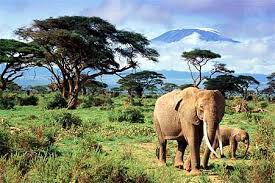
What are the biotic factors in this image?
a)
sunlight, elephants, and grasses
b)
sunlight, water,  and air
c)
elephants, plants, trees 
12.
Brandon and his dad cut a tree that fell in a storm into smaller sections. Then they split the wood to use for firewood.…

Brandon and his dad cut a tree that fell in a storm into smaller sections. Then they split the wood to use for firewood. Firewood is an example of which type of factor.

a)

Biotic

b)

Abiotic

13.
Carrying Capacity is

Carrying Capacity is

a)

The maximum number of individuals that can fit into an area

b)

An environment's ability to accommodate a growing population.

c)

The greatest population that an area can sustain.

d)

The maximum # of species that can co-exist in an area.

14.
Water lilies do not grow in the desert because water availability is:

Water lilies do not grow in the desert because water availability is:

a)

a limiting factor

b)

the carrying capacity

c)

a competition factor

d)

the logistic growth curve

15.
Is the following factor Biotic or Abiotic?
Fallen Leaves
a)
Biotic
b)
Abiotic
Waygroundแป้นคำตอบ

Biotic and Abiotic Factors in an Ecosystem

คำถามทั้งหมด: 15

1.
b)

algae

2.
a)

the types of microorganisms that live in the river water

3.
d)

the spiny cactus leaves

4.
c)

the fish in the water

5.
c) abiotic
6.
b) biotic
7.
b) biotic
8.
b) biotic factor
9.
d) grass
10.
b) abiotic factor
11.
c) elephants, plants, trees 
12.
a)

Biotic

13.
c)

The greatest population that an area can sustain.

14.
a)

a limiting factor

15.
a) Biotic

คำถามที่พบบ่อย

แบบฝึกหัดนี้ครอบคลุมหัวข้ออะไรบ้างเกี่ยวกับปัจจัยทางชีวภาพและปัจจัยทางกายภาพ?

แบบฝึกหัดสำหรับนักเรียนชั้น ม.1 นี้ ประกอบด้วยคำถามแบบเลือกตอบ 15 ข้อ เพื่อให้นักเรียนจำแนกองค์ประกอบของระบบนิเวศว่าเป็นสิ่งมีชีวิตหรือสิ่งไม่มีชีวิต ในสภาพแวดล้อมจำลอง แม่น้ำ ทะเลทราย และมหาสมุทร นอกจากนี้ยังทดสอบว่านักเรียนรู้จักวัสดุที่เคยมีชีวิต เช่น ใบไม้ร่วงและฟืน ว่าเป็นสิ่งมีชีวิตหรือไม่ จากนั้นจึงนำแนวคิดดังกล่าวไปประยุกต์ใช้กับปัจจัยจำกัดและขีดความสามารถในการรองรับของระบบนิเวศ

ฉันจะใช้แบบฝึกหัดนี้ในการสอนเรื่องปัจจัยทางชีวภาพและปัจจัยทางกายภาพได้อย่างไร?

เริ่มต้นด้วยการอธิบายความแตกต่างโดยให้นักเรียนจัดเรียงตัวอย่างจากแบบฝึกหัด เช่น สาหร่าย ดิน น้ำ ปลา และอุณหภูมิ ออกเป็นสิ่งมีชีวิตและสิ่งไม่มีชีวิต จากนั้นให้นักเรียนอธิบายเหตุผลในการเลือกของตนในสถานการณ์จำลองระบบนิเวศ ก่อนที่จะใช้คำถามเกี่ยวกับความสามารถในการรองรับและปริมาณน้ำที่มีอยู่เพื่ออภิปรายว่าสภาพแวดล้อมทางกายภาพสามารถจำกัดจำนวนประชากรได้อย่างไร

ฉันควรสังเกตข้อผิดพลาดอะไรบ้างเมื่อนักเรียนทำแบบฝึกหัดนี้เสร็จ?

นักเรียนอาจเลือกน้ำ อากาศ ดิน แสงแดด หรืออุณหภูมิ เป็นปัจจัยทางชีวภาพ เพราะองค์ประกอบเหล่านี้ค้ำจุนชีวิต แม้ว่าพวกมันจะไม่มีชีวิตและจัดเป็นปัจจัยอชีวภาพก็ตาม นอกจากนี้ พวกเขาอาจมองข้ามไปว่าวัสดุที่เคยมีชีวิต เช่น ฟืนและใบไม้ที่ร่วงหล่น ก็จัดเป็นปัจจัยทางชีวภาพเช่นกัน หรืออาจสับสนระหว่างขีดจำกัดการรองรับประชากร—จำนวนประชากรสูงสุดที่พื้นที่นั้นสามารถรองรับได้—กับปัจจัยจำกัด เช่น ปริมาณน้ำ

ฉันจะมอบหมายและให้คะแนนแบบฝึกหัดนี้อย่างไร?

แบบฝึกหัดเกี่ยวกับปัจจัยทางชีวภาพและปัจจัยทางกายภาพนี้มีให้ดาวน์โหลดในรูปแบบไฟล์ PDF สำหรับพิมพ์ และเป็นแบบทดสอบดิจิทัลบน Wayground พร้อมเฉลยคำตอบครบถ้วนสำหรับคำถามแบบเลือกตอบทั้ง 15 ข้อ สามารถตรวจให้คะแนนงานที่พิมพ์ได้โดยการสแกนงานของนักเรียนด้วยแอป Wayground for Teachers

แบบฝึกหัดนี้เชื่อมโยงปัจจัยทางระบบนิเวศกับขีดจำกัดการรองรับอย่างไร?

หลังจากที่นักเรียนจำแนกองค์ประกอบทางชีวภาพและอชีวภาพแล้ว คำถามสุดท้ายจะขอให้นักเรียนนำคำศัพท์เหล่านั้นไปประยุกต์ใช้กับขีดจำกัดของประชากร พวกเขาจะระบุว่าความสามารถในการรองรับ (carrying capacity) คือจำนวนประชากรสูงสุดที่พื้นที่หนึ่งๆ สามารถรองรับได้ และตระหนักว่าน้ำที่มีจำกัดเป็นปัจจัยจำกัด ซึ่งอธิบายได้ว่าทำไมดอกบัวจึงไม่สามารถเจริญเติบโตได้ในทะเลทราย

ฉันจะหาแบบฝึกหัดฟรีแบบนี้เพิ่มเติมได้ที่ไหนบน Wayground?

Wayground นำเสนอชุดแบบฝึกหัดและโจทย์ฝึกหัดฟรีที่ครอบคลุมหลากหลายวิชา พร้อมไฟล์ PDF และเฉลยคำตอบ เพื่อช่วยเสริมสร้างทักษะและความเข้าใจในแนวคิดสำคัญ ดูแหล่งข้อมูลเพิ่มเติมได้ที่ https://wayground.com/en-us/worksheets