
Wayground
BILL NYE ROCKS AND SOIL - Printable Science Worksheets ระดับ 4 - Wayground

BILL NYE ROCKS AND SOIL

41 คำถาม

4th - 4th ระดับชั้น

Science

แบบฝึกหัดวิทยาศาสตร์สำหรับนักเรียนชั้นประถมศึกษาปีที่ 4 เรื่อง หินและดิน โดย บิลล์ ไนย์ ประกอบด้วยคำถามแบบเลือกตอบ 41 ข้อ เกี่ยวกับการก่อตัวและการเปลี่ยนแปลงของหินและดิน นักเรียนจะได้ระบุหินหลอมเหลว ฟองภูเขาไฟ แผ่นเปลือกโลก วัฏจักรของหิน การก่อตัวของดินที่เกี่ยวข้องกับการผุพัง ชั้นดิน และสภาวะที่เปลี่ยนถ่านหินให้กลายเป็นเพชร คำถามยังกล่าวถึงสาเหตุที่หินตะกอนมีชั้น และวิธีที่ทรายตกตะกอนลงสู่ที่ลุ่ม แบบฝึกหัดที่พิมพ์ได้ฟรีนี้ช่วยให้นักเรียนเชื่อมโยงลักษณะที่สังเกตได้ เช่น หลุมหิน สีของดิน และชั้นหินตะกอน เข้ากับกระบวนการทางวิทยาศาสตร์ของโลก รูปแบบการเลือกคำตอบช่วยให้ครูตรวจสอบว่านักเรียนสามารถแยกแยะคำศัพท์ที่เกี่ยวข้องและรับรู้ความสัมพันธ์ระหว่างสาเหตุและผล รวมถึงความดันและเวลาในการก่อตัวของเพชรได้หรือไม่ มีเฉลยคำตอบครบถ้วนเพื่อการตรวจสอบ การให้ข้อเสนอแนะ หรือการประเมินผลอย่างมีประสิทธิภาพ

การตั้งค่าแผ่นงาน

ขนาดตัวอักษร

S
M
L
XL
แผ่นงาน

BILL NYE ROCKS AND SOIL

คำถามทั้งหมด: 41

ชื่อ
ระดับ
วันที่
1.

All of the rocks in the world used to be ___________ rock called molten rock.

a)

melted

b)

igneous

c)

tectonic

d)

carbon

2.

The pits in the rock were formed by ___________ in liquid rock that came out of a volcano.

a)

bubbles

b)

dirt

c)

carbon

d)

different minerals

3.

When rocks come out of the volcano onto the earth, they can ______________ the older rocks.

a)

push

b)

pull

c)

erode

d)

melt

4.

Soil comes from ____________.

a)

rocks

b)

plants

c)

carbon

d)

layers

5.

Dirt comes from _________________________.

a)

broken down rocks

b)

carbon

c)

pressure

d)

tectonic plates

6.

Every rock you see used to be _____________________.

a)

different

b)

the same

c)

igneous

d)

carbon

7.

Rocks are always changing and are part of something we call the ________________.

a)

rock cycle

b)

tectonic plates

c)

weathering system

d)

organism cycle

8.

The reason why we have volcanoes is because of _____________ that are always moving.

a)

tectonic plates

b)

molten rock

c)

tons of pressure

d)

organism actions

9.

The rock cycle has been going on for more than many _____________ years.

a)

millions

b)

thousands

c)

hundreds

d)

trillions

10.

Does soil have layers?

a)

YES

b)

NO

11.

As you go through different layers of soil, the color of the soil becomes _________.

a)

lighter

b)

darker

12.

What is the hardest substance known to man?

a)

diamond

b)

carbon

c)

molten rock

d)

tectonic plates

13.

What changes coal into diamond?

a)

millions of years and tons of pressure

b)

tectonic plates moving

c)

weathering actions

d)

molten rock melting

14.

Both coal and diamond are made of ____________.

a)

carbon

b)

molten rock

c)

organisms

d)

dirt

15.

Sedimentary rock has layers because ____ are washed downstream and settle on the bottom.

a)

Dirt

b)

Boulders

c)

Sand

d)

Pebbles

16.

Metamorphic rocks are made from a combination of pressure and ____.

a)

Sand

b)

Ice

c)

Heat

d)

Sediment

17.

The surface of the Earth is made up of huge rocks called ____.

a)

Tectonic Plates

b)

Continents

c)

Mountains

d)

Countries

18.

Waves can change rocks into ____.

a)

Soil

b)

Sand

c)

Dirt

d)

Boulders

19.

A huge flood happened in Washington State when a _____ broke.

a)

Glacier

b)

Rock

c)

Dam

d)

Mountain

20.

Which kinds of rocks form from being changed by HEAT and PRESSURE?

a)

Sedimentary Rock

b)

Igneous Rock

c)

Metamorphic Rock

21.

Which kind of rocks form from magma or lavaCOOLING and HARDENING?

a)

Sedimentary Rock

b)

Igneous Rock

c)

Metamorphic Rock

22.

Which kind of rocks form from sediments being COMPACTED and CEMENTED together?

a)

Sedimentary Rock

b)

Igneous Rock

c)

Metamorphic Rock

23.
Which type of rock results from melting and cooling of magma?
a)
Igneous
b)
Metamorphic
c)
Sedimentary
d)
Extrusive
24.
Which type of rock forms from extreme heat and pressure?
a)
Igneous
b)
Sedimentary
c)
Organic
d)
Metamorphic
25.
A metamorphic rock changes into an igneous rock by what two processes?
a)
Melting and cooling
b)
Extreme heat and pressure
c)
Compaction and cementation
d)
Weathering and erosion
26.
Wind, water, and ice breaking down rock is called
a)
Erosion
b)
Deposition
c)
Compaction
d)
Weathering
27.
What is the MAIN way rocks are classified?
a)
Their color and shapes
b)
How they form
c)
Mineral bands
d)
Where they form
28.
True/False: Igneous rocks can only turn into metamorphic rocks.
a)
True
b)
False
29.
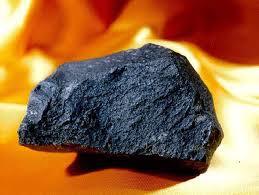
This rock was found near the mouth of a volcano. What type of rock is this?
a)
Sedimentary
b)
Igneous
c)
Metamorphic
30.
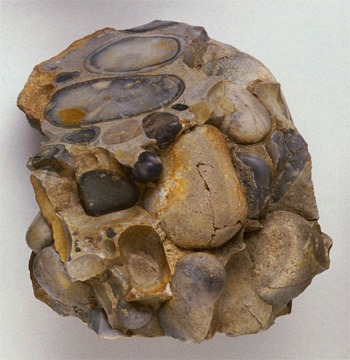
This rock was formed by smaller pieces of rock that settled at the bottom of a lake millions of years ago. What type of rock is this?
a)
Sedimentary
b)
Igneous
c)
Metamorphic
31.
What are the 3 major types of rocks?
a)
Igneous, Metamorphic, Sedimentary
b)
Metamorphic, Igneous, Cementation
c)
Brown, Red, Gray
d)
Streak, Hardness, Breakage
32.
This rock started as lava that cooled and then was heated and put under pressure over time. What type of rock is this?
a)
Sedimentar
b)
Igneous
c)
Metamorphic
33.
This rock started as molten magma. What type of rock is this?
a)
Sedimentary
b)
Igneous
c)
Metamorphic
34.
This rock is made from tiny pieces of other rocks that settled to the bottom of a valley millions of years ago. What type of rock is this?
a)
Sedimentary
b)
Igneous
c)
Metamorphic
35.
This rock was molten magma that slowly cooled under the ground. What type of rock is this?
a)
Sedimentar
b)
Igneous
c)
Metamorphic
36.
This rock cooled on the outside of a volcano and contained air bubbles when it was forming. What type of rock is this?
a)
Sedimentary
b)
Igneous
c)
Metamorphic
37.
After lots of time, pressure, and heat, you get this kind of rock. What type of rock is this?
a)
Sedimentary
b)
Igneous
c)
Metamorphic
38.
Each rock type can follow only one pathway of the rock cycle.
a)
True
b)
False
39.
What is small pieces of rock material?
a)
grain
b)
lava 
c)
magma
d)
sediment
40.
What is molten or liquid rock material that is deep beneath the Earth's surface?
a)
grain
b)
lava
c)
magma
d)
rock
41.
What is molten rock that erupts onto or above the Earth’s surface?
a)
grain
b)
lava
c)
magma
d)
sediment
แป้นคำตอบ

BILL NYE ROCKS AND SOIL

คำถามทั้งหมด: 41

1.
a)

melted

2.
a)

bubbles

3.
a)

push

4.
a)

rocks

5.
a)

broken down rocks

6.
a)

different

7.
a)

rock cycle

8.
a)

tectonic plates

9.
a)

millions

10.
a)

YES

11.
a)

lighter

12.
a)

diamond

13.
a)

millions of years and tons of pressure

14.
a)

carbon

15.
c)

Sand

16.
c)

Heat

17.
a)

Tectonic Plates

18.
b)

Sand

19.
a)

Glacier

20.
c)

Metamorphic Rock

21.
b)

Igneous Rock

22.
a)

Sedimentary Rock

23.
a) Igneous
24.
d) Metamorphic
25.
a) Melting and cooling
26.
d) Weathering
27.
b) How they form
28.
b) False
29.
b) Igneous
30.
a) Sedimentary
31.
a) Igneous, Metamorphic, Sedimentary
32.
c) Metamorphic
33.
b) Igneous
34.
a) Sedimentary
35.
b) Igneous
36.
b) Igneous
37.
c) Metamorphic
38.
b) False
39.
d) sediment
40.
c) magma
41.
b) lava

คำถามที่พบบ่อย

แบบฝึกหัดเรื่องหินและดินของบิลล์ ไนย์ ครอบคลุมเนื้อหาอะไรบ้าง?

แบบฝึกหัดวิทยาศาสตร์สำหรับชั้นประถมศึกษาปีที่ 4 นี้ประกอบด้วยคำถามแบบเลือกตอบ 41 ข้อ เพื่อประเมินความเข้าใจเกี่ยวกับวัฏจักรของหิน การก่อตัวของหินภูเขาไฟ แผ่นเปลือกโลก การก่อตัวและชั้นของดิน และตะกอนดิน นักเรียนจะต้องเลือกคำอธิบายเกี่ยวกับความสัมพันธ์ต่างๆ เช่น ดินเกิดจากการผุพังของหิน ภูเขาไฟเกิดจากการเคลื่อนตัวของแผ่นเปลือกโลก และถ่านหินเปลี่ยนเป็นเพชรผ่านกาลเวลาและความดัน

ฉันจะใช้แบบฝึกหัดนี้ในการสอนเรื่องวัฏจักรของหินและการก่อตัวของดินได้อย่างไร?

แนะนำคำศัพท์สำคัญ ได้แก่ หินหลอมเหลว แผ่นเปลือกโลก วัฏจักรหิน ชั้นดิน คาร์บอน และตะกอน ก่อนที่นักเรียนจะทำแบบทดสอบแบบเลือกตอบ จากนั้นขอให้นักเรียนอธิบายว่าทำไมคำตอบที่ถูกต้องแต่ละข้อจึงเหมาะสม เช่น ทรายตกตะกอนกลายเป็นชั้นหินตะกอนได้อย่างไร หรือความดันและเวลาหลายล้านปีส่งผลต่อถ่านหินและเพชรอย่างไร ใช้ตัวเลือกที่ไม่ถูกต้องเพื่ออธิบายความเข้าใจที่มักสับสนกัน

ฉันควรระวังข้อผิดพลาดอะไรบ้างในแบบฝึกหัดเรื่องหินและดินนี้?

นักเรียนอาจสับสนระหว่างแผ่นเปลือกโลก หินหลอมเหลว และความดัน เมื่ออธิบายเรื่องภูเขาไฟหรือการก่อตัวของเพชร พวกเขาอาจสับสนระหว่างดินกับหินที่ผุพัง มองข้ามว่าดินมีชั้น หรือเลือกใช้ก้อนหินหรือกรวดแทนทรายสำหรับวัสดุที่ตกตะกอนในหินตะกอนบริเวณปลายน้ำ ควรทบทวนแต่ละตัวเลือกโดยขอให้นักเรียนระบุถึงกระบวนการที่อธิบายไว้ ไม่ใช่เพียงแค่จำคำศัพท์ที่แยกออกมาเท่านั้น

ฉันจะมอบหมายและให้คะแนนแบบฝึกหัดเรื่องหินและดินของบิลล์ ไนย์ได้อย่างไร?

Wayground จัดทำแบบฝึกหัด 41 ข้อนี้ในรูปแบบไฟล์ PDF ที่สามารถพิมพ์ได้ และในรูปแบบแบบทดสอบดิจิทัล โดยมีเฉลยคำตอบครบถ้วน คุณสามารถตรวจงานส่งในรูปแบบไฟล์ PDF ได้โดยการสแกนงานของนักเรียนด้วยแอป Wayground for Teachers ในขณะที่แบบทดสอบดิจิทัลรองรับการทำและตรวจงานทางออนไลน์

ฉันจะปรับแบบฝึกหัดเรื่องหินและดินนี้ให้เหมาะสมกับนักเรียนของฉันได้อย่างไร?

ใช้การตั้งค่าขั้นสูงของแบบฝึกหัดเพื่อปรับระยะห่างระหว่างตัวอักษรหรือเพิ่มขนาดตัวอักษร เพื่อให้ข้อสอบแบบเลือกตอบ 41 ข้ออ่านง่ายขึ้น นอกจากนี้ คุณยังสามารถเลือกใช้แบบอักษรที่เหมาะสำหรับผู้ที่มีภาวะดิสเล็กเซีย หรือแปลแบบฝึกหัดเป็นภาษาอื่น เพื่อช่วยให้นักเรียนเข้าถึงคำศัพท์เกี่ยวกับวัฏจักรของหิน ชั้นดิน และวัสดุของโลกได้ง่ายขึ้น

ฉันจะหาแบบฝึกหัดฟรีแบบนี้เพิ่มเติมได้ที่ไหนบน Wayground?

Wayground นำเสนอชุดแบบฝึกหัดและโจทย์ฝึกหัดที่สามารถพิมพ์ได้ฟรีอย่างครอบคลุมในทุกวิชา รวมถึงไฟล์ PDF ที่มีเฉลยคำตอบให้ดาวน์โหลด ดูแหล่งข้อมูลเพิ่มเติมได้ที่ https://wayground.com/en-us/worksheets เพื่อค้นหาสื่อการเรียนรู้ที่จะช่วยให้นักเรียนเชี่ยวชาญทักษะและแนวคิดที่สำคัญ