Wayground
wave superposition - Printable ศาสตร์ Worksheets ระดับ 11 - Wayground

wave superposition

Kyle Brossard

สร้างโดย Kyle Brossard

20 คำถาม

9th - 12th ระดับชั้น

ศาสตร์

อัปเดตแล้ว ก.ย. 2569

แบบฝึกหัดเรื่องการซ้อนทับของคลื่น (Wave Superposition) เป็นแบบฝึกหัดวิทยาศาสตร์ที่พิมพ์ได้ฟรีสำหรับนักเรียนระดับชั้น ม.3-ม.6 ที่ช่วยเสริมสร้างความเข้าใจเกี่ยวกับปฏิสัมพันธ์ของคลื่นเมื่อซ้อนทับกัน แบบฝึกหัดนี้ประกอบด้วยคำถามแบบเลือกตอบ 20 ข้อ ช่วยให้นักเรียนระบุการซ้อนทับ การแทรกสอดแบบเสริมและแบบหักล้าง และยอดคลื่นและท้องคลื่นของคลื่นตามขวาง นอกจากนี้ นักเรียนยังจะได้ตีความแผนภาพคลื่นเพื่อหาแอมพลิจูดและความยาวคลื่น แยกแยะความถี่จากคุณสมบัติอื่นๆ ของคลื่น และประยุกต์ใช้ความสัมพันธ์ระหว่างแอมพลิจูด ความถี่ และความยาวคลื่น แบบฝึกหัดนี้ช่วยให้นักเรียนได้ฝึกฝนอย่างมุ่งเน้นในการทำความเข้าใจว่าคลื่นเฟสตรงกันสร้างแอมพลิจูดที่มากกว่าได้อย่างไร และการแทรกสอดแบบหักล้างช่วยสนับสนุนเทคโนโลยีต่างๆ เช่น หูฟังตัดเสียงรบกวนได้อย่างไร แบบฝึกหัดนี้มีประโยชน์สำหรับการแนะนำหรือทบทวนพฤติกรรมของคลื่น การตรวจสอบความเข้าใจเชิงแนวคิด หรือการเตรียมความพร้อมนักเรียนสำหรับการประเมินผล แบบฝึกหัดนี้มีเฉลยคำตอบที่สมบูรณ์เพื่อการตรวจสอบและให้ข้อเสนอแนะที่มีประสิทธิภาพ ทำให้เป็นแหล่งข้อมูลที่เป็นประโยชน์สำหรับการฝึกฝนด้วยตนเอง การบ้าน หรือการทบทวนในชั้นเรียนวิทยาศาสตร์

การตั้งค่าแผ่นงาน

ขนาดตัวอักษร

S
M
L
XL
Waygroundแผ่นงาน

wave superposition

คำถามทั้งหมด: 20

ชื่อ
ระดับ
วันที่
1.
What is the superposition of waves?
a)
when a single wave splits into two different waves at a point
b)
when two waves combine at the same place at the same time
2.
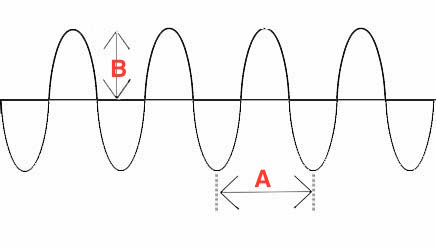
What property of this wave is represented by the letter "A"

What property of this wave is represented by the letter "A"

a)

amplitude

b)

crest

c)

trough

d)

wavelength

3.
According to superposition, which choice best describes what occurs when the waves pictured pass over one another?

According to superposition, which choice best describes what occurs when the waves pictured pass over one another?

a)

A

b)

B

c)

C

d)

D

4.
According to superposition, which choice best describes what occurs when the waves pictured pass over one another?

According to superposition, which choice best describes what occurs when the waves pictured pass over one another?

a)

A

b)

B

c)

C

d)

D

5.
According to superposition, which choice best describes what occurs when the waves pictured pass over one another?

According to superposition, which choice best describes what occurs when the waves pictured pass over one another?

a)

A

b)

B

c)

C

d)

D

6.
If two overlapping waves are in-phase, the resultant wave will have ______ compared to the two waves.
a)
Greater amplitude
b)
Greater frequency
c)
Greater wavelength
d)
Greater wave speed
7.

The highest part of a transverse wave is

a)

the crest

b)

the trough

c)

the wave point

d)

the hotel transylvania

8.

The lowest part of a transverse wave are the

a)

crests

b)

troughs

c)

wave points

d)

low nodules

9.

How often a wave occurs is the wave's

a)

frequency

b)

amplitude

c)

wavelength

d)

velocity

10.
What is the amplitude of this wave?

What is the amplitude of this wave?

a)

3

b)

-3

c)

6

d)

4

11.
What is the wavelength of this wave?

What is the wavelength of this wave?

a)

3

b)

10

c)

4

d)

8

12.

What happens to the frequency of a wave when the amplitude is tripled?

a)

the frequency is tripled

b)

the frequency is a third of what it was

c)

amplitude does not affect frequency

13.

What would happen to the wavelength if the frequency was doubled?

a)

the wavelength would be halved

b)

the wavelength would be doubled

c)

the wavelength would stay the same

d)

frequency does not affect wavelength

14.
The following is an example of which type of interference?
The following is an example of which type of interference? 
a)
constructive 
b)
destructive 
15.
Which wave behavior do noise cancelling headphones use?
a)
diffraction
b)
refraction
c)
constructive interference
d)
destructive interference
16.
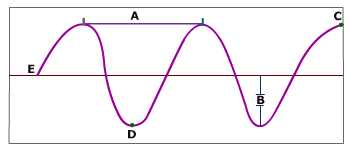
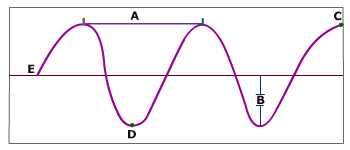
Which letter represents wavelength ?
Which letter represents wavelength?
a)
A
b)
B
c)
C
d)
D
17.
Which letter represents amplitude ?
Which letter represents amplitude?
a)
A
b)
B
c)
C
d)
D
18.
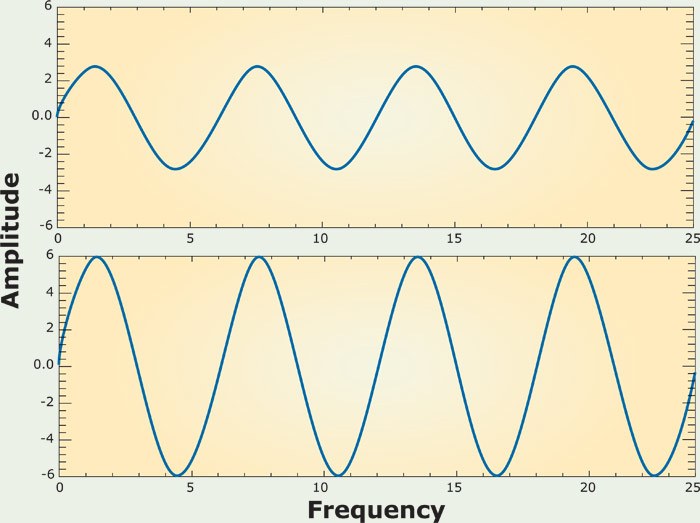
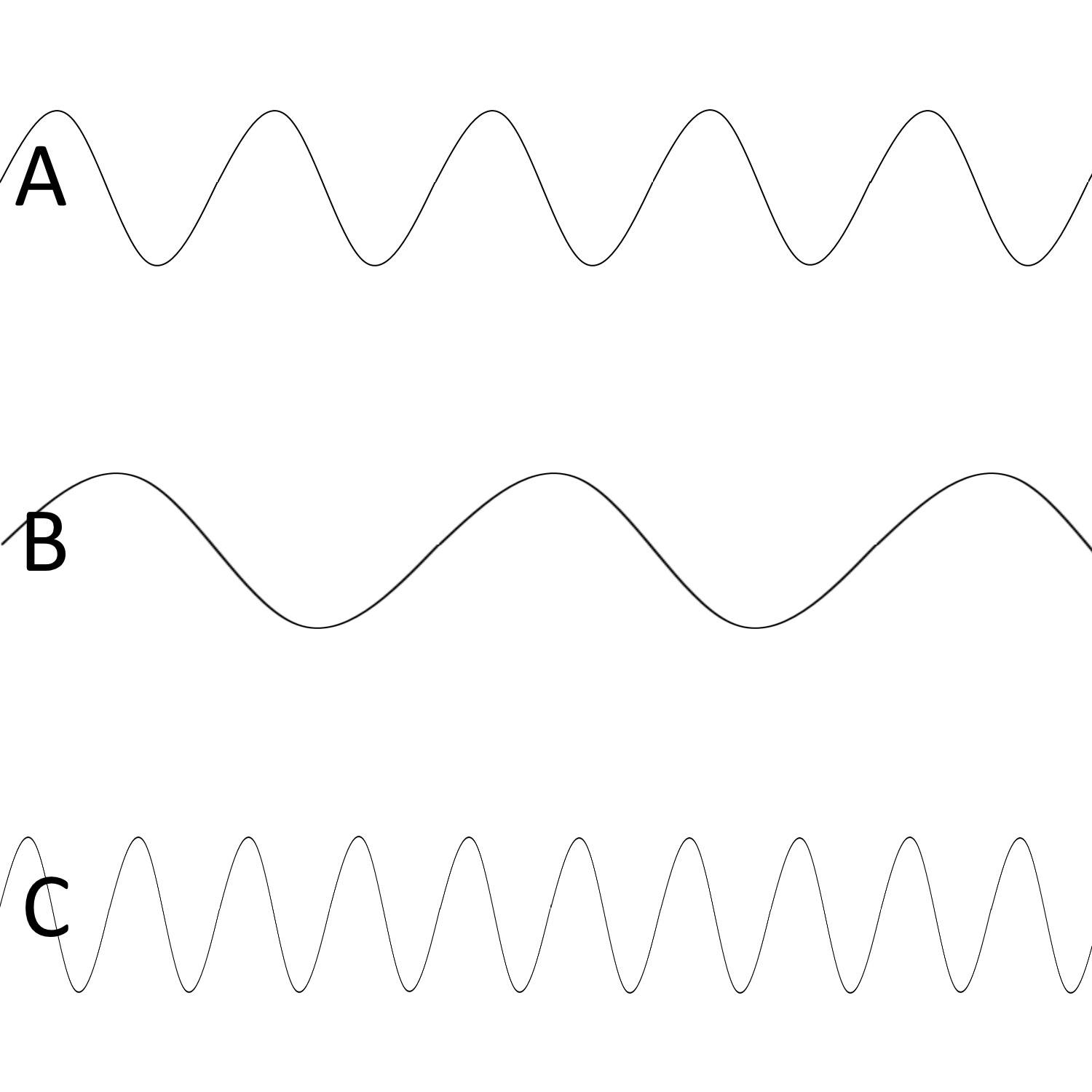
Which property of these waves differs?
a)
Frequency
b)
Wavelength
c)
Amplitude
d)
Pitch
19.

What is the material waves travel through called?

a)
Period
b)
Frequency
c)
Medium
d)
Hertz
20.
Which wave has the largest wavelength?
a)
A
b)
B
c)
C
d)
None (same wavelength)
Waygroundแป้นคำตอบ

wave superposition

คำถามทั้งหมด: 20

1.
b) when two waves combine at the same place at the same time
2.
d)

wavelength

3.
c)

C

4.
a)

A

5.
b)

B

6.
a) Greater amplitude
7.
a)

the crest

8.
b)

troughs

9.
a)

frequency

10.
a)

3

11.
d)

8

12.
c)

amplitude does not affect frequency

13.
a)

the wavelength would be halved

14.
a) constructive 
15.
d) destructive interference
16.
a) A
17.
b) B
18.
c) Amplitude
19.
c) Medium
20.
b) B

คำถามที่พบบ่อย

แบบฝึกหัดเรื่องการซ้อนทับของคลื่นนี้ครอบคลุมหัวข้ออะไรบ้าง?

แบบฝึกหัดวิทยาศาสตร์สำหรับนักเรียนระดับชั้น ม.3-ม.6 นี้ ประกอบด้วยคำถามแบบเลือกตอบ 20 ข้อ เพื่อประเมินความเข้าใจเกี่ยวกับการซ้อนทับของคลื่น การแทรกสอดแบบเสริมและแบบหักล้าง และลักษณะของคลื่นตามขวาง เช่น ยอดคลื่นและท้องคลื่น นักเรียนจะได้ตีความแผนภาพคลื่น ระบุแอมพลิจูดและความยาวคลื่น และให้เหตุผลว่าการเปลี่ยนแปลงแอมพลิจูดหรือความถี่ส่งผลต่อคุณสมบัติอื่นๆ ของคลื่นอย่างไร

ฉันจะใช้แบบฝึกหัดนี้สอนเรื่องการซ้อนทับของคลื่นได้อย่างไร?

แนะนำหลักการซ้อนทับโดยให้นักเรียนคาดเดาว่าจะเกิดอะไรขึ้นเมื่อคลื่นสองลูกอยู่ ณ ตำแหน่งเดียวกันในเวลาเดียวกัน จากนั้นเชื่อมโยงการคาดเดาของพวกเขากับข้อสอบแบบเลือกตอบที่มีภาพประกอบ ใช้คำถามเกี่ยวกับคลื่นเฟสตรงกันและการแทรกสอดเพื่ออธิบายว่าทำไมแอมพลิจูดจึงสามารถรวมกันได้อย่างสร้างสรรค์ การแทรกสอดแบบหักล้างทำงานอย่างไร และทำไมหูฟังตัดเสียงรบกวนจึงใช้หลักการนี้

ฉันควรระวังข้อผิดพลาดอะไรบ้างเมื่อนักเรียนทำแบบฝึกหัดเรื่องคลื่นนี้?

นักเรียนอาจสับสนระหว่างแอมพลิจูดกับความยาวคลื่น ความถี่ หรือความเร็วคลื่นเมื่ออ่านแผนภาพ หรืออาจระบุจุดสูงสุดและต่ำสุดของคลื่นตามขวางไม่ถูกต้อง ระวังนักเรียนที่คิดว่าการเพิ่มแอมพลิจูดเป็นสามเท่าจะทำให้ความถี่เปลี่ยนแปลง หรือเลือกความยาวคลื่นหรือความถี่ที่มากกว่าแทนที่จะเลือกแอมพลิจูดที่มากกว่าสำหรับคลื่นเฟสตรงกัน แบบฝึกหัดนี้ยังทดสอบว่าพวกเขาสามารถแยกแยะความแตกต่างระหว่างการแทรกสอดแบบเสริมและการแทรกสอดแบบหักล้างได้หรือไม่

ฉันจะมอบหมายและตรวจงานแบบฝึกหัดเรื่องการซ้อนทับของคลื่นนี้อย่างไร?

คุณสามารถส่งเป็นไฟล์ PDF ที่พิมพ์ได้ หรือใช้เป็นแบบทดสอบดิจิทัลบน Wayground ก็ได้ และแบบทดสอบนี้มีเฉลยคำตอบครบถ้วนสำหรับคำถามแบบเลือกตอบทั้ง 20 ข้อ สำหรับการส่งงานแบบพิมพ์ได้ ให้สแกนงานของนักเรียนด้วยแอป Wayground for Teachers เพื่อให้การตรวจและประเมินผลเป็นไปอย่างราบรื่นยิ่งขึ้น

ฉันจะปรับแบบฝึกหัดเรื่องการซ้อนทับของคลื่นนี้ให้เหมาะสมกับนักเรียนของฉันได้อย่างไร?

ในส่วนการตั้งค่าขั้นสูงของแบบฝึกหัด ให้ปรับระยะห่างระหว่างตัวอักษรและขนาดตัวอักษรเพื่อให้คำถามเกี่ยวกับคุณสมบัติของคลื่นและป้ายกำกับแผนภาพอ่านง่ายขึ้น นอกจากนี้ คุณยังสามารถใช้แบบอักษรที่เหมาะสำหรับผู้ที่มีภาวะดิสเล็กเซีย หรือแปลแบบฝึกหัดเป็นภาษาอื่นโดยคงรูปแบบคำถามแบบเลือกตอบไว้เหมือนเดิมได้

ฉันจะหาแบบฝึกหัดแบบนี้เพิ่มเติมได้ที่ไหนบน Wayground?

Wayground มีแบบฝึกหัดและโจทย์ฝึกหัดมากมายให้ดาวน์โหลดฟรีในหลากหลายวิชา พร้อมไฟล์ PDF และเฉลยคำตอบ เพื่อช่วยเสริมสร้างทักษะและความเข้าใจในเนื้อหาสำคัญ ดูแหล่งข้อมูลเพิ่มเติมได้ที่ https://wayground.com/en-us/worksheets