
Wayground
OLDReview - Human Population Growth - Printable ศาสตร์ Worksheets ระดับ 9 - Wayground

OLDReview - Human Population Growth

Mrs. Freeman

สร้างโดย Mrs. Freeman

16 คำถาม

9th - 12th ระดับชั้น

ศาสตร์

อัปเดตแล้ว มี.ค. 2569

OLDReview - การเติบโตของประชากรมนุษย์ เป็นแบบฝึกหัดฟรีสำหรับนักเรียนวิทยาศาสตร์ระดับชั้น ม.3-ม.6 แบบฝึกหัดนี้ทบทวนว่าขนาดและการเติบโตของประชากรส่งผลต่อการใช้ทรัพยากรธรรมชาติอย่างไร รวมถึงเหตุใดต้นไม้จึงเป็นทรัพยากร การเกิดและการตายเปลี่ยนแปลงการเติบโตของประชากรอย่างไร และความพร้อมของทรัพยากรจำกัดจำนวนประชากรอย่างไร นักเรียนยังจะได้ระบุจำนวนประชากร ความสามารถในการรองรับ และปัจจัยที่มีอิทธิพลต่อขนาดของประชากรด้วย แบบฝึกหัดนี้มีทั้งหมด 16 ข้อ ประกอบด้วยคำถามแบบเลือกตอบ 15 ข้อ และคำถามแบบเลือกคำตอบ 1 ข้อ นักเรียนจะต้องจำแนกปัจจัยจำกัดที่ขึ้นอยู่กับความหนาแน่นและไม่ขึ้นอยู่กับความหนาแน่น ตีความกราฟเพื่อระบุความสามารถในการรองรับ และประยุกต์ใช้แนวคิดกับตัวอย่างต่างๆ เช่น การแข่งขัน ภัยพิบัติทางธรรมชาติ การเปลี่ยนแปลงสิ่งแวดล้อมโดยมนุษย์ และปรากฏการณ์เอลนีโญ แบบฝึกหัดนี้มีเฉลยคำตอบครบถ้วน ทำให้มีประโยชน์สำหรับการทบทวน การฝึกฝนด้วยตนเอง หรือการตรวจสอบความเข้าใจหลังการเรียนการสอน

การตั้งค่าแผ่นงาน

ขนาดตัวอักษร

S
M
L
XL
Waygroundแผ่นงาน

OLDReview - Human Population Growth

คำถามทั้งหมด: 16

ชื่อ
ระดับ
วันที่
1.
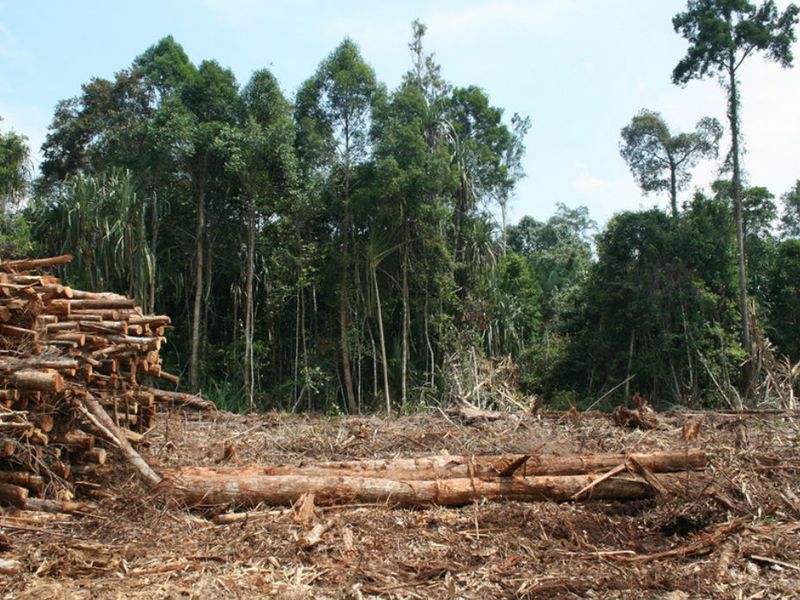
Why are trees a natural resource?
a)
The leaves are green
b)
We use them to make paper, lumber, and other products.
c)
They are beautiful
d)
They grow back after they are cut down.
2.

The people or animals living in a particular area.

a)

species

b)

population

c)

community

d)

consumer

3.

The _____________ the human population, the ______________ the amount of resources being used.

a)

least, least

b)

greater, least

c)

least, greater

d)

greater, greater

4.

How does population growth affect natural resources?

a)

The more people on the planet, the less natural resources that are available for each person.

b)

The less people on the planet, the less natural resources that are available for each person.

c)

The more people on the planet, the more natural resources that are available for each person.

5.

Which of the following is a density-dependent limiting factor?

a)

human activities

b)

unusual weather

c)

competition for food

d)

natural disasters

6.
Which of the following is a density-independent limiting factor?
a)
natural disaster
b)
predation
c)
disease
d)
parasitism
7.
What would human alterations of the environment be considered? Ex. Cutting down the rain forests

What would human alterations of the environment be considered? Ex. Cutting down the rain forests

a)

Density-independent

b)

Density-dependent

8.
What is the carrying capacity of the following graph?

What is the carrying capacity of the following graph?

a)

600

b)

800

c)

1000

d)

2000

9.

Environmental factors that affect the size of a population, no matter how large that population is.

a)

Density Independent Limiting Factors

b)

Density Dependent Limiting Factors

c)

Carrying Capacity

d)

Exponential Growth

10.

Environmental factors that affect the size of a population, as the population’s size increases.

a)

density- dependent factor

b)

population density

c)

dispersion

d)

density-independent factor

11.

Many fish die due to a change in the winds and the appearance of the El Nino ocean current off the coast of Peru and Chile. This is an example of...

a)

Density-Dependent factor

b)

Density-Independent factor

12.
The largest number of individuals that an environment can support long term is...

The largest number of individuals that an environment can support long term is...

a)

population density

b)

depopulation

c)

exponential growth

d)

carrying capacity

13.

Identify two factors that affect population growth.

a)

Number of adults ; Amount of resources

b)

Number of males ; Number of females

c)

Number of males ; Amount of air

d)

Volcanic eruptions ; Solar activity

14.

Humans have the greatest impact on the amounts of Earth’s natural resources available to use.

a)

True

b)

False

15.
If the number of births is greater than the number of deaths in a population, what will happen to the growth of the population?
a)
It will increase.
b)
It will decrease.
c)
It will stay the same.
d)
It will fluctuate.
16.
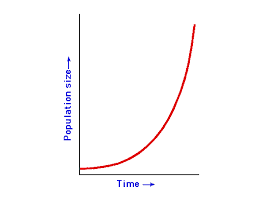
Identify the type of population growth shown on the graph.

Identify the type of population growth shown on the graph.

a)

logistic growth

b)

exponential growth

c)

predator-prey cycle

d)

boom-bust curve

Waygroundแป้นคำตอบ

OLDReview - Human Population Growth

คำถามทั้งหมด: 16

1.
b) We use them to make paper, lumber, and other products.
2.
b)

population

3.
d)

greater, greater

4.
a)

The more people on the planet, the less natural resources that are available for each person.

5.
c)

competition for food

6.
a) natural disaster
7.
a)

Density-independent

, b)

Density-dependent

8.
c)

1000

9.
a)

Density Independent Limiting Factors

10.
a)

density- dependent factor

11.
b)

Density-Independent factor

12.
d)

carrying capacity

13.
a)

Number of adults ; Amount of resources

14.
a)

True

15.
a) It will increase.
16.
b)

exponential growth

คำถามที่พบบ่อย

แบบฝึกหัดเรื่องการเติบโตของประชากรมนุษย์นี้ครอบคลุมหัวข้ออะไรบ้าง?

แบบฝึกหัดนี้ประกอบด้วยคำถามแบบเลือกตอบ 15 ข้อ และคำถามแบบเลือกคำตอบเดียว 1 ข้อ เพื่อประเมินคำศัพท์เกี่ยวกับประชากร การใช้ทรัพยากร การเติบโตของประชากร ขีดจำกัดการรองรับ และปัจจัยจำกัดที่ขึ้นอยู่กับความหนาแน่นของประชากรเทียบกับปัจจัยจำกัดที่ไม่ขึ้นอยู่กับความหนาแน่นของประชากร นักเรียนจะนำแนวคิดเหล่านี้ไปประยุกต์ใช้กับสถานการณ์ต่างๆ เช่น การแข่งขันแย่งชิงอาหาร ภัยพิบัติทางธรรมชาติ การเปลี่ยนแปลงสภาพแวดล้อมโดยมนุษย์ ปรากฏการณ์เอลนีโญ และกราฟแสดงขีดจำกัดการรองรับ

ฉันจะใช้แบบฝึกหัดนี้ในการสอนเรื่องการเพิ่มจำนวนประชากรและปัจจัยจำกัดได้อย่างไร?

ก่อนมอบหมายคำถาม ให้แนะนำคำศัพท์สำคัญ ได้แก่ ประชากร ความสามารถในการรองรับ ปัจจัยที่ขึ้นอยู่กับความหนาแน่น และปัจจัยที่ไม่ขึ้นอยู่กับความหนาแน่น ให้นักเรียนอธิบายว่าเหตุใดการแข่งขันแย่งชิงอาหารจึงขึ้นอยู่กับขนาดของประชากร ในขณะที่เหตุการณ์ต่างๆ เช่น ภัยพิบัติทางธรรมชาติหรือเอลนีโญ สามารถส่งผลกระทบต่อประชากรได้โดยไม่คำนึงถึงขนาดของประชากร ใช้คำถามเกี่ยวกับความสามารถในการรองรับที่อิงตามกราฟเป็นหัวข้อในการอภิปรายในชั้นเรียนเกี่ยวกับจำนวนประชากรสูงสุดที่สิ่งแวดล้อมสามารถรองรับได้ในระยะยาว

ฉันควรสังเกตข้อผิดพลาดอะไรบ้างเมื่อนักเรียนทำแบบฝึกหัดนี้เสร็จ?

นักเรียนอาจสับสนระหว่างความสามารถในการรองรับกับความหนาแน่นของประชากร หรือสลับความหมายของปัจจัยที่ขึ้นอยู่กับความหนาแน่นและปัจจัยที่ไม่ขึ้นอยู่กับความหนาแน่น นอกจากนี้ พวกเขาอาจมองข้ามไปว่าในแบบฝึกหัดนี้ ประชากรมนุษย์ที่มากขึ้นนั้นเชื่อมโยงกับการใช้ทรัพยากรที่มากขึ้นและทรัพยากรที่มีอยู่ต่อคนน้อยลง สำหรับข้อคำถามแบบเลือกตอบเกี่ยวกับการตัดไม้ทำลายป่าฝน ให้ตรวจสอบว่านักเรียนเลือกทั้งสองประเภทที่ระบุไว้ในเฉลยคำตอบ แทนที่จะเลือกเพียงประเภทเดียว

ฉันจะมอบหมายและให้คะแนนแบบฝึกหัดเรื่องการเพิ่มจำนวนประชากรมนุษย์นี้อย่างไร?

คุณสามารถมอบหมายแบบฝึกหัดนี้เป็นไฟล์ PDF ที่พิมพ์ได้ หรือเป็นแบบทดสอบดิจิทัลบน Wayground แบบฝึกหัดนี้มีเฉลยคำตอบครบถ้วนสำหรับคำถามแบบเลือกตอบ 15 ข้อ และคำถามแบบเลือกตอบหลายข้ออีก 1 ข้อ และงานของนักเรียนที่พิมพ์ออกมาสามารถตรวจได้โดยการสแกนด้วยแอป Wayground for Teachers รูปแบบที่พิมพ์ได้ยังช่วยให้โรงเรียนมีทางเลือกในการลดเวลาการใช้หน้าจออีกด้วย

ฉันจะปรับแบบฝึกหัดนี้ให้เหมาะสมกับนักเรียนของฉันได้อย่างไร?

ใช้การตั้งค่าขั้นสูงของแบบฝึกหัดเพื่อปรับระยะห่างระหว่างตัวอักษร หรือเลือกขนาดตัวอักษรที่ใหญ่ขึ้นสำหรับคำศัพท์ สถานการณ์ และคำถามเกี่ยวกับความจุที่อิงตามกราฟ นอกจากนี้ คุณยังสามารถเปิดใช้งานแบบอักษรที่เหมาะสำหรับผู้ที่มีภาวะดิสเล็กเซีย หรือแปลแบบฝึกหัดเป็นภาษาอื่น เพื่อให้นักเรียนสามารถเข้าถึงคำศัพท์ต่างๆ เช่น ความจุ และปัจจัยจำกัดที่ไม่ขึ้นกับความหนาแน่น ได้อย่างสะดวกสบายยิ่งขึ้น

ฉันจะหาแบบฝึกหัดฟรีแบบนี้เพิ่มเติมได้ที่ไหนบน Wayground?

Wayground นำเสนอชุดแบบฝึกหัดและโจทย์ฝึกหัดฟรีที่ครอบคลุมหลากหลายวิชา พร้อมไฟล์ PDF และเฉลยคำตอบ เพื่อช่วยให้นักเรียนเชี่ยวชาญทักษะและแนวคิดที่สำคัญ ดูแหล่งข้อมูลเพิ่มเติมได้ที่ https://wayground.com/en-us/worksheets