
Wayground
Probability - Printable คณิตศาสตร์ Worksheets 10th ระดับชั้น - Wayground

Probability

Nigel Holton

สร้างโดย Nigel Holton

15 คำถาม

10th ระดับชั้น

คณิตศาสตร์

อัปเดตแล้ว ก.ย. 2569

แบบฝึกหัดคณิตศาสตร์ ม.4 นี้พัฒนาทักษะความน่าจะเป็นผ่านคำถามแบบเลือกตอบ 15 ข้อ นักเรียนจะได้ระบุความน่าจะเป็นจากการทดลองง่ายๆ แปลงทศนิยมเป็นเปอร์เซ็นต์ และแยกแยะเหตุการณ์อิสระจากเหตุการณ์ขึ้นอยู่กันโดยใช้สถานการณ์ที่มีการคืนกลับและไม่มีการคืนกลับ นอกจากนี้ พวกเขายังจำแนกเหตุการณ์ว่าเป็นเหตุการณ์ที่ไม่เกิดขึ้นพร้อมกันหรือไม่ และตัดสินใจว่าจะบวกหรือคูณความน่าจะเป็น แบบฝึกหัดนี้ขยายทักษะเหล่านี้ไปสู่ความน่าจะเป็นแบบผสมด้วยการโยนเหรียญและการทอยลูกเต๋า คำตอบความน่าจะเป็นที่เขียนเป็นเศษส่วน ทศนิยม หรือเปอร์เซ็นต์ และคำถามความน่าจะเป็นแบบมีเงื่อนไขตามความต้องการของนักเรียน รูปแบบคำถามแบบเลือกตอบช่วยให้นักเรียนได้ฝึกฝนการเลือกวิธีการและรูปแบบการแสดงความน่าจะเป็นที่ถูกต้องซ้ำๆ ก่อนนำไปใช้ แบบฝึกหัดที่พิมพ์ได้ฟรีนี้เหมาะสำหรับการฝึกฝนในห้องเรียน การทบทวนด้วยตนเอง หรือการประเมินผลในวิชาคณิตศาสตร์ ม.4 และมีเฉลยคำตอบที่สมบูรณ์เพื่อการตรวจสอบที่มีประสิทธิภาพ

การตั้งค่าแผ่นงาน

ขนาดตัวอักษร

S
M
L
XL
Waygroundแผ่นงาน

Probability

คำถามทั้งหมด: 15

ชื่อ
ระดับ
วันที่
1.
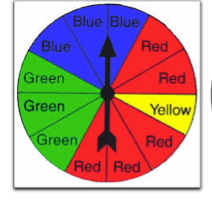
What is the probability of spinning green?
a)
0
b)
1/4
c)
1/2
d)
3/4
2.
Clara picks a marble at random, puts it back, and then picks another marble at random.
a)
Dependent
b)
Independent
3.
How do you write 0.02 as a percent?
a)
20%
b)
200%
c)
2%
d)
.02%
4.
A bag contains 9 green marbles, 5 yellow marbles and 6 red marbles. You choose one marble. What is the probability of…
A bag contains 9 green marbles, 5 yellow marbles and 6 red marbles.  You choose one marble.   What is the probability of selecting a green or red marble?  Do you add or multiply probabilities?
a)
Add
b)
Multiply
5.
If you roll one die, what is the probability of getting an odd number or a 4? Are the events inclusive or mutually exclusive?
If you roll one die, what is the probability of getting an odd number or a 4?  Are the events inclusive or mutually exclusive?
a)
Not Mutually Exclusive 
b)
Mutually exclusive
6.
Two events are mutually exclusive if:
a)
they cannot happen at the same time
b)
they can happen at the same time
c)
they always happen 
d)
they never happen 
7.
A bag contains some red-colored and some blue-colored marbles. First a red-colored marble is drawn and then, without replacing the first marble, a blue-colored marble is drawn. Are the two events dependent or independent?
a)
Independent
b)
Dependent
8.
What is the probability of selecting an orange candy?
a)
0%
b)
25%
c)
50%
d)
100%
9.
A coin is tossed and a number cube is rolled. Find the probability, P(heads and 7).

A coin is tossed and a number cube is rolled. Find the probability, P(heads and 7).

a)

1/14

b)

1/2

c)

0

d)

1/7

10.
Identify if the events are independent or dependent, then calculate the probability. Leave as a fraction.

Identify if the events are independent or dependent, then calculate the probability. Leave as a fraction.

a)

1249\frac{12}{49}
​

b)

5691\frac{56}{91}
​

c)

4849\frac{48}{49}

d)

4912\frac{49}{12}
​

11.
Identify if the events are independent or dependent, then calculate the probability. Leave as a decimal.

Identify if the events are independent or dependent, then calculate the probability. Leave as a decimal.

a)

18\frac{1}{8}   

b)

  34\frac{3}{4}  

c)

17\frac{1}{7}  

d)

615\frac{6}{15}  

12.
Identify if the events are mutually exclusive or not mutually exclusive, then calculate the probability. Leave as a fraction.

Identify if the events are mutually exclusive or not mutually exclusive, then calculate the probability. Leave as a fraction.

a)

    512\frac{5}{12}  

b)

    112\frac{1}{12}  

c)

   12121\frac{12}{121}  

d)

   712\frac{7}{12}  

13.
Identify if the events are mutually exclusive or not mutually exclusive, then calculate the probability. Leave as a…

Identify if the events are mutually exclusive or not mutually exclusive, then calculate the probability. Leave as a percentage.

a)

      910\frac{9}{10}  

b)

      710\frac{7}{10}  

c)

     29\frac{2}{9}  

d)

     12\frac{1}{2}  

14.
What is the probability that a randomly selected student prefers athletics given that the student prefers math? Leave as a…

What is the probability that a randomly selected student prefers athletics given that the student prefers math? Leave as a fraction.

a)

       12\frac{1}{2}  

b)

       310\frac{3}{10}  

c)

      49\frac{4}{9}  

d)

      29\frac{2}{9}  

15.
What is the probability that a randomly selected student wants to be a therapist given that the student has a fear of…

What is the probability that a randomly selected student wants to be a therapist given that the student has a fear of snakes? Leave as a fraction.

a)

        611\frac{6}{11}  

b)

        13\frac{1}{3}  

c)

       311\frac{3}{11}  

d)

       310\frac{3}{10}  

Waygroundแป้นคำตอบ

Probability

คำถามทั้งหมด: 15

1.
b) 1/4
2.
b) Independent
3.
c) 2%
4.
a) Add
5.
b) Mutually exclusive
6.
a) they cannot happen at the same time
7.
b) Dependent
8.
d) 100%
9.
a)

1/14

10.
a)

1249\frac{12}{49}
​

11.
c)

17\frac{1}{7}  

12.
d)

   712\frac{7}{12}  

13.
b)

      710\frac{7}{10}  

14.
d)

      29\frac{2}{9}  

15.
c)

       311\frac{3}{11}  

คำถามที่พบบ่อย

แบบฝึกหัดความน่าจะเป็นสำหรับนักเรียนชั้น ม.4 นี้ครอบคลุมเนื้อหาอะไรบ้าง?

แบบฝึกหัดนี้มีคำถามแบบเลือกตอบ 15 ข้อ เพื่อฝึกฝนการคำนวณความน่าจะเป็น การแปลงทศนิยมเป็นเปอร์เซ็นต์ และการจำแนกเหตุการณ์ว่าเป็นเหตุการณ์อิสระหรือเหตุการณ์ขึ้นอยู่กัน และเหตุการณ์ที่ไม่เกิดขึ้นพร้อมกันหรือไม่เกิดขึ้นพร้อมกัน นักเรียนจะได้ใช้กฎการบวกหรือการคูณกับเหตุการณ์ประกอบ แสดงคำตอบเป็นเศษส่วน ทศนิยม หรือเปอร์เซ็นต์ และแก้ปัญหาความน่าจะเป็นแบบมีเงื่อนไขที่เกี่ยวข้องกับความชอบของนักเรียน

ฉันจะใช้แบบฝึกหัดนี้สอนเรื่องเหตุการณ์อิสระ เหตุการณ์ขึ้นอยู่กัน และเหตุการณ์ที่ไม่เกิดขึ้นพร้อมกันได้อย่างไร?

เริ่มแบบฝึกหัดโดยอธิบายความแตกต่างระหว่างการหยิบลูกเต๋าโดยใส่คืนและการหยิบลูกเต๋าโดยไม่ใส่คืน โดยใช้สถานการณ์ลูกแก้วเพื่อแสดงให้เห็นว่าเหตุใดความสัมพันธ์ระหว่างเหตุการณ์จึงเปลี่ยนแปลงไป จากนั้นให้นักเรียนอธิบายว่าเหตุใดผลลัพธ์ของลูกเต๋าที่เป็นเลขคี่และผลลัพธ์ที่เป็นเลข 4 จึงเป็นเหตุการณ์ที่ไม่เกิดขึ้นพร้อมกัน ก่อนที่จะฝึกทำแบบฝึกหัดเกี่ยวกับเหรียญและลูกเต๋า และความน่าจะเป็นแบบมีเงื่อนไข ขอให้นักเรียนระบุความสัมพันธ์ของเหตุการณ์ก่อน เลือกการดำเนินการทางความน่าจะเป็น และคำนวณผลลัพธ์

ฉันควรระวังข้อผิดพลาดอะไรบ้างเมื่อนักเรียนทำแบบฝึกหัดความน่าจะเป็นนี้?

สังเกตนักเรียนที่ระบุว่าการสุ่มแต่ละครั้งเป็นอิสระต่อกัน แม้ว่าลูกแก้วลูกแรกจะไม่ถูกใส่กลับเข้าไป หรือคูณความน่าจะเป็นเมื่อแบบฝึกหัดกำหนดให้บวกผลลัพธ์ นักเรียนอาจสับสนระหว่างเหตุการณ์ที่ไม่เกิดขึ้นพร้อมกันกับเหตุการณ์ที่สามารถเกิดขึ้นพร้อมกันได้ อ่านการแปลงทศนิยมเป็นเปอร์เซ็นต์ผิด เช่น 0.02 หรือให้เศษส่วนเมื่อโจทย์ต้องการทศนิยมหรือเปอร์เซ็นต์ ในคำถามเกี่ยวกับความน่าจะเป็นแบบมีเงื่อนไข ตรวจสอบว่านักเรียนใช้เงื่อนไขที่ระบุไว้ แทนที่จะใช้ปริภูมิของตัวอย่างโดยรวม

ฉันจะมอบหมายและให้คะแนนแบบฝึกหัดความน่าจะเป็นนี้อย่างไร?

คุณสามารถมอบหมายแบบฝึกหัดความน่าจะเป็นนี้ในรูปแบบไฟล์ PDF ที่พิมพ์ได้ หรือเป็นแบบทดสอบดิจิทัลบน Wayground แบบฝึกหัดนี้มีเฉลยคำตอบครบถ้วนสำหรับคำถามแบบเลือกตอบ 15 ข้อ และสามารถตรวจให้คะแนนได้โดยการสแกนงานของนักเรียนด้วยแอป Wayground for Teachers รูปแบบที่พิมพ์ได้ยังช่วยสนับสนุนการเรียนการสอนในกรณีที่โรงเรียนของคุณลดเวลาการใช้หน้าจอลงด้วย

ฉันจะปรับแบบฝึกหัดความน่าจะเป็นนี้ให้เหมาะสมกับนักเรียนของฉันได้อย่างไร?

ในการตั้งค่าขั้นสูงของแบบฝึกหัด ให้ปรับระยะห่างระหว่างตัวอักษรและขนาดตัวอักษรเพื่อให้คำถามความน่าจะเป็นแบบเลือกตอบ 15 ข้ออ่านง่ายขึ้น นอกจากนี้ คุณยังสามารถเปิดใช้งานแบบอักษรที่เหมาะสำหรับผู้ที่มีภาวะดิสเล็กเซีย หรือแปลแบบฝึกหัดเป็นภาษาอื่น ซึ่งอาจช่วยให้นักเรียนเข้าใจคำศัพท์ต่างๆ เช่น ความน่าจะเป็นอิสระ ความน่าจะเป็นขึ้นอยู่กัน ความน่าจะเป็นที่ไม่เกิดขึ้นพร้อมกัน และความน่าจะเป็นแบบมีเงื่อนไขได้ดียิ่งขึ้น

ฉันจะหาแบบฝึกหัดแบบนี้เพิ่มเติมได้ที่ไหนบน Wayground?

Wayground มีแบบฝึกหัดและโจทย์ฝึกหัดมากมายให้ดาวน์โหลดฟรีในหลากหลายวิชา พร้อมไฟล์ PDF และเฉลยคำตอบ เพื่อช่วยเสริมสร้างทักษะและความเข้าใจในแนวคิดสำคัญ ดูแหล่งข้อมูลเพิ่มเติมได้ที่ https://wayground.com/en-us/worksheets