
Wayground
Free Body Diagrams - Printable Physics Worksheets - Wayground

Free Body Diagrams

20 คำถาม

8th - 8th ระดับชั้น

Physics

แบบฝึกหัดแผนภาพแรงอิสระ (Free Body Diagrams) สำหรับวิชาฟิสิกส์ชั้น ม.2 ช่วยให้นักเรียนตีความการแสดงแรงและให้เหตุผลเกี่ยวกับวิธีที่แรงส่งผลต่อวัตถุ แบบฝึกหัดนี้ประกอบด้วย 20 ข้อ—19 ข้อเป็นแบบเลือกตอบ และ 1 ข้อเป็นการเลือกคำตอบที่ถูกต้อง—นักเรียนจะได้ระบุว่าลูกศรแทนอะไร ใช้ความยาวและทิศทางของลูกศรเพื่อเปรียบเทียบแรง รู้จักแรงโน้มถ่วง แรงเสียดทาน แรงตึง และแรงปฏิกิริยาตั้งฉาก และแยกแยะความแตกต่างระหว่างแรงสมดุลและแรงไม่สมดุล นอกจากนี้ นักเรียนยังได้ฝึกคำนวณแรงลัพธ์โดยการบวกแรงในทิศทางเดียวกันและลบแรงในทิศทางตรงกันข้าม แบบฝึกหัดที่ใช้แผนภาพจะให้นักเรียนระบุแรงที่หายไป จับคู่สถานการณ์กับแผนภาพแรงอิสระ และกำหนดค่าและทิศทางของแรง แบบฝึกหัดที่พิมพ์ได้ฟรีนี้มีเฉลย เหมาะสำหรับการฝึกปฏิบัติแบบมีผู้แนะนำ การทบทวนด้วยตนเอง หรือการประเมินผลวิชาฟิสิกส์ชั้น ม.2

การตั้งค่าแผ่นงาน

ขนาดตัวอักษร

S
M
L
XL
Waygroundแผ่นงาน

Free Body Diagrams

คำถามทั้งหมด: 20

ชื่อ
ระดับ
วันที่
1.

What does the F stand for on a free-body diagram?

a)

Free

b)

Fan

c)

Net

d)

Force

2.

In a force diagram, or free-body diagram, the size/length of the arrow tells you this about the force:

a)

relative strength

b)

relative distance

c)

relative direction

3.
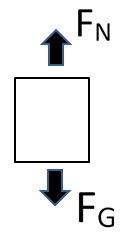
Which of the following is true about this free-body diagram?

Which of the following is true about this free-body diagram?

a)

the forces are are balanced

b)

the object is free-falling

c)

the object is moving upward

d)

the forces are unbalanced

4.

In a force diagram, or free-body diagram, the pointy-end of the arrow tells you this about the force:

a)

relative strength

b)

relative distance

c)

relative direction

5.

When determining the NET force on an object you should (TWO correct answers)

a)

subtract forces in opposite directions

b)

add forces in the same direction

c)

divide by velocity

d)

multiply by acceleration

6.
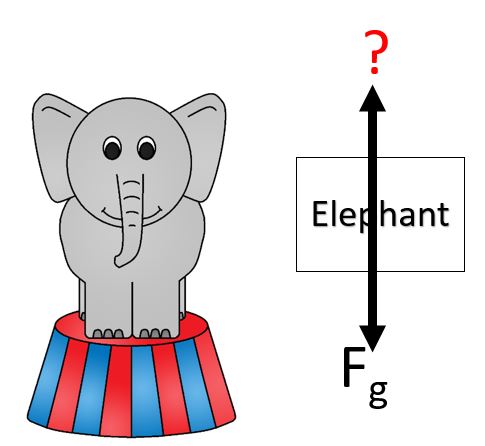
Name the missing force...
a)
weight force
b)
normal force
c)
applied force
d)
frictional force
7.

A hockey puck glides to the right across the ice at a constant speed.

a)
A hockey puck glides to the right across the ice at a constant speed.
b)
A hockey puck glides to the right across the ice at a constant speed.
c)
A hockey puck glides to the right across the ice at a constant speed.
d)
A hockey puck glides to the right across the ice at a constant speed.
8.
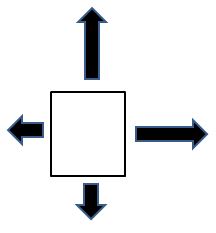
The down-arrow in this diagram is most-likely:

The down-arrow in this diagram is most-likely:

a)

gravity

b)

normal

c)

a push or pull

d)

friction

9.
If this object were moving right, the left-arrow in this diagram is most-likely:

If this object were moving right, the left-arrow in this diagram is most-likely:

a)

gravity

b)

normal

c)

a push or pull

d)

friction

10.

The force exerted by ropes and chains is called

a)

tension

b)

normal

c)

elastic

d)

mechanical

11.

The force that keeps objects on top of surfaces instead of letting them sink into the surface is known as:

a)

normal

b)

abnormal

c)

static

d)

inertia

12.
Match description with free-body diagram.
a)
A book is at rest on a tabletop.
b)
A gymnast holding onto a bar, is suspended motionless in mid-air. The bar is supported by two ropes that attach to the ceiling. Diagram the forces acting on the combination of gymnast and bar.
c)
An egg is free-falling from a nest in a tree. Neglect air resistance.
d)
A flying squirrel is gliding (no wing flaps) from a tree to the ground at constant velocity. Consider air resistance.
13.
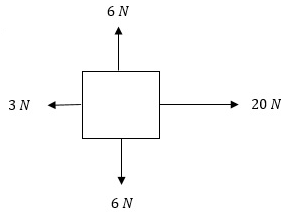
What is the NET FORCE of this diagram?

What is the NET FORCE of this diagram?

a)

17 N, right

b)

17 N, left

c)

23 N, right

d)

12 N, up

14.
Determine the force at G:

Determine the force at G:

a)

30 N

b)

20 N

c)

50 N

d)

0 N

15.
What can you tell about the forces on F and H?

What can you tell about the forces on F and H?

a)

They must be unbalanced.

b)

They are negative.

c)

They must be the same.

d)

They are equal to the net force.

16.
What is the NET FORCE of this diagram?

What is the NET FORCE of this diagram?

a)

17 N, right

b)

17 N, left

c)

23 N, right

d)

12 N, up

17.
Calculate the net force acting upon the object.
a)
10 N north
b)
10 N south
c)
14.1 N east
d)
0 N
18.
Calculate the net force acting upon the object.
a)
10 N east
b)
0 N
c)
14.1 N east
d)
20 N north
19.
Determine the missing force at C:

Determine the missing force at C:

a)

700 N

b)

200 N

c)

0 N

d)

1100 N

20.
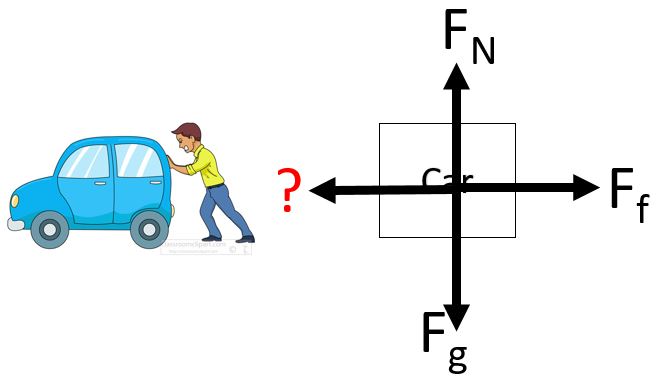
Name the missing force...
a)
applied force
b)
weight force
c)
tension force
d)
drag
Waygroundแป้นคำตอบ

Free Body Diagrams

คำถามทั้งหมด: 20

1.
d)

Force

2.
a)

relative strength

3.
a)

the forces are are balanced

4.
c)

relative direction

5.
a)

subtract forces in opposite directions

, b)

add forces in the same direction

6.
b) normal force
7.
b)
8.
a)

gravity

9.
d)

friction

10.
a)

tension

11.
a)

normal

12.
a) A book is at rest on a tabletop.
13.
a)

17 N, right

14.
c)

50 N

15.
c)

They must be the same.

16.
a)

17 N, right

17.
d) 0 N
18.
a) 10 N east
19.
d)

1100 N

20.
a) applied force

คำถามที่พบบ่อย

แบบฝึกหัดเรื่องแผนภาพแรงอิสระครอบคลุมหัวข้ออะไรบ้าง?

แบบฝึกหัดฟิสิกส์ระดับชั้น ม.2 นี้ประกอบด้วยคำถามแบบเลือกตอบ 19 ข้อ และคำถามแบบเลือกคำตอบ 1 ข้อ เพื่อฝึกฝนการอ่านแผนภาพแรงอิสระ นักเรียนจะได้ระบุประเภทของแรง ตีความทิศทางของลูกศรและความยาวสัมพัทธ์ พิจารณาว่าแรงสมดุลกันหรือไม่ และคำนวณแรงลัพธ์โดยการรวมแรงในทิศทางเดียวกันหรือทิศทางตรงข้าม

ฉันจะใช้แบบฝึกหัดนี้สอนนักเรียนให้รู้จักอ่านแผนภาพแรงอิสระได้อย่างไร?

เริ่มด้วยการแนะนำหลักการใช้ลูกศรก่อน: หัวลูกศรแสดงทิศทางสัมพัทธ์ ในขณะที่ความยาวของลูกศรแสดงความแรงสัมพัทธ์ จากนั้นสาธิตวิธีการระบุแรงต่างๆ เช่น แรงโน้มถ่วง แรงเสียดทาน แรงดึง และแรงปฏิกิริยาตั้งฉาก ก่อนให้นักเรียนทำแบบฝึกหัดหาแรงที่หายไป จับคู่ภาพ และหาแรงลัพธ์ ถามนักเรียนว่าลูกศรสนับสนุนคำตอบแต่ละข้ออย่างไร โดยเฉพาะอย่างยิ่งเมื่อพิจารณาว่าแรงต่างๆ สมดุลกันหรือไม่

ฉันควรระวังข้อผิดพลาดอะไรบ้างเมื่อนักเรียนทำแบบฝึกหัดเรื่องแผนภาพแรงอิสระนี้?

นักเรียนอาจสับสนระหว่างความยาวของลูกศรกับทิศทาง ระบุลูกศรชี้ลงว่าเป็นแรงปฏิกิริยาตั้งฉากแทนที่จะเป็นแรงโน้มถ่วง หรือมองข้ามแรงเสียดทานเมื่อวัตถุเคลื่อนที่ไปบนพื้นผิว ระวังข้อผิดพลาดในข้อสอบเกี่ยวกับแรงลัพธ์ที่เกิดจากการบวกแรงในทิศทางตรงข้ามแทนที่จะลบ และตรวจสอบว่านักเรียนเลือกกฎที่ถูกต้องทั้งสองข้อในคำถามแบบเลือกตอบ นักเรียนอาจสับสนระหว่างแรงปฏิกิริยาตั้งฉากกับแรงตึงเมื่อระบุแรงที่หายไป

ฉันจะมอบหมายและให้คะแนนแบบฝึกหัดเรื่องแผนภาพแรงอิสระนี้ได้อย่างไร?

Wayground จัดเตรียมแบบฝึกหัดนี้ในรูปแบบไฟล์ PDF ที่สามารถพิมพ์ได้ และในรูปแบบแบบทดสอบดิจิทัล พร้อมเฉลยคำตอบครบถ้วนสำหรับทั้ง 20 ข้อ คุณสามารถตรวจงานที่ส่งมาในรูปแบบไฟล์ PDF ได้โดยการสแกนงานของนักเรียนด้วยแอป Wayground for Teachers หรือตรวจสอบคำตอบผ่านแบบทดสอบดิจิทัลได้

ฉันจะปรับแบบฝึกหัดเรื่องแผนภาพแรงอิสระนี้ให้เหมาะสมกับนักเรียนของฉันได้อย่างไร?

ในส่วนการตั้งค่าขั้นสูงของแบบฝึกหัด ให้ปรับระยะห่างระหว่างตัวอักษรหรือขนาดตัวอักษรเพื่อให้แผนภาพแรง ป้ายกำกับ และตัวเลือกคำตอบอ่านง่ายขึ้น นอกจากนี้ คุณยังสามารถใช้แบบอักษรที่เหมาะสำหรับผู้ที่มีภาวะดิสเล็กเซีย หรือแปลแบบฝึกหัดเป็นภาษาอื่นได้โดยยังคงแบบฝึกหัดการระบุแผนภาพและแรงลัพธ์ไว้เหมือนเดิม

ฉันจะหาแบบฝึกหัดแบบนี้เพิ่มเติมได้ที่ไหนบน Wayground?

Wayground มีแบบฝึกหัดและโจทย์ฝึกหัดมากมายให้ดาวน์โหลดฟรีในหลากหลายวิชา พร้อมไฟล์ PDF และเฉลยคำตอบ เพื่อช่วยเสริมสร้างทักษะและความเข้าใจในแนวคิดสำคัญ ดูแหล่งข้อมูลเพิ่มเติมได้ที่ https://wayground.com/en-us/worksheets