

Electrical Circuits

Presentation
•
Science
•
7th Grade
•
Practice Problem
•
Medium
+2
Standards-aligned

Jasmyn Riggins
Used 138+ times
FREE Resource
16 Slides • 6 Questions
1
Electrical Circuits
I CAN...
- Recognize that energy can be transferred by a force over a distance (work).
- Identify the parts to complete an electrical circuit.
2
3
Types of Energy Transfer
Energy can be transferred from one system to another (or from a system to its environment) in different ways:
1.)Thermal 2.)Mechanical
3.)Electrical 4.)Electromagnetic waves

4
Thermal Energy
When a warmer object is in contact with a cooler one

5
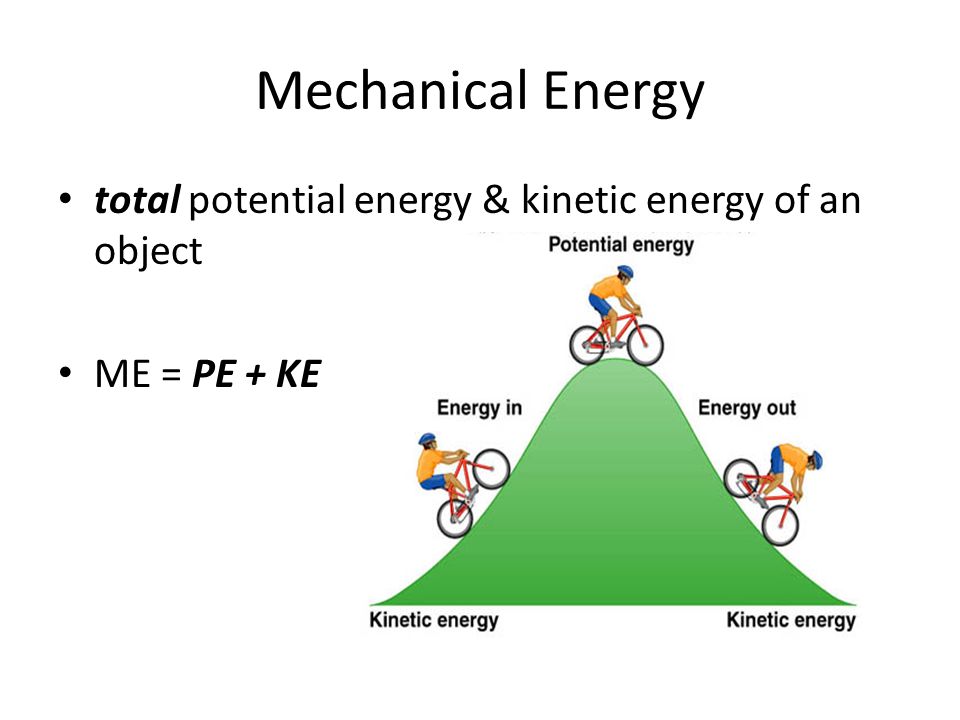
Mechanical Energy
Two (2) objects push or pull on each other over a distance
6
Electrical Energy
Electrical energy can be produced from a variety of energy sources and can be transformed into almost any other form of energy.
An electrical source such as a battery or generator is connected in a complete circuit to an electrical device.

7
Electrical Energy Reading
A natural form of electrical energy can be seen in the lightning that appears during storms.
Take about 7 minutes to access the link below to review what electrical energy is and examples of different ways to generate electrical energy every day.
https://www.solarschools.net/knowledge-bank/energy/types/electrical

8
9
Multiple Choice
10
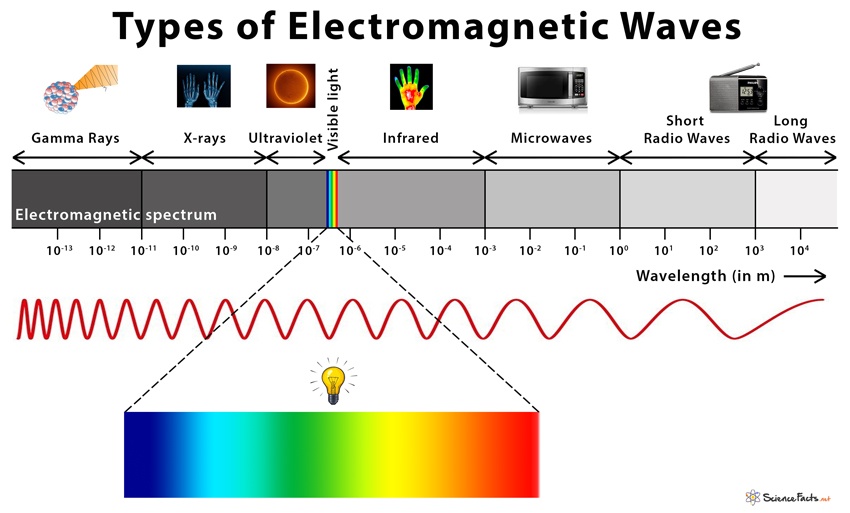
Electromagnetic waves
Energy in waves
11
12
Energy Transformation
*You can see the idea of energy transformation when you think about lighting a match. What happens is that the chemical energy stored in the match is converted into heat energy and light energy.
*When electrical energy passes through a light bulb, electrical energy is transformed into light energy.

13
Multiple Choice

A student wants to use the diagram below to explain what happens when the light bulb turns on. How could she best explain what is happening?
14
Multiple Choice
15
Multiple Choice
16
17
Multiple Choice
18
Electric Circuits
Electricity is the presence or movement of electrons, which are tiny, negatively charged particles that orbit an atom’s nucleus. Electricity is what we get when electrons move from one place to another.
Energy can be transferred from one system to another when two objects push or pull on each other over a distance. In the case of electricity, electrons are pushed and pulled through a circuit

19
Electric Circuits
In order for electricity to be useful in our homes and devices, there needs to be a steady flow of electrons called a current.
There also needs to be a complete circuit or a complete loop through which the electrical current can pass.

20
Electric Circuits
In a complete circuit, energy starts at a power source (for example a battery), moves through a conductor (for example, a metal wire), passes through a load (a device that uses electricity such as a light bulb or toaster) and returns back to the power source.
It starts out in one place, travels around the circuit, and ends up back at the place where it originated. The electrons are pushed and pulled through the circuit.

21
Batteries and Circuits
Batteries are devices that use “energy transformation” to produce electricity. They work by changing stored chemical energy into electrical energy.
A chemical reaction inside a battery creates electrons. These electrons are stored in the negative terminal (-) of the battery.
When a battery is part of a complete circuit, the negative terminal pushes the electrons out.
The electrons travel from the negative terminal, through the circuit to the positive terminal (+). The positive side of the battery pulls the electrons in.

22
Multiple Choice
Electrical Circuits
I CAN...
- Recognize that energy can be transferred by a force over a distance (work).
- Identify the parts to complete an electrical circuit.
Show answer
Auto Play
Slide 1 / 22
SLIDE


