Search Header Logo
Endothermic and Exothermic

Endothermic and Exothermic

Assessment

Presentation

Science, Chemistry

6th - 8th Grade

Practice Problem

Medium

NGSS
MS-PS1-2, MS-PS1-4, MS-PS1-5

+6

Standards-aligned

Created by

Adam Moeller

Used 206+ times

FREE Resource

7 Slides • 28 Questions

1

Endothermic and Exothermic

Slide image

2

What are Endothermic and Exothermic?

  • "Thermic" refers to the transfer of thermal energy.

  • The outflow of thermal energy is what we feel as heat.

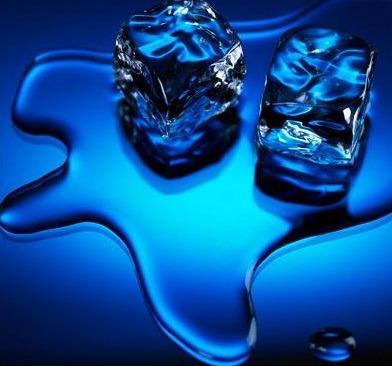
  • When thermal energy is being pulled from our bodies we feel that as cold.

3

Endo vs Exo

  • Endo means something is moving toward or into a substance or object.

  • Exo means that something is moving out

  • Endothermic means the thermal energy is being pulled into the object or substance, so it feels cold to us.

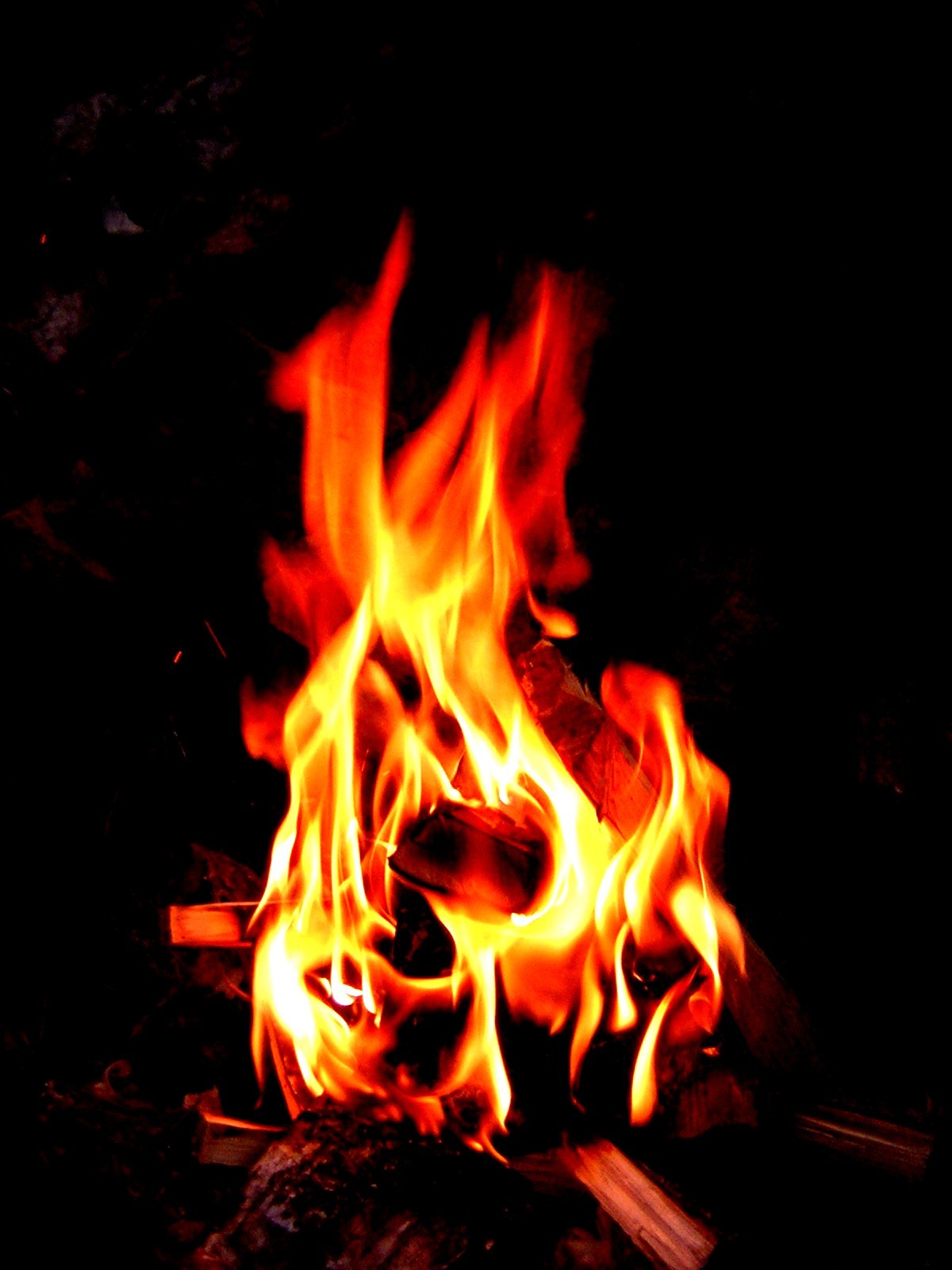
  • Exothermic means thermal energy is being released from the object or substance, so it feels hot to us.

4

Multiple Choice

What type of chemical reaction absorbs energy and requires energy for the reaction to occur?

1

Endothermic

2

Exotermic

3

Exothermic

4

Endotermic

5

Multiple Choice

What term is given to a reaction which transfers heat energy to the surroundings?

1

Endothermic

2

Reversible

3

Exothermic

4

Exotermic

6

Why do I care?

  • If a chemical reaction releases more energy than it takes in, it is exothermic. We use these types of reactions all of the time for our benefit.

  • Example: Gasoline and additives are very exothermic when they burn. We use this energy to push large hunks of metal down the road.

  • Example: If you have ever cooked over a flame or eaten bbq, the reason it was able to be cooked is the exothermic reaction of propane burning.

7

Why do I care? Continued

  • Endothermic reactions are one way that organism store energy for later use.

  • Your cells use a molecule called ATP to store energy. It is a very endothermic reaction that takes in energy in order to store it so the cell can used it when it wants.

  • Sugar is another example of an endothermic reaction. Plants take in the energy of the sun to form a new substance, sugar, to store energy for a longer time than ATP can.

8

Multiple Choice

Question image

____ reactions usually feel cold.

1

endothermic

2

exothermic

9

Multiple Choice

In an endothermic reaction, energy is _________.

1

absorbed

2

released

10

Multiple Choice

Question image

_____ reactions usually feel hot!

1

endothermic

2

exothermic

11

Multiple Choice

When calcium reacts with water, the temperature changes from 18°C to 39°C. Which statement is correct?

1

The solution at the end is acidic

2

The reaction is reversible

3

The reaction is exothermic

4

The reaction is endothermic

12

Multiple Choice

When barium hydroxide and ammonium chloride react, the temperature of the mixture decreases. What kind of reaction is this?

1

Endothermic

2

Decomposition

3

Exothermic

4

Indothermic

13

Don't forget the five ways you can physically change a substance or object

  • Change of Shape

  • Change of Temperature

  • Change of Texture

  • Change of State of Matter

  • Change of Color

14

Also remember: 5 Evidences of a chemical change

  • Unexpected Change in Color

  • Unexpected Change in Temp (Endothermic or Exothermic)

  • Precipitate forms

  • Bubbles (Gas is released)

  • Combustion/burning

15

Multiple Choice

Question image

Evaporating Water

1

Physical Change

2

Chemical Change

16

Multiple Choice

Question image

Slicing Bread

1

Physical Change

2

Chemical Change

17

Multiple Choice

Question image

Cooking Pancakes

1

Physical Change

2

Chemical Change

18

Multiple Choice

Rotting banana

1

Physical Change

2

Chemical Change

19

Multiple Choice

Question image

Blowing up a balloon

1

Physical Change

2

Chemical Change

20

Multiple Choice

Question image

Lighting a Match

1

Physical Change

2

Chemical Change

21

Multiple Choice

Question image
1
Physical Change
2
Chemical Change

22

Multiple Choice

Question image
1
Physical Change
2
Chemical Change

23

Multiple Choice

Question image
What is the evidence of the chemical change seen here?
1
Color change
2
Light produced
3
state change
4
mixture

24

Multiple Choice

Question image
What is a physical property of this table? 
1
Brown
2
Flammable
3
Reactive to Acid

25

Multiple Choice

A chemical reaction accompanied by the releasing of heat. 
1
Endothermic
2
Exothermic
3
Mesothermic
4
Misothermic

26

Multiple Choice

Evidence of a physical change.
1
New substance
2
Shape Change
3
Light produced
4
Gas released.

27

Multiple Choice

Question image
Which of the following is a physical change?
1
precipitate
2
color change
3
change in temperature (colder, hotter)
4
gas/bubbles

28

Multiple Choice

Question image
Which evidence demonstrates that a chemical change has occurred.
1
water level rises
2
water becomes cloudy
3
gas is produced (bubbles)
4
tablet dissolves

29

Multiple Choice

Question image
Which of the following is NOT evidence that that a chemical reaction has occurred?
1
produces light/heat
2
production of a gas
3
formation of a precipitate
4
melting

30

Multiple Choice

Evidence of a chemical reactions is anything that shows - 
1
a new substance has formed
2
a solid dissolved in a liquid
3
interaction between 2 gases
4
a change in the state of matter

31

Multiple Choice

Which of the following is an example that includes evidence of a chemical reaction?
1
A sample of zinc is placed in water and it settles to the bottom
2
A solid block of ice is heated and it completely melts into a liquid. 
3
Sugar that is burned gives off an odor and turns brown and then black.
4
A tomato is placed into a blender and chopped up into smaller pieces.

32

Multiple Choice

A student places a piece of a potato into a container of hydrogen peroxide. One observation the student makes is that bubbles form around the potato. The presence of bubbles might indicate the formation of a new substance because bubbles - 
1
could show that a gas is forming
2
always rise to the top of a liquid. 
3
are almost always perfectly spherical.
4
usually burst after a few minutes.

33

Multiple Choice

A student mixes two clear liquids together. After a few minutes, a white powdery solid can be seen settling on the bottom of the test tube. Which of the following is a conclusion that the student can draw based on these observations? The two clear liquids-

1

were pure substances before they were mixed

2

are toxic and should be handled with extreme caution

3

have gone through a chemical change in which a new substance called a precipitate was produced

4

have been stored too long and are no longer good

34

Multiple Choice

Question image
1
Physical Change
2
Chemical Change

35

Multiple Choice

Question image
1
Physical Change
2
Chemical Change

Endothermic and Exothermic

Slide image

Show answer

Auto Play

Slide 1 / 35

SLIDE