

Scientific Revolution

Presentation
•
Social Studies
•
9th Grade
•
Practice Problem
•
Medium

Monica Ciechon
Used 186+ times
FREE Resource
10 Slides • 11 Questions
1
Scientific Revolution
2
Poll
Do you believe in science?
Yes
No
I question it sometimes
3
Poll
Is it important to study and be introduced to science in high school?
Yes
No
4
Poll
Which areas of science interest you most? You can pick more than one.
Physical Science/Physics
Environmental Science
Medical Science
Biology
Chemistry
5
The Main Idea
As a result of the Renaissance and the Reformatiion people started to question the world around them.
Science developed as the systematic study of the structure and behaviour of the physical and natural world through observation and experiment.
A period of scientific revolution developed from the mid 1500s through the 1700s.
6
Multiple Select
Which statements best define the word revolution?
a forcible overthrow of a government or social order, in favor of a new system.
a dramatic and wide-reaching change in the way something works or is organized or in people's ideas about it.
an instance of revolving.
a peroid of great stability and little change.
7
What exactly took place?
Scientists challenged traditional beliefs about the world
They emphasized careful observation of the natural world using the Scientific Method
People became less interested in God and the Church and more centered on learning
8
Multiple Select
Why would the Catholic Church be resistant to science?
science undermines the authority of the Church
the Church sees some scientific practices as sins
people will be more focused on secular or worldly pursuits
9
Multiple Choice
The Scientific Method is...
the way scientists make problems and ask questions.
the way scientists answer questions and solve problems.
the way scientists never solve problem.s
10
Scientists practiced the Scientific Method
A logical approach for gathering and testing ideas.
Scientists form a hypothesis and then experiment and collect data.
Data is analyzed and a conclusion is reached.
11
Nicholas Copernicus
and the Heliocentric Theory

12
Multiple Choice
The heliocentric theory claimed that
the earth was the center of the solar system.
the moon was the center of the solar system.
the sun was the center of the solar system.
13
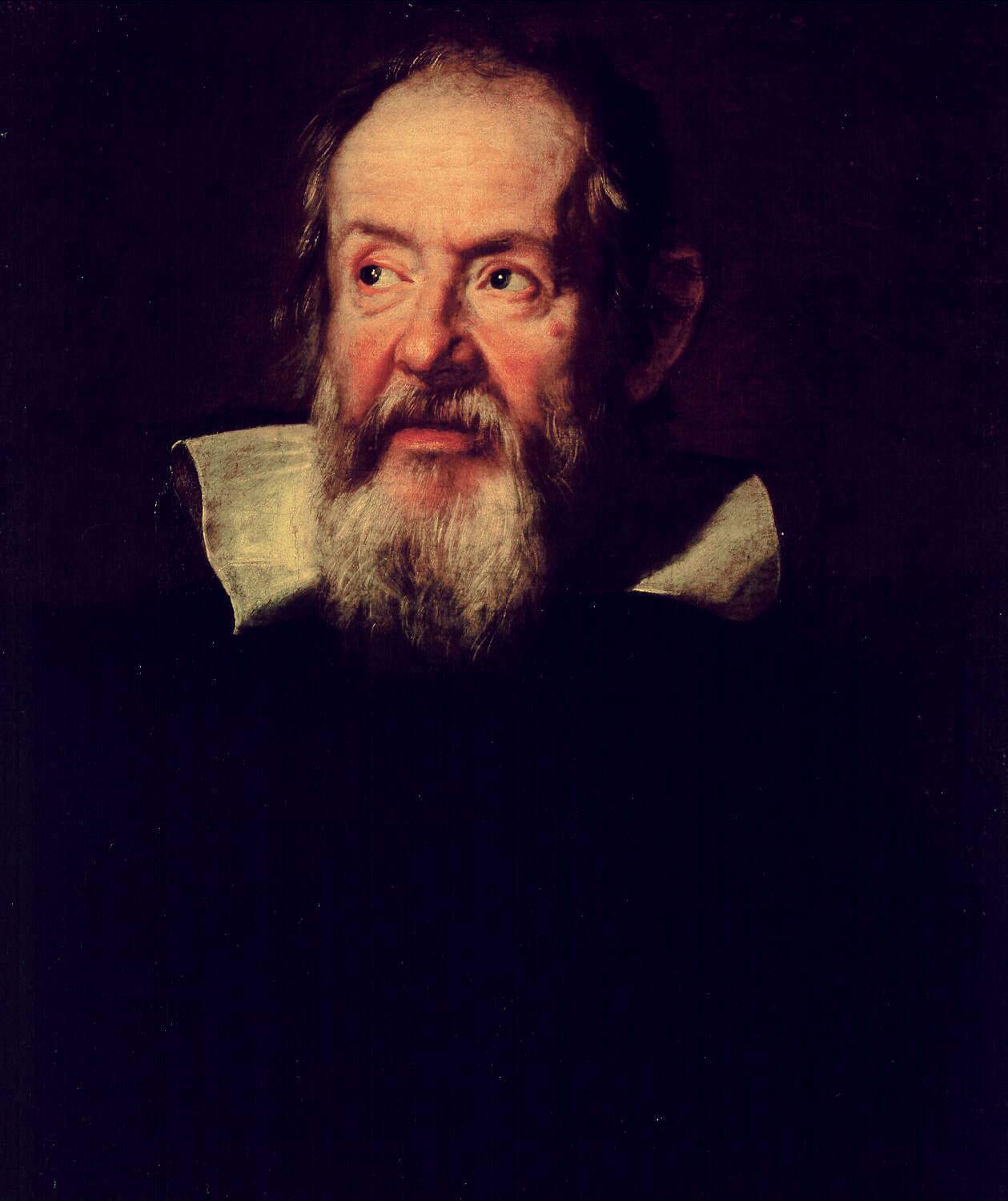
Galileo Galilei
Scientist, Professor, Inventor, Heretic
14
Multiple Choice
Do you know what Galileo invented?
the telescope
the telegram
the telephone
the television
15
Multiple Choice
Galileo was accused by the Catholic Church of being a heretic. What does that mean?
He supported Church teachings.
He went against Church teachings publically. Teaching new ideas.
He disagreed with the Church but never publically.
16
Johannes Kepler
Ellipitical Orbits

17
Multiple Choice
What shape is an ellipse?
round
triangular
oval
18
Sir Isaac Newton
Father of Physics

19
Multiple Choice
Sir Isaac Newton is famous for...
discovering gravity.
discovering the atom.
creating the period table.
20
Developments in Medicine took place too...
blood flows from the heart through the veins and arteries
dissection of the body allowed further discovery to understand the body
anatomy and physiology were practiced and studied
new scientific instruments were created
21
Could there be more? YES!!
chemistry developed
engineering will lead to new machines and industrialization
and many more fields of science have developed and grown over the centuries
We are surrounded by science daily!!
Scientific Revolution
Show answer
Auto Play
Slide 1 / 21
SLIDE
Similar Resources on Wayground

18 questions
Early Republic and Jackson Review
Presentation
•
8th Grade
14 questions
Ancient Greece Democracy
Presentation
•
8th Grade
18 questions
Age of Revolutions Wrap up
Presentation
•
10th Grade
17 questions
Scientific Revolution
Presentation
•
9th Grade
17 questions
Evaluating Information --Practice
Presentation
•
9th Grade
13 questions
Lesson 2.5.2 - Life During the Civil War
Presentation
•
8th - 9th Grade
17 questions
Beginning of the Vietnam War
Presentation
•
10th Grade
18 questions
New South - Tom Watson and Populist Party
Presentation
•
8th Grade
Popular Resources on Wayground
10 questions
How much do you know about our Portrait of an Eagle?

Quiz
•
10th Grade
10 questions
Fast Food Slogans
Quiz
•
6th - 8th Grade
21 questions
Continents and Oceans
Quiz
•
6th Grade
20 questions
Parts of Speech
Quiz
•
5th Grade
16 questions
Subject & Predicate
Quiz
•
5th Grade
25 questions
Multiplication Facts
Quiz
•
5th Grade
12 questions
Map Skills
Quiz
•
3rd Grade
22 questions
Continents and Oceans
Quiz
•
5th Grade
Discover more resources for Social Studies
10 questions
Exploring the Age of Exploration: Key Events and Figures

Interactive video
•
6th - 10th Grade
10 questions
Exploring the 13 Colonies Regions
Interactive video
•
6th - 10th Grade
46 questions
Unit 1 Test REVIEW Ancient Greece and Rome
Quiz
•
9th - 12th Grade
10 questions
Exploring Ancient Mesopotamia Through Song
Interactive video
•
6th - 10th Grade
12 questions
supply and demand shifters
Quiz
•
9th - 12th Grade
16 questions
Unit 3 Personal Finance Guided Notes
Presentation
•
9th - 12th Grade
18 questions
Code of Hammurabi
Quiz
•
9th Grade
16 questions
Middle Ages Vocabulary
Quiz
•
6th - 9th Grade