SCIENCE YEAR 7 REVIEW PACKET HW
Presentation
•
Science
•
6th Grade
•
Medium
+13
Standards-aligned
Gil legaspi
Used 13+ times
FREE Resource
1 Slide • 52 Questions
1
SCIENCE YEAR 7 REVIEW PACKET
HCIS
2
Multiple Choice
3
Multiple Choice
What adaptation is represented by the image?
Dormancy
Camouflage
Hibernation
Seed Dispersal
4
Multiple Choice
What is the advantage of having different shaped beaks?
To look different from other species.
To be able to eat the food readily available in the environment.
To protect itself against predators.
To protect itself against prey.
5
Multiple Choice
An inherited trait that helps those organisms that have it to survive
niche
structure
characteristic
adaptation
6
Multiple Choice
Diagram 1 shows a type of animal with shell. How can this specific characteristics help to protect the turtle from enemies?
Big shell that fits its body
Hard shell that protects its soft body
Hard shell that scares other animals
Heavy shell that is difficult to be lifted
7
Multiple Choice
The primary consumer in this food chain is the ____________.
Frog
Eagle
Grasshopper
Python
8
Multiple Choice
9
Multiple Choice
10
Multiple Choice
which one is a Producer?
11
Multiple Select
An animal that hunts and eats other animals.
Pick 3 answers.
herbivore
carnivore
predator
prey
consumer
12
Multiple Choice
What are the main sources of water pollution?
Plastic, Paper, and Metal
Snails in water
Help, there is a boot with a snake inside of it that somehow in the nearby lake.
Agriculture, Industry, and Community
13
Multiple Choice
We can prevent water pollution by:
Reduce the use of plastic.
Properly dispose of chemicals.
Clean up after your animals.
All of the above
14
Multiple Select
Water pollution occurs when:
Harmful substances enter a water supply
Industries dispose of waste safely and correctly.
Industries cut costs with waste disposal.
None of the above.
15
Multiple Choice
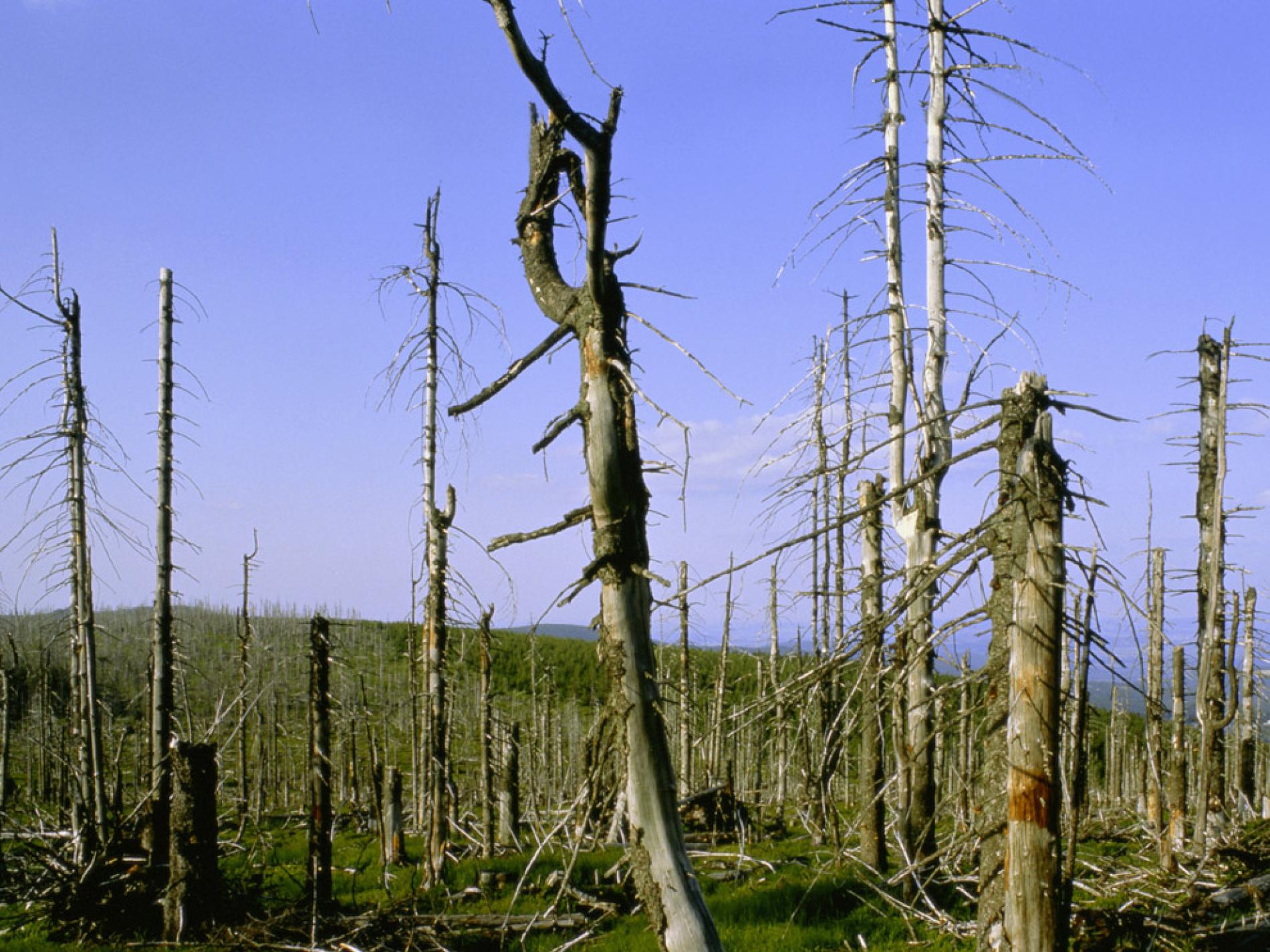
Burning fossil fuels cause ________ that cause pollution.
temperature decrease
headaches
emissions
natural pollution
16
Multiple Choice
17
Multiple Choice
18
Multiple Choice
One way to stop the destruction of ozone is vy reducing human created pollutants.
true
false
19
Multiple Choice
What happens to form ozone gas?
Oxygen molecules interact with the UV rays from the Sun.
Chlorine molecules interact with the UV rays from the Sun.
Oxygen and chlorine molecules produce a gas.
20
Multiple Choice
What harmful health effects do scientist say that the UV radiation that passes through our "shield" will cause?
increase in skin cancer
immune deficiencies
cataracts
all of the answers
21
Multiple Choice
The amount of ozone protecting us is decreasing.
True
False
22
Multiple Choice
Renewable energy resources?
Do not release harmful emissions to the atmosphere.
They do not diminish and they are restored naturally.
All the above
23
Multiple Choice
Bio-fuel and geothermal energy are examples of?
Non-renewable energy resources
Hydro energy
Renewable energy resources
None of the above
24
Multiple Choice
Renewable energy resources are?
Resource that cannot be readily replaced by natural means on a level equal to its use.
Invisible resources
Renewable resources that can be naturally restored.
All the above
25
Multiple Choice
Renewable energy resources are?
Resource that cannot be readily replaced by natural means on a level equal to its use.
Invisible resources
Renewable resources that can be naturally restored.
All the above
26
Multiple Choice
Which of the following characteristic is not affected by the environment at all?
natural hair colour
accent
hair length
bodyweight
27
Multiple Choice
28
Multiple Choice
Which one does not belong to the group?
giant panda
durian
apple
mango
29
Multiple Choice
Which one does not belong to the group?
giant panda
durian
apple
mango
30
Multiple Select
Which 2 answers are examples of vascular plants.
31
Multiple Choice
A flowering plant that has seeds protected by fruit.
angiosperm
gymnosperm
vertebrate
xylem
32
Multiple Choice
A flowering plant that has seeds protected by fruit.
angiosperm
gymnosperm
vertebrate
xylem
33
Multiple Choice
My body is warm, I have fur, feed my young on milk, and have live births. What am I?
Reptile
Bird
Mammal
Fish
34
Multiple Choice
35
Multiple Choice
What are vertebrates?
Animals with a backbone
Animals without a backbone
36
Multiple Choice
Which group are all the same classification?
lobster, coral, hermit crab
Shrimp, jellyfish , bluebottle
mussel, octopus, scallop
Sea cucumbers, starfish, pipi
37
Multiple Choice
Animals and plants differ because
Animals are found on land and the water while plants are only on land.
Plants only need water to survive.
Animals can survive without the sun and water
Animals give off CO2 and plants need to make food by photosynthesis.
38
Multiple Choice
Invertebrate are animals
Without a backbone
Have a spine
Has a backbone made of cartilage
That look like plants
39
Multiple Choice
40
Multiple Choice
41
Multiple Choice
42
Multiple Choice
43
Multiple Choice
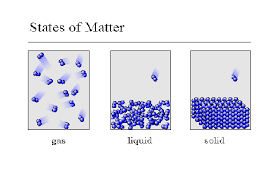
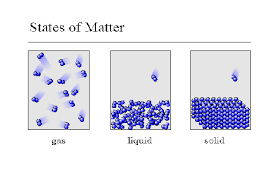
What are the states of matter?
solid, liquid, and juice
solid and liquid
solid and gas
solid, liquid, and gas
44
Multiple Choice
45
Multiple Choice
46
Multiple Choice
If this ice cream scoop melts, what will change?
color
shape
flavor
47
Fill in the Blanks
Type answer...
48
Fill in the Blanks
Type answer...
49
Multiple Choice
Have a high melting point
Metals
Non-Metals
50
Multiple Choice
What does a pH scale do?
Tells if a substance is an acid or base
Measures the strength and weakness of acids and bases
Both statements are correct
51
Multiple Choice
52
Multiple Choice
What is an acid?
a chemical substance that neutralizes alkalis, dissolves some metals, and turns litmus paper red
Has a pH of 11
Has a pH of 7
53
Multiple Choice
This type of rock is a rock that has changed from another type of rock.
Igneous
Sedimentary
Metamorphic
SCIENCE YEAR 7 REVIEW PACKET
HCIS
Show answer
Auto Play
Slide 1 / 53
SLIDE

Similar Resources on Wayground
49 questions
Galaxies Guided Lesson
Presentation
•
6th Grade
47 questions
Non-renewable energy lesson
Presentation
•
6th Grade
49 questions
Lessons
Presentation
•
6th Grade
45 questions
Unit 1 Lesson 3: Erosion and Deposition by Water
Presentation
•
6th Grade
52 questions
LEAP REVIEW #1
Presentation
•
6th Grade
48 questions
Earth's Movements (Seasons, Day/Night)
Presentation
•
6th Grade
52 questions
Solar System Exploration Review Honors 22-23
Presentation
•
6th Grade
43 questions
Intro to the Solar System
Presentation
•
6th Grade
Popular Resources on Wayground
16 questions
Grade 3 Simulation Assessment 2
Quiz
•
3rd Grade
19 questions
HCS Grade 5 Simulation Assessment_1 2526sy
Quiz
•
5th Grade
10 questions
Cinco de Mayo Trivia Questions
Interactive video
•
3rd - 5th Grade
17 questions
HCS Grade 4 Simulation Assessment_2 2526sy
Quiz
•
4th Grade
24 questions
HCS Grade 5 Simulation Assessment_2 2526sy
Quiz
•
5th Grade
13 questions
Cinco de mayo
Interactive video
•
6th - 8th Grade
20 questions
Math Review
Quiz
•
3rd Grade
30 questions
GVMS House Trivia 2026
Quiz
•
6th - 8th Grade
Discover more resources for Science
16 questions
Interactions within Ecosystems
Presentation
•
6th - 8th Grade
20 questions
Rocks and The Rock Cycle
Quiz
•
6th Grade
20 questions
Human Body Systems
Quiz
•
6th Grade
15 questions
Punnett Squares
Quiz
•
6th Grade
20 questions
Food webs and food chains
Quiz
•
4th - 6th Grade
21 questions
Tides Review 6.9B
Quiz
•
6th Grade
10 questions
Exploring the Rock Cycle
Interactive video
•
6th - 8th Grade
20 questions
Cells! Cell Theory and Characteristics of Eukaryotes/Prokaryotes
Quiz
•
6th Grade