
Sexual vs. Asexual Reproduction
Presentation
•
Science
•
7th Grade
•
Practice Problem
•
Medium
+1
Standards-aligned
Randi Kelleher
Used 17+ times
FREE Resource
8 Slides • 16 Questions
1
Sexual vs. Asexual Reproduction
Unit 4 Notes
2
Open Ended
What is asexual reproduction?
3
Asexual Reproduction
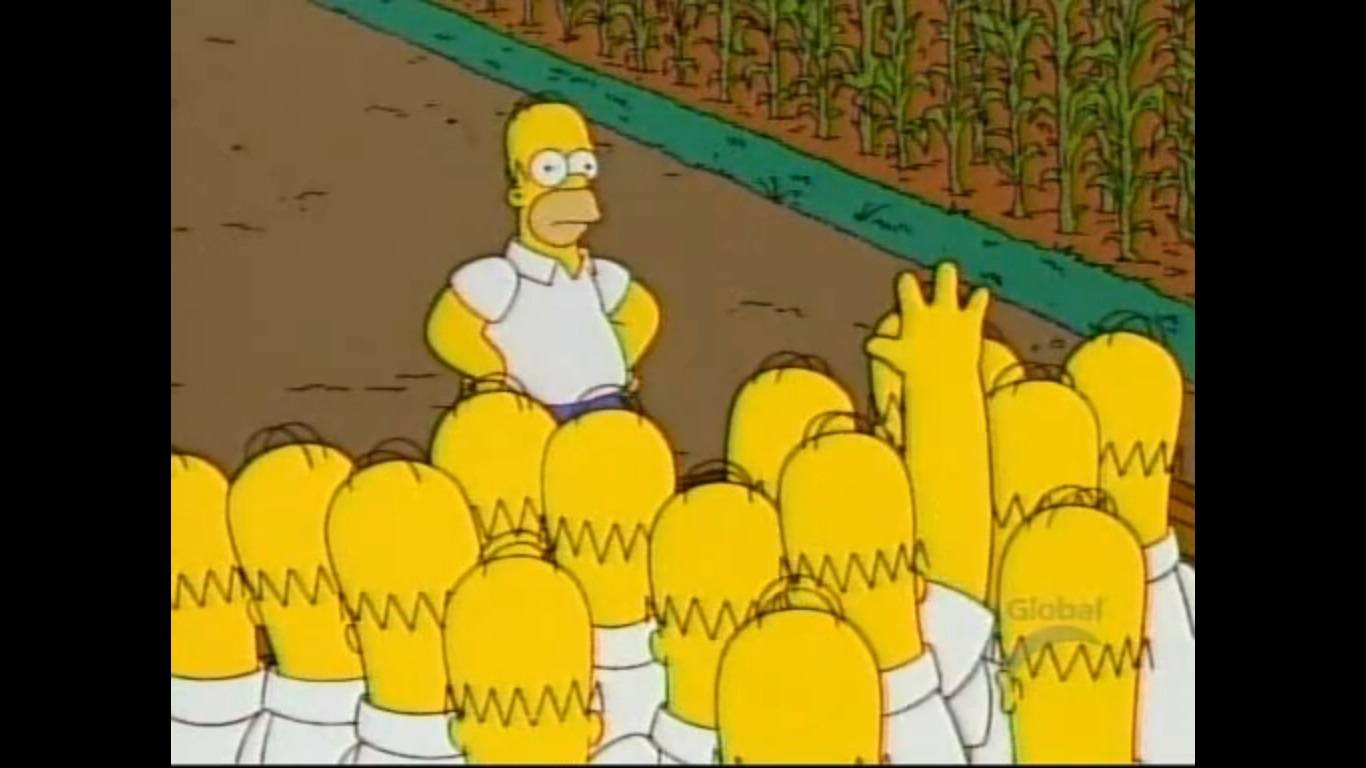
Asexual reproduction involves only one parent and reproduces genetically identical offspring.
Due to the lack of genetic variance these offspring tend to be small in size and simpler in complexity.
4
Asexual Reproduction
Organisms that undergo asexual reproduction tend to have many offspring that are smaller and less diverse. Asexual organisms do not focus as much on raising and nurturing their young because so many are produced per time. The gestation period is also shorter for asexual organisms because they produce smaller and simpler offspring.
5
Example of Asexual Reproduction
6
Sexual Reproduction
Sexual reproduction involves two organisms each contributing genes and traits to pass to the offspring.
This possible combination of genes leads to more genetic variance from offspring to offspring.
7
Sexual Reproduction
The gestation period for sexually reproduced organisms does take longer to complete and there are fewer organisms conceived this way per gestation period.
Since fewer offspring are produced at a time in this way, the parents spend time raising and nurturing the young for a period of time.
8
Example of Sexually reproducing organisms
9
10
Multiple Choice
11
Multiple Choice
12
Multiple Choice
onto future generations
13
Multiple Choice
14
Multiple Choice
15
Multiple Choice
16
Multiple Choice
17
Multiple Choice
18
Multiple Choice
This process is NOT a type of asexual reproduction ...
fusion
binary fission
19
Multiple Choice
Reproducing asexually will produce offspring ...
genetically different from each other
genetically identical to the parent
20
Multiple Choice
Penguins lay 1-2 fertilized eggs that the male and female take turns incubating on their feet. What type of reproduction does this example represent?
Sexual reproduction
Asexual reproduction
21
Multiple Choice
California blackworms, also known as mudworms, are able to break apart. Each body section that broke apart is able to become an identical new worm. What type of reproduction does this example represent?
Sexual reproduction
Asexual reproduction
22
Multiple Choice
All of the offspring of an organism have the same genetic material, which is identical to the parent organism. From this, we can conclude that this organism -
makes its own food
is unicellular
live in a marine habitat
reproduces asexually
23
Multiple Choice
24
Multiple Choice
Sexual vs. Asexual Reproduction
Unit 4 Notes

Show answer
Auto Play
Slide 1 / 24
SLIDE

Similar Resources on Wayground
17 questions
Photosynthesis
Presentation
•
7th Grade
17 questions
7th Grade levels of organization
Presentation
•
7th Grade
17 questions
Heredity (Inherited vs Acquired Traits)
Presentation
•
7th Grade
20 questions
Variations Notes
Presentation
•
7th Grade
19 questions
Dominance and Expression of Genes
Presentation
•
7th Grade
21 questions
Classification Study Guide Lesson
Presentation
•
7th Grade
19 questions
Photosynthesis
Presentation
•
6th Grade
17 questions
Evolution
Presentation
•
7th Grade
Popular Resources on Wayground
16 questions
Grade 3 Simulation Assessment 2
Quiz
•
3rd Grade
19 questions
HCS Grade 5 Simulation Assessment_1 2526sy
Quiz
•
5th Grade
10 questions
Cinco de Mayo Trivia Questions
Interactive video
•
3rd - 5th Grade
17 questions
HCS Grade 4 Simulation Assessment_2 2526sy
Quiz
•
4th Grade
24 questions
HCS Grade 5 Simulation Assessment_2 2526sy
Quiz
•
5th Grade
13 questions
Cinco de mayo
Interactive video
•
6th - 8th Grade
20 questions
Math Review
Quiz
•
3rd Grade
30 questions
GVMS House Trivia 2026
Quiz
•
6th - 8th Grade
Discover more resources for Science
16 questions
Interactions within Ecosystems
Presentation
•
6th - 8th Grade
20 questions
genetics, punnett squares, heredity
Quiz
•
7th Grade
16 questions
Photosynthesis and Cellular Respiration Review
Quiz
•
7th Grade
20 questions
Food Webs + Energy Pyramids
Quiz
•
7th Grade
10 questions
Exploring the Rock Cycle
Interactive video
•
6th - 8th Grade
10 questions
Exploring Earth's Seasons and Their Causes
Interactive video
•
6th - 8th Grade
26 questions
Amplify Chemical Reactions
Quiz
•
6th - 8th Grade
19 questions
Natural and Artificial Selection
Quiz
•
7th Grade