

Agonist ,Antagonist, Synergist & Fixators

Presentation
•
Other
•
12th Grade
•
Practice Problem
•
Medium

Tiffany Morris
Used 41+ times
FREE Resource
24 Slides • 10 Questions
1
Origin & Insertion
kinesiology

2
Muscle movers
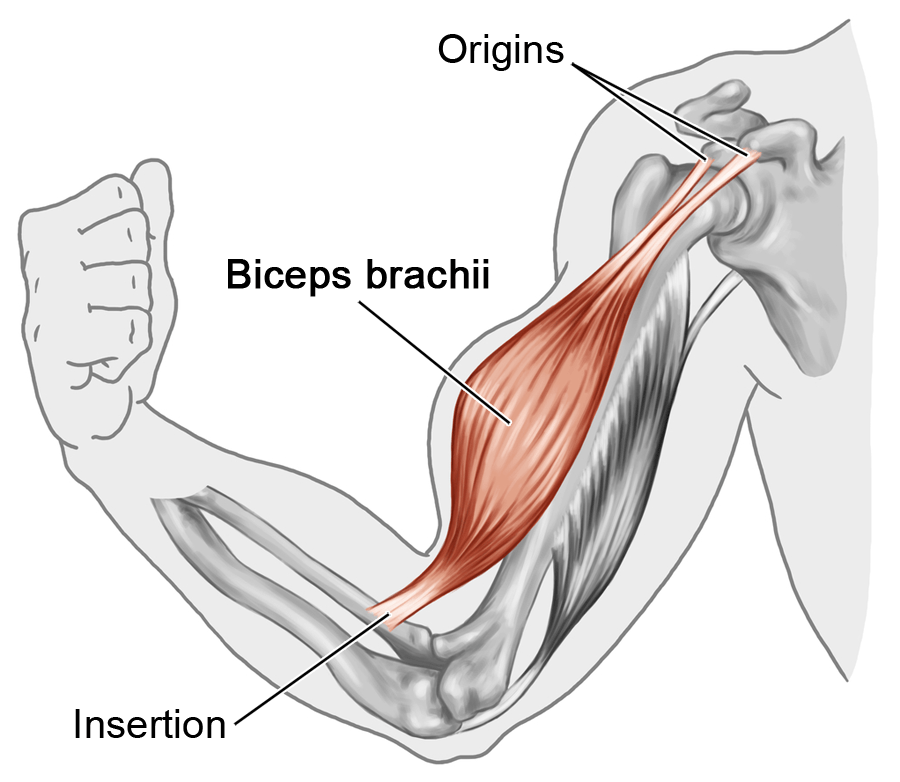
A muscle attaches to bone at two or more places. If the place is a bone that remains in place for an action, the attachment is called an origin. If the muscle moves the bone during the action, the attachment is called an insertion. This action usually takes place over a joint.

3
pectoralis major
The origin- Clavicular part: anterior( front) surface of medial (middle) half of clavicle. &
Sternocostal part: anterior (Front)surface of sternum, Costal cartilages of ribs
The insertion- Bicipital Groove

4
Multiple Choice
5

6
Deltoids
ORIGIN. Lateral( to the side ) of clavicle, acromion, spine of scapula to tubercle of deltoid
Insertion. Lateral( to the side of) surface of humerus (deltoid tuberosity)

7
Multiple Choice
8

9
Muscle Actions Have Prime Movers, Synergists, Stabilizers, and Antagonists
Many muscles can be involved in an action. Some terminology may allow you to identify the action of a muscle in movement.

10
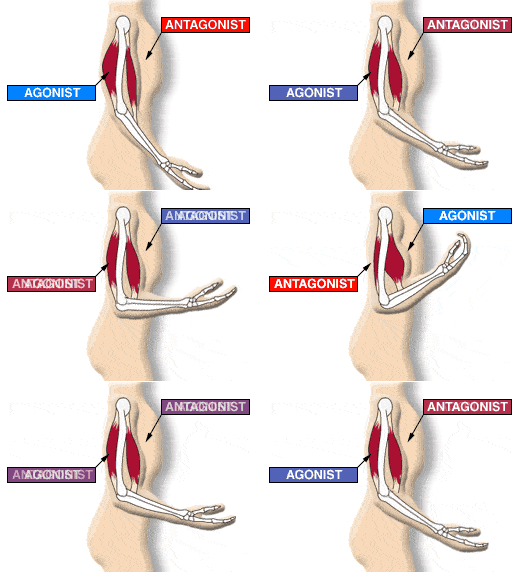
agonist and antagonist muscles
Antagonist and agonist muscles often occur in pairs. As one muscle contracts, the other relaxes. An example of this pairing is the biceps and triceps. To contract, the triceps relaxes while the biceps contracts to lift the arm. Reverse motions requires these muscles to switch roles. The triceps are now the agonist while the biceps are the antagonist.
These muscle actions are located in opposite sides of a joint or bone and act to open or close the angle between them.
11

Knee Flexion- Study the action
12
Multiple Choice

In knee flexion, which is the agonist?
(one that is contracting or getting shorter)
13
Prime mover
The agonist in a movement is the muscle that provides the major force to complete the movement. Because of this agonists are known as the 'prime movers'

14
Hip Extension
The person doing hip extensions is going to be sore tomorrow. What muscle did most of the work to cause it to be sore?

15
Multiple Choice

Which is the prime mover?
16

17
Synergist Muscles
The hip extension preformed by the gluteus maximus got a little help from the hamstrings. Muscles like these are called synergist muscles. Synergist muscles perform, or help perform, the same set of joint motion as the agonists.
During forearm flexion, for example lifting a cup, the biceps brachii is the prime mover. Because it can be assisted by the brachialis, the brachialis is called a synergist in this action .

18
prime mover of jaw closure is the masseter
What muscle is helping as the synergist?

19
Multiple Choice

What muscles acts as the syngerist to the masseter?
20
Fixator
A synergist can also be a fixator that stabilizes the muscle's origin. Fixators help hold your body in a certain position so the agonists and antagonists have a stable base to work. They preform an isometric muscle contraction which means it does not move. The majority of fixator muscles are found working around the hip and shoulder joints

21
Lets put it all together
These are all the muscles you use to preform a squat.

22

23
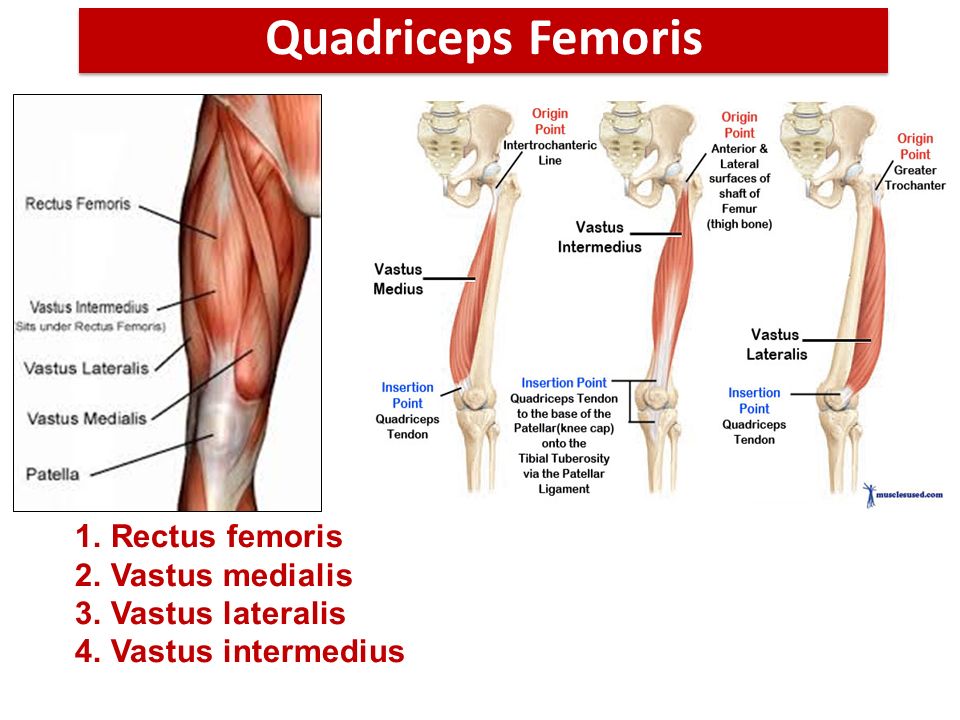
The main agonist or prime mover muscles used in a squat are the quadriceps
rectus femoris, vastus lateralis, vastus medialis, and vastus intermedius. They originate at the ilium (upper part of the pelvis, or hipbone) and femur (thighbone), come together in a tendon surrounding the patella (kneecap), and insert at (are attached to) the tibia (shinbone).
24
Multiple Choice
25
A muscle that supports the agonist that works around a joint is called a synergist. Muscles that work together in achieving the entire movement are called synergists. Glutes, gastrocnemius, hip flexors would be examples of this in a squat.
These muscles are all lengthened during the movement.

26
finally...
The fixator in a movement is the muscle that stabilizes the origin of the agonist and the joint that the origin moves over. In order to help the agonist function most effectively which in this example would be the core muscles.

27
Multiple Choice

Quadriceps originate at the ilium (upper part of the pelvis, or hipbone) and femur (thighbone), come together in a tendon surrounding the patella (kneecap), and insert at (are attached to) the tibia (shinbone). so we are looking for muscles that will support the pelvis since our origin is on the ilium.
28
Lets try arm flexion
bicep curl

29

30
Multiple Choice

What is the agonist and what is the antagonist in a bicep curl?
31
Helping agonist biceps are the brachialis and brachioradialis
What are these types of muscles called?

32
Multiple Choice

What are muscles called that help the agonist preform an action?
33
What muscle do think will act as a fixator to help stabilize the biceps near its origin?
deltoids, pectorals, or triceps
34
Multiple Choice

What is the fixator muscle in a bicep curl?
Origin & Insertion
kinesiology
Show answer
Auto Play
Slide 1 / 34
SLIDE


