Search Header Logo
Biomes and Adaptations

Biomes and Adaptations

Assessment

Presentation

Science

7th Grade

Practice Problem

Medium

NGSS
MS-LS2-1, MS-ESS2-6, MS-LS2-4

+10

Standards-aligned

Created by

Rachael Lasky

Used 611+ times

FREE Resource

8 Slides • 17 Questions

1

Biomes and Adaptations

Slide image

2

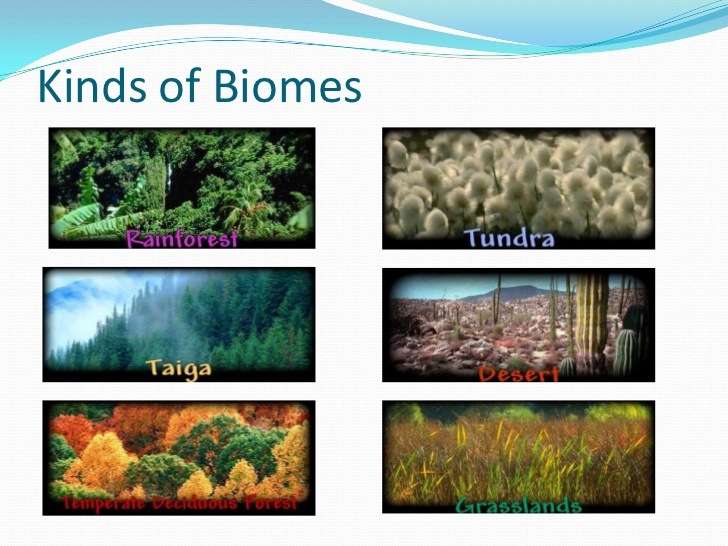
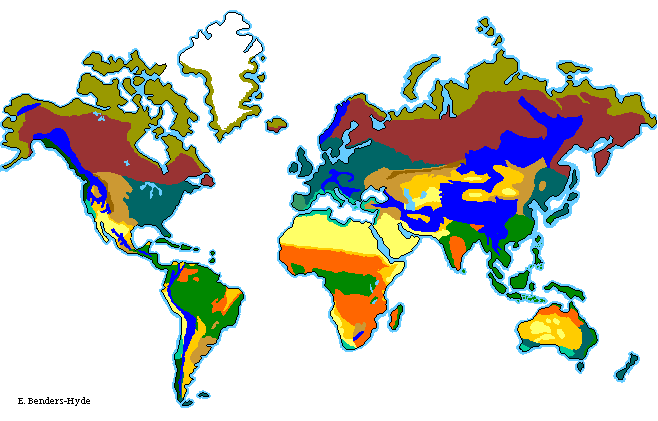
What is a Biome?

Groups of ecosystems Characterized by similar climate (average weather conditions) and organisms living there

Slide image

3

Multiple Choice

Question image
What is the main factor that separates the biomes?
1
Land
2
Water
3
Climate
4
Longitude

4

Multiple Choice

Question image
A large ecosystem is called a ______
1
Ecosystem
2
Habitat
3
Biome
4
Niche

5

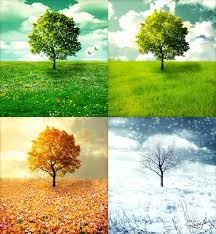
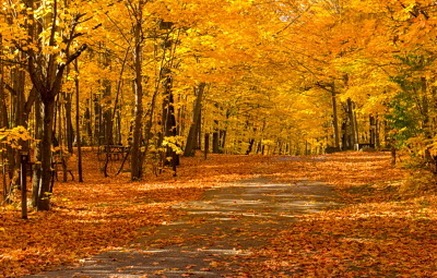
Review: Deciduous Forest

  • Trees lose leaves in the winter

  • Trees have big, broad leaves to absorb sun in the summer

  • 4 seasons

Slide image

6

Review: Taiga

  • Tall, Triangular Coniferous Trees

  • Very cold!

  • Lots of snow

Slide image

7

Review: Tropical Rainforest

  • Highest biodiversity

  • Lots of rain

  • Green year round!

  • Found by equator

Slide image

8

Multiple Choice

Question image
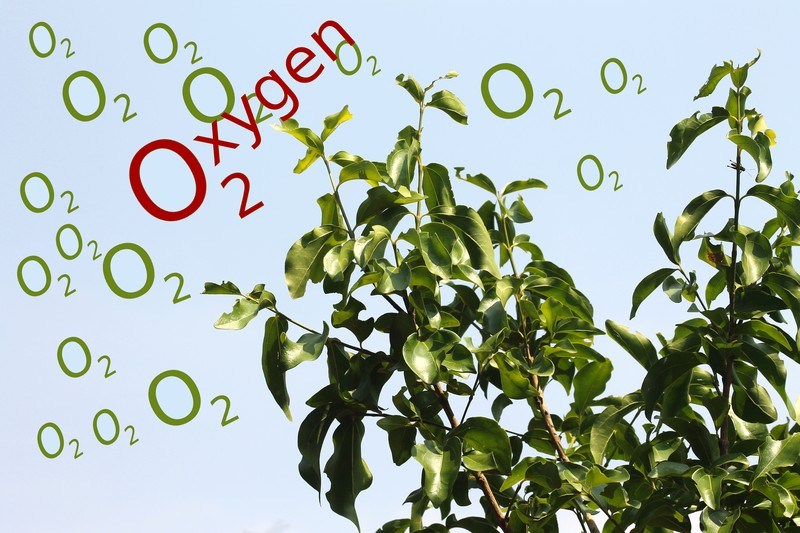
Which biome produces over 50% of the world's oxygen?
1
Rainforest
2
Temperate Forest
3
Grasslands
4
Taiga

9

Multiple Choice

Question image
Which biome has 4 seasons?
1
Taiga
2
Tundra
3
Grasslands
4
Temperate Forest

10

Multiple Choice

Question image
Which biome has the most variety of plants and animals?
1
Temperate Forest
2
Rainforest
3
Tundra
4
Grasslands

11

Multiple Choice

Question image

Which biome has deciduous trees (trees that lose their leaves)?

1

Temperate Forest

2

Rainforest

3

Grasslands

4

Taiga

12

Multiple Choice

Question image

A large ecosystem is called a/an ---

1

Ecosystem.

2

Habitat.

3

Biome.

4

Niche.

13

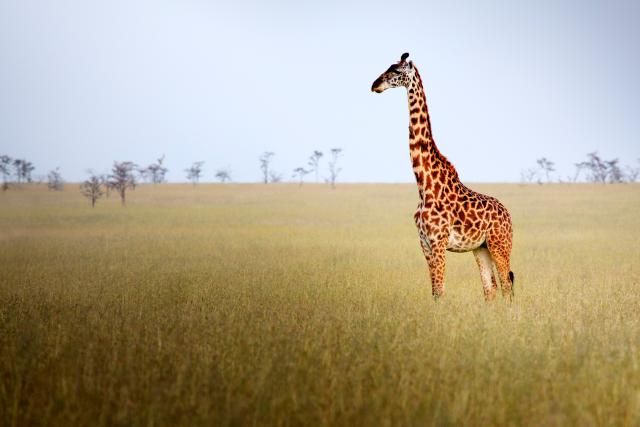
Review: Grassland

  • Lots of grasses

  • Soil is rich

  • Used for farmland


Slide image

14

Multiple Choice

Question image

Which biome is home to lions, zebras, wildebeests, giraffes, and elephants?

1

Grasslands

2

Tundra

3

Rainforest

4

Temperate Forest

15

Review: Desert

  • Poor soil

  • Hot days and Cold nights

  • Water is scarce

Slide image

16

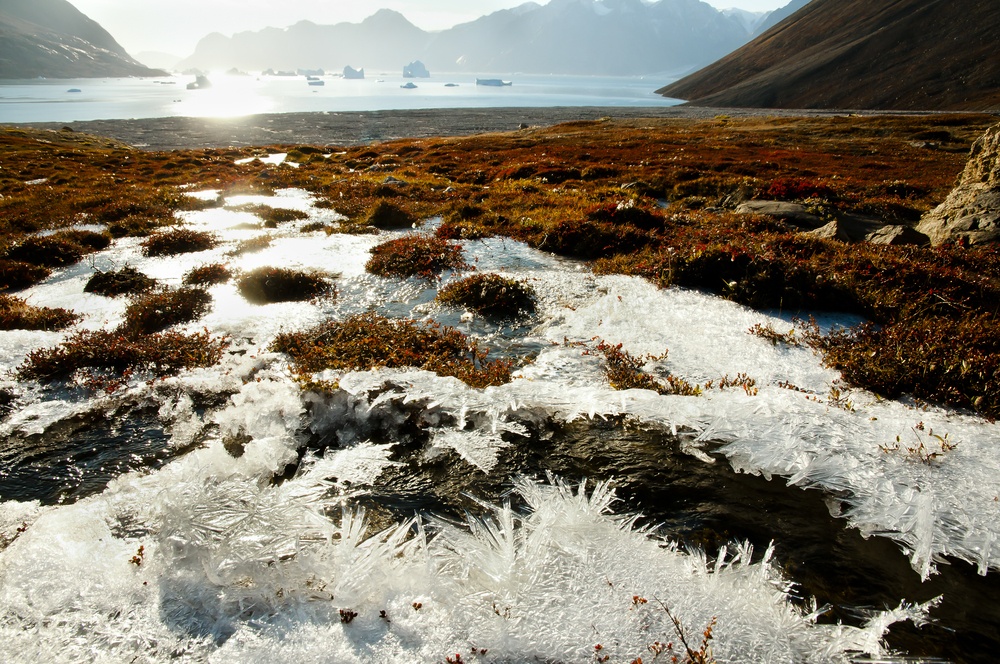
Review: Tundra

  • COLD

  • Layer of permafrost (permanently frozen ground)

  • NO trees

Slide image

17

Multiple Choice

Question image

Which biome has permafrost?

1

Temperate Forest

2

Rainforest

3

Taiga

4

Tundra

18

Multiple Choice

Which biome is characterized by coniferous trees, such as spruce, fir and pine as the dominant species of plant growth?

1

taiga

2

tropical rain forest

3

tundra

4

desert

19

Multiple Choice

Some plants have spines to help protect them from predators.


Why did these plants develop this adaptation?

1

They needed sun and nutrients.

2

They needed water.

3

They needed protection.

4

They needed to reproduce.

20

Multiple Choice

Some desert plants have waxy leaves to help them retain water.


Why did these plants develop this adaptation?

1

They needed sun and nutrients.

2

They needed water.

3

They needed protection.

4

They needed to reproduce.

21

Multiple Choice

Some rainforest vines grow up the trunk of trees to get closer to the sunlight.


Why did this plant develop this adaptation?

1

It needed sun and nutrients.

2

It needed water.

3

It needed protection.

4

It needed to reproduce.

22

Multiple Choice

Traveling done by an animal to find food and water. 
Adaption: birds flying south for the winter
1
Camouflage
2
Migration
3
Hibernation
4
Locomotion

23

Multiple Choice

A resting state through the winter. 
Adaptation: Bear sleeping in a cave during the winter months
1
Locomotion
2
Hibernation
3
Migration
4
Defense

24

Multiple Choice

Plants with spines and waxy leaves are well suited for life in which environment?
1
Desert
2
Temperate forest
3
Grassland
4
Tropical Rainfroest

25

Multiple Choice

How do adaptations help animals?
1
To escape animals
2
to hunt for food
3
to survive in their habitats
4
All of these are correct

Biomes and Adaptations

Slide image

Show answer

Auto Play

Slide 1 / 25

SLIDE