Search Header Logo
  1. Resource Library
  2. Science
  3. Biology
  4. Ecological Relationships
  5. Ecosystem Relationships
Ecosystem Relationships

Ecosystem Relationships

Assessment

Presentation

•

Science

•

7th Grade

•

Practice Problem

•

Medium

•
NGSS
MS-LS2-2, MS-LS2-1, MS-LS2-3

+1

Standards-aligned

Created by

Alex Harding

Used 775+ times

FREE Resource

8 Slides • 17 Questions

1

Ecosystem Relationships

media

2

Symbiosis

  • Two different species living in close contact.

  • Different Types: Mutualism, Commensalism, Parasitism

media

3

Mutualism

Win Win Situation: Both species benefit


One example: The human body is home to more than 10,000 species of bacteria! They help us digest food, protect our immune system, and absorb nutrients. The bacteria get food and a home!

media

4

Multiple Choice

Which interaction benefits both organisms?
1
A flea living on a dog
2
A bee pollinating a flower
3
A tapeworm living inside an animal
4
A mosquito biting a person

5

Multiple Choice

Ostriches and gazelles feed next to each other. They both watch for predators. Because the visual abilities of the two species are different, they can each identify threats that the other animal may not see as readily.

1

symbiosis

2

parasitism

3

mutualism

4

commensalism

6

Parasitism

Win Lose Situation : One benefits and one is harmed. Host and Parasite.


One example: Tape worms live inside an animals digestive tract an "steal" nutrients from the host.

media

7

media
media

8

Multiple Choice

What is the organism that is harmed in a parasitic relationship?
1
parasite
2
host
3
consumer
4
producer

9

Multiple Choice

Which symbols best describe parasitism?
1
+,+
2
+,-
3
+,0
4
-,0

10

Commensalism

One benefits, the other is not helped or harmed.


One example: Barnacles and whales. Barnacles get food and a home, the whale doesn't mid having some barnacles on it.

media

11

Multiple Choice

Relationship where one organism benefits and the other is neither harmed nor helped
1
Commensalism
2
Parasitism
3
Mutualism
4
Competition

12

Multiple Choice

Question image
Cattle egrets forage (feed) in fields among cattle. The egret gets easy access to flying insects stirred up by the cattle, and the cattle don't care if they are there or not.
1
mutualism
2
commensalism
3
competition
4
parasitism

13

Multiple Choice

Question image
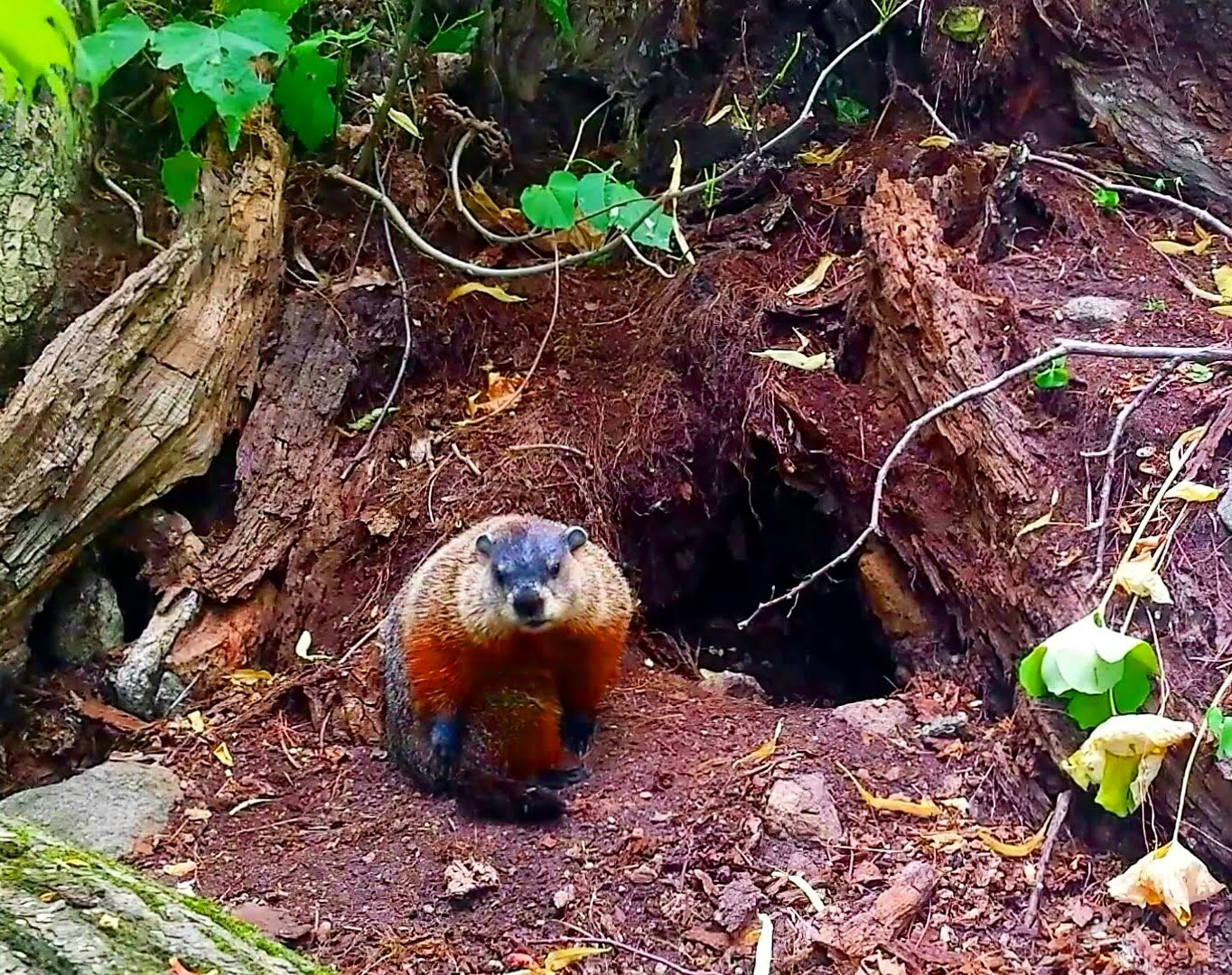
What type of symbiosis?  Skunks often live in burrows that have been dug and abandoned by woodchucks.  
1
commensalism
2
mutualism
3
parasitism
4
predation

14

Predation

  • One animal becomes the resource for another.

  • Predator - Prey

  • Helps control the size of a population

media

15

Multiple Choice

One organism hunts and eats another organism.

1

predation

2

mutualism

3

carnivore

4

parasitism

16

Multiple Choice

A 3-point buck is killed by a hunter. What type of symbiotic relationship is this?
1
mutualism
2
commensalism
3
parasitism
4
predation

17

Competition

  • Organisms are competing for resources

  • Can be a competition with members of the SAME species or with members of a DIFFERENT species that use the same resource

media

18

Multiple Choice

I am the struggle that takes place among organisms for food, water, and others needed to live. 
1
competition
2
decomposer
3
energy pyramid
4
producer

19

Multiple Choice

Question image

Competition in an ecosystem occurs when

1

animals get bored.

2

more than one individual or population in an ecosystem relies (needs) the same limited resource.

3

there is more than enough of a resources for every living organism.

4

resources are unlimited.

20

Multiple Choice

Which Relationship: A stinging sea anemone lives on the claws of a boxing crab. The crab uses the anemones like boxing gloves to protect itself.

1

Competition

2

Mutualism

3

Parasitism

4

Commensalism

21

Multiple Choice

Which Relationship: As a colony of braconid wasps undergo metamorphosis, they live on a hornworm and digest its insides, causing the worm to die.

1

Predation

2

Mutualism

3

Parasitism

4

Commensalism

22

Multiple Choice

Which relationship causes one species to become the resource (biotic factor) for another species??

1

Symbiosis

2

Competition

3

Predation

23

Multiple Choice

A limited supply of food and shelter in the same habitat will lead to -
1
mutualism
2
parasitism
3
competition
4
environmental changes

24

Multiple Choice

Question image

According to the graph, what is causing the deer population to decrease

1

They got sick

2

The wolf population is decreasing

3

The wolf population increased

4

They ran out of food

25

Multiple Choice

Which of the following symbiotic relationships is considered parasitic?
1
Ticks feeding on a dog
2
Bees transporting pollen from flowers
3
Pilotfish swimming under sharks
4
Birds eating the insects fromo the back of hippo

Ecosystem Relationships

media

Show answer

Auto Play

Slide 1 / 25

SLIDE