Search Header Logo
U4C1: DNA Structure & Replication

U4C1: DNA Structure & Replication

Assessment

Presentation

•

Biology

•

9th - 11th Grade

•

Practice Problem

•

Medium

•
NGSS
HS-LS1-1, HS-LS3-1

Standards-aligned

Created by

Zach Boor

Used 20+ times

FREE Resource

35 Slides • 13 Questions

1

DNA Structure & Replication

Unit 4: Genetics

Concept 1

Slide image

2

As we go through this lecture, add notes to your DNA model!

You can use this on your test, so add what you think will be useful!

Slide image

3

Slide image

4

Slide image

5

Multiple Choice

Question image

Why is DNA important?

1

it is very small and very complicated

2

it's in everything

3

it serves as the blueprint for traits of all living things

4

because we eat it every day for energy

6

Slide image

7

Draw a picture of a nucleotide on your DNA model

  • Sugar

  • Phosphate group

  • Nitrogen base

8

Slide image

9

Label the at least one of each nucleotide on your DNA model

A = Adenine

T = Thymine

G = Guanine

C = Cytosine

10

Slide image

11

Slide image

12

Slide image

13

Slide image

14

Slide image

15

Multiple Choice

Which sequence of DNA bases would pair with this partial strand
ATG TGA CAG
1
ATG TGA CAG
2
TAC ACT GTC
3
GTA AGT GAC
4
CAT TCA CTG

16

Multiple Choice

Question image
Nitrogenous bases are joined by which type of bond?
1
polar bonds
2
ionic bonds
3
covalent bonds
4
hydrogen bonds

17

Multiple Choice

Question image
In a molecule of double-stranded DNA, the amount of Adenine present is always equal to the amount of
1
cytosine
2
guanine
3
thymine
4
uracil

18

Multiple Choice

A monomer of DNA is called a(n)
1
Monosaccharide
2
Amino Acid
3
Triglyceride
4
Nucleotide

19

Slide image

20

Slide image

21

Slide image

22

Slide image

23

Slide image

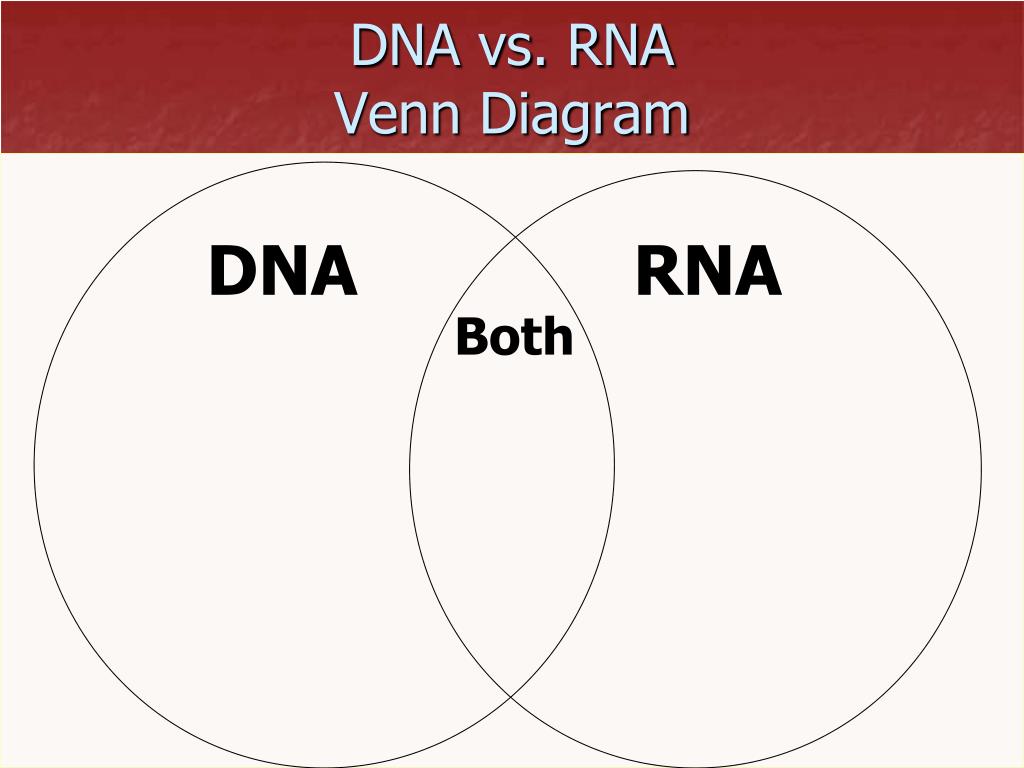
Draw and fill in the Venn Diagram based on what we have discussed

24

Slide image

25

Slide image

26

Slide image

27

Slide image

28

Slide image

29

30

Pick out 2 colors to draw a picture with

  • 1st color = old strand

  • 2nd color = new strand

  • Follow along with video to draw your own picture!

Slide image

31

32

Slide image

33

Slide image

34

Slide image

35

Slide image

36

Slide image

37

Slide image

38

Slide image

39

Slide image

40

41

Multiple Choice

The process of DNA replication is called semi conservative because it results in

1

none of these

2

Two DNA molecules. One original molecule and one with two new strands

3

two exact copies with new strands

4

two identical molecules, each with 1 original strand and one new.

42

Multiple Choice

In what phase of the cell cycle does DNA replication take place?
1
G1
2
S
3
G2
4
M

43

Multiple Choice

Question image

order of replication

1

3, 4, 2, 1

2

3, 1, 4, 2

3

2, 1, 4, 3

4

3, 4, 1, 2

44

Multiple Choice

DNA replication results in two DNA molecules,
1
each one with two original strands
2
each one with two new strands
3
each one with one new strand and one original strand
4
one with two new strands and the other with two original strands

45

Multiple Choice

Okazaki fragments are found on the _______________ strand

1

Leading

2

Lagging

46

Multiple Choice

Which enzyme seals okazaki fragments together on the lagging strand?

1

Topoisomerase

2

Helicase

3

Polymerase

4

Ligase

47

Multiple Choice

If a strand reads:
3' A A A T T T C 5'
The matching strand would read...
1
5' T T T A A A G 3'
2
3' T T T A A A G 5'
3
5' A A A T T T C 3'
4
3' U U U A A A G 5'

48

Multiple Choice

DNA polymerase is a(n)

1

lipid

2

enzyme

3

sugar

4

starch

DNA Structure & Replication

Unit 4: Genetics

Concept 1

Slide image

Show answer

Auto Play

Slide 1 / 48

SLIDE