

Evolution of Plant Transport System

Presentation
•
Science
•
9th - 12th Grade
•
Medium
Standards-aligned

LUCY MORISSET
Used 114+ times
FREE Resource
9 Slides • 11 Questions
1
Evolution of Plant Transport System
2/18/21

2
Multiple Choice
3
Multiple Choice
4
Multiple Choice
5
Multiple Choice
6
Multiple Choice
7
The Rise of the Vascular Plants
a.k.a "tracheophytes"
Contain Tracheid cells- hollow tubelike cells found in xylem tissue
Vascular plants have two transport tissues: Xylem (zylum) & Phloem (flohum)

8
The Rise of the Vascular Plants (cont'd)
The role of xylem is to carry water upward from the roots to every part of the plant
Each tracheid cells in these tissue contain a "pit region" which allows water to be transferred from one cell to the next (assembly line)
9
The Rise of the Vascular Plants
The role of phloem is to transport the nutrients & carbohydrates produced by photosynthesis
Vascular tissues allow for plants to move fluids through their bodies against gravity...w/in "limits"

10
The Rise of the Vascular Plants (cont'd)
The evolution of vascular tissue permitted the evolution of roots, tree-sized plants, and allowed plants to spread into dry areas of land
11
Multiple Choice
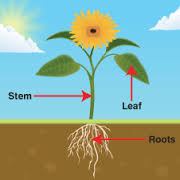
Plants that have true roots, stems and leaves are called ____.
12
13

What is a seed? To be, or not to be? That is the question!
14
Gymnosperms vs Angiosperms
Gymnosperms= seed-bearing vascular plants whose seeds are exposed to the environment on scales of cones instead of enclosed in a fruit
"Seed- plant embryo & its food supply encased in a protective covering"
Similarities in DNA sequence = seed plants descended from a common ancestor

15
Gymnosperms vs Angiosperms (cont'd)
Angiosperms = plants that bear seeds in a closed ovary (special structure found within the flower)
The great majority of plant species (approx. 260,000)
As seeds mature, ovaries develop into fruits that help to disperse the seeds to new locations
16
Multiple Choice
17
Multiple Choice
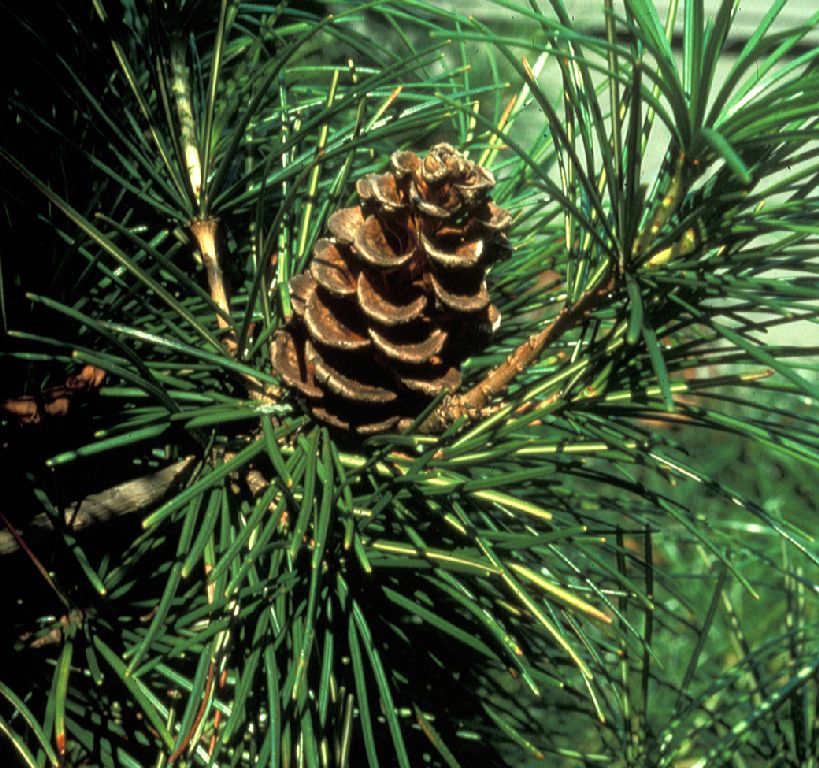
Which statement best describes a gymnosperm?
18
Multiple Choice

Vascular tissue (tubes) responsible for the transportation of water and minerals up from the roots and around the plant.
19
Multiple Choice
20
Multiple Choice
Evolution of Plant Transport System
2/18/21
Show answer
Auto Play
Slide 1 / 20
SLIDE


