Search Header Logo
Classification of PLANTS

Classification of PLANTS

Assessment

Presentation

•

Science

•

6th - 7th Grade

•

Medium

Created by

Akbar Torayev

Used 16+ times

FREE Resource

10 Slides • 17 Questions

1

Classification of PLANTS

Plant Kingdom

Slide image

2

Linnaean system of classification

Living organisms are classified into groups depending on their structure and characteristics.

The classification of species allows the subdivision of living organisms into smaller and more specialised groups.

Slide image

3

Slide image

Non vascular

4

Slide image


5

Multiple Select

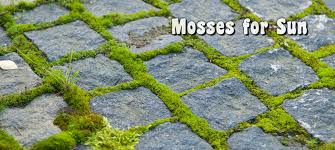
Click the features of MOSSES

1

Very small plants

2

Reproduce by seeds

3

Reproduce bt spores

4

Have thin leaves

5

Live in damp and shady places

6

Slide image

7

Multiple Select

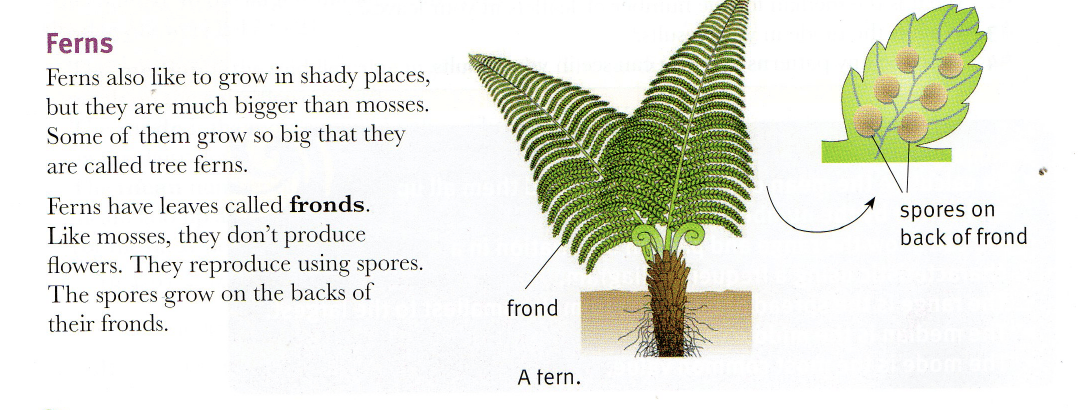
Click the features of FERNS

1

Bigger plants than mosses which lives in shady places

2

Reproduce by seeds

3

Reproduce by spores

4

Have leaves called fronds

5

Spores grow at the back of fronds

8

Slide image

9

Slide image

10

Slide image

11

Multiple Select

Click the features of CONIFERS

1

Most of them grow into big trees

2

Have leaves called waxy thin needles

3

Reproduce by spores

4

Reproduce by seeds

5

Seeds produced in cones instead of flowers

12

Slide image


13

Slide image

14

Multiple Select

Click the features of FLOWERING PLANTS

1

The flowering plants, also known as Angiospermae

2

Most diverse group of plants

3

Reproduce by spores in flowers and fruits

4

Reproduce by seeds in flowers and fruits

5

Example of flowering plant is watermelon

15

Multiple Choice

Question image

Which plant below would scientist group with watermelon plants?

1

fern

2

rose

3

pine tree

4

apple tree

16

Multiple Choice

Question image
Which of these is not a plant?
1
evergreen
2
flower
3
wheat 
4
mushroom

17

Multiple Choice

Question image
1
cycad
2
conifer
3
gnetophyte
4
horsetail

18

Multiple Choice

Question image

Which of the following is NOT true of mosses ?

1

They are non-vascular

2

They have roots, stems, and leaves

3

They grow in moist places

4

They are small and low-growing

19

Multiple Choice

Question image

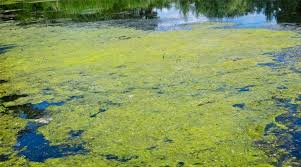
Algea

1

Flowering

2

Non Flowering

20

Multiple Choice

Using water from the soil, carbon dioxide from the air, and energy from the sun to make food

1

classification

2

xylem

3

photosynthesis

4

fertilization

21

Multiple Choice

Question image
The dots on the back of this fern plant are tiny reproductive cells called
1
chloroplasts
2
anthers
3
spores
4
ovaries

22

Multiple Choice

Question image

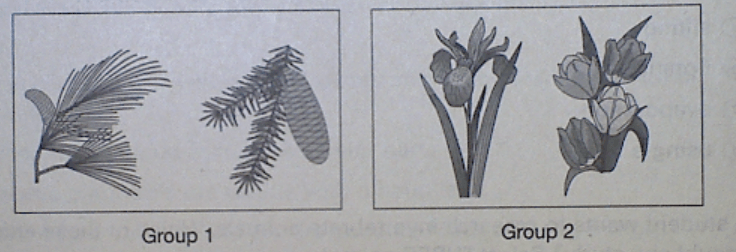
A student researches four plants that are in the same group. He sorts the plants into two smaller groups.

How does the student MOST LIKELY sort the plants?

1

by seed size

2

by flower shape

3

by whether they have cones or flowers

4

by whether they produce seeds or spores

23

Multiple Choice

Question image

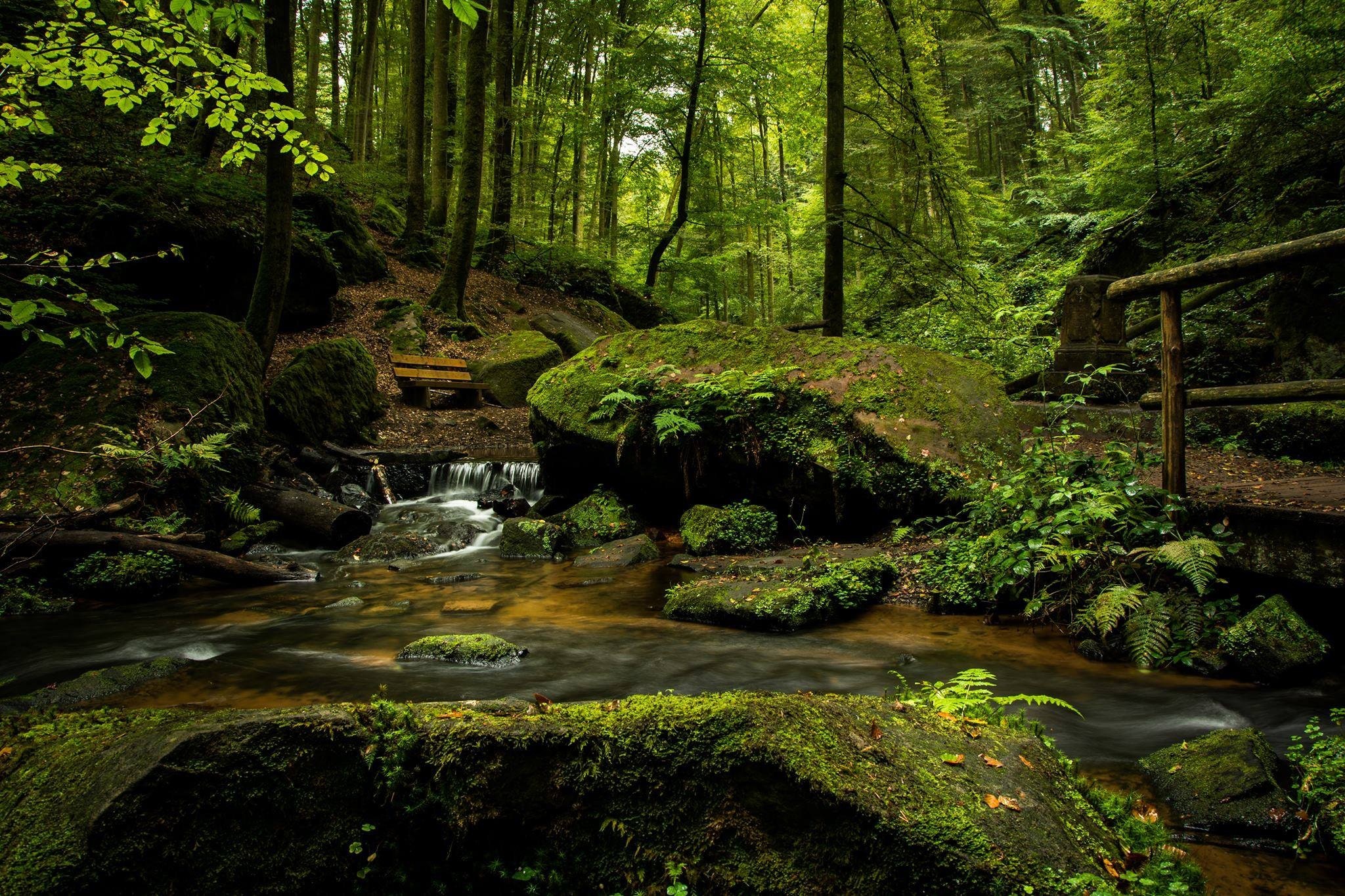
Does the moss in this picture reproduce using seeds?

1

yes

2

no

24

Multiple Choice

Question image

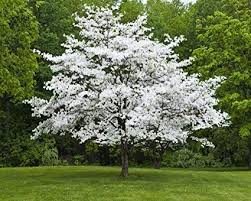
Dogwood Tree

1

Flowering

2

Non Flowering

25

Multiple Select

Question image

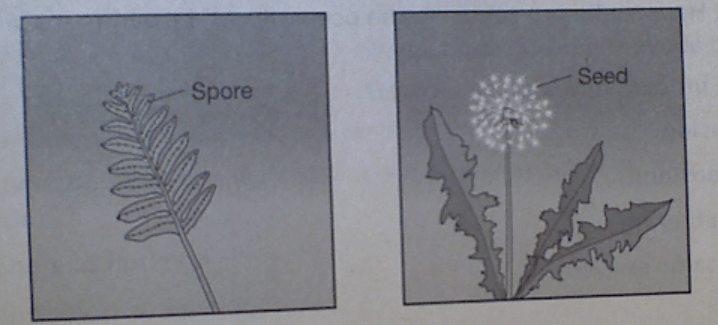
A student draws two plants. How do the plants compare.

Select 3 answers.

1

They are both coniferous plants.

2

They both have stems and leaves.

3

They reproduce in different ways.

4

They get energy in different ways.

5

They both use photosynthesis to make food.

26

Multiple Choice

Question image

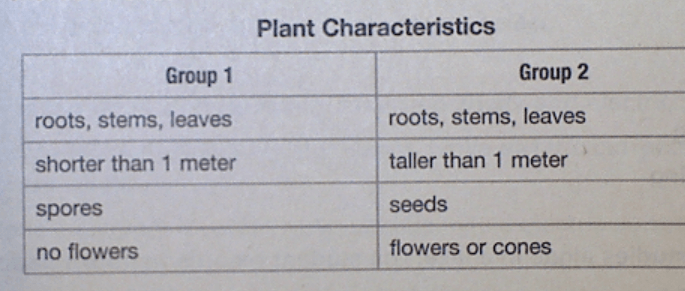
A student researches several plants. She then groups them according to their characteristics.

Which are MOST LIKELY the names of the plant groups.

1

ferns, trees

2

mosses, flowering plants

3

spore producers, seed producers

4

flowering plants, coniferous plants

27

Multiple Choice

Question image

Is a fern classified as a seed or non-seed plant?

1

seed plant

2

non-seed plant

pattern-tertiary

Classification of PLANTS

Plant Kingdom

Slide image

Show answer

Auto Play

Slide 1 / 27

SLIDE