

Unit IV Chapter Review

Presentation
•
Social Studies
•
9th - 12th Grade
•
Hard

Dr. Sara Davis-Leonard
FREE Resource
16 Slides • 15 Questions
1
Unit IV Chapter Review
Sensation and Perception

2
Multiple Choice
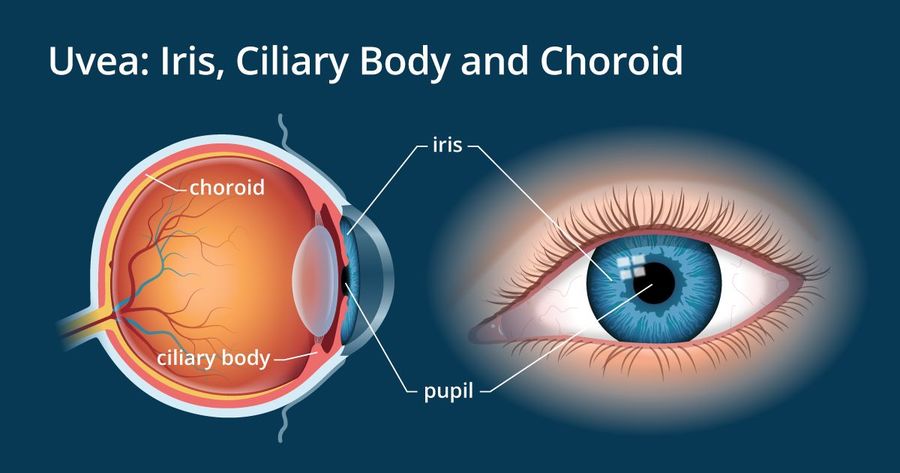
What is the purpose of the iris?
to focus light on the retina
to process color
to allow light into the eye
to enable night vision
to detect specific shapes
3
4
Multiple Choice
___________ are neurons that fire in response to specific edges, lines, angles & movements are called what?
Rods
Genes
Ganglion Cells
Feature detectors
Bipolar Cells
5

6
Multiple Choice
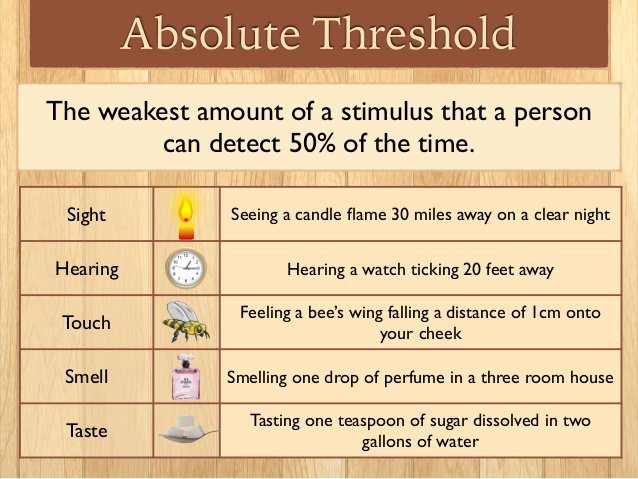
Signal detection theory is most closely associated with which perception process?
Vision
Sensory adaptation
Absolute thresholds
Smell
Context effects
7
8
Multiple Choice
Which of the following represents perceptual constancy?
We recognize the taste of McDonald's food each time we eat it.
In photos of people, the people almost always are perceived as figure and everything else as ground.
We know that the color of a printed page has not changed as it moves from sunlight into shadow.
From the time they are very young, most people can recognize the smell of a dentist's office.
The cold water in a lake doesn't seem so cold after you have been swimming in it for a few minutes.
9

10
Multiple Choice
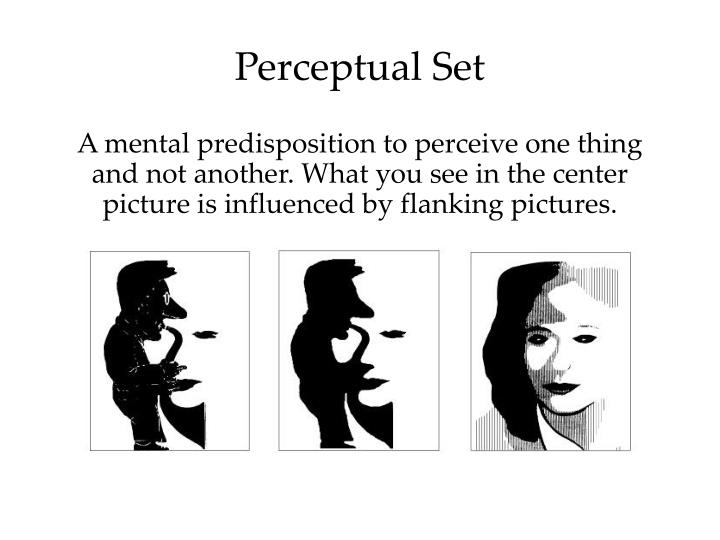
Our tendency to see faces in clouds and other ambiguous stimuli is partly based on what perception principle?
Selective attention
ESP
Perceptual Set
Shape constancy
Bottom-up Processing
11
12
Multiple Choice
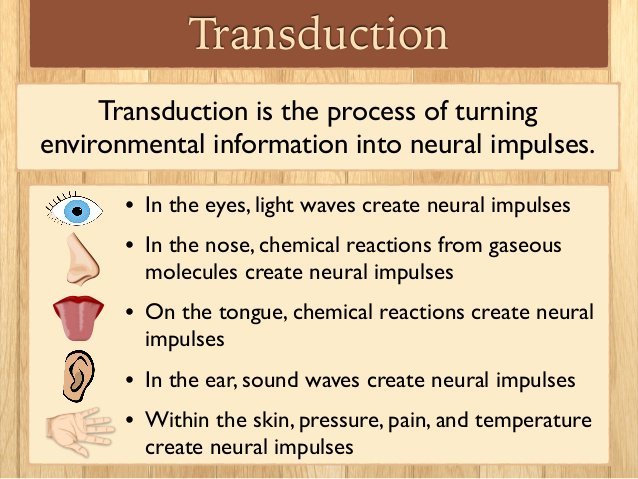
The process by which rods and cones change electromagnetic energy into neural messages is called what?
adaptation
accomodation
parallel processing
transduction
perceptual setting
13
14
Multiple Choice
Which of the following is most likely to influence our memory of a painful event?
The overall length of the event
The intensity of pain at the end of the event
The reason for the pain
The amount of rest you've had in the 24 hours preceding the event
The specific part of the body that experiences the pain
15
16
Multiple Choice
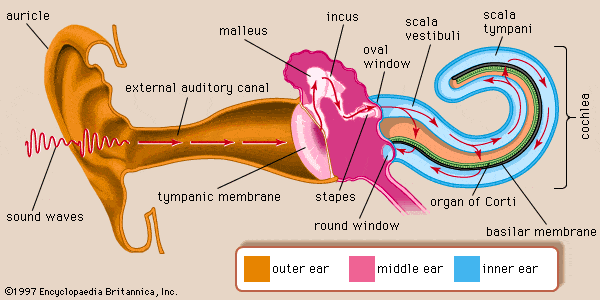
Frequency theory relates to which element of the hearing process?
Rate at which the basilar membrane vibrates
Number of fibers in the auditory nerve
point at which the basilar membrane exhibits the most vibration
decibel level of a sound
number of hair cells in each cochlea
17
18
Multiple Choice
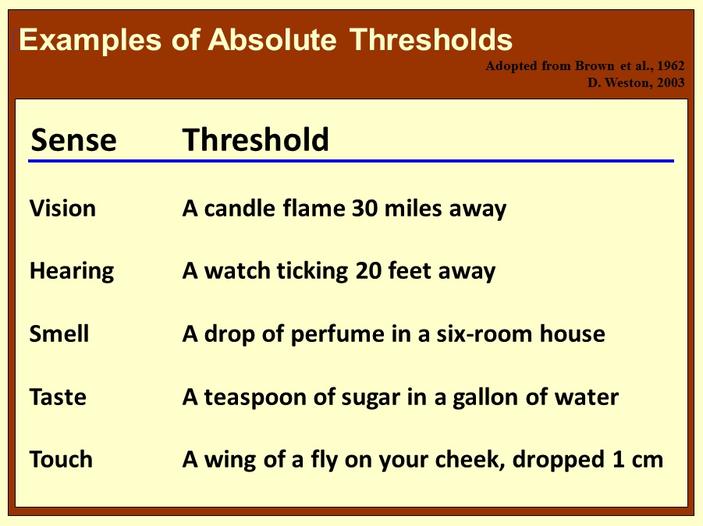
Which of the following best represents an absolute threshold?
A guitar player knows that his D string has just gone out of time.
A photographer cane tell that the natural light available for a photograph has just faded slightly.
Your friend amazes you by correctly identifying unlabeled glasses of Coke and Pepsi.
A cook can just barely taste the salt she has added to her soup.
Your mom throws out the milk because she says the taste is "off."
19
20
Multiple Choice
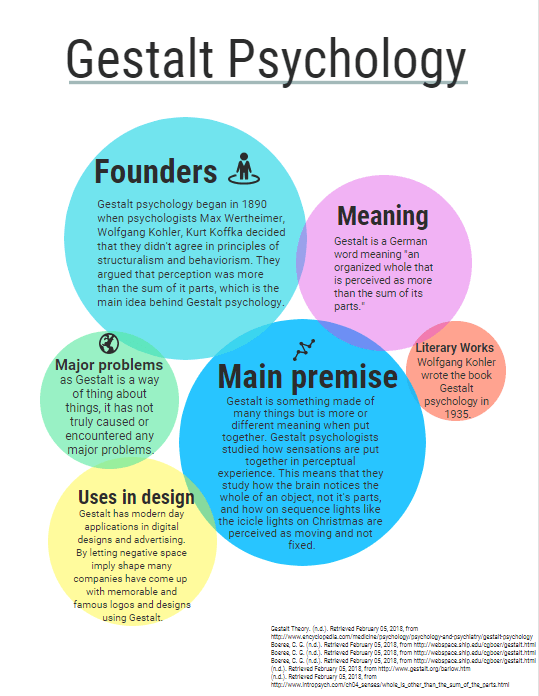
Which of the following describes a perception process that the Gesalt psychologists would have been interested in?
Depth perception and how it allows us to survive in the world
How we notice the various flavor elements in a dish
How an organized whole is formed out of its component pieces
What the smallest units of perception are
The similarities between shape constancy and size constancy
21
22
Multiple Choice
Which perception process are the hammer, anvil, and stirrup involved in?
Detecting intense colors
Processing information related to our sense of balance
Transmitting light energy to ganglion cells
Transmitting sound waves to the cochlea
Smelling the foul odors of a locker room
23

24
Multiple Choice
Which of the following might result from a disruption of your vestibular sense?
Instability to detect the position of your arm without looking at it
Loss of the ability to detect a bitter taste
Dizziness and loss of balance
An inability to detect pain
Loss of color vision
25

26
Multiple Choice
When we go to the movies, we see smooth continuous motion rather than a series of still images because of which process?
the phi phenomenon
perceptual set
stroboscopic movement
relative motion
the illusory effect
27
28
Multiple Choice
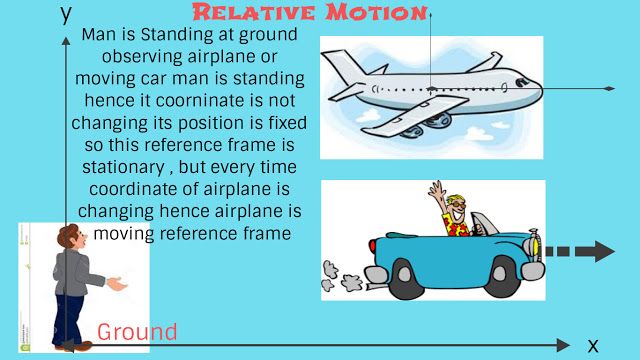
Two monocular depth cues are most responsible for our ability to know that a jet flying overhead is at an elevation of several miles. One cue is relative size. What is the other?
Relative motion
Retinal disparity
Interposition
Light and shadow
Linear Perspective
29
30
Multiple Choice
Which of the following phrases accurately describes top-down processing?
The entry-level data captured by our various sensory systems
The effect that our experiences and expectations have on perception
Our tendency to scan a visual field from top to bottom
Our ability to detect letters of a word before we know what the word is
The fact that information in processed by the higher regions of the brain before it reaches the lower brain
31

Unit IV Chapter Review
Sensation and Perception
Show answer
Auto Play
Slide 1 / 31
SLIDE
Similar Resources on Wayground

26 questions
Causes of the American Revolution 2025 updated
Presentation
•
8th - 12th Grade
24 questions
Nuclear Decay
Presentation
•
9th - 12th Grade
24 questions
Gas Laws Lesson - Part 1
Presentation
•
9th - 12th Grade
24 questions
Exponent Rules
Presentation
•
9th - 12th Grade
25 questions
Gas Laws
Presentation
•
9th - 12th Grade
25 questions
Fitness 203 - Heart Rate
Presentation
•
9th - 12th Grade
25 questions
Intro to probability
Presentation
•
9th - 12th Grade
22 questions
Unit 1 : History of Psychology Exam
Presentation
•
10th - 12th Grade
Popular Resources on Wayground
10 questions
How much do you know about our Portrait of an Eagle?

Quiz
•
10th Grade
10 questions
Fast Food Slogans
Quiz
•
6th - 8th Grade
21 questions
Continents and Oceans
Quiz
•
6th Grade
20 questions
Parts of Speech
Quiz
•
5th Grade
16 questions
Subject & Predicate
Quiz
•
5th Grade
25 questions
Multiplication Facts
Quiz
•
5th Grade
12 questions
Map Skills
Quiz
•
3rd Grade
22 questions
Continents and Oceans
Quiz
•
5th Grade
Discover more resources for Social Studies
10 questions
Exploring the Age of Exploration: Key Events and Figures

Interactive video
•
6th - 10th Grade
17 questions
1.3 Review
Presentation
•
11th Grade
10 questions
Exploring the 13 Colonies Regions
Interactive video
•
6th - 10th Grade
8 questions
Smith Unit 5 Quick Check #1 Big Business, Monopolies &Technology
Quiz
•
11th Grade
46 questions
Unit 1 Test REVIEW Ancient Greece and Rome
Quiz
•
9th - 12th Grade
10 questions
Exploring Ancient Mesopotamia Through Song
Interactive video
•
6th - 10th Grade
27 questions
Supply & Demand Test Review
Quiz
•
12th Grade
36 questions
Unit 5 Key Terms
Quiz
•
11th Grade - University